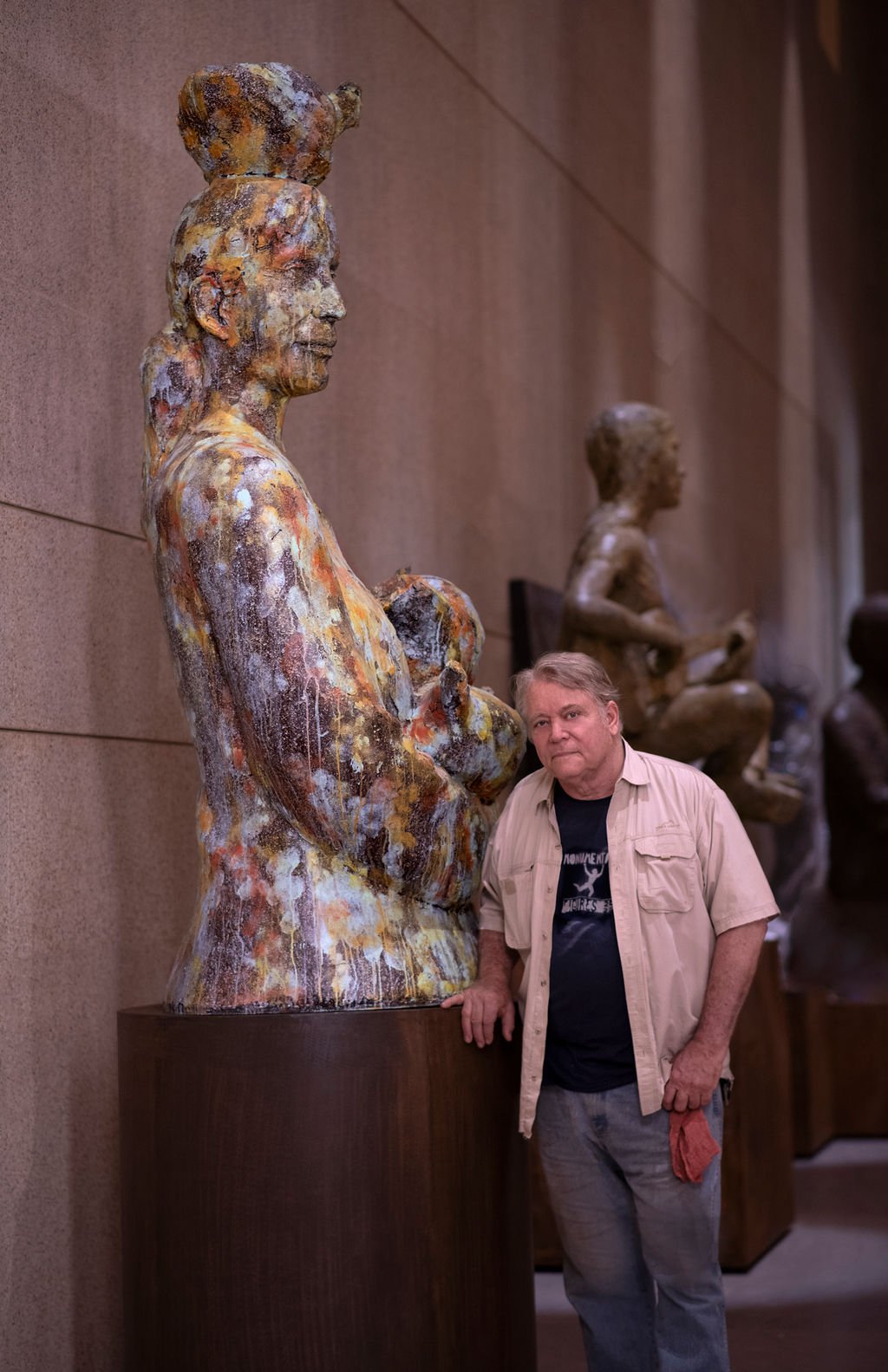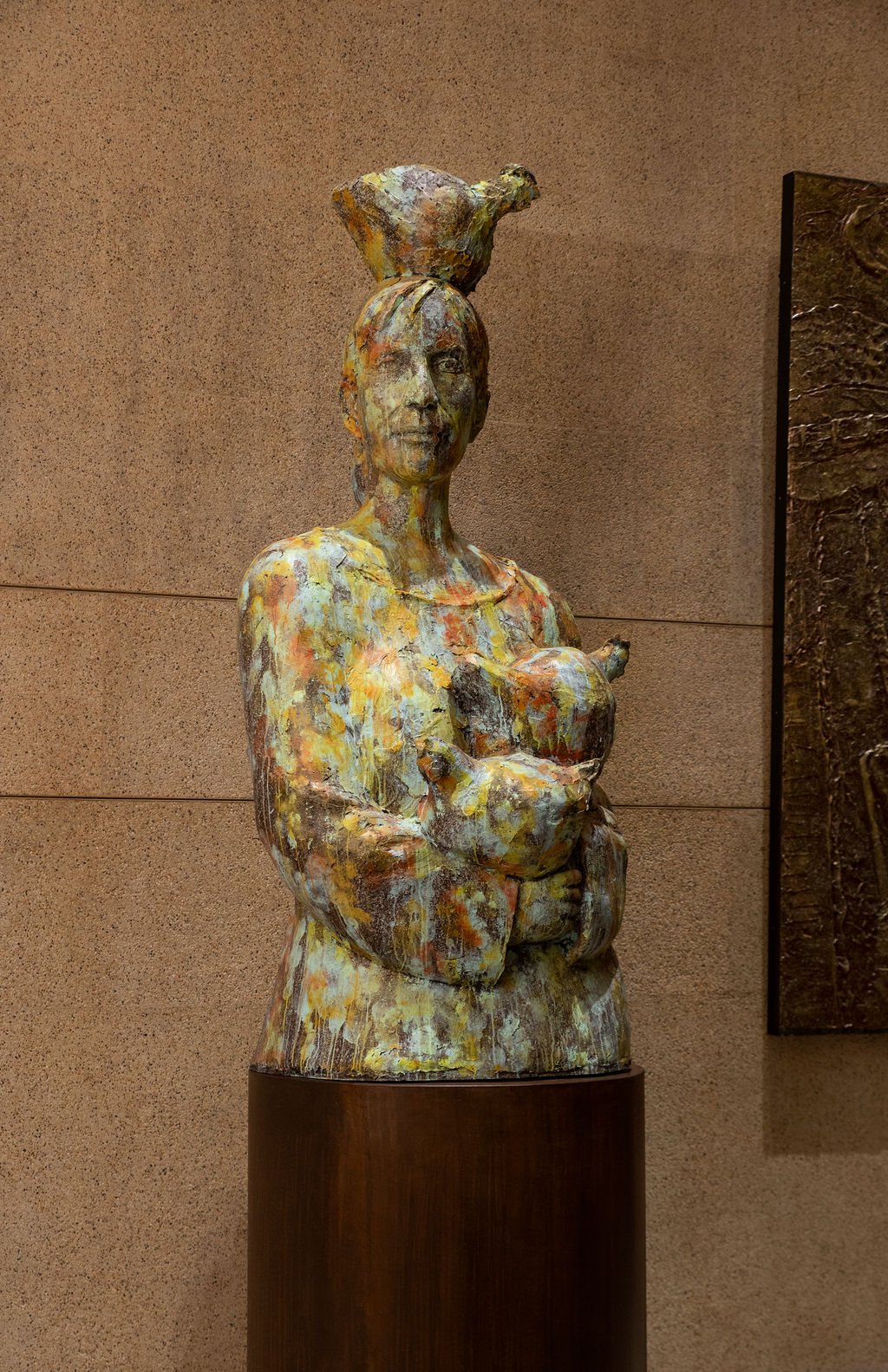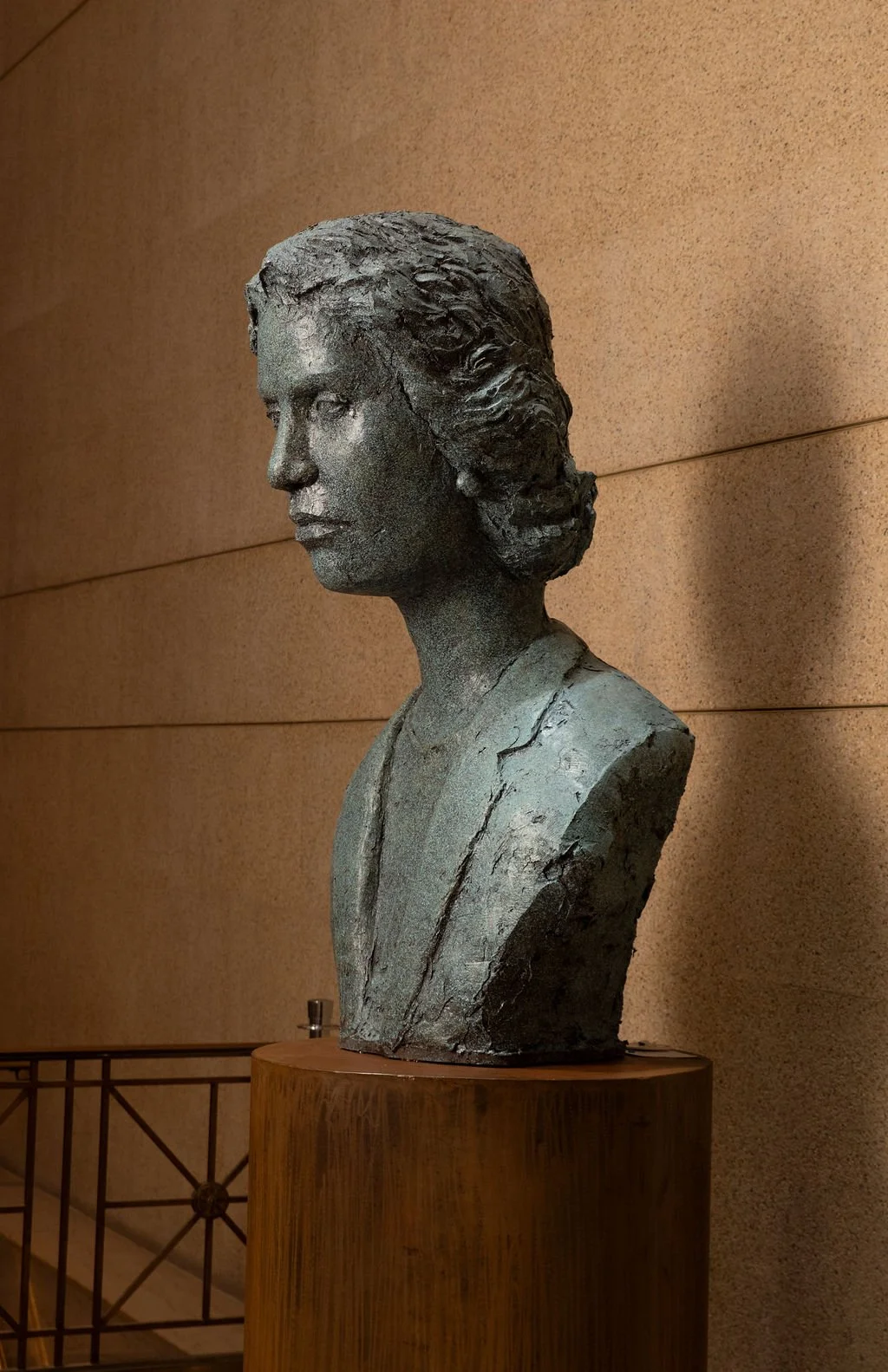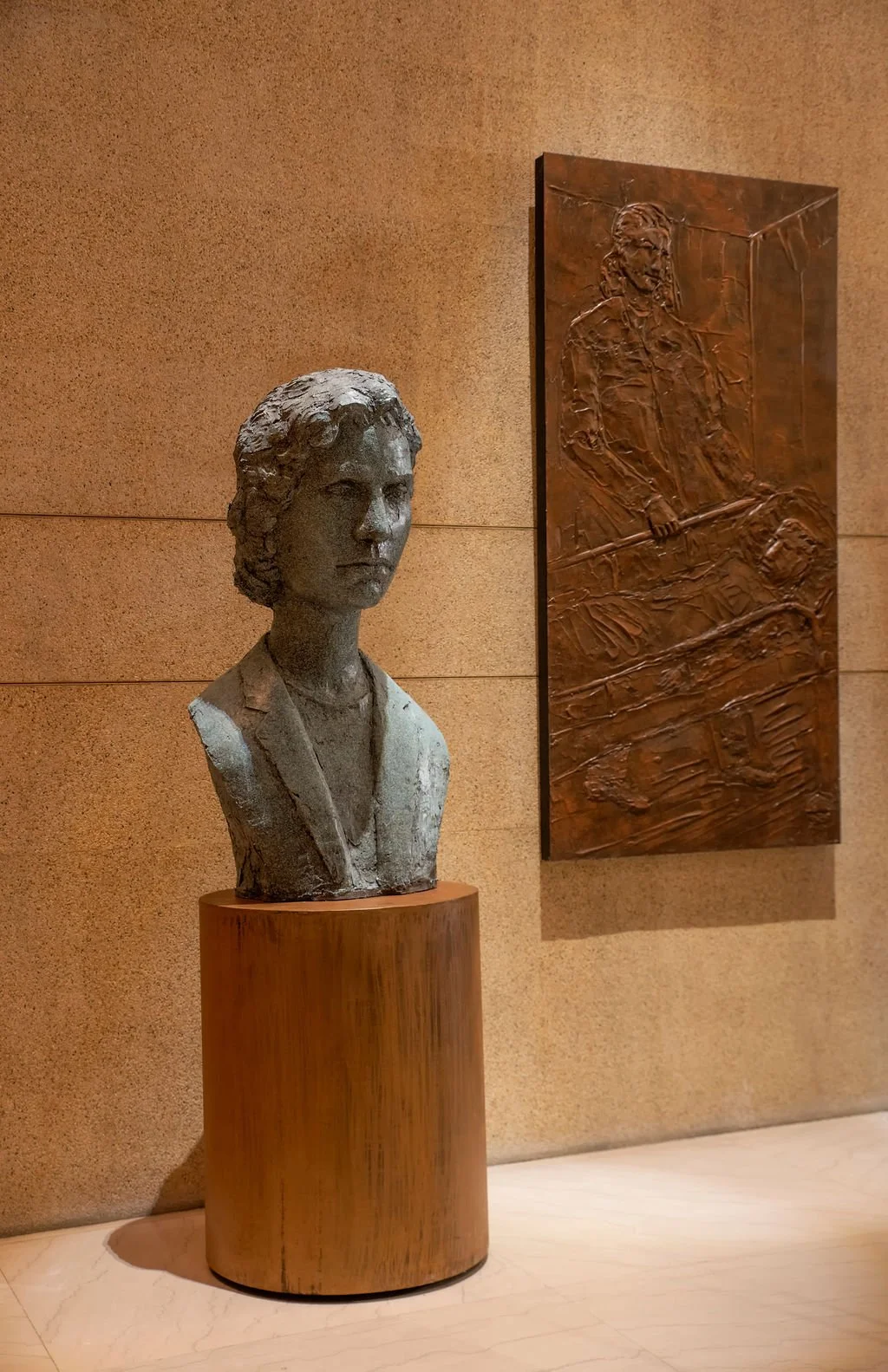
Monumental Figures
Interested in hosting a traveling exhibition? Contact us for availability and details.
“We’re All In This Together”
-
The mission of the Nashville Parthenon has always been to bring art and artists forward. Long after the Centennial exposition of 1897, the Parthenon remains our primary cultural museum, beloved by Nashvillians. From the outset, it was the venue for exhibiting painting and sculpture, and after 128 years, it continues in that function today. Over 300,000 visitors per year enjoy exhibitions by both local and nationally known artists. There is a fine permanent collection of American paintings, a gallery with rotating exhibits, and frequent offerings of theater, music and performance art.
The Parthenon Museum also continues to be a valuable example of experimental archaeology, offering both students and scholars the opportunity to experience the art and architecture of ancient Greece firsthand. I began the statue of Athena in 1982 and completed it in 2002 as part of that ongoing experiment. The projectwas the completion of my training as a sculptor, and I feel very fortunate to have had this experience with Greek art and the Nashville Parthenon.
The Athenians saw the original Parthenon as home to their patron goddess, and they interpreted the statue as a living embodiment of her. Despite the alarm some may feel when they learn of the Nashville Parthenon, and the Nashville Athena, I don’t think there are many Nashvillians who worship Greek gods and goddesses. What we admire in the architecture and the sculpture of the Athenians of the fifth century BC is the remarkable human craftsmanship that created beautiful, lasting works of art that we associate with Democracy – flawed though it was. Nashvillians felt themselves owners of that legacy from the Greeks, and thus made the building permanent in the 1920’s.
We owe the Greeks our concepts of what makes a great work of art. It should inspire with its own energy, hopefully combining physical, intellectual and spiritual meaning. Numinosity does not depend on the representation of a deity, but is inherent in the object itself, shaped by human hands. This idea has influenced my work for decades. It contains the seed of humanism that I hope I can help bring forward into the 21st century.
-
“We’re All In This Together”
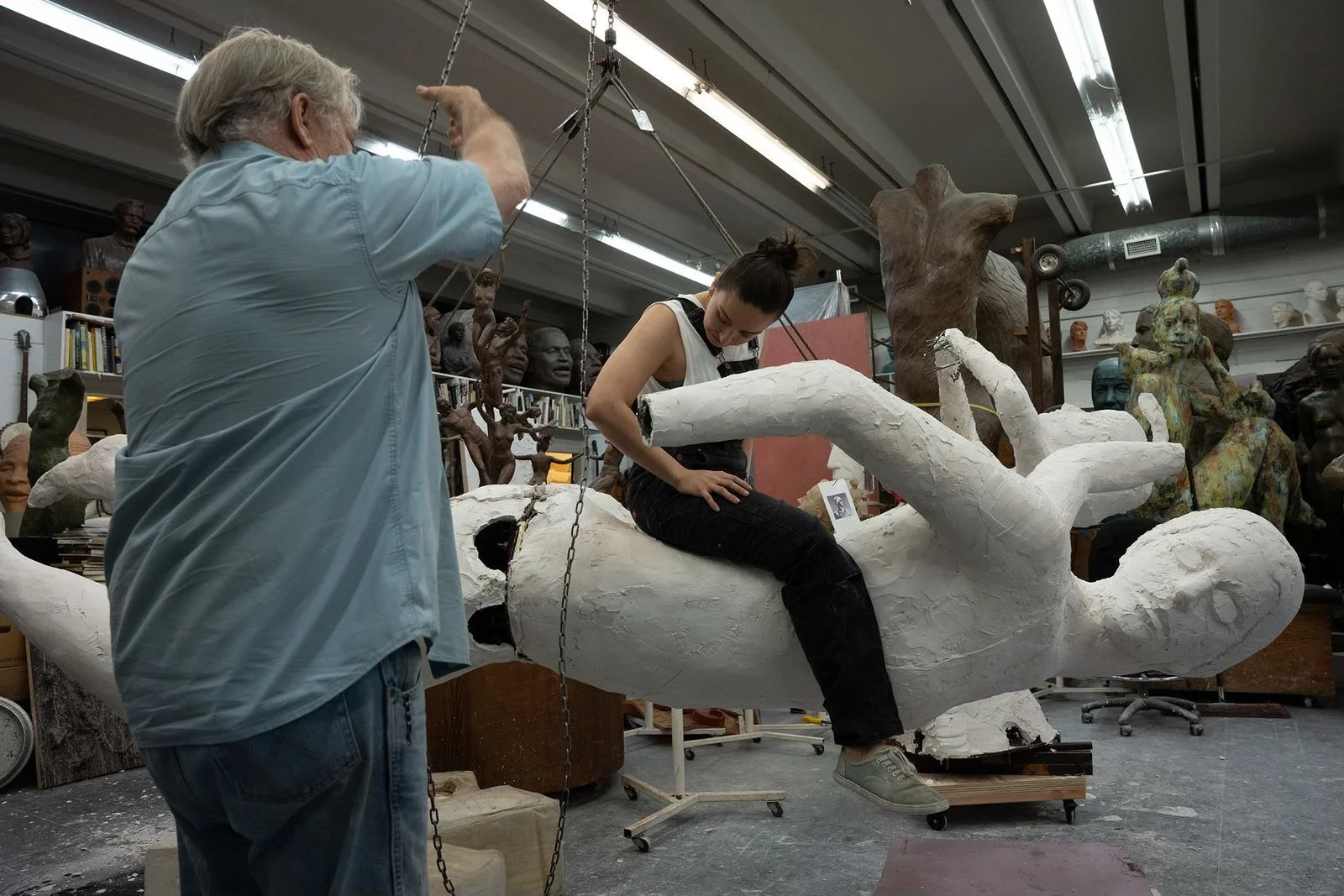
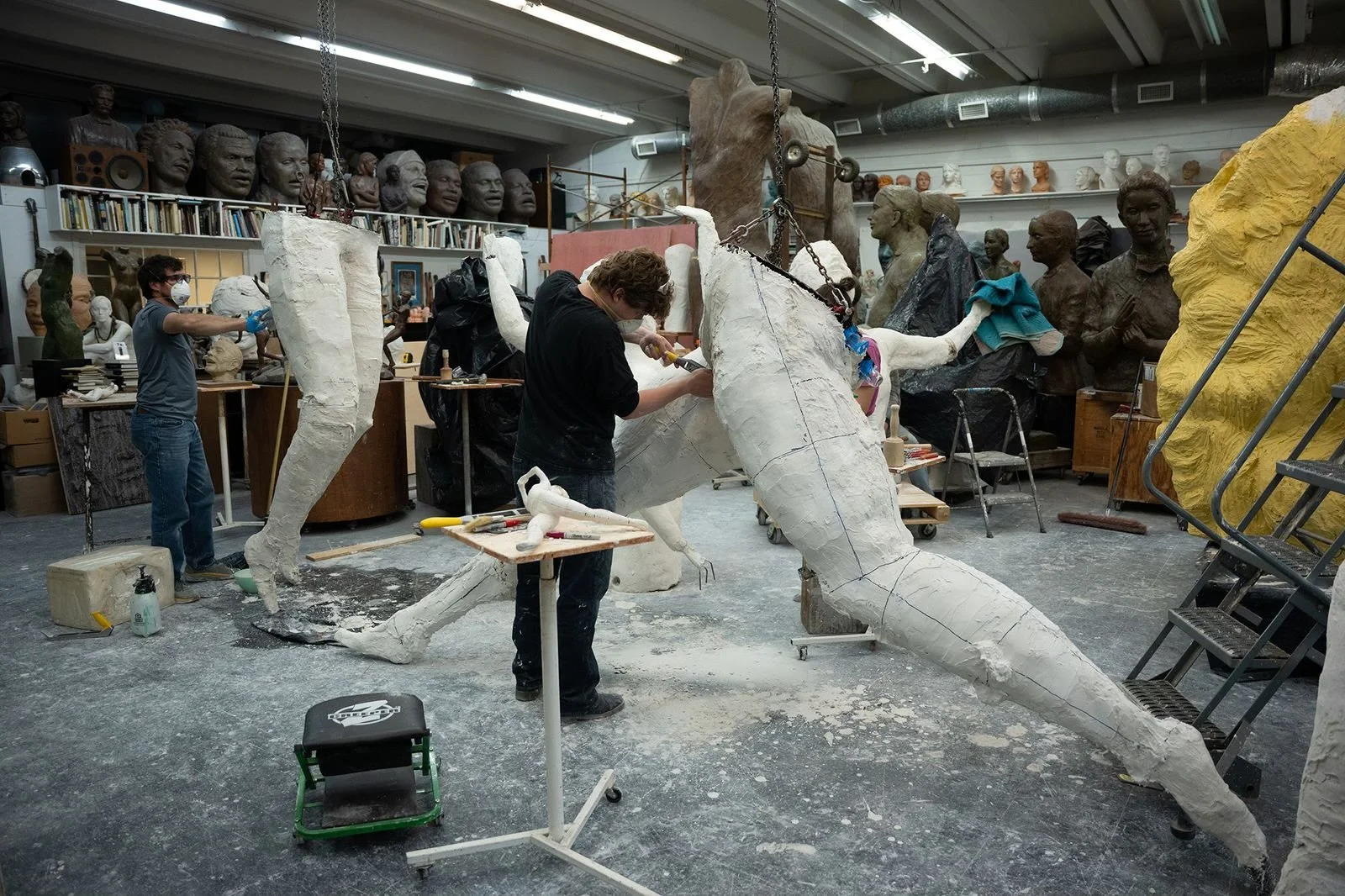
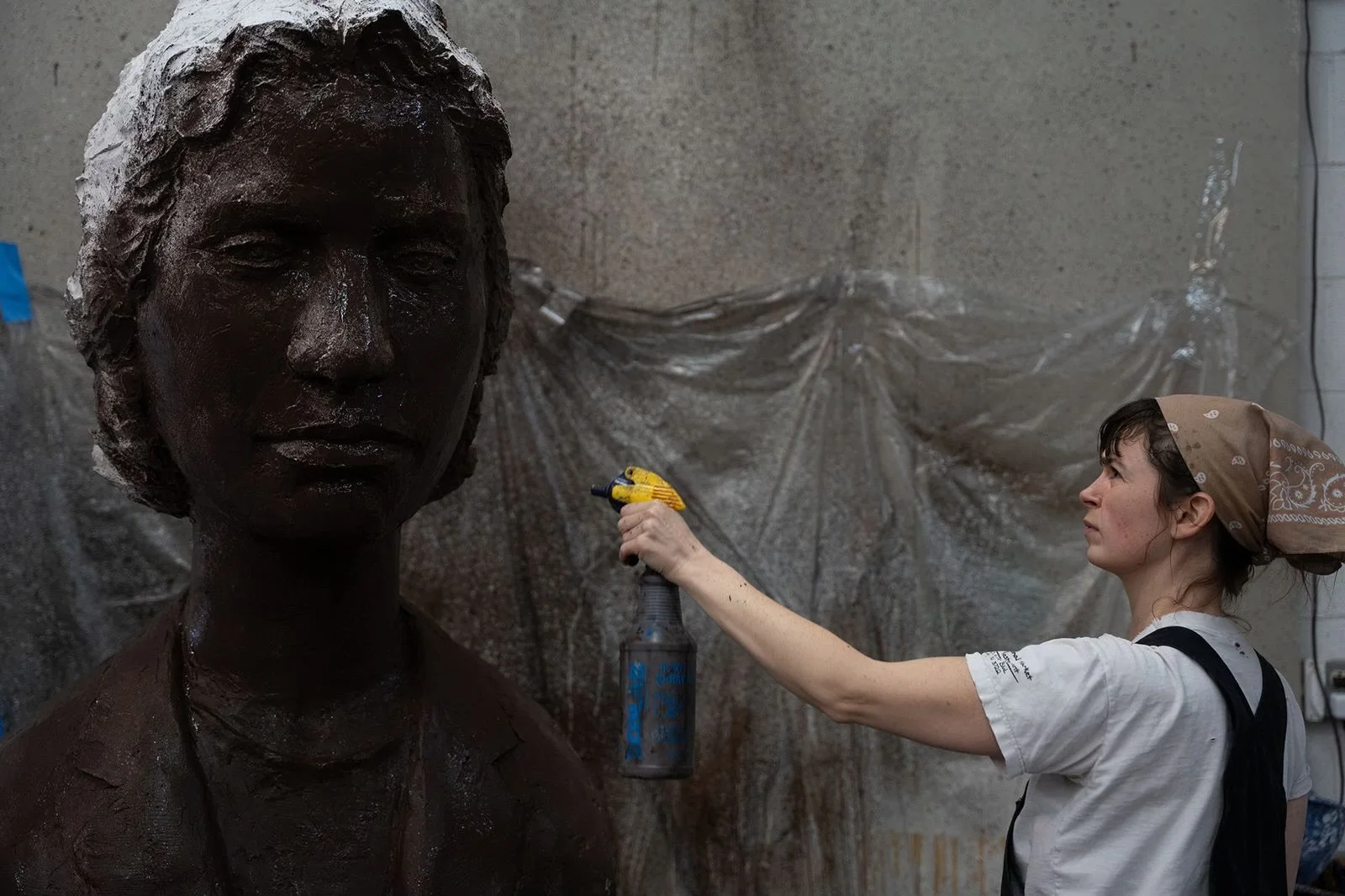
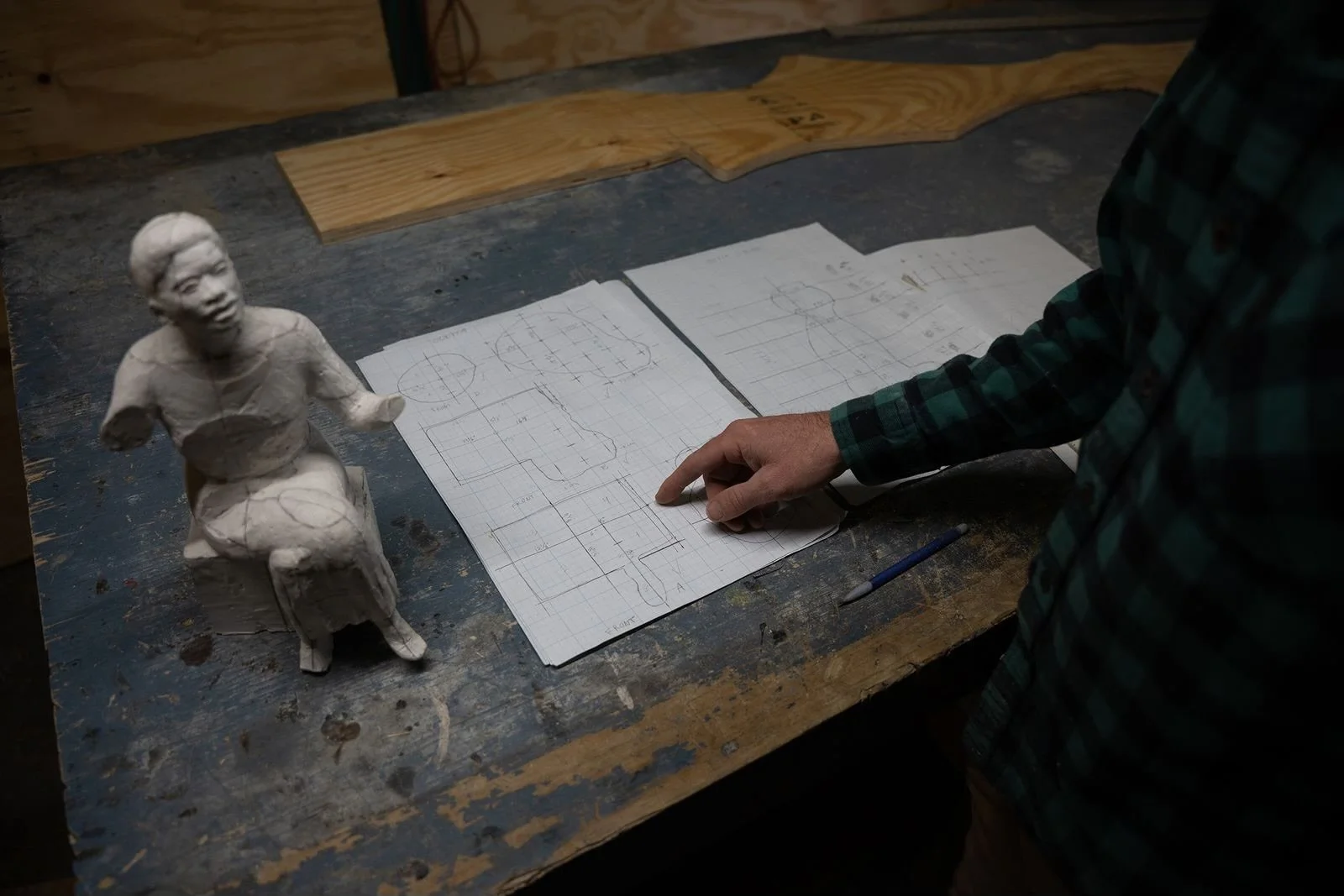
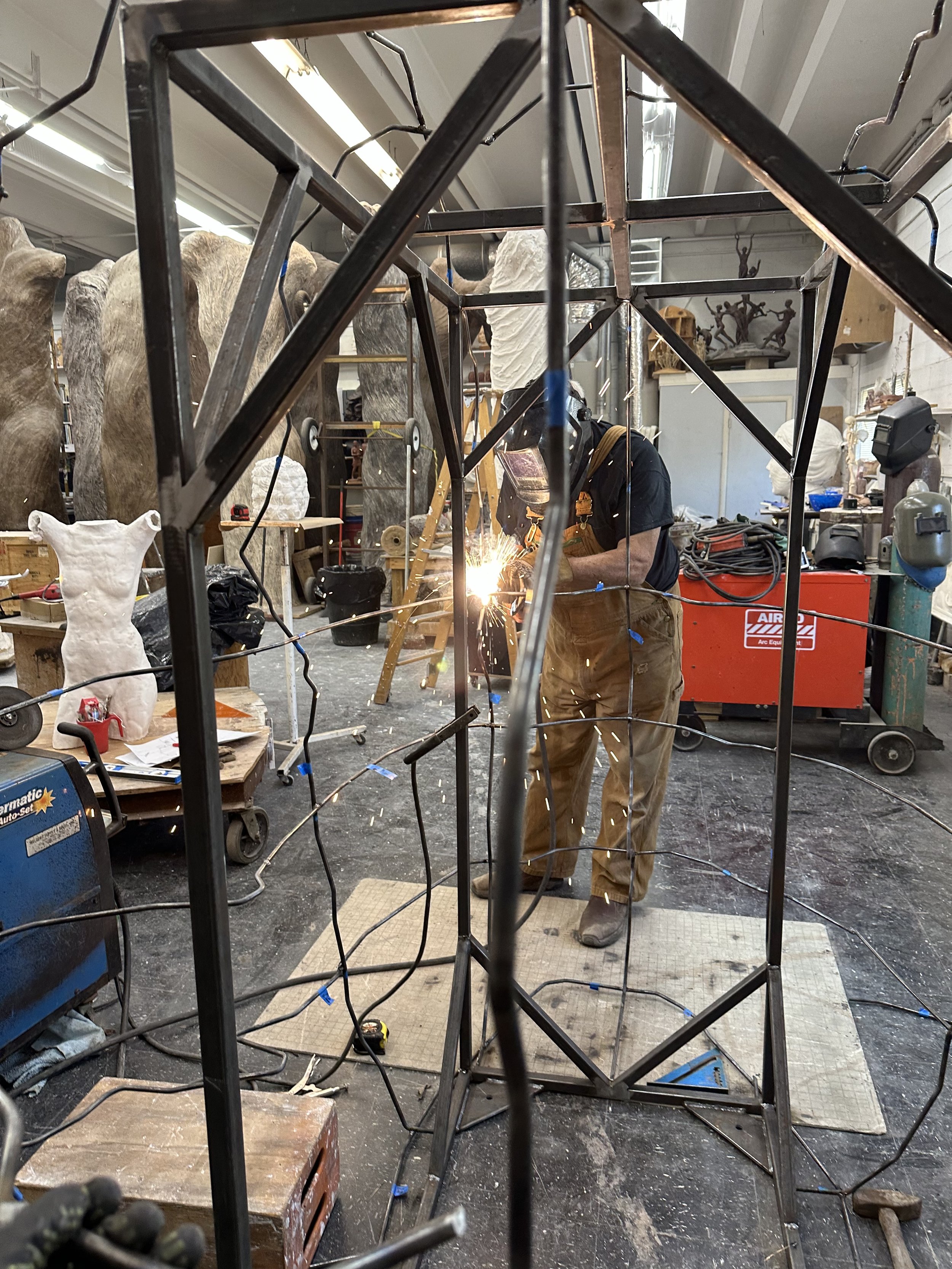
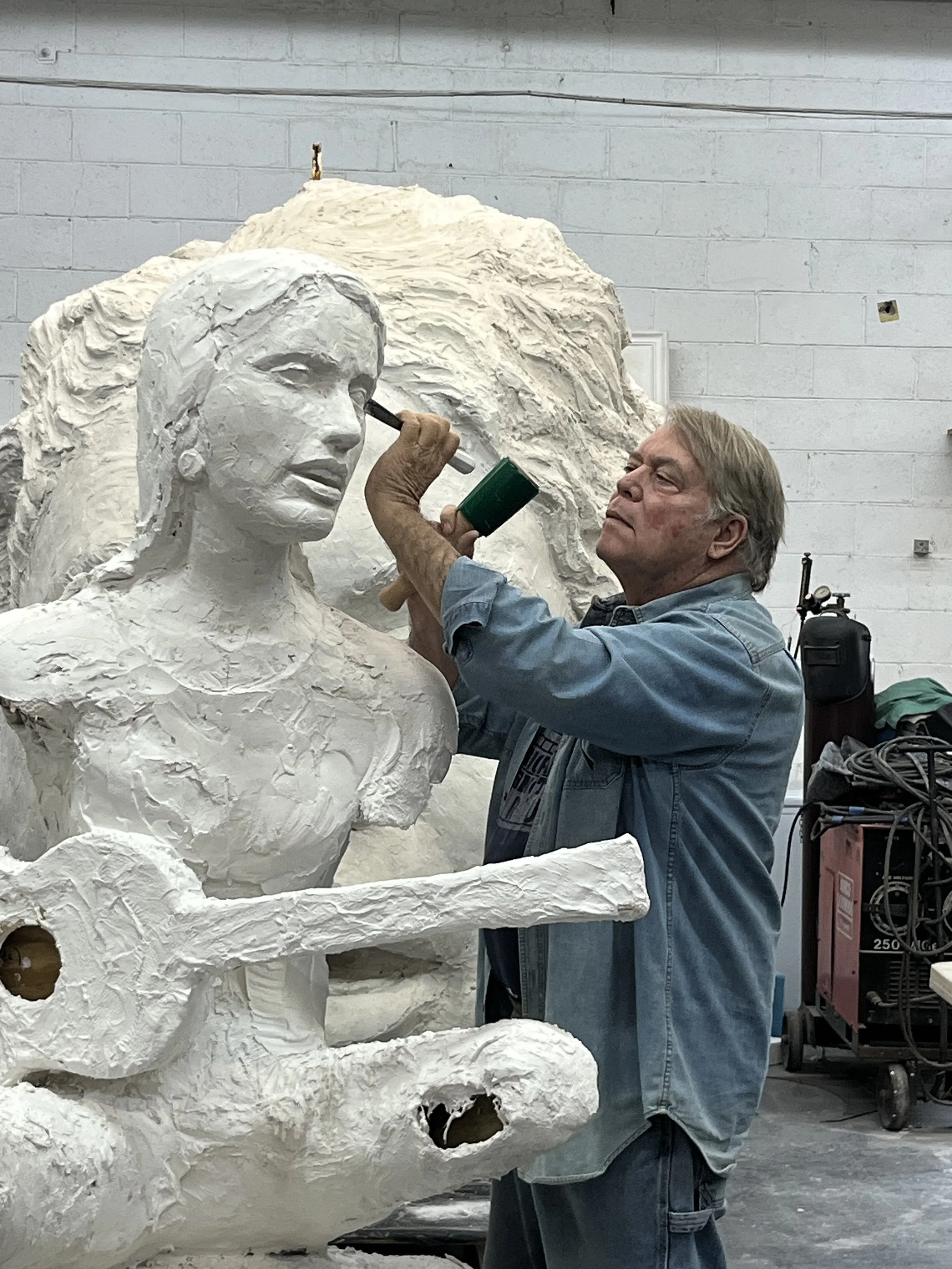
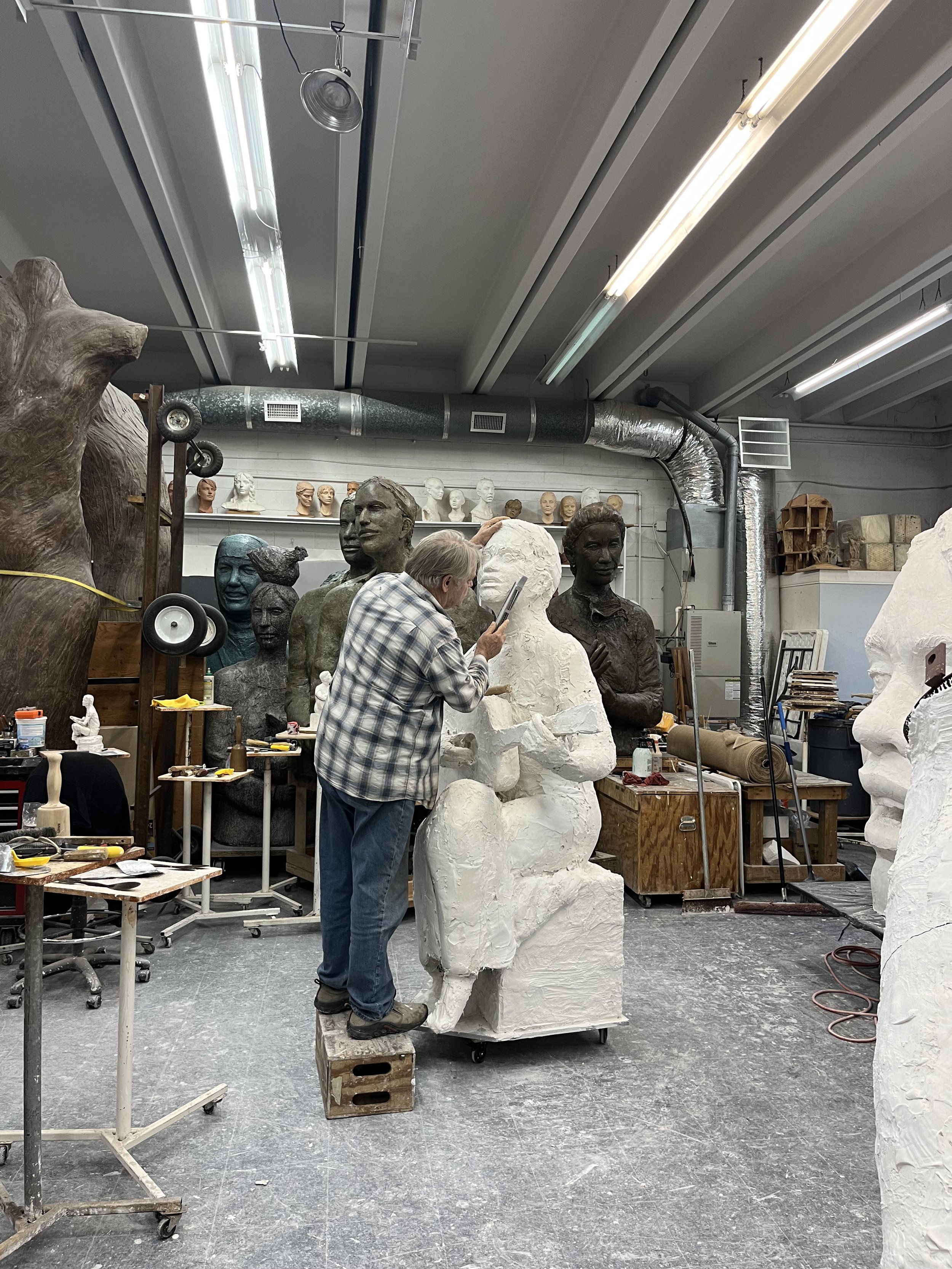
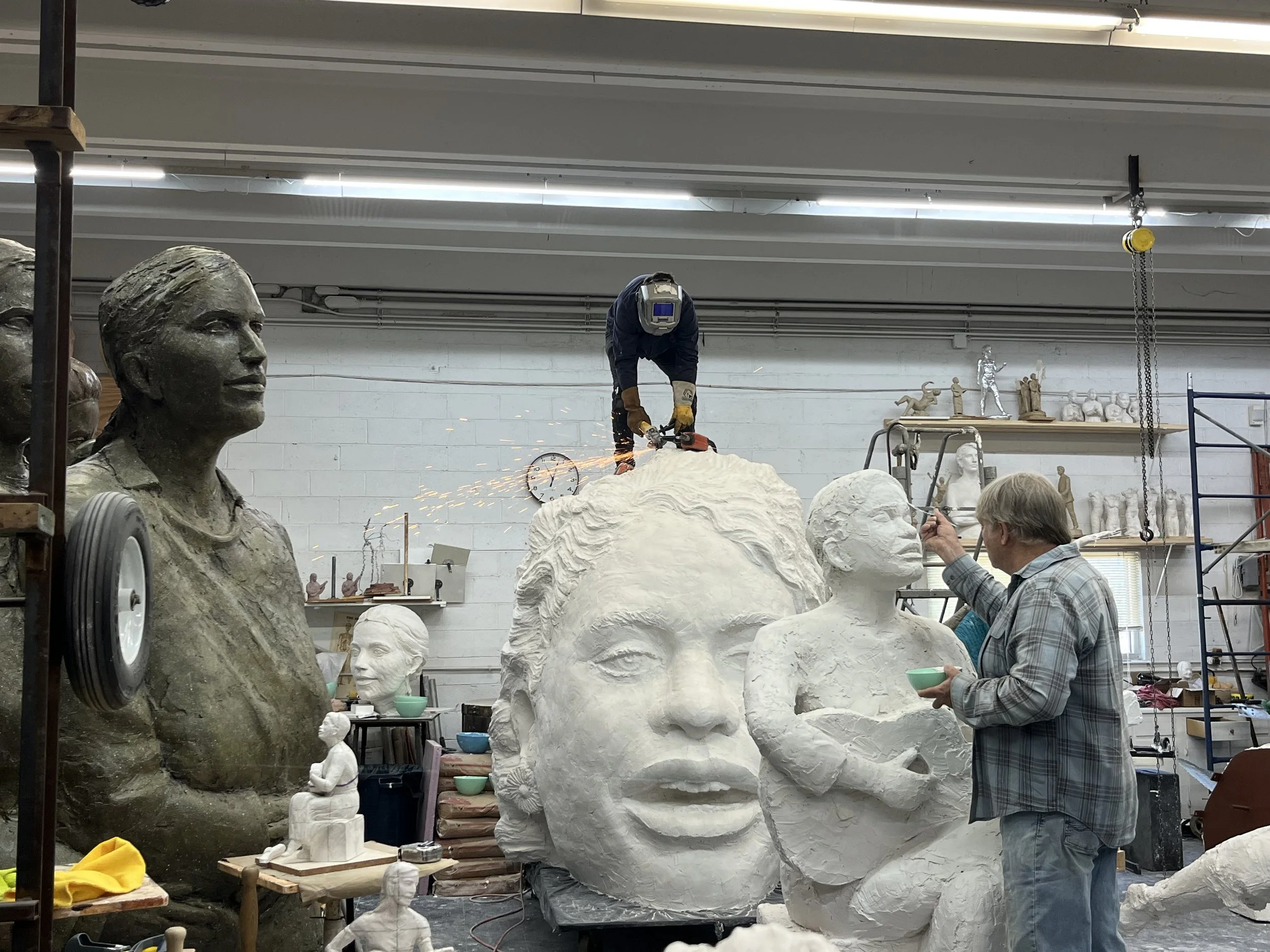
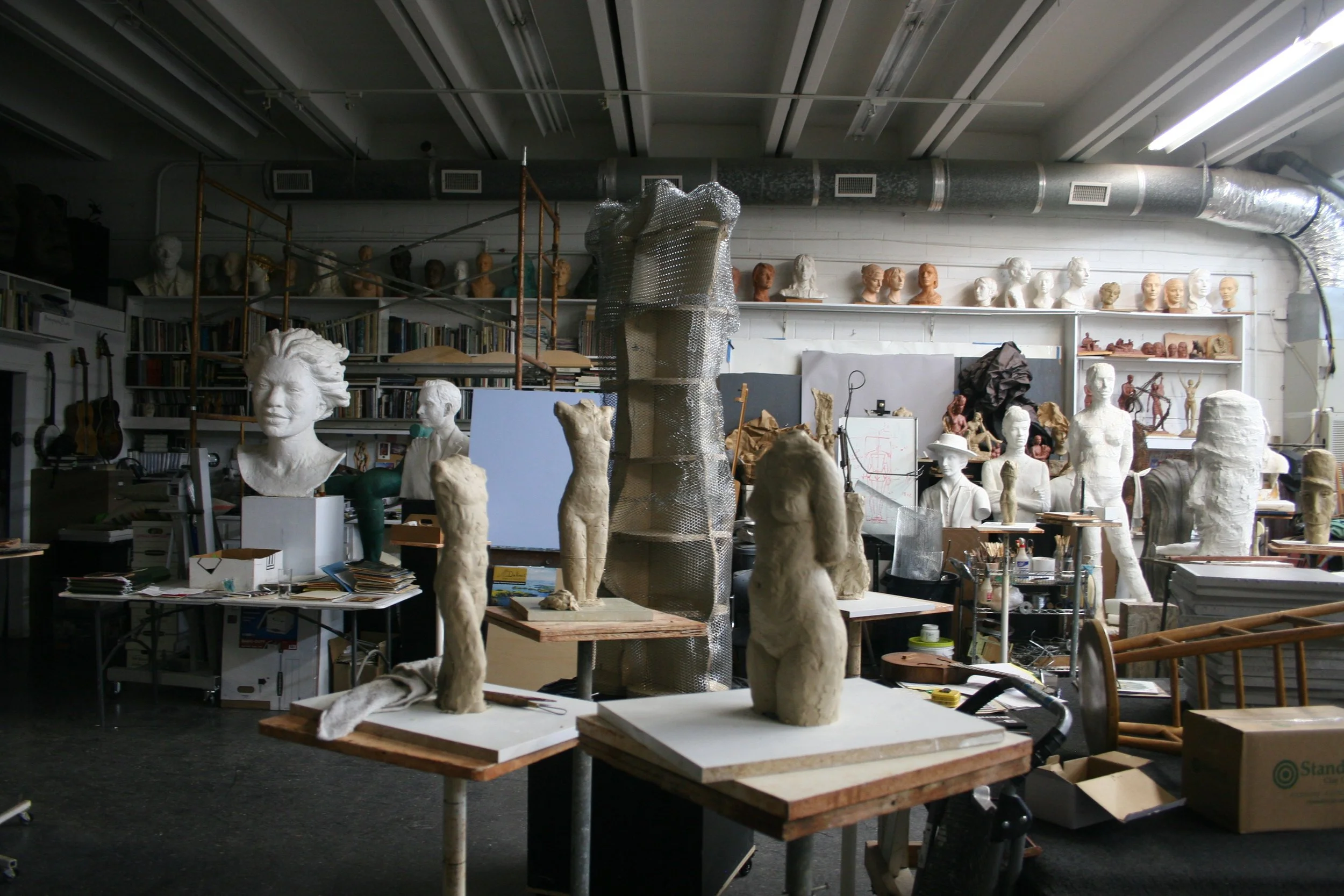
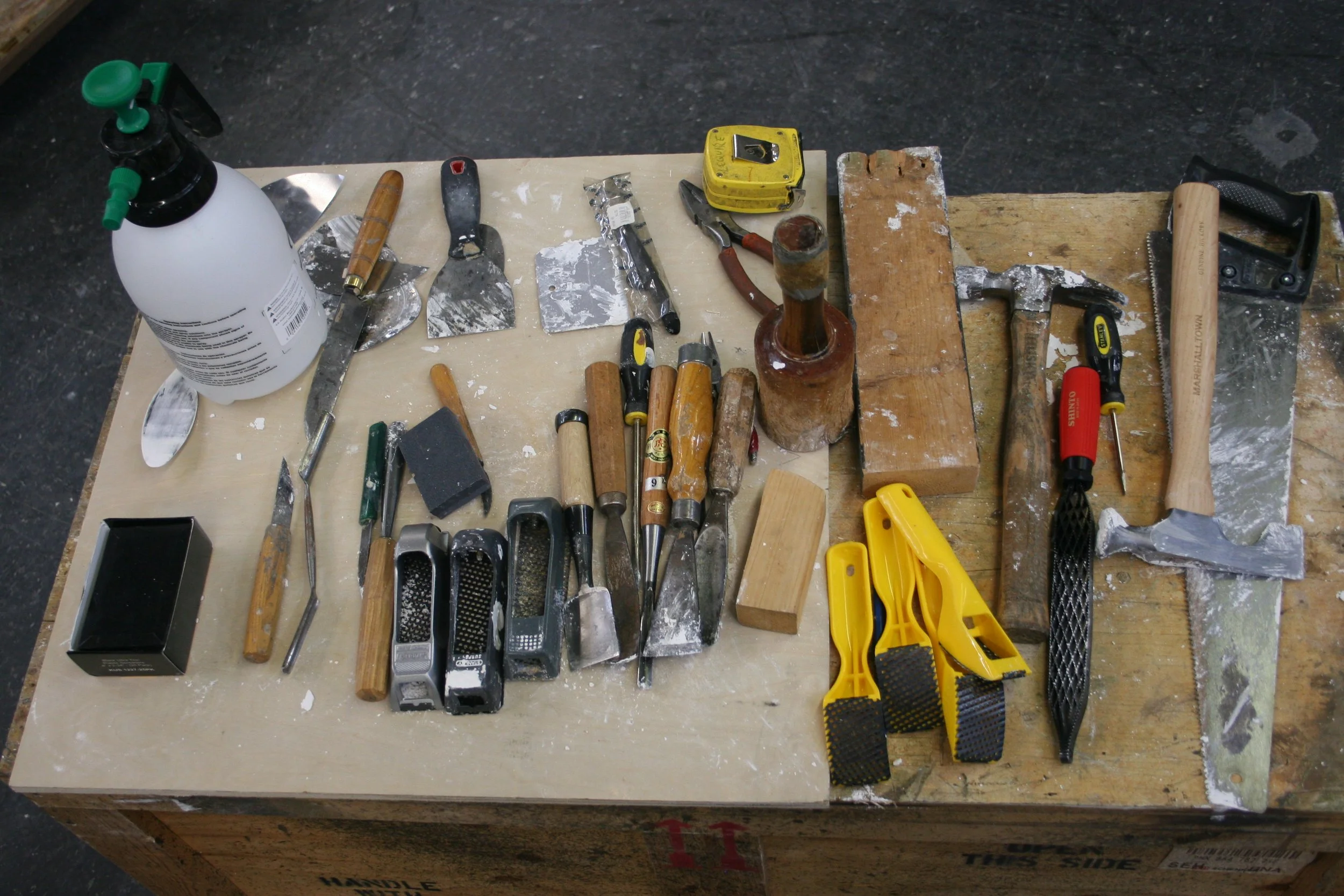
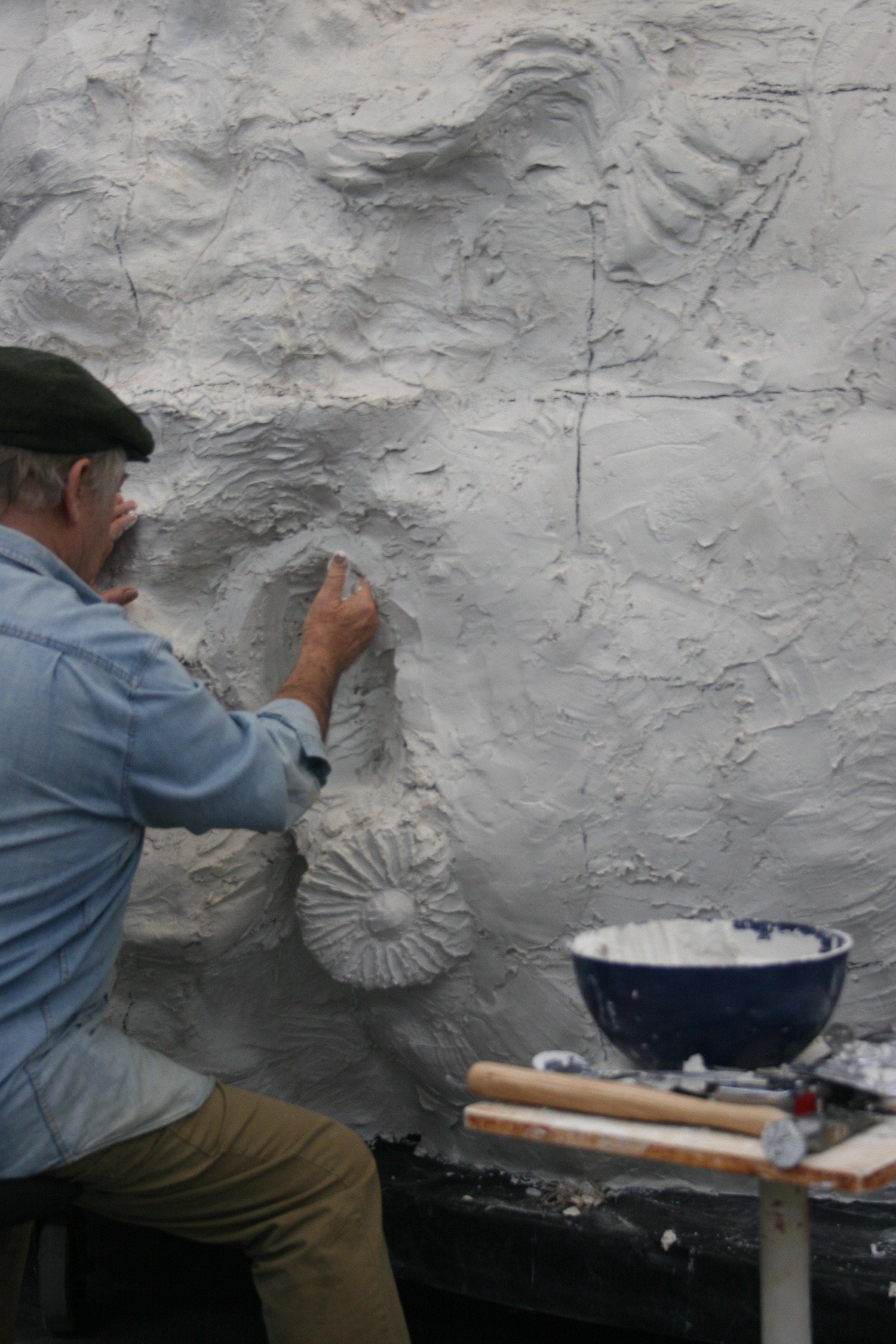
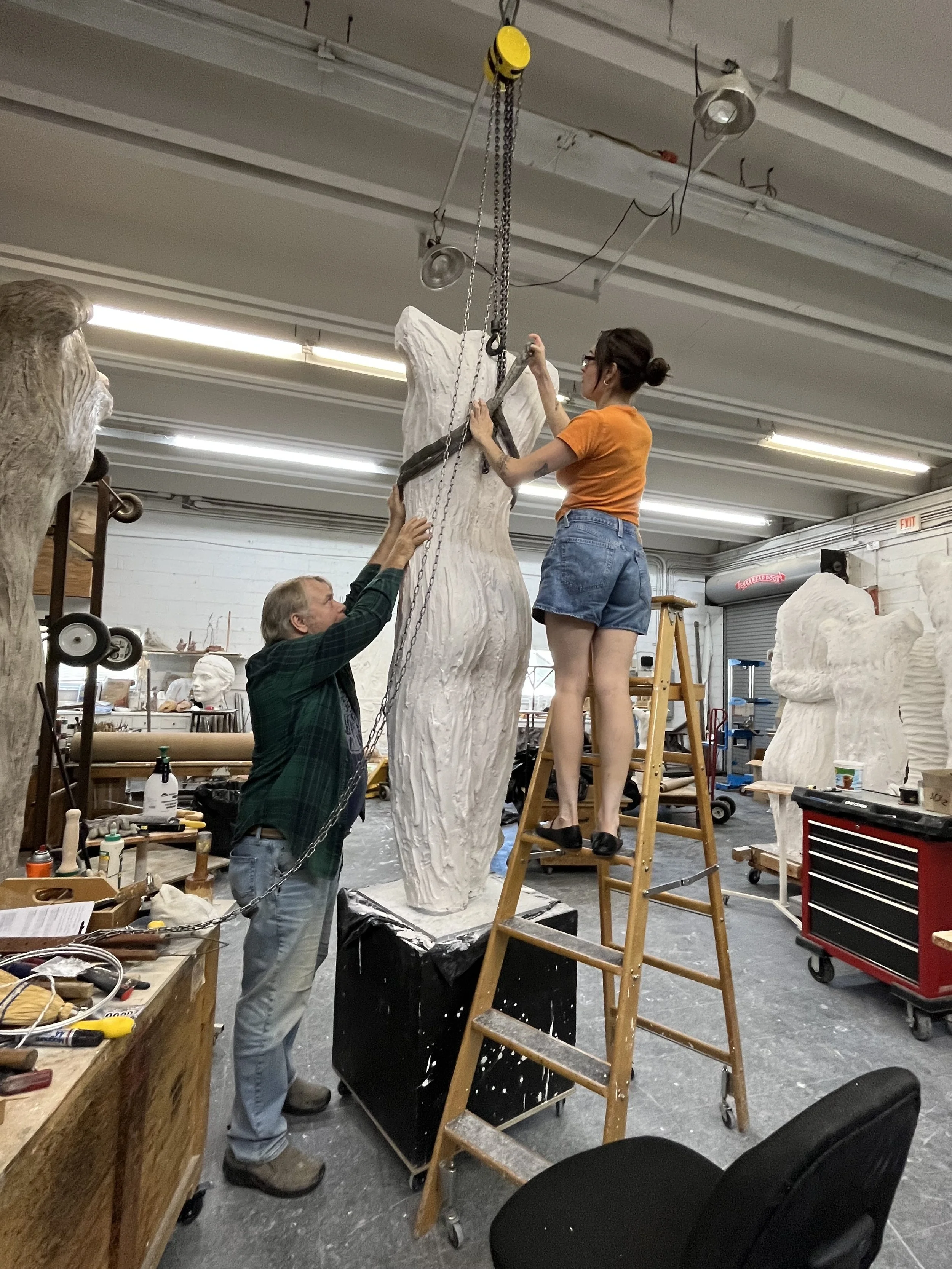
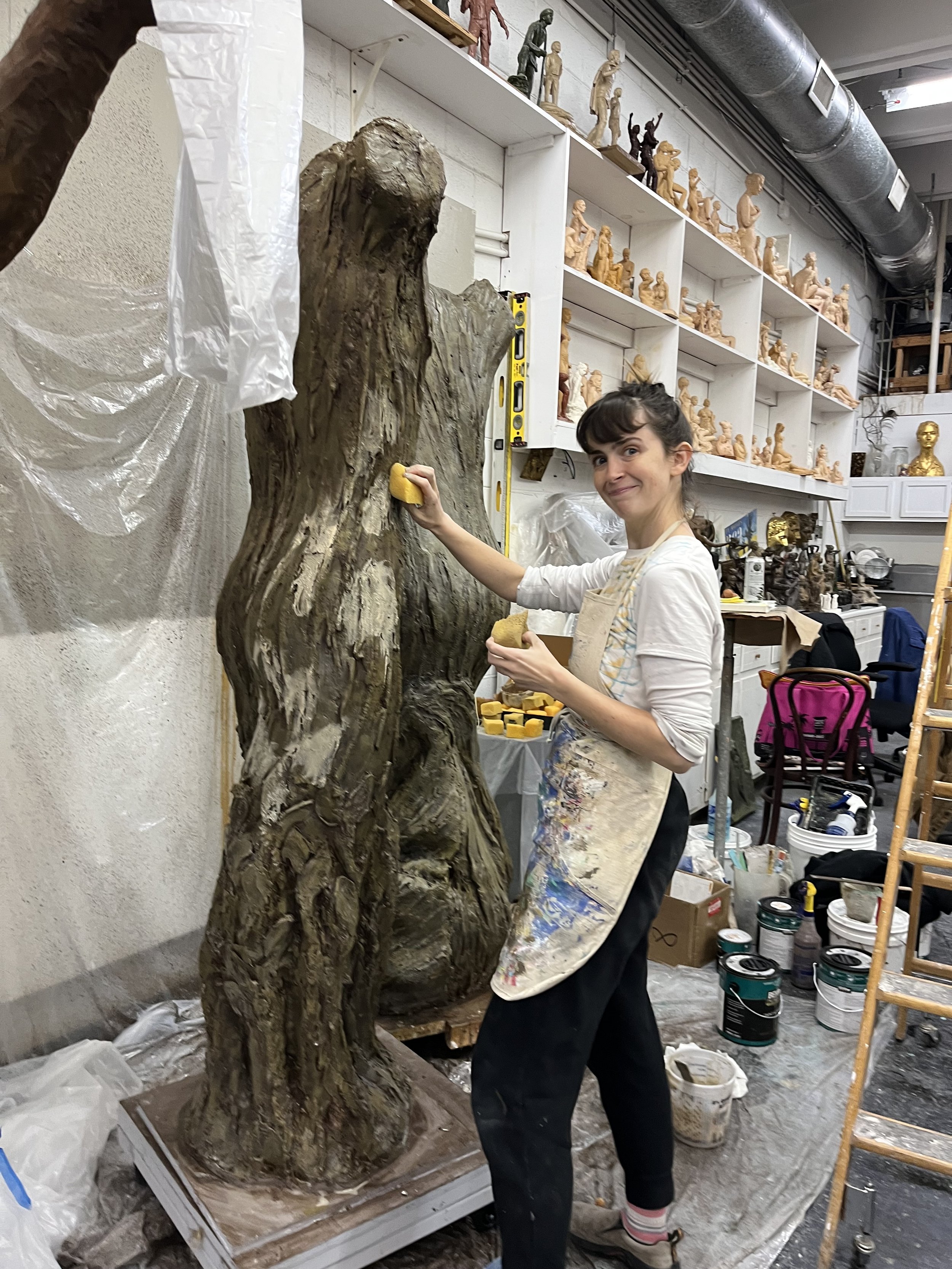
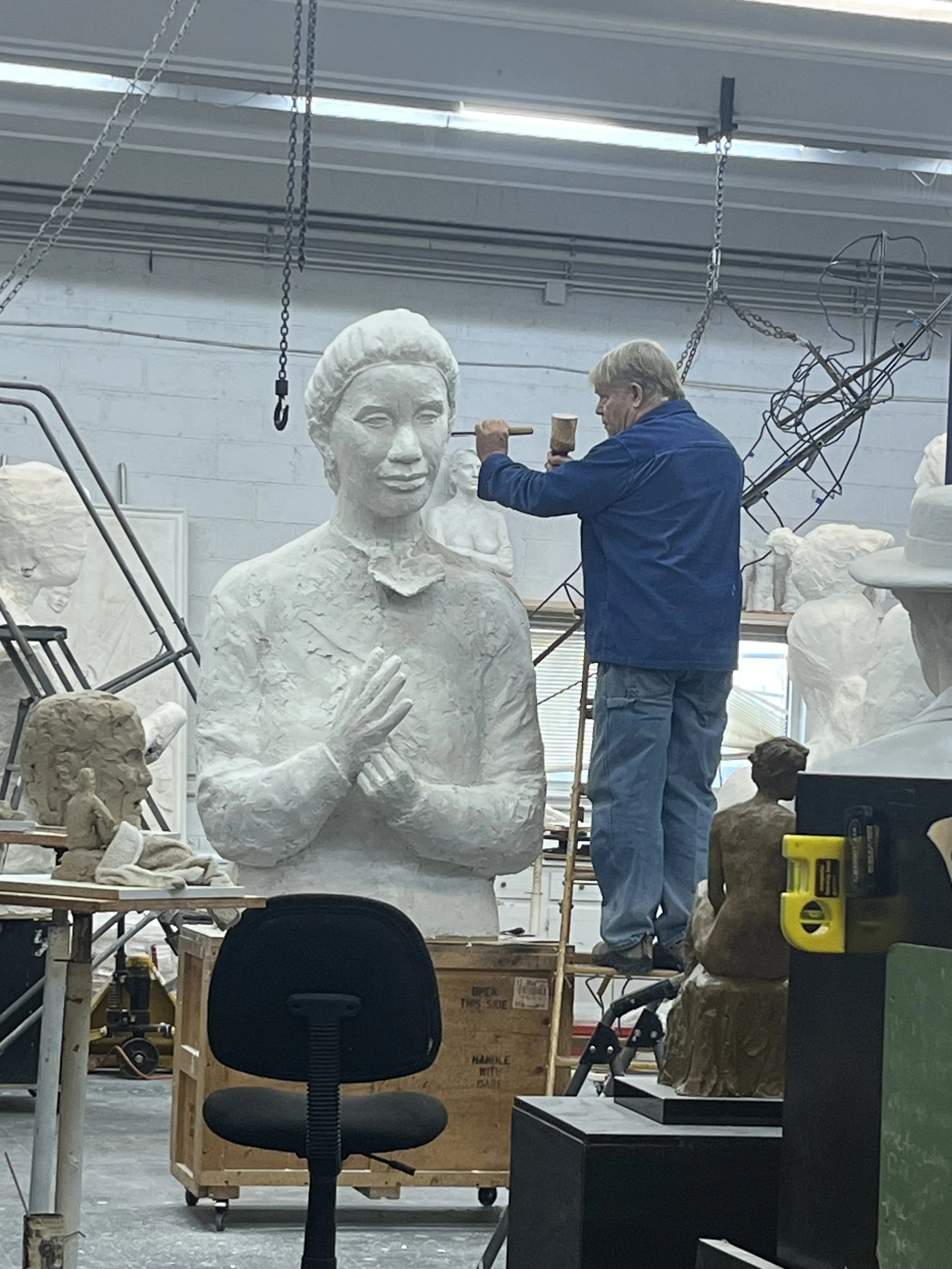
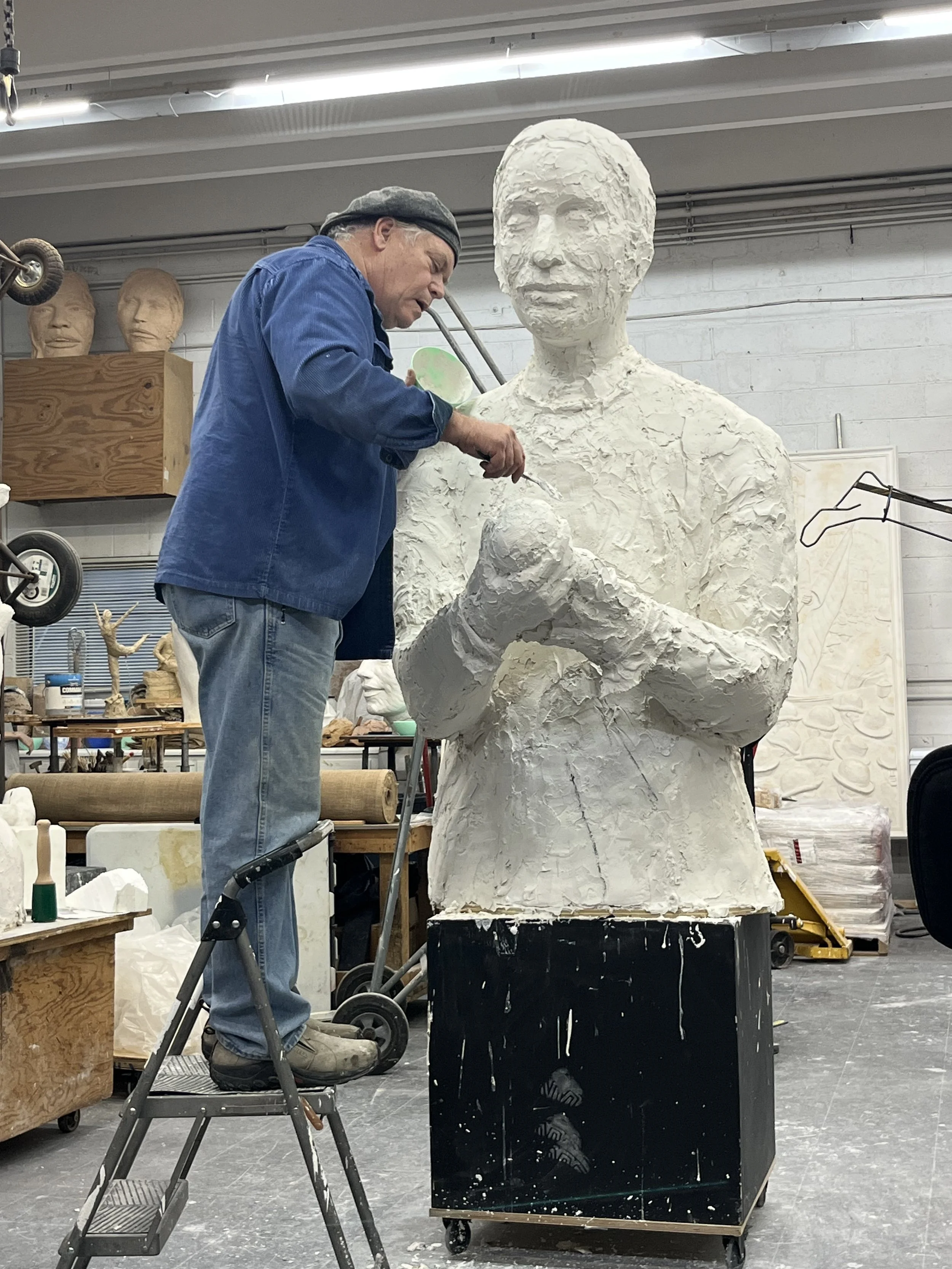
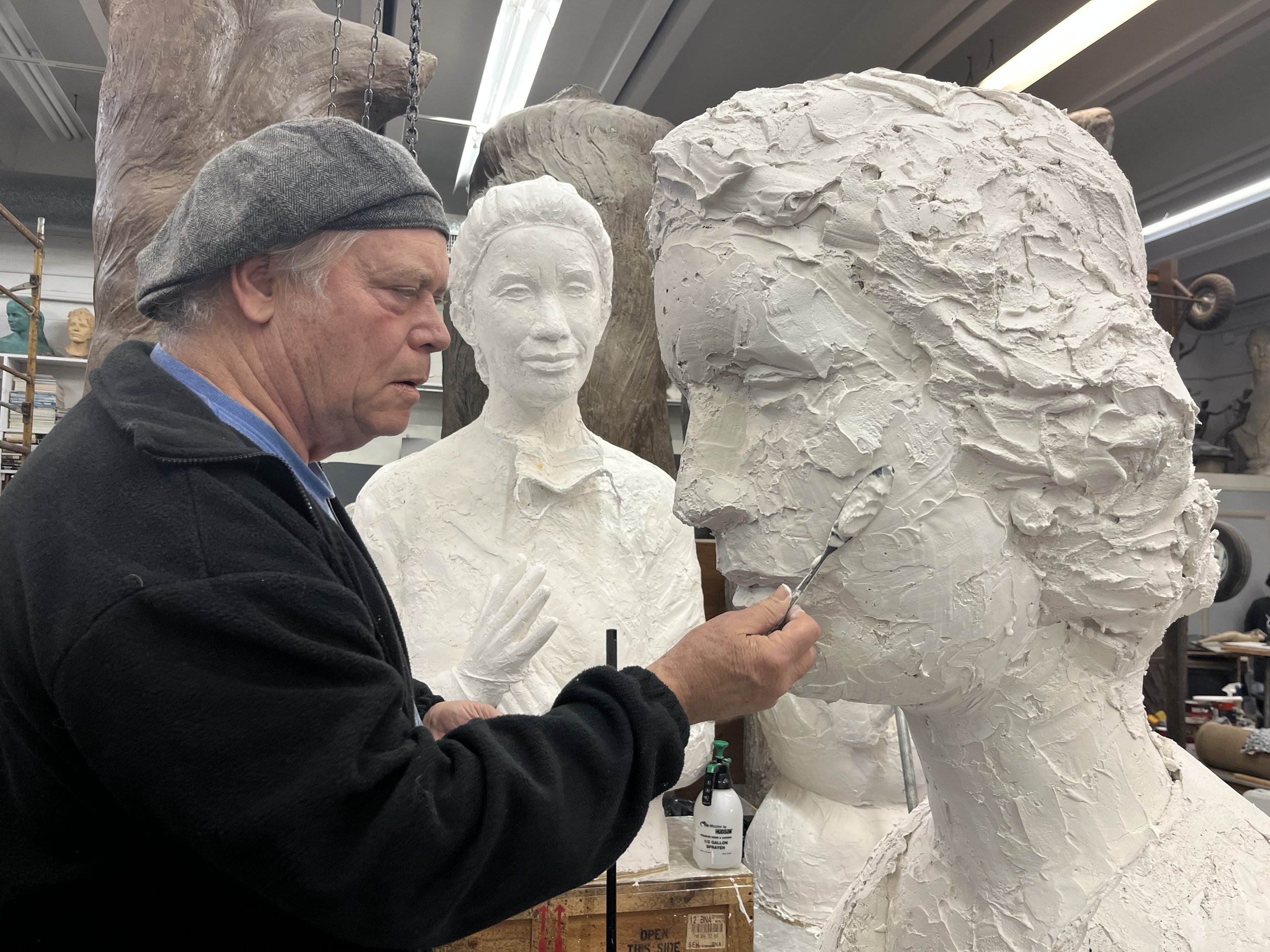
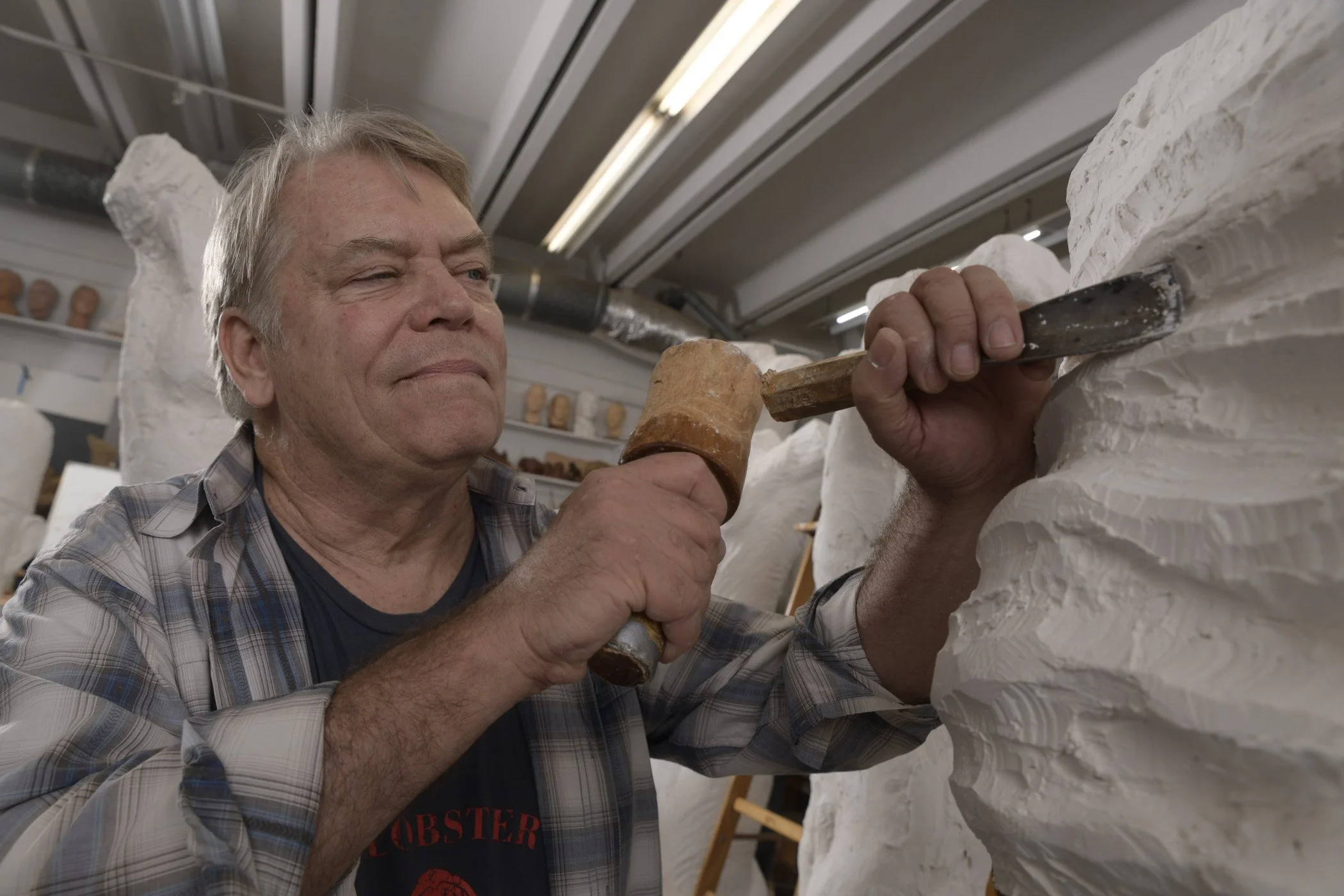
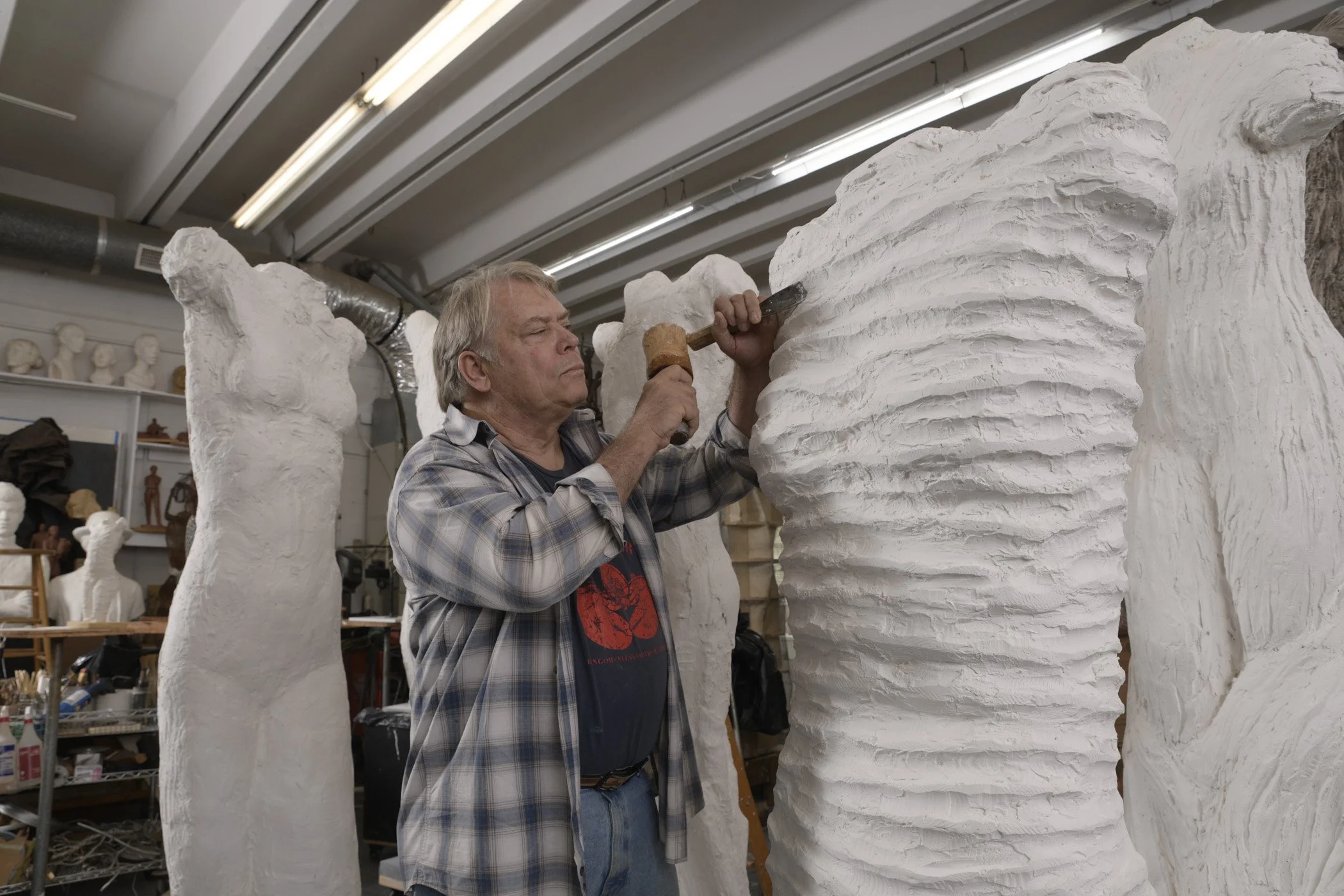
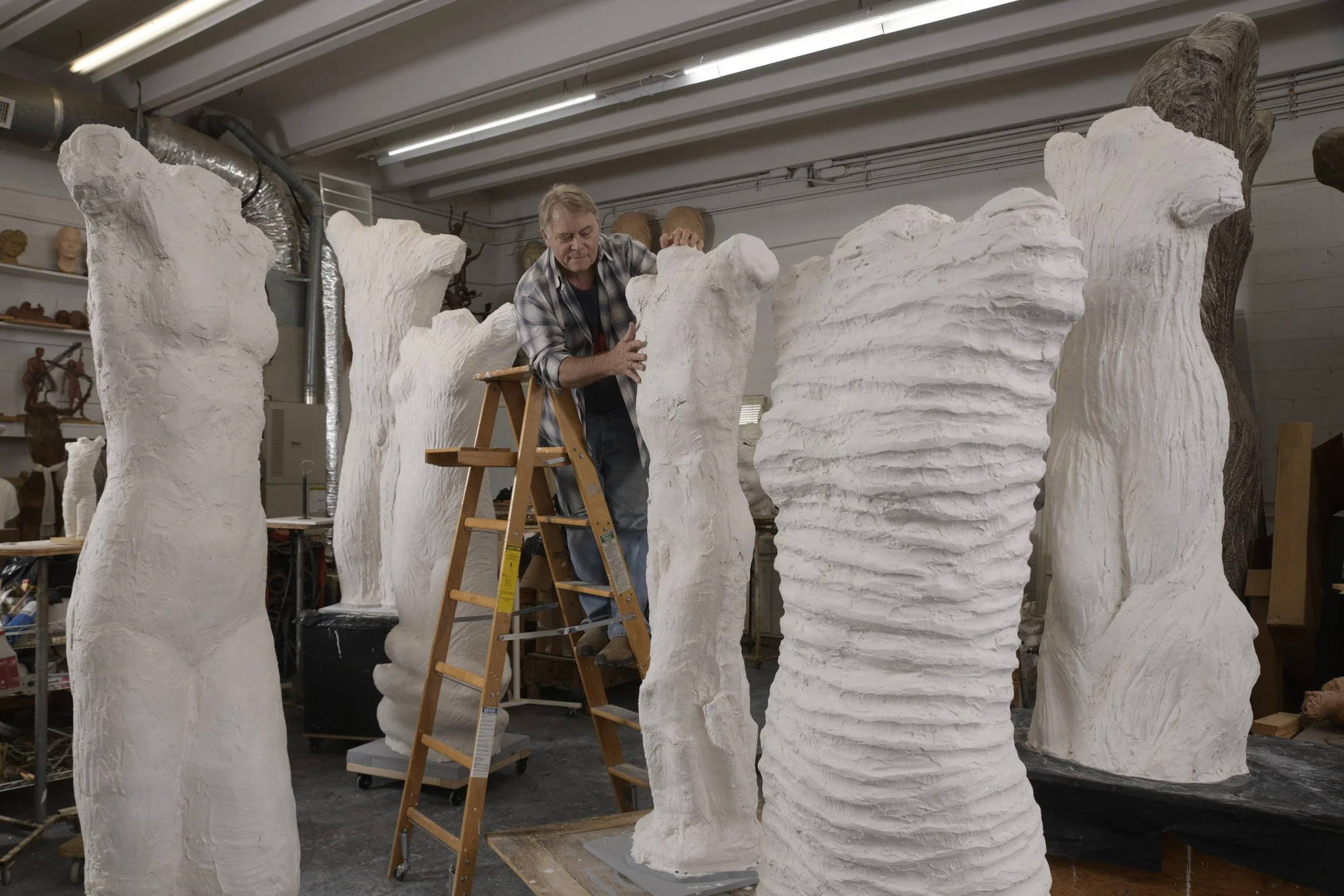
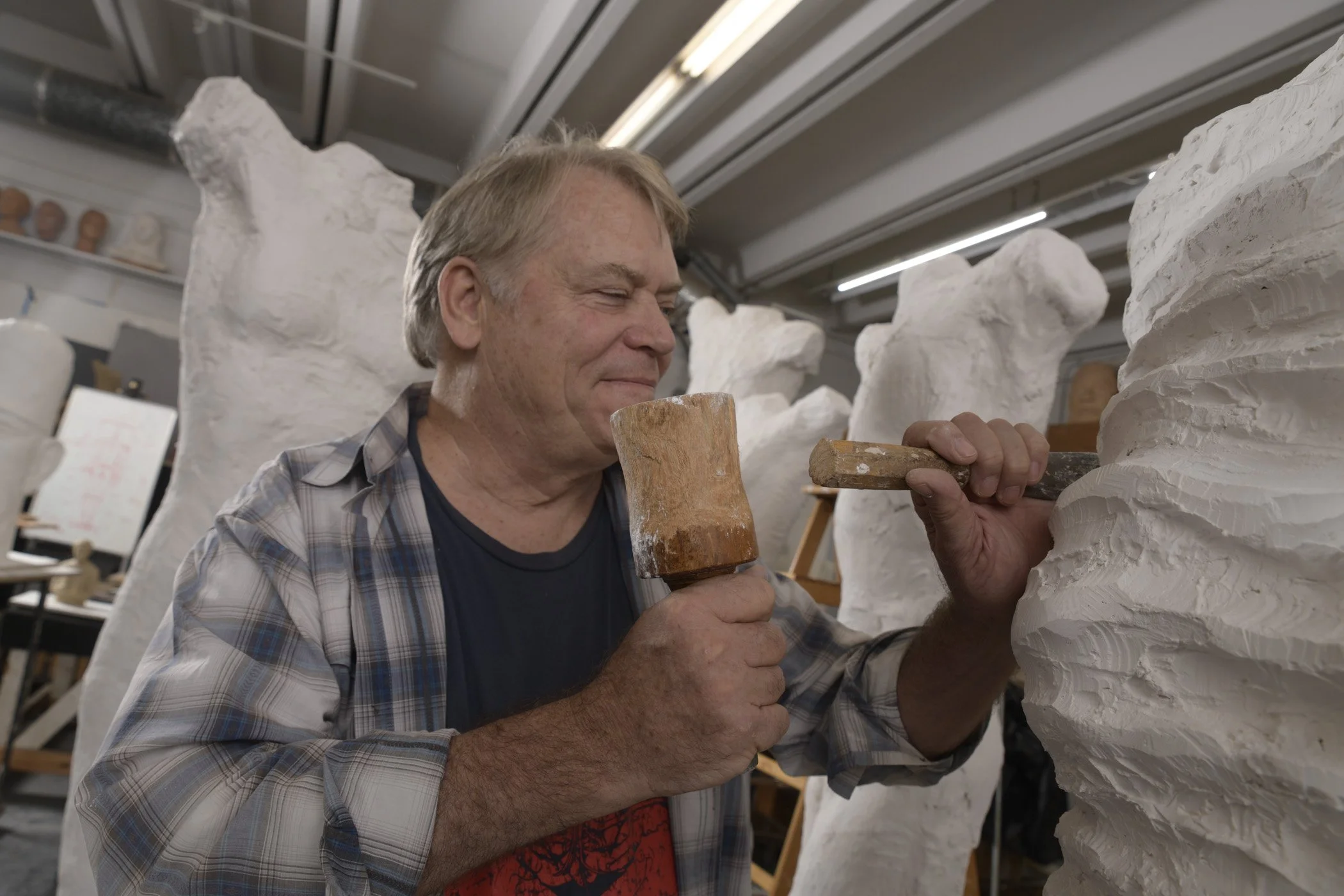
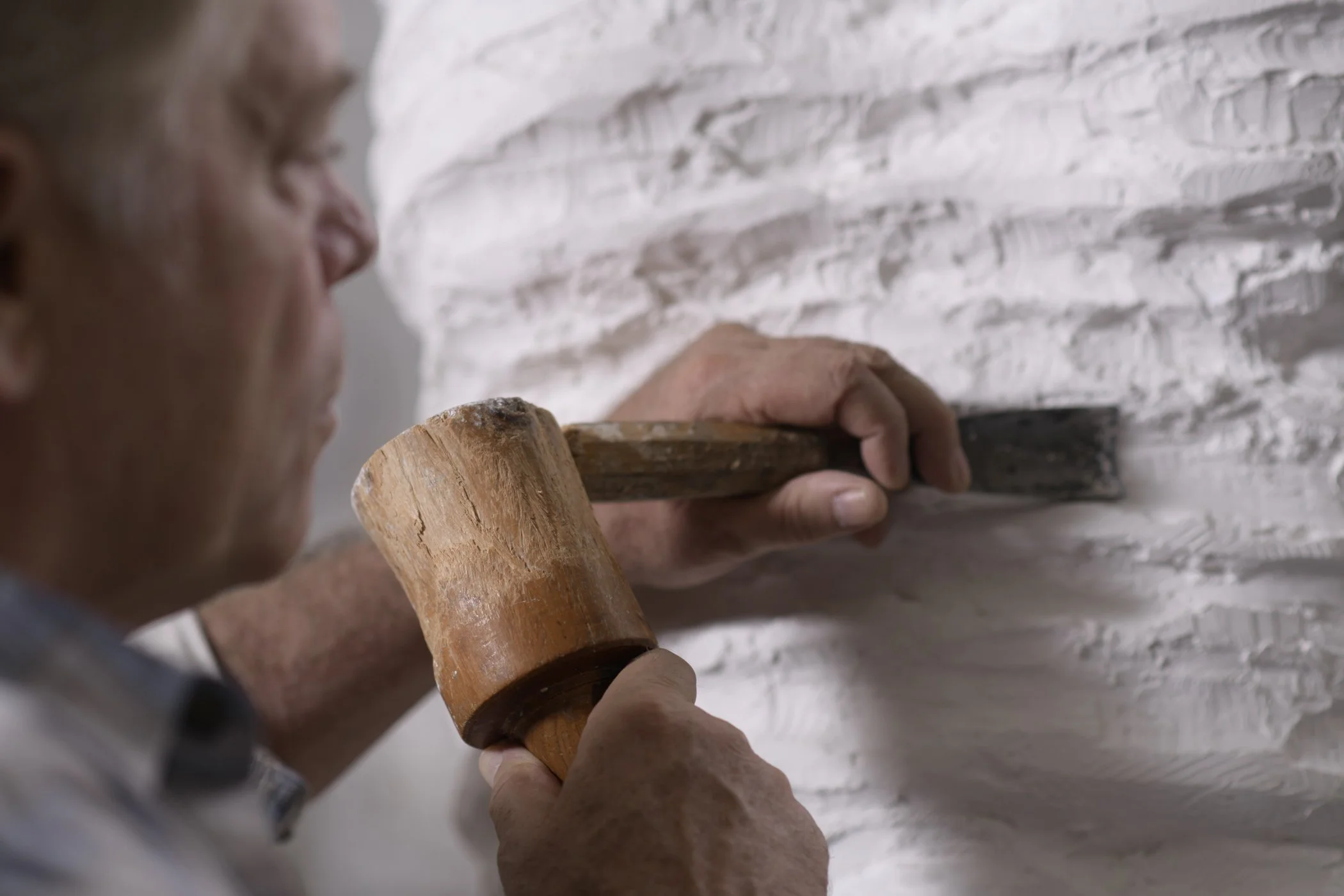
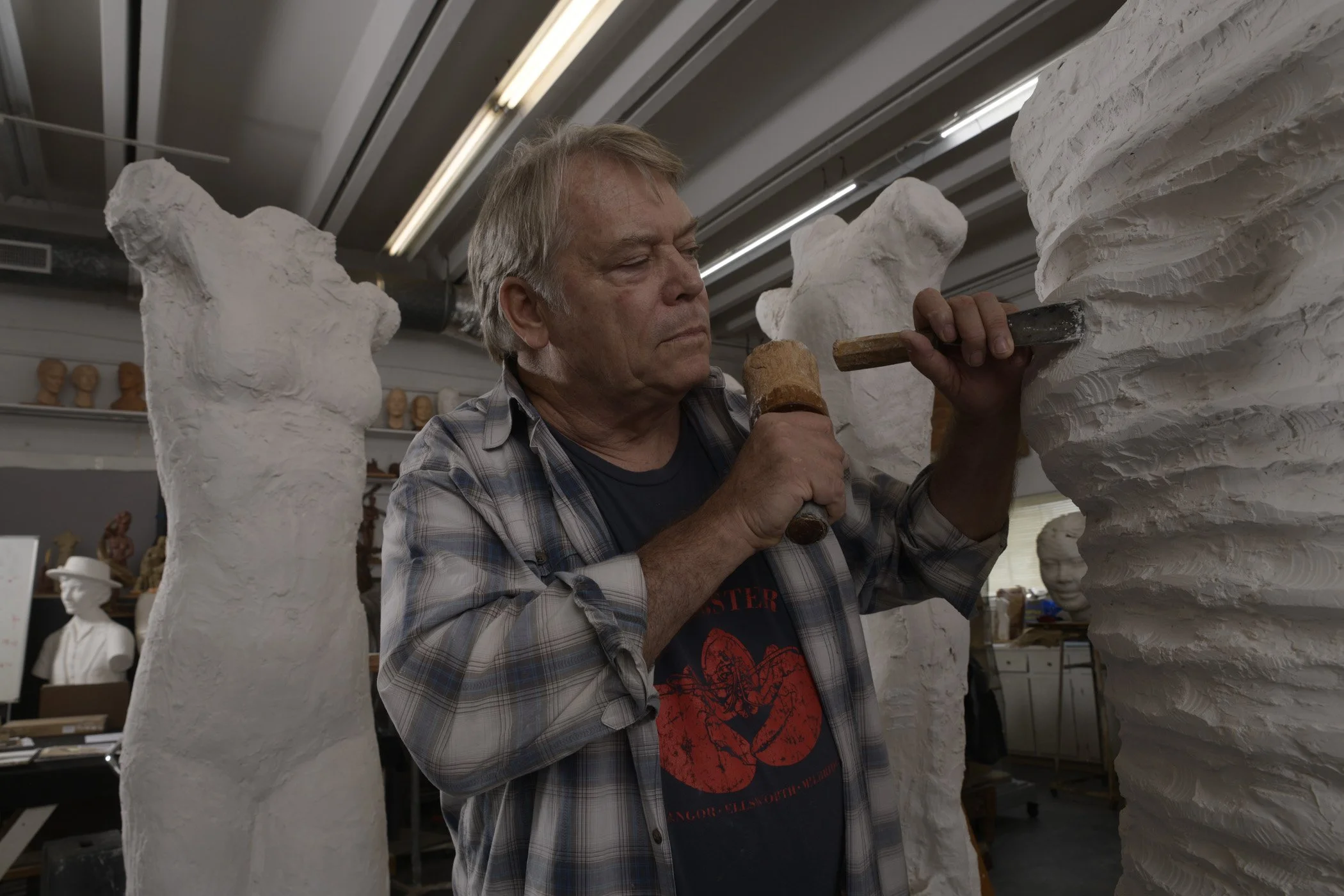
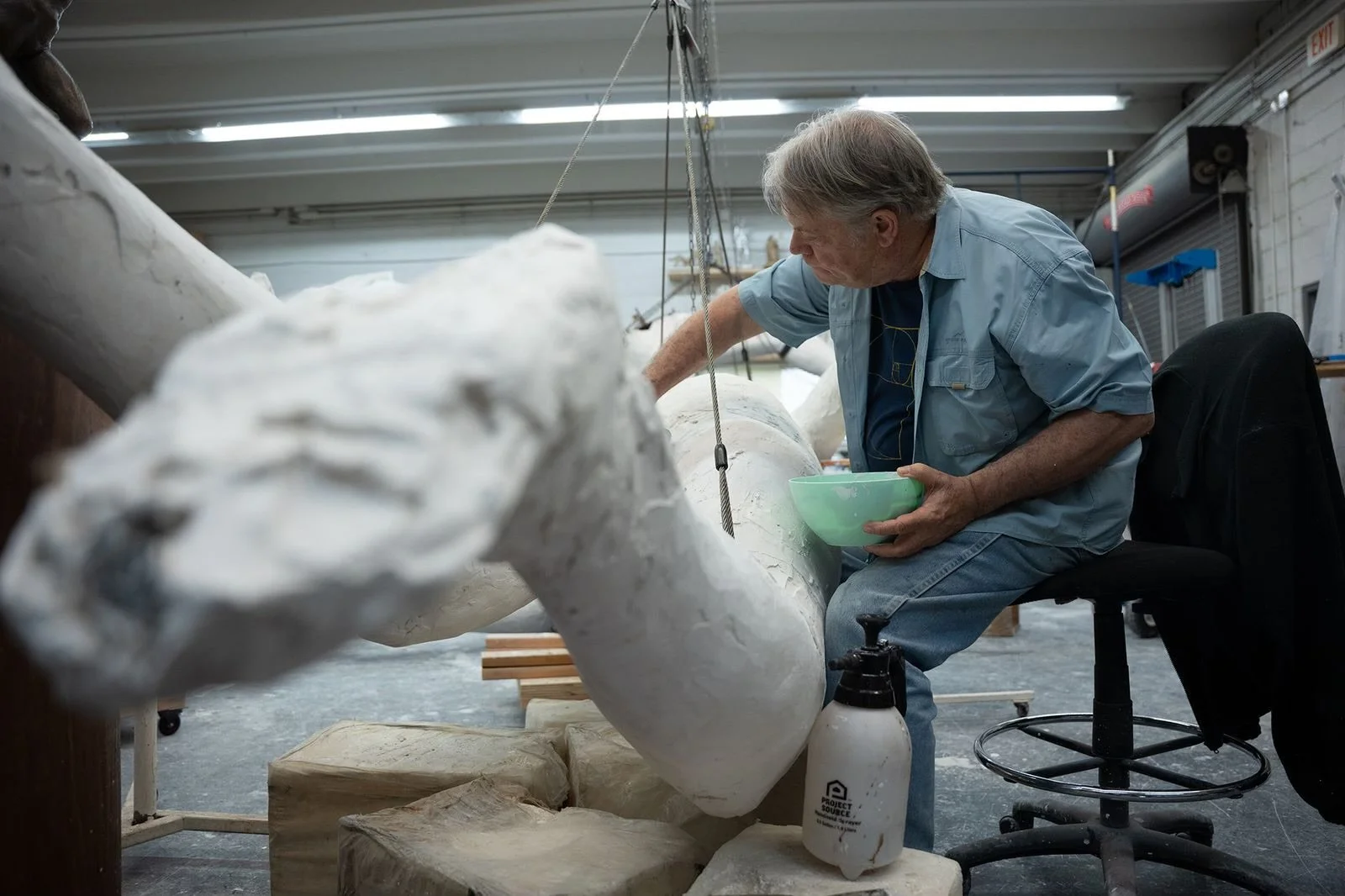
All the work in this exhibit was produced by hand, without the use of computers. The tools for sculpture have changed over the centuries, but only recently have the tools become so powerful that the artist’s hand is no longer necessary. Most of the skills that I learned as a young man are no longer taught, and sculptors all over the world, if they can afford it, are scanning objects or people, manipulating three-dimensional files on a computer, and having those objects produced mechanically. I am impressed with the technology as much as anyone, but for me the satisfaction of making sculpture is physical as well as mental. I believe that the engagement of one’s body affects one’s perception of form in space, and sculpting requires physical involvement, otherwise there is no craftsmanship.
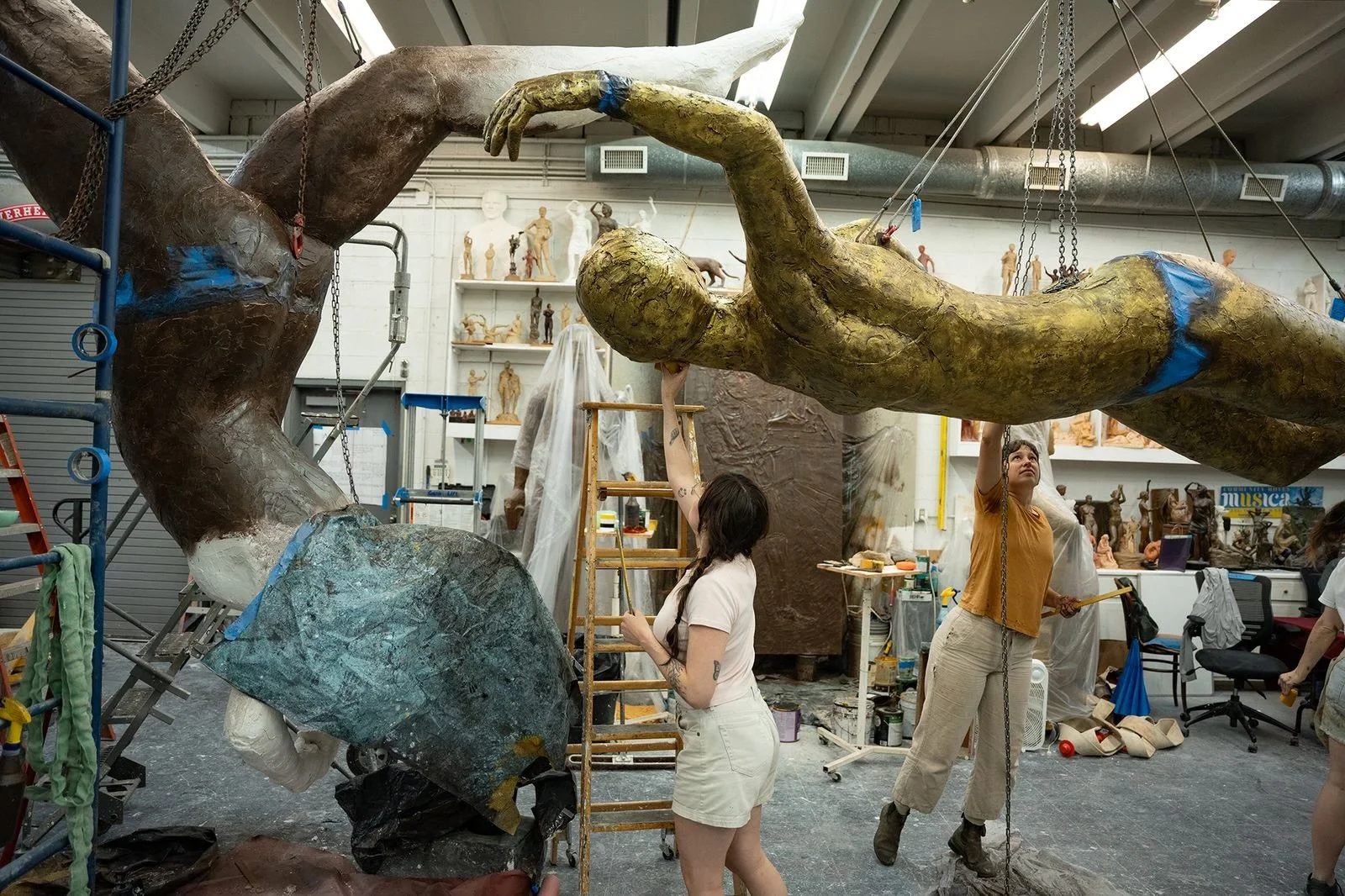
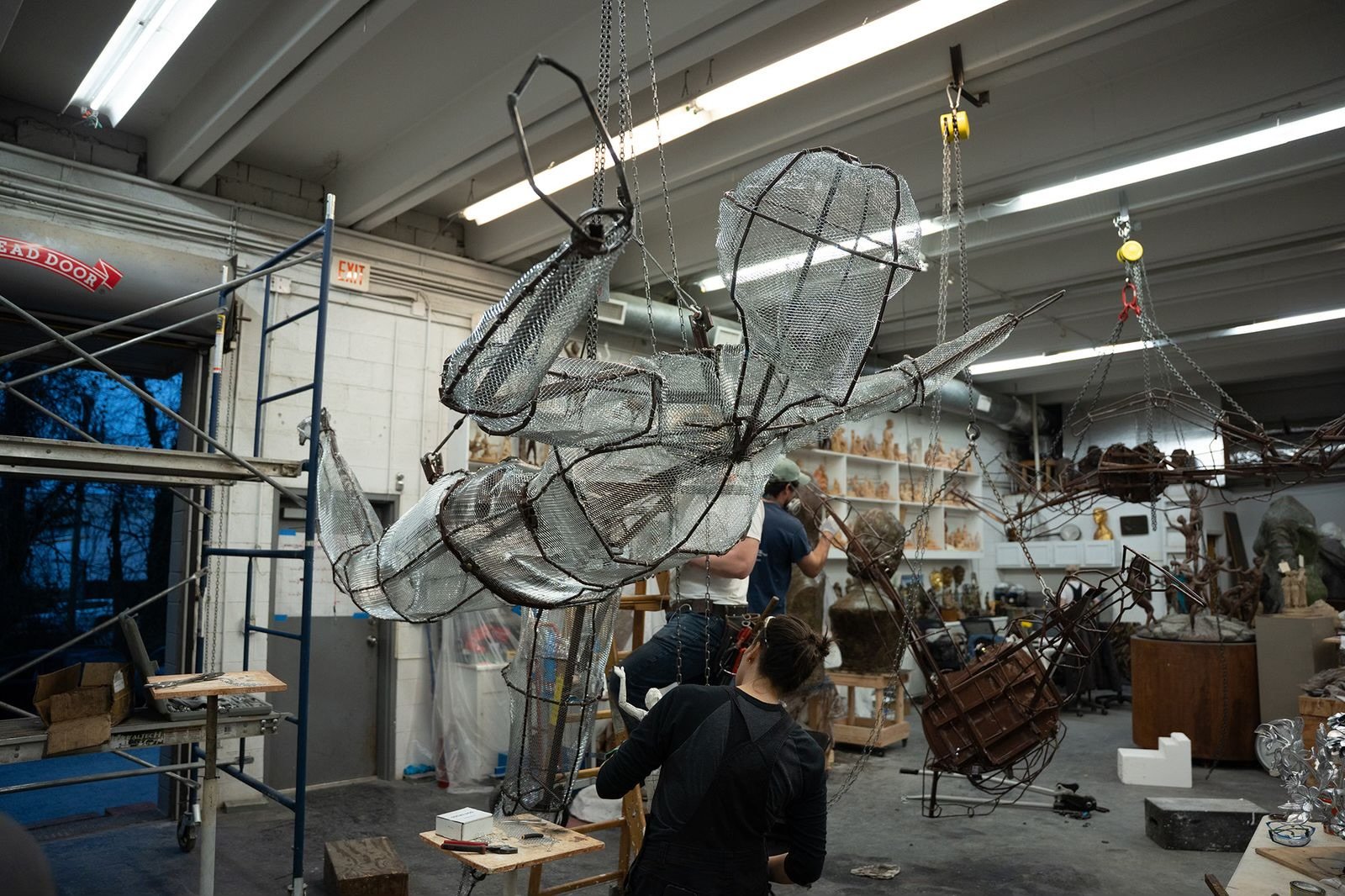
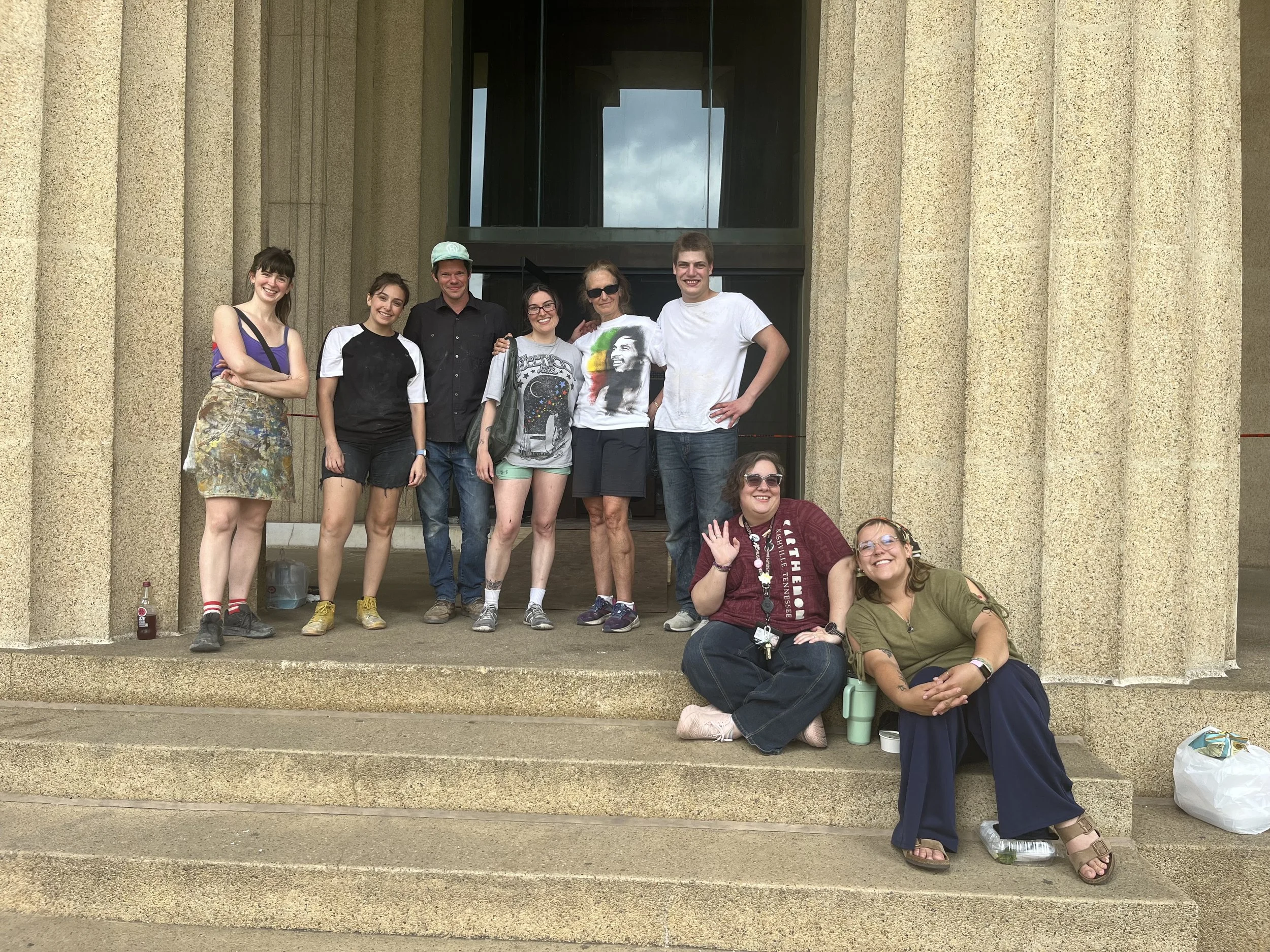
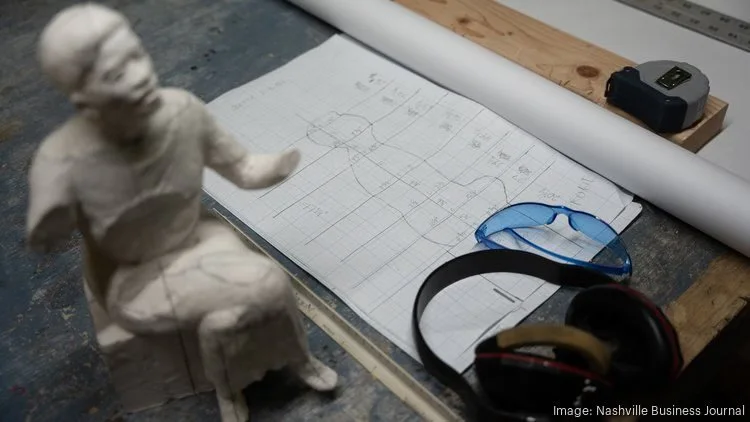
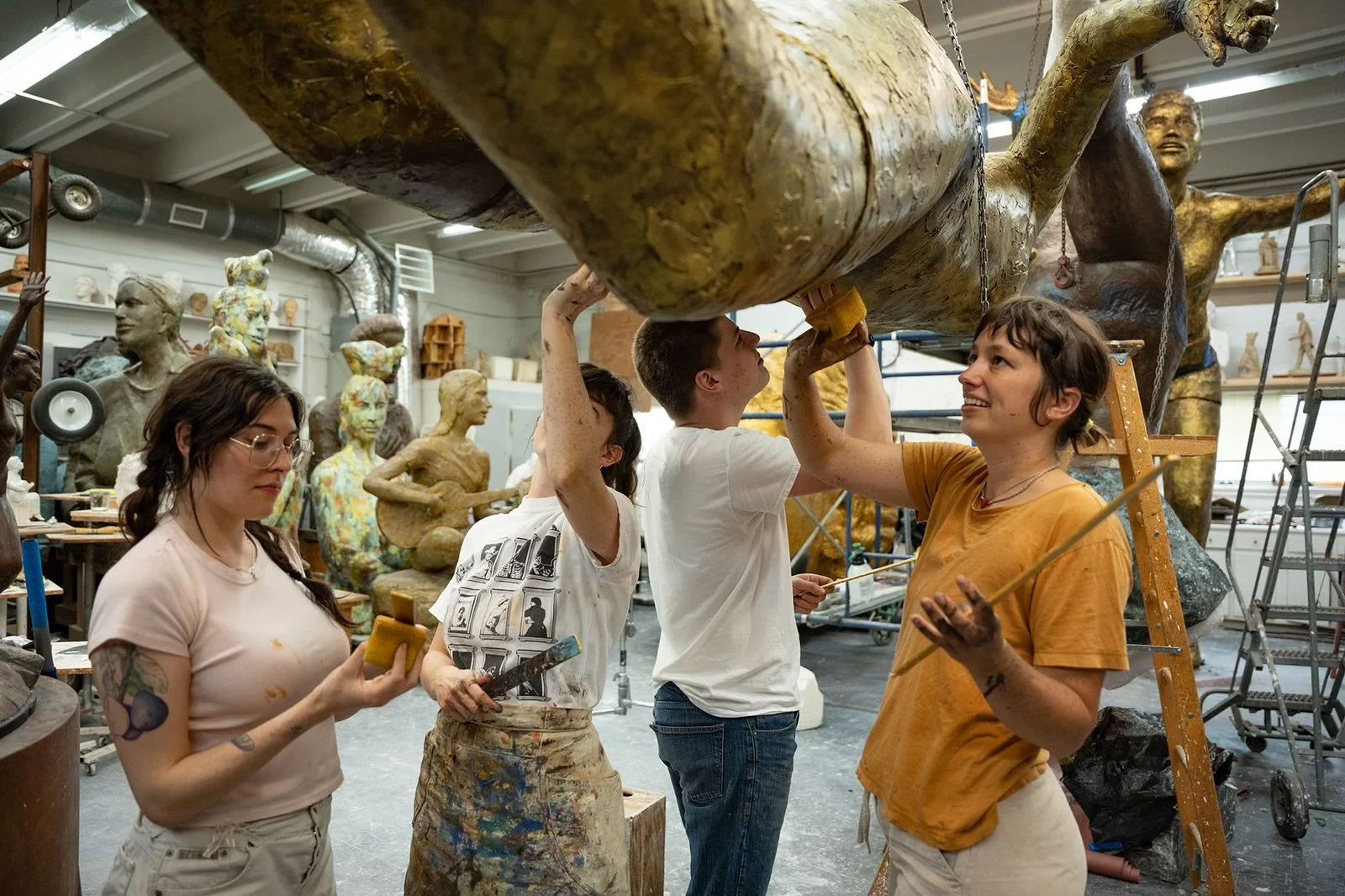
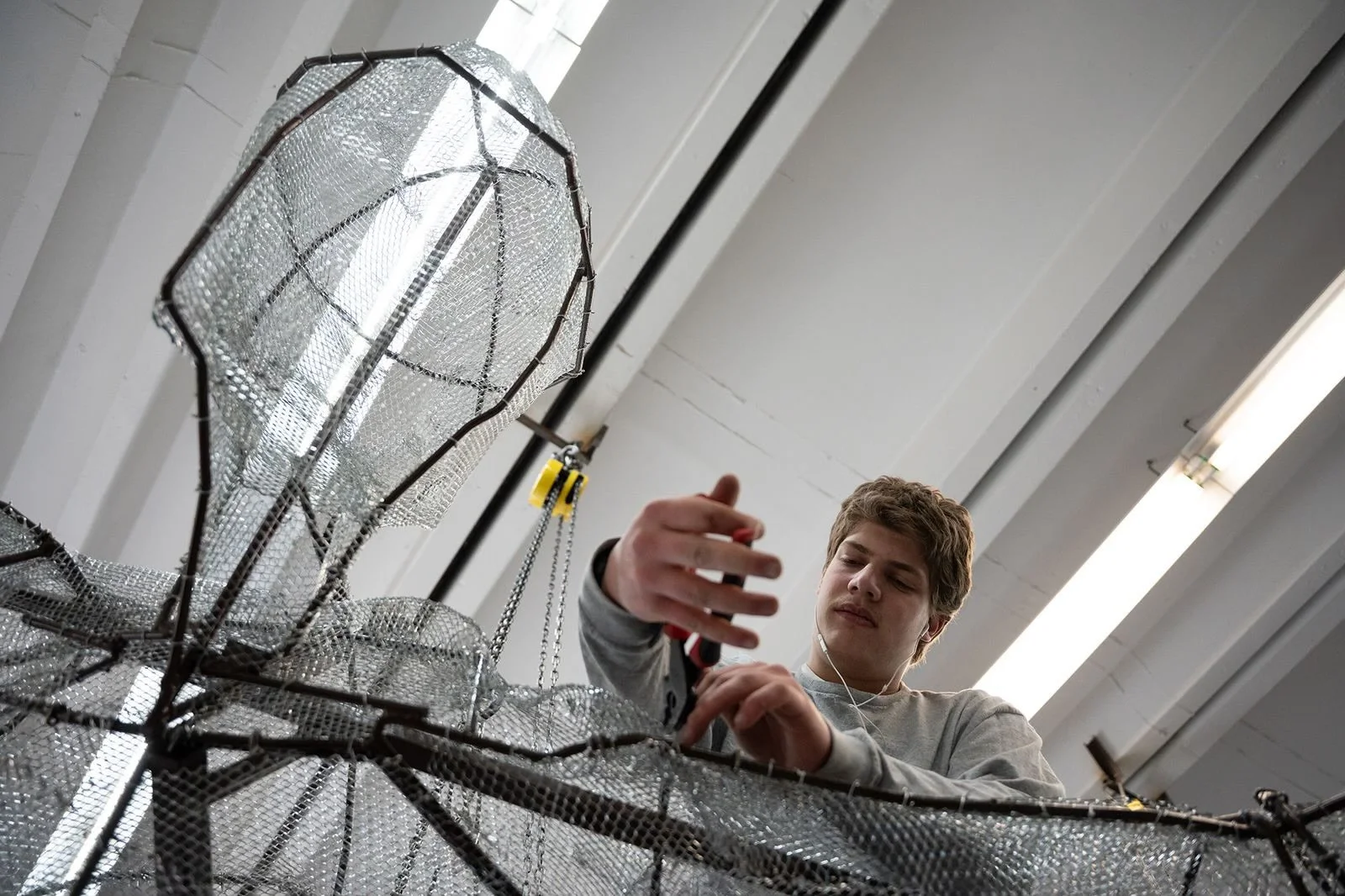
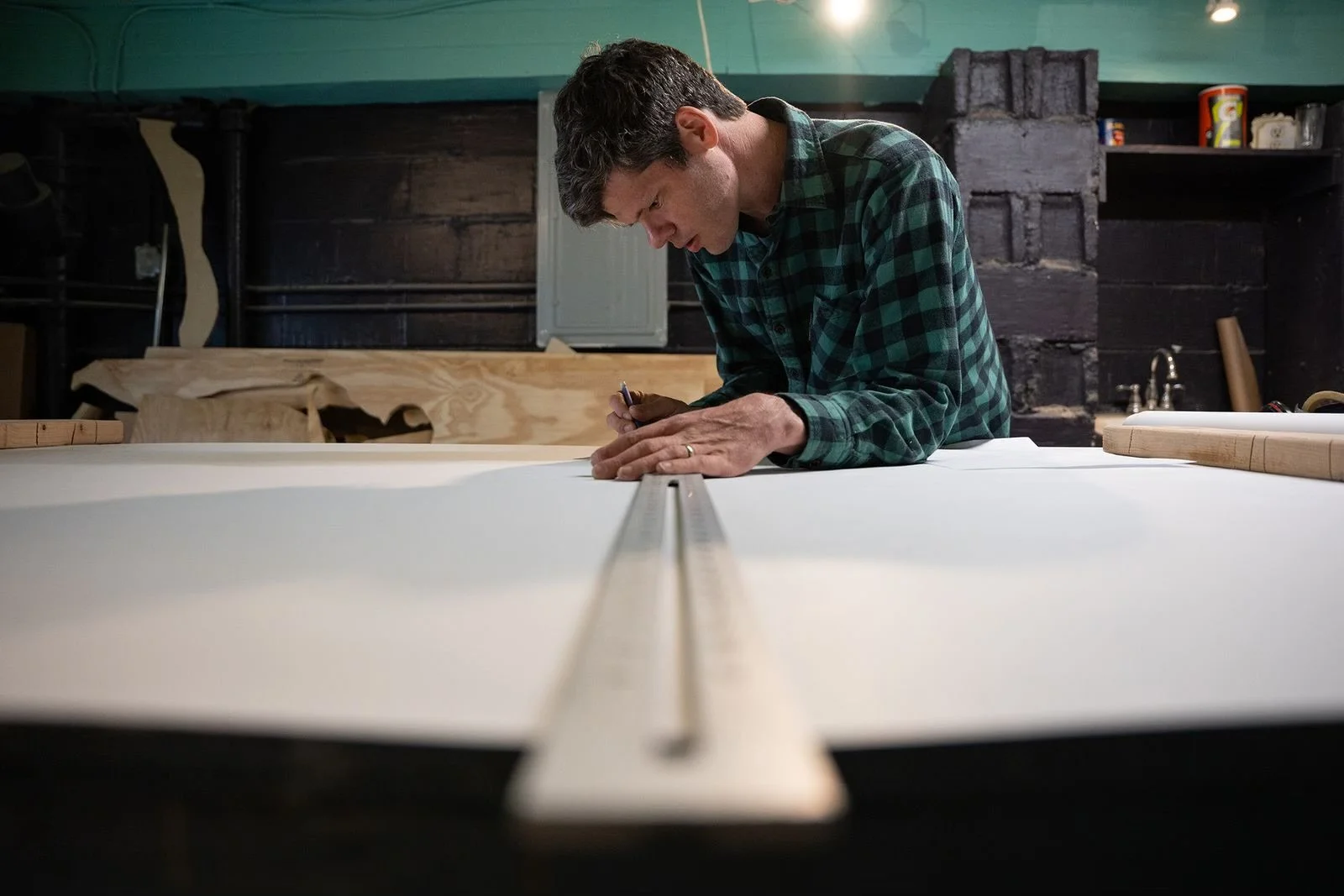
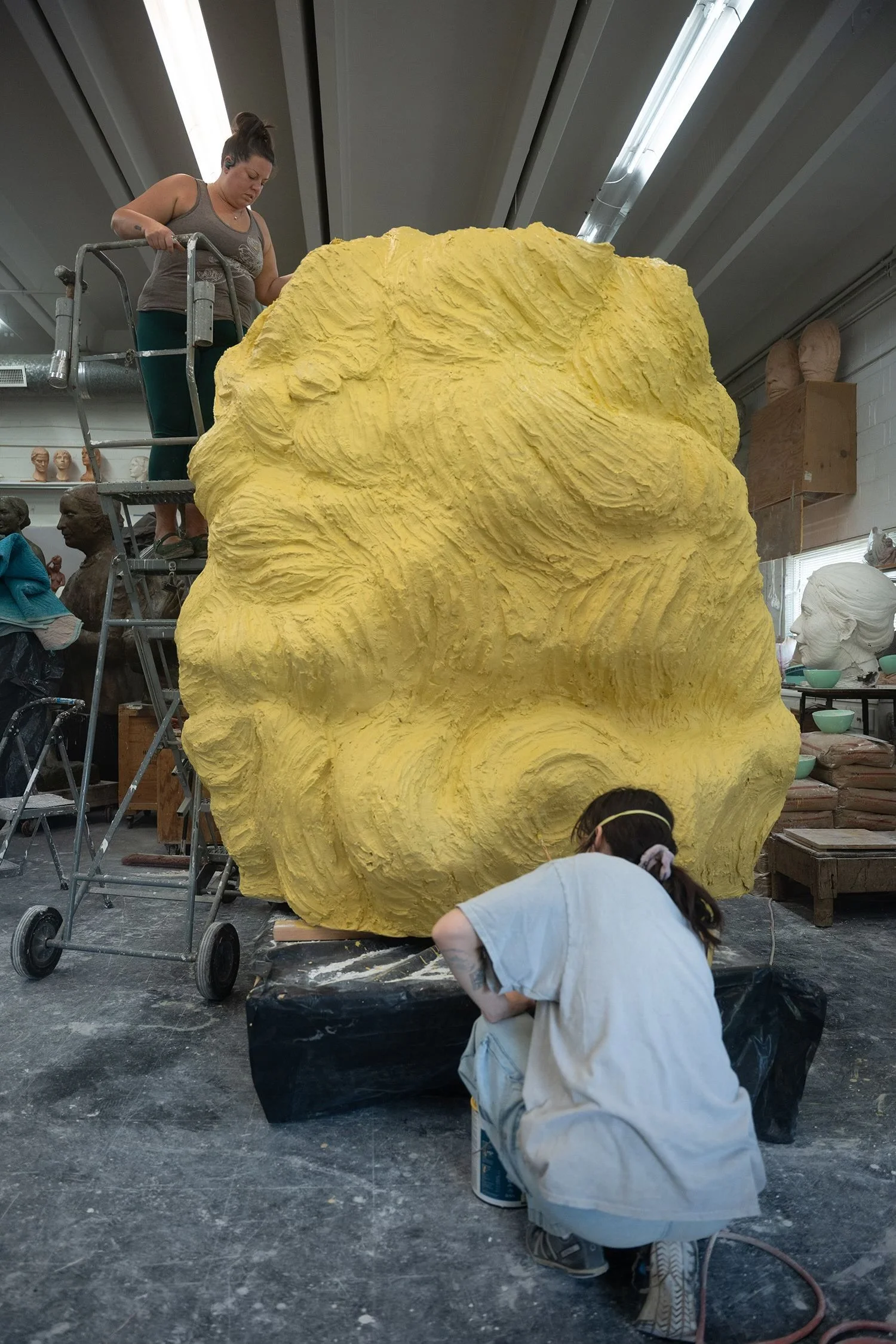
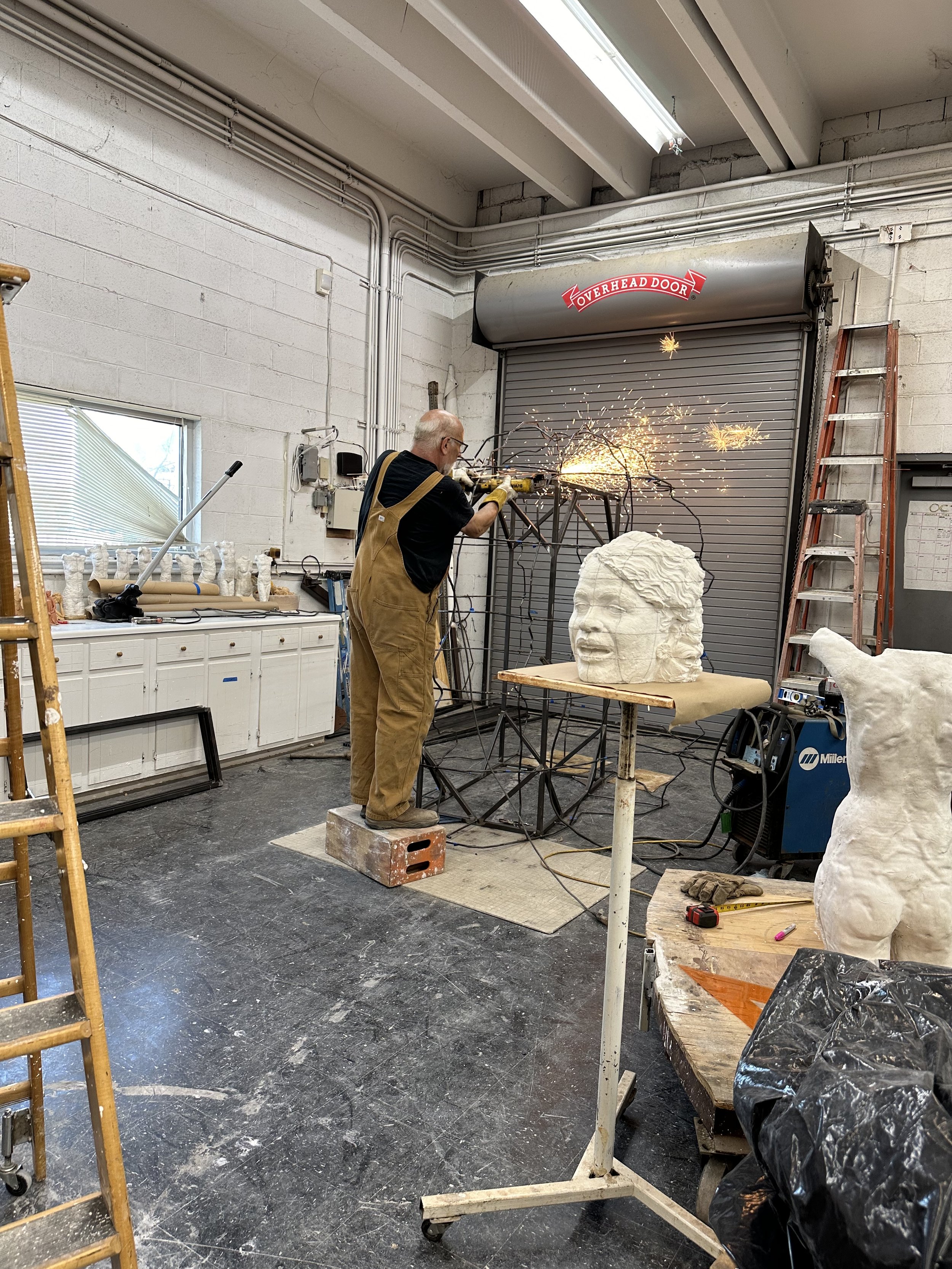
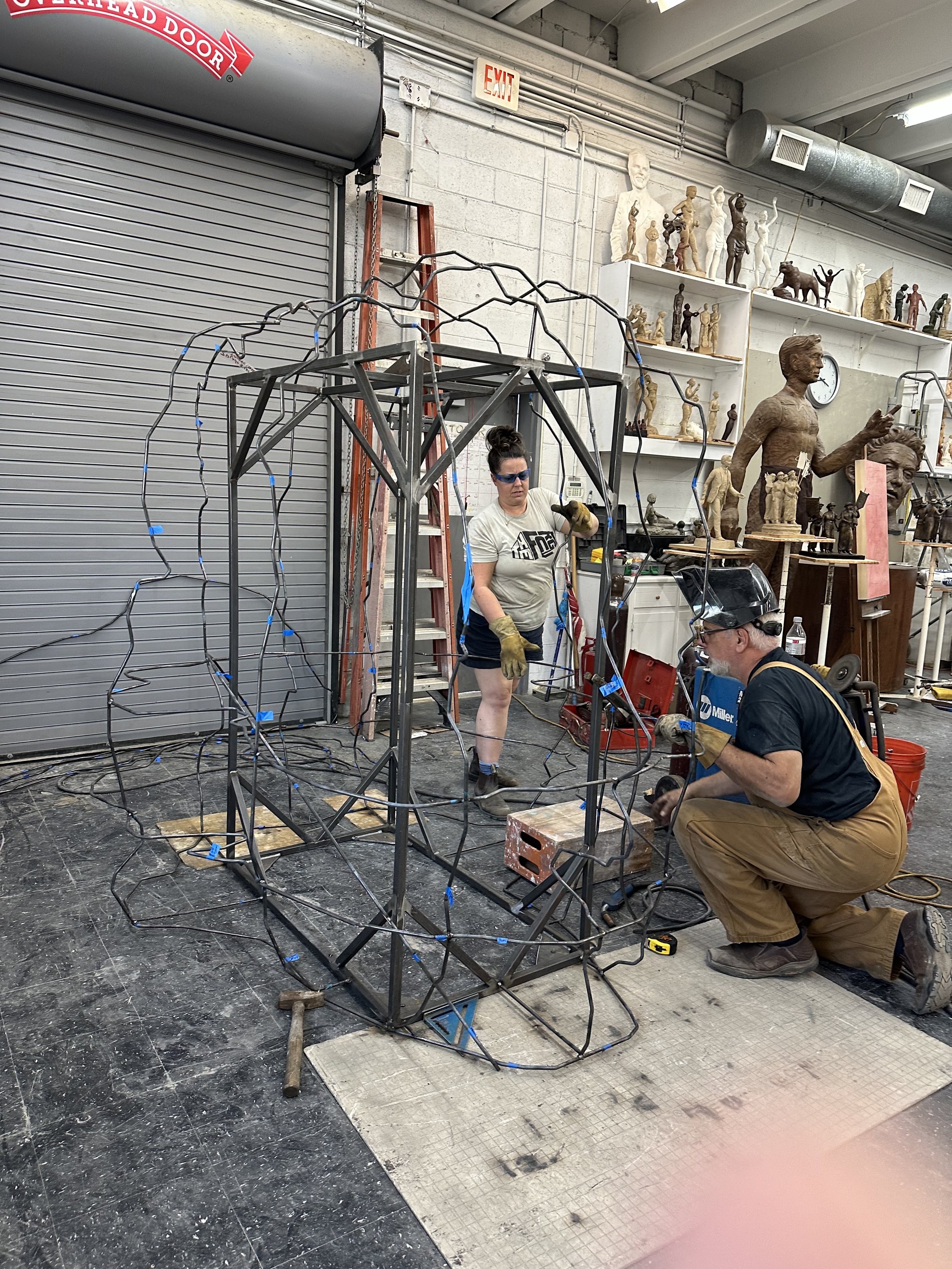
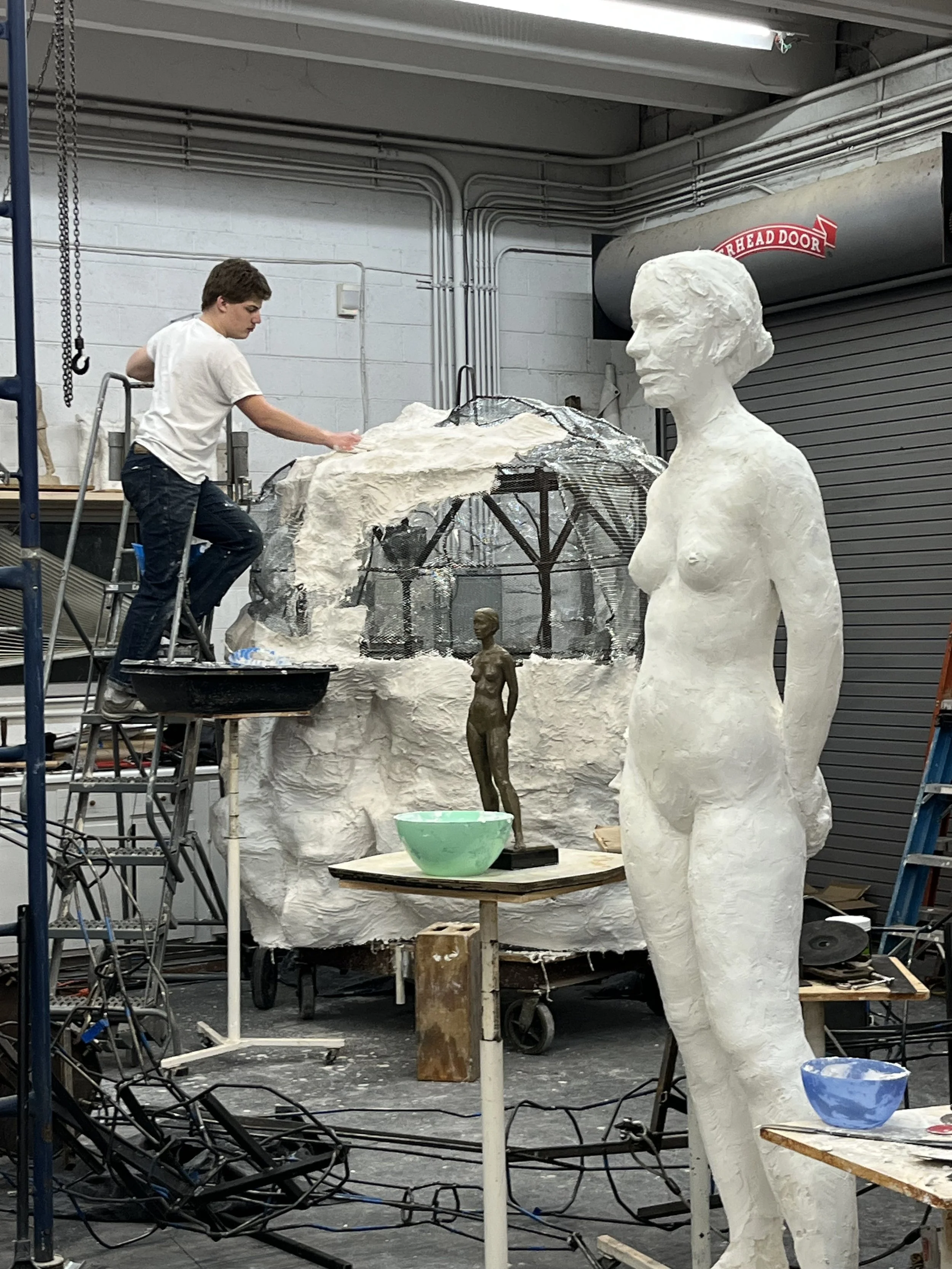
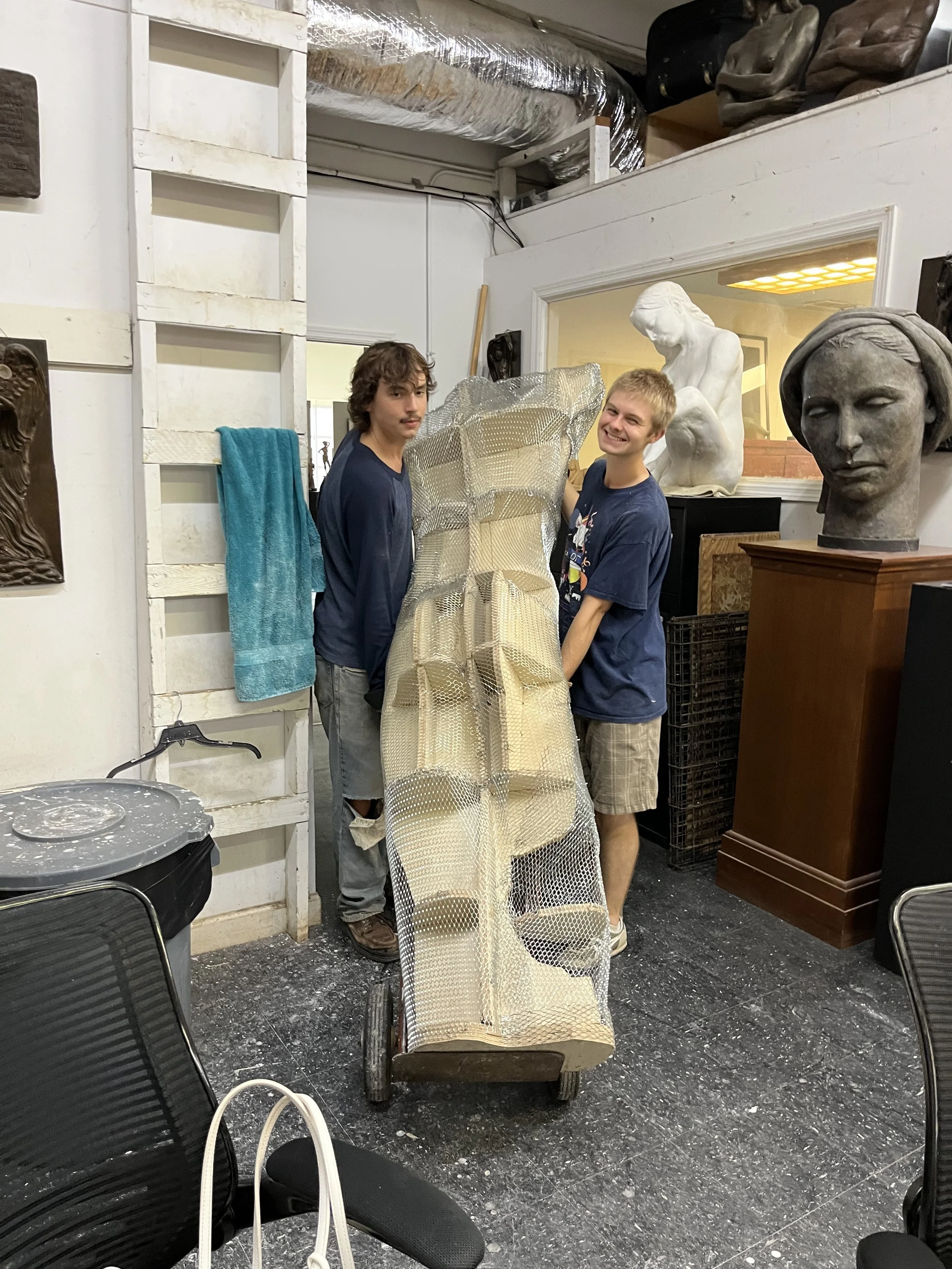
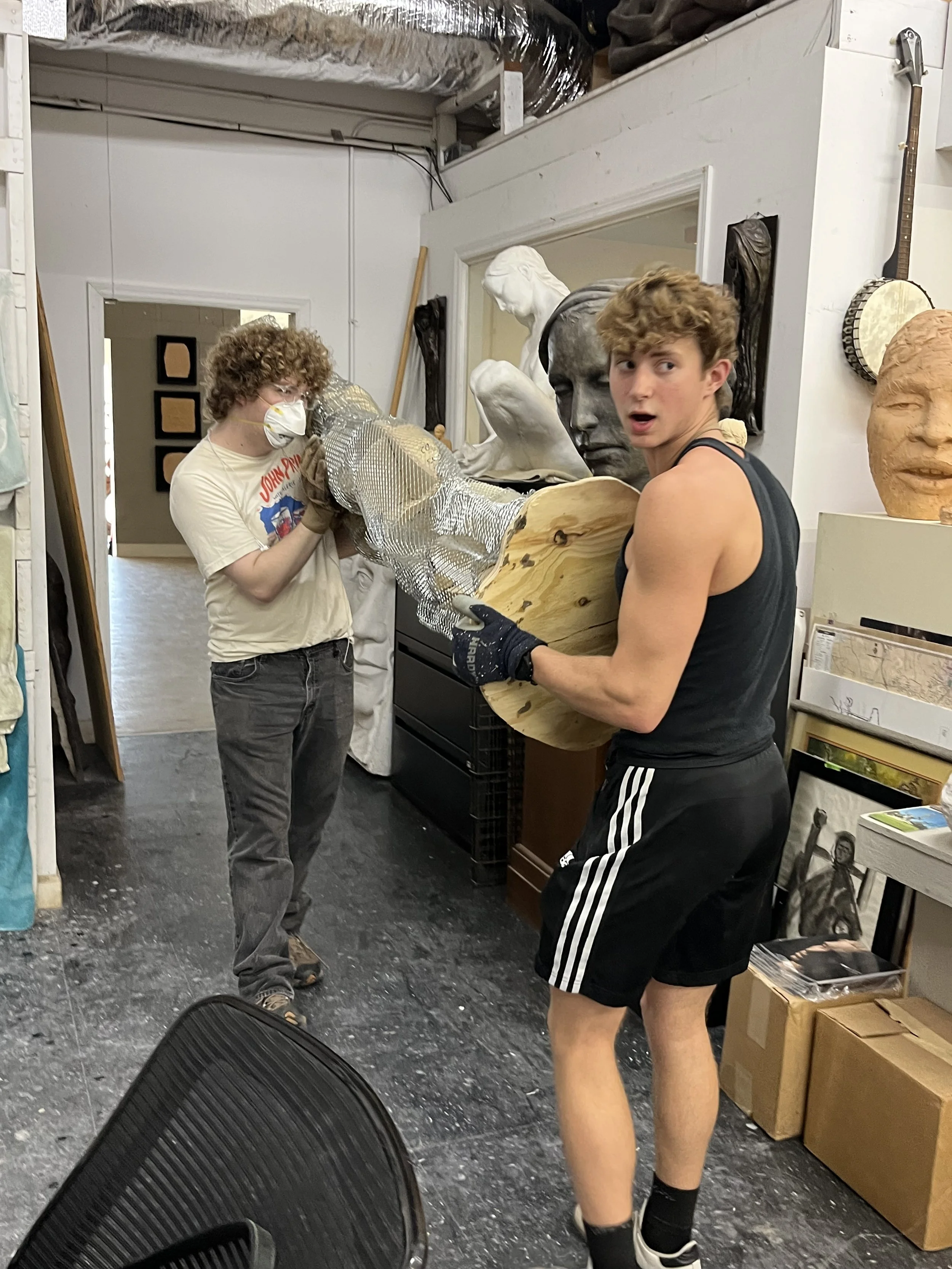
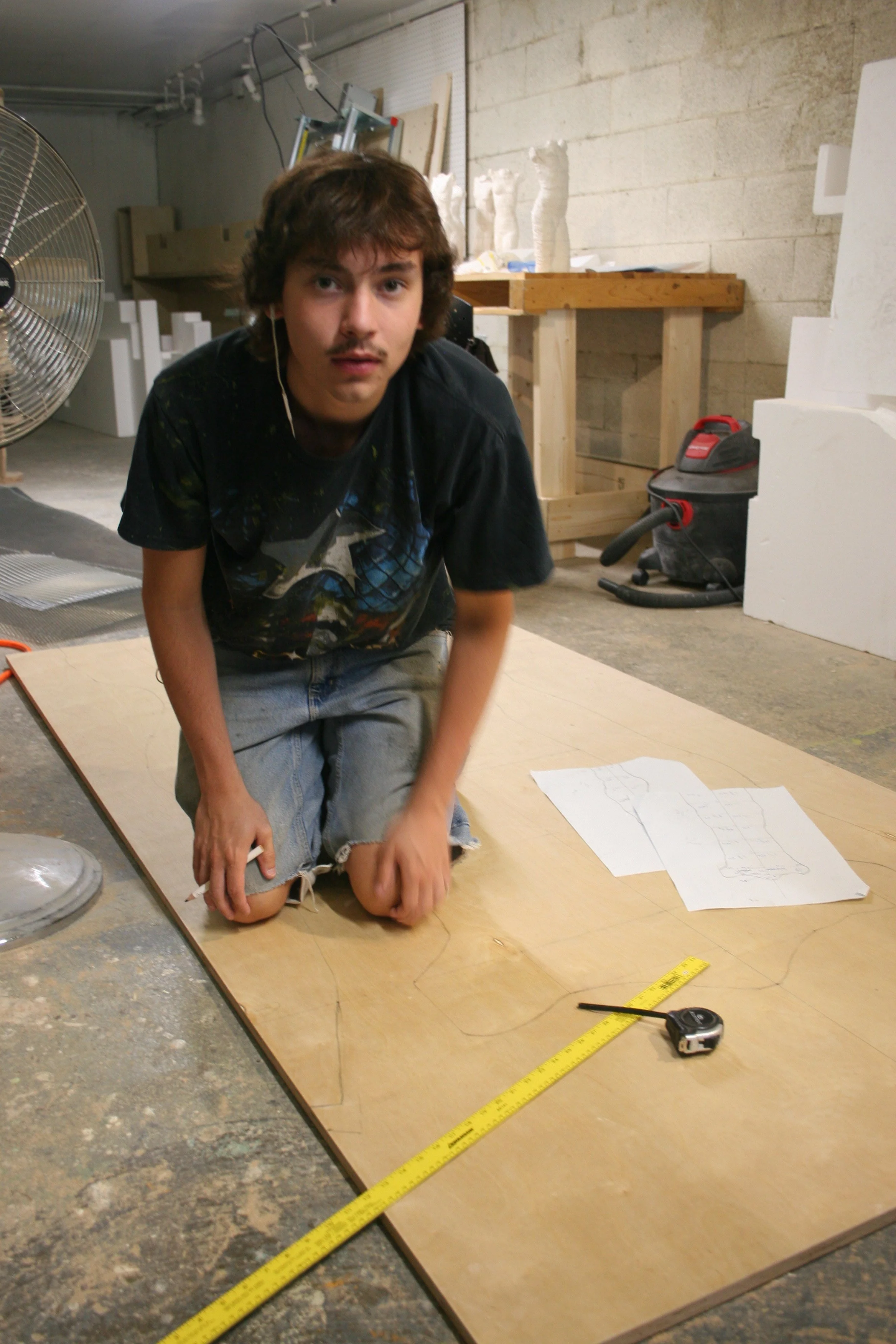
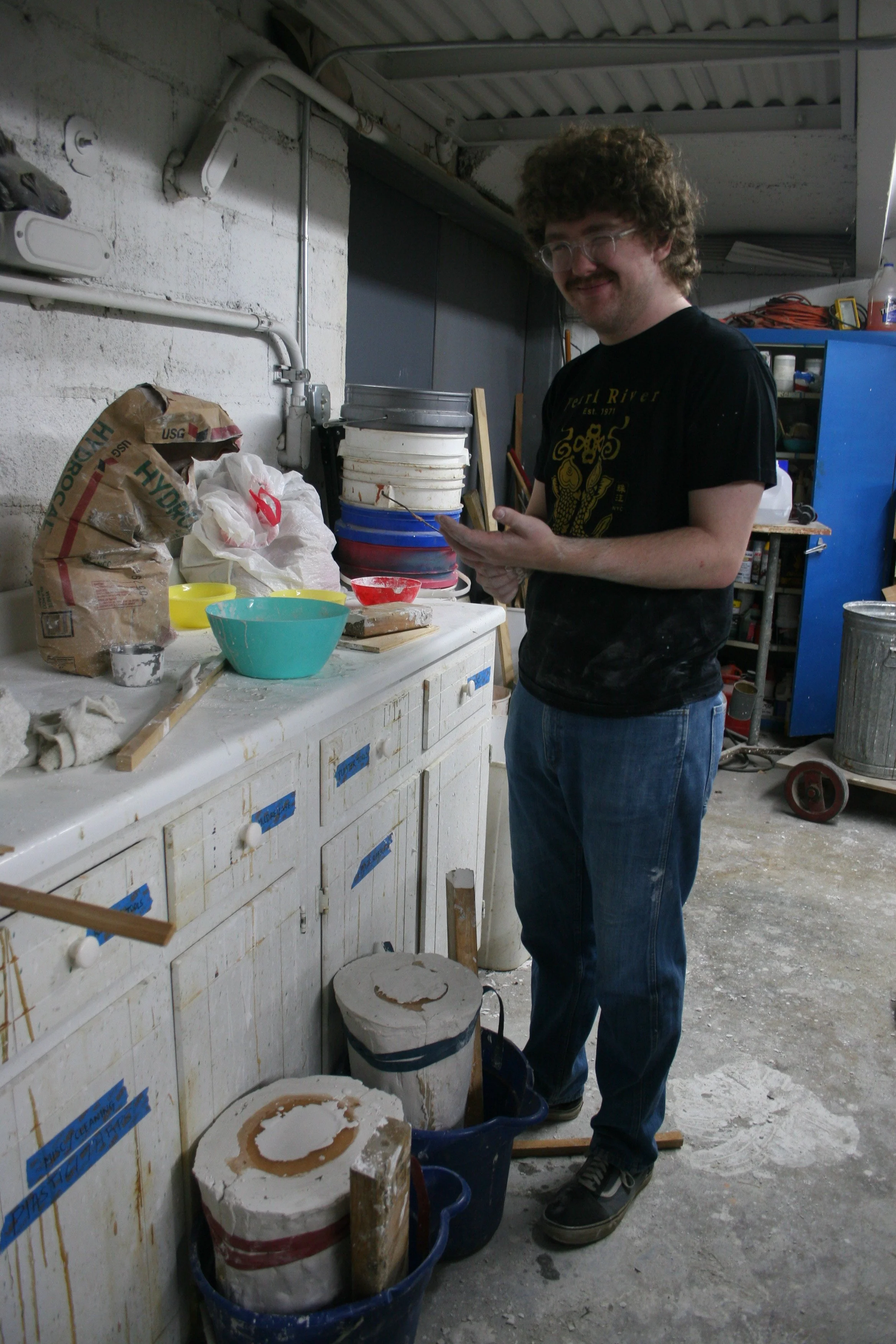
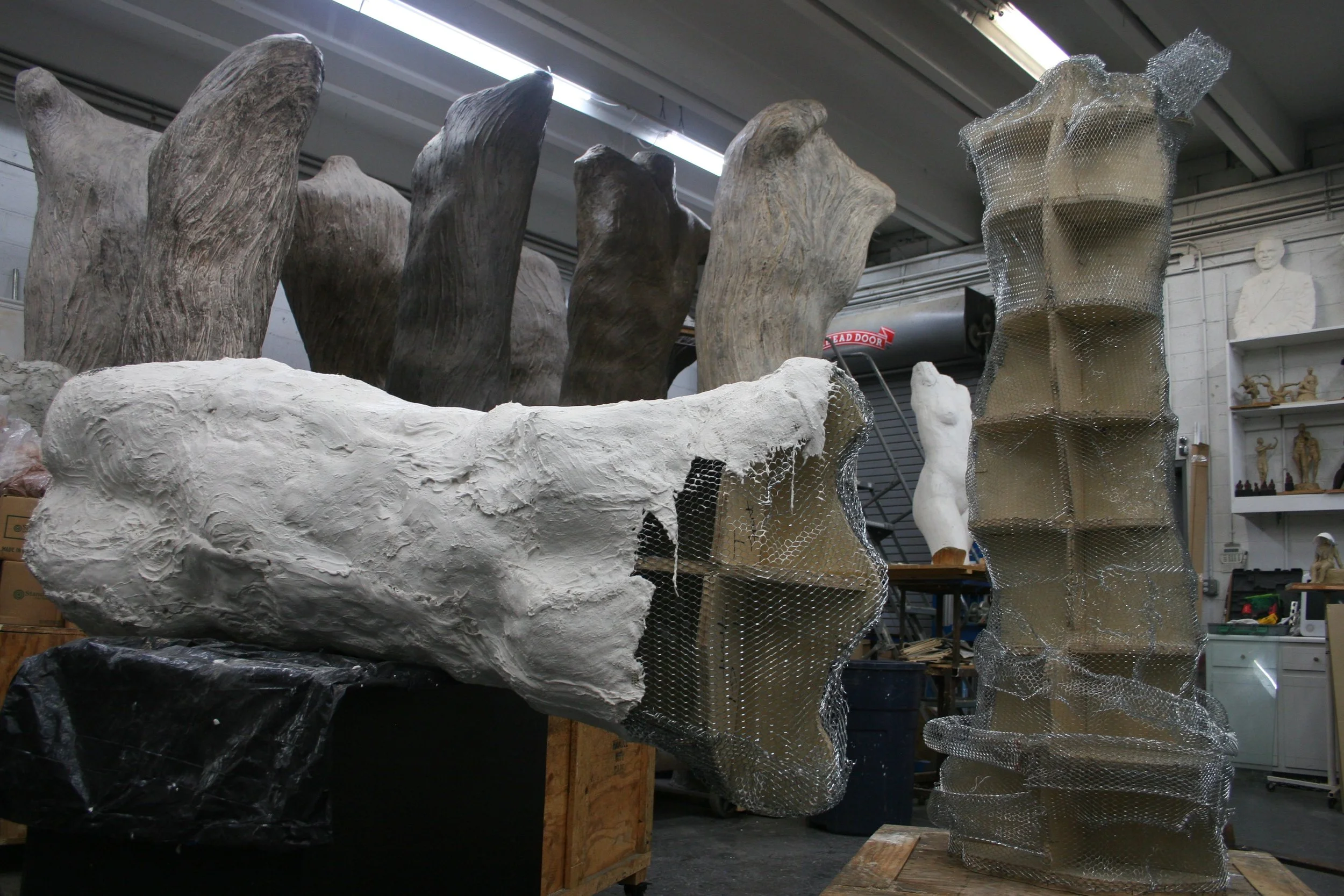
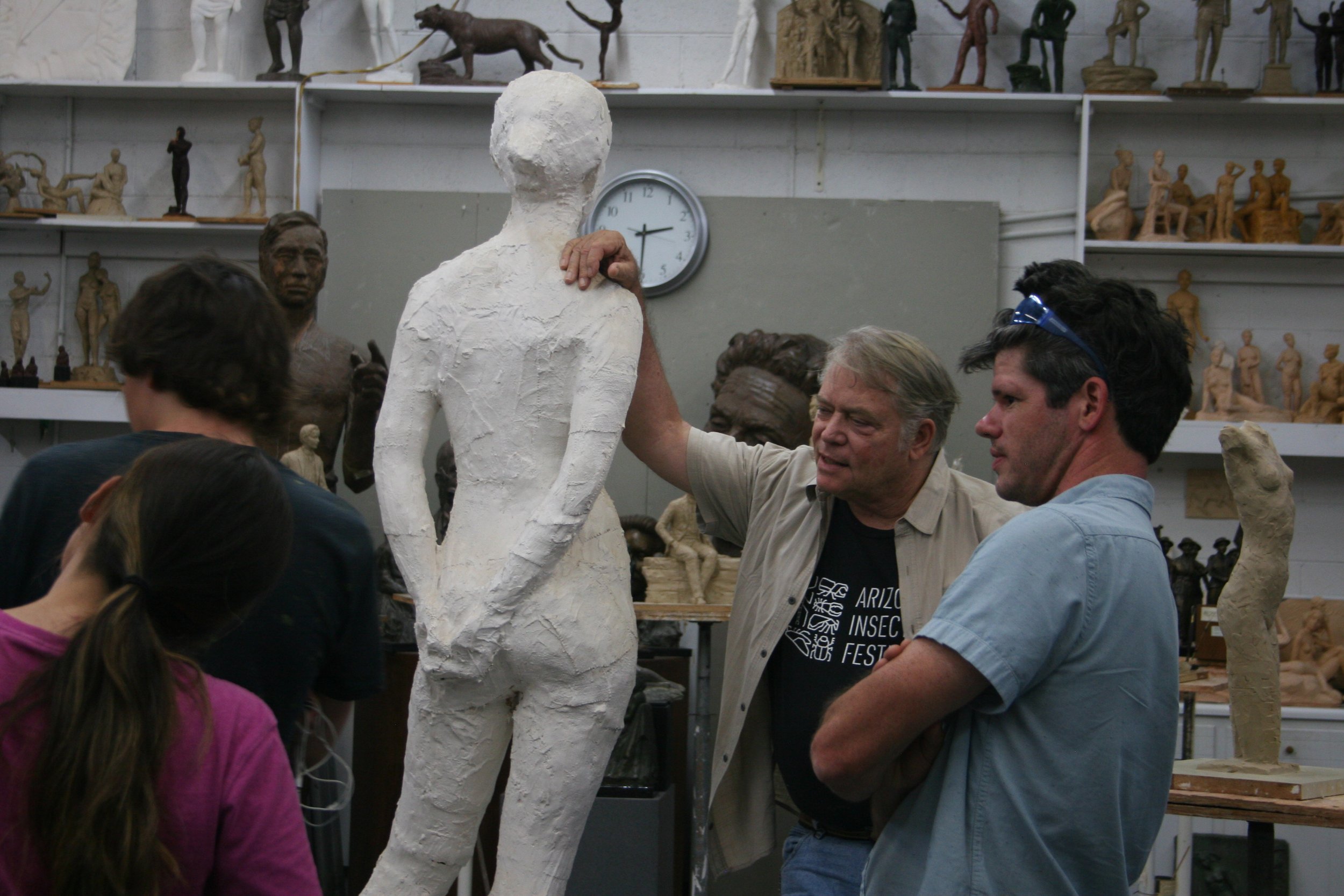
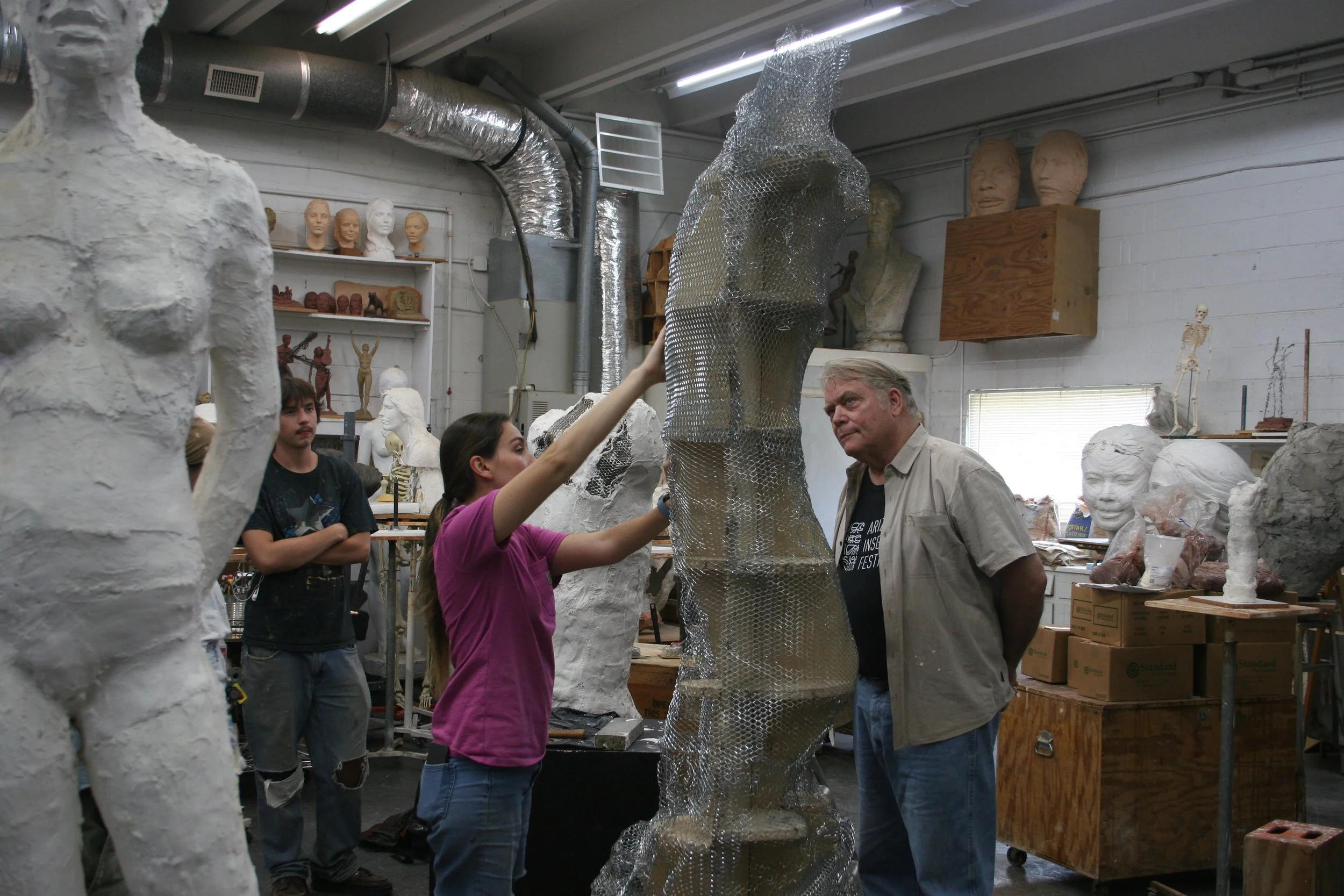
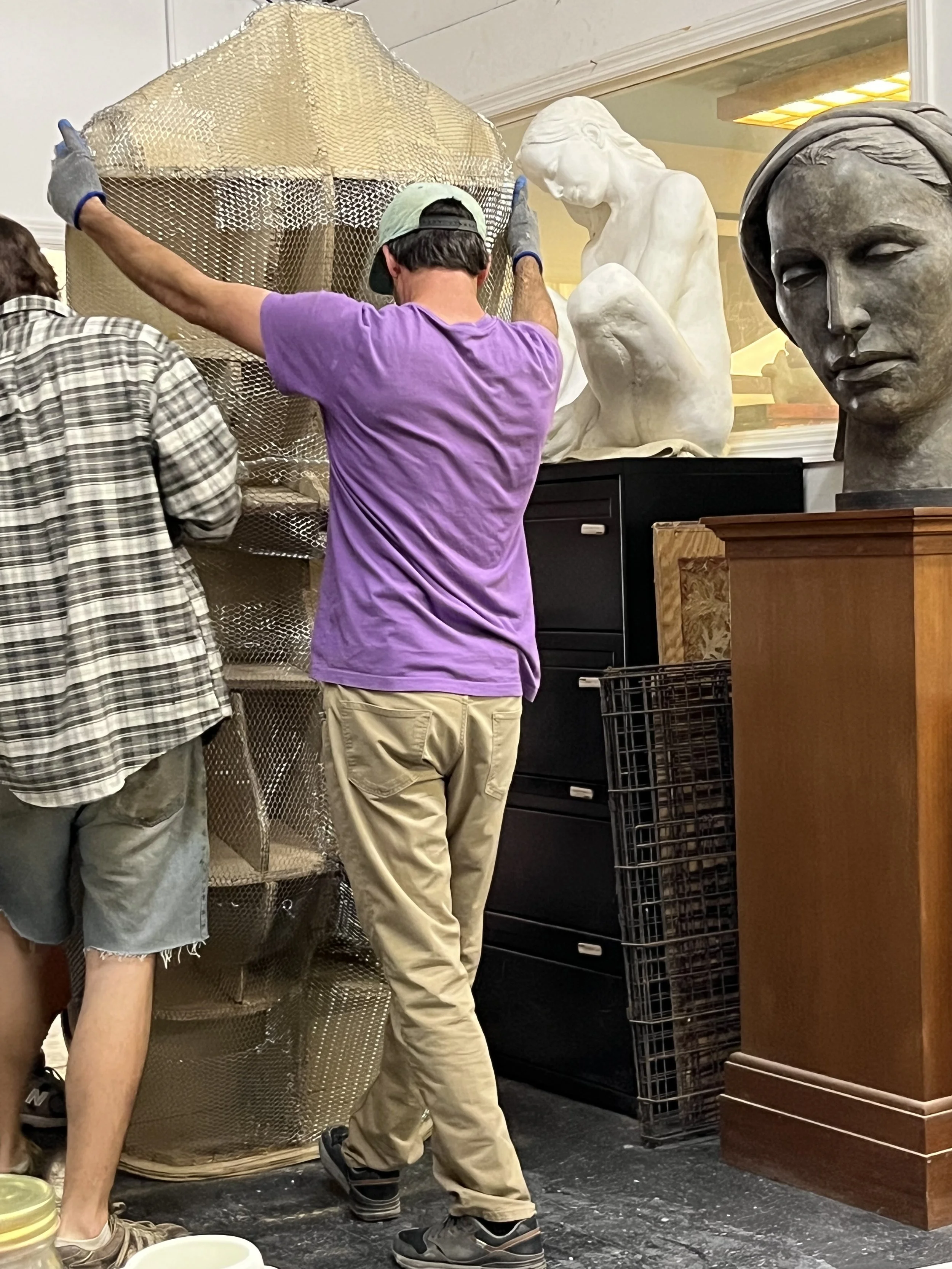
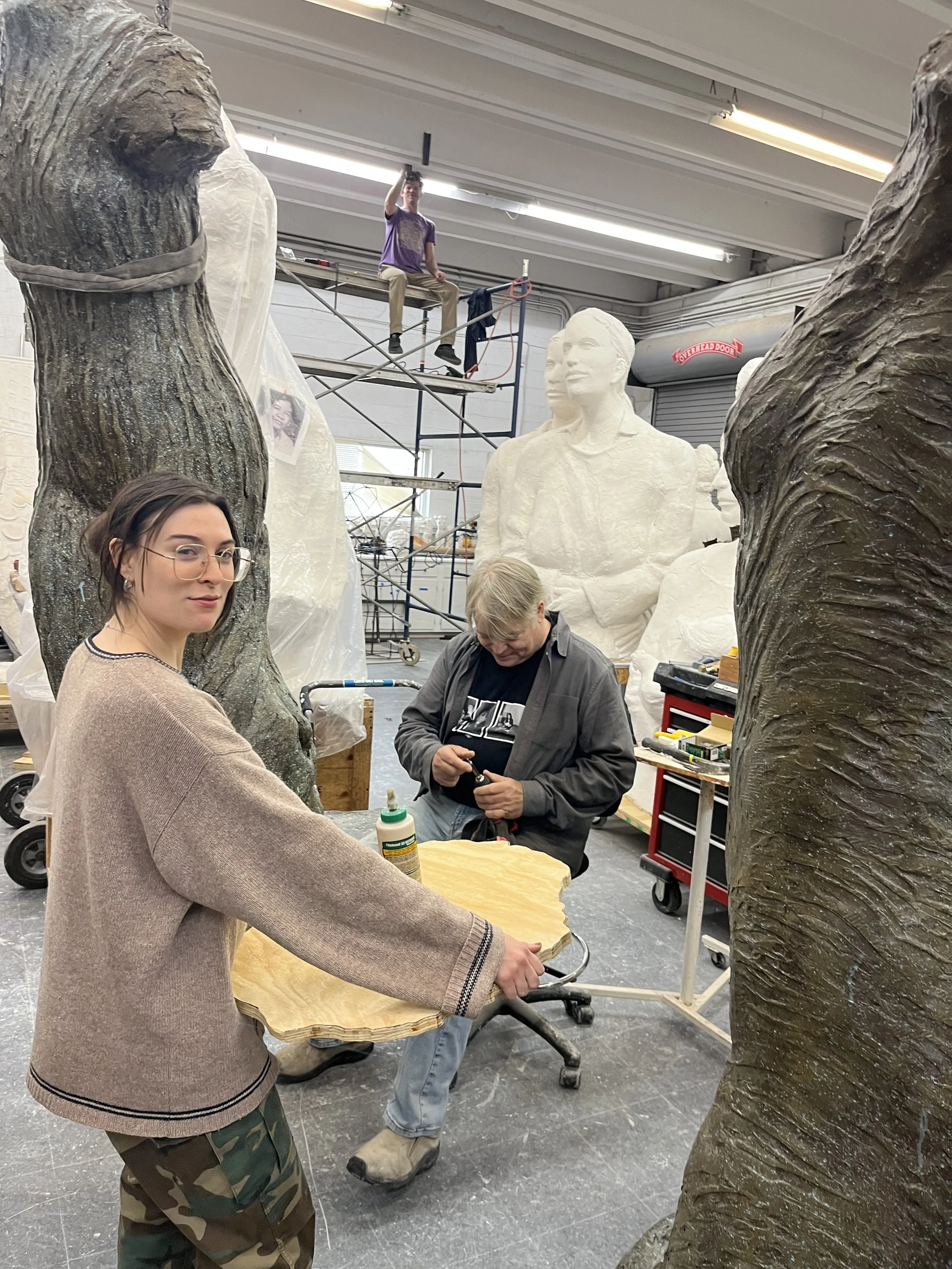
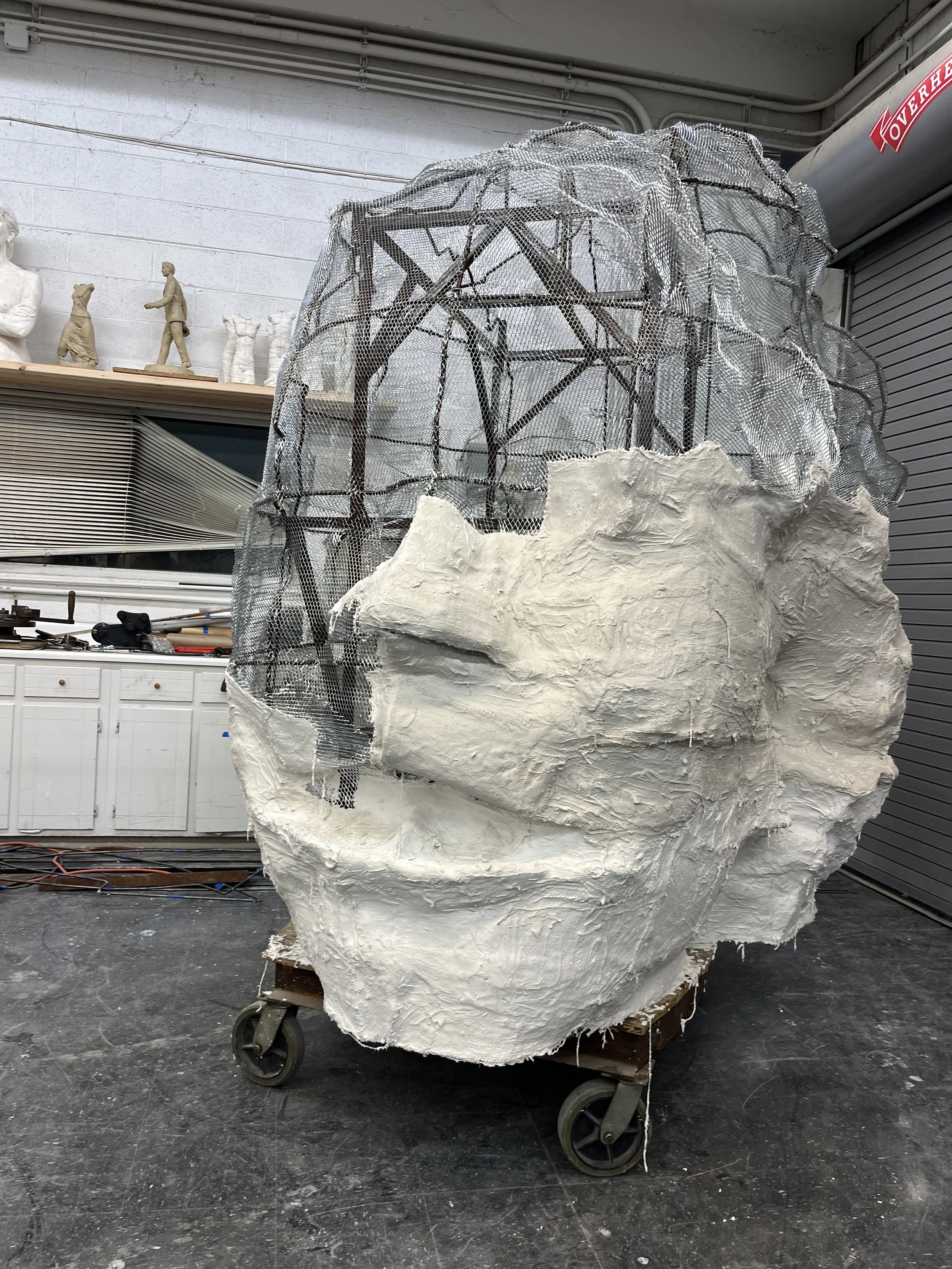
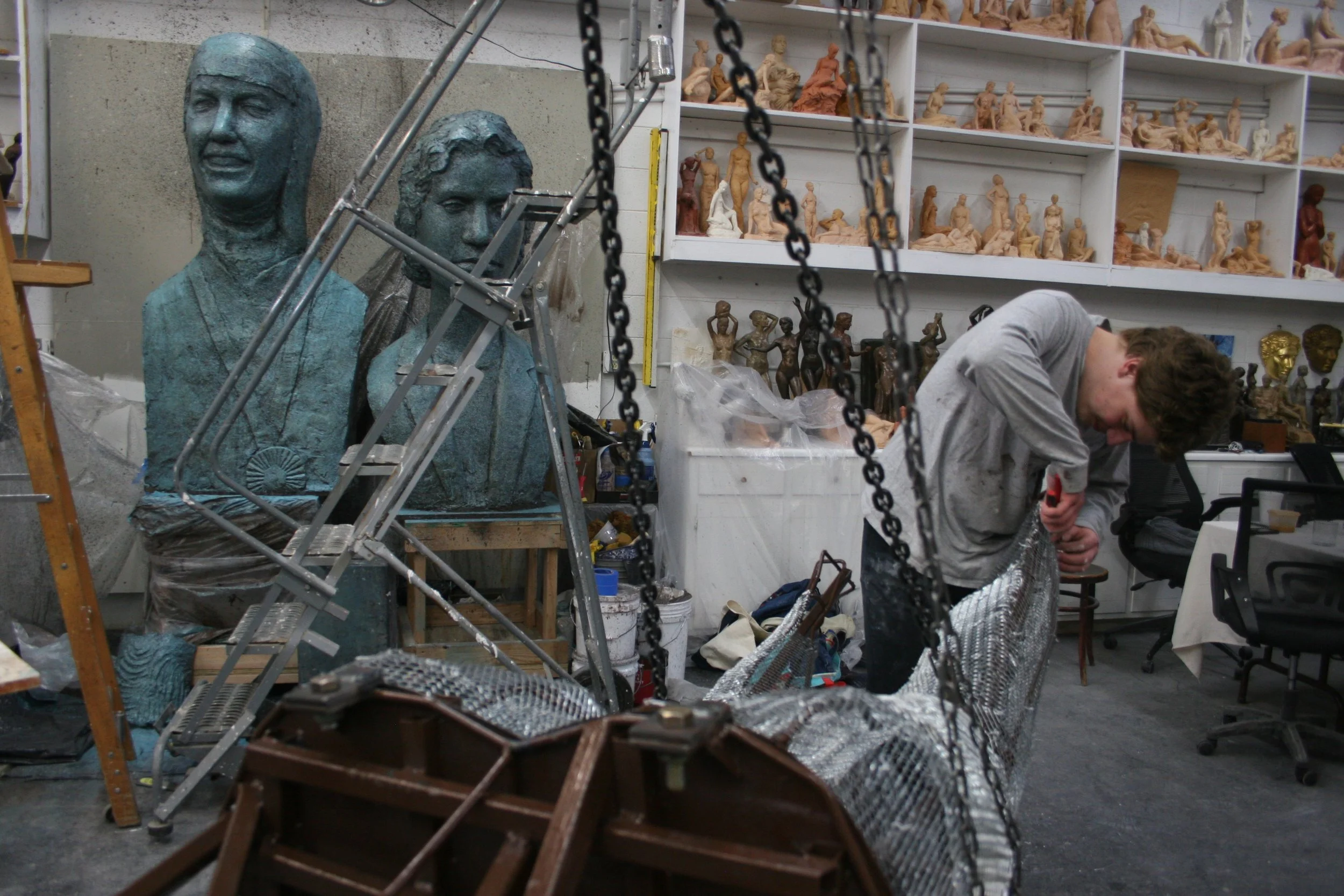
In the project to build Athena and most of my large works, I’ve employed young people, and I’ve tried to share the training that I received when I worked for other sculptors. I’ve continued to share those skills throughout my career. There are thirteen young artists who worked with me on this project. They have made armatures for the works in this exhibit using my small models and the ancient method of enlarging by contour and cross-section. I refer to this as “C and C” as an ironic play on CNC (Computer Numeric Control). It is not as accurate as digital enlarging, but it requires the artist’s physical engagement throughout the process.
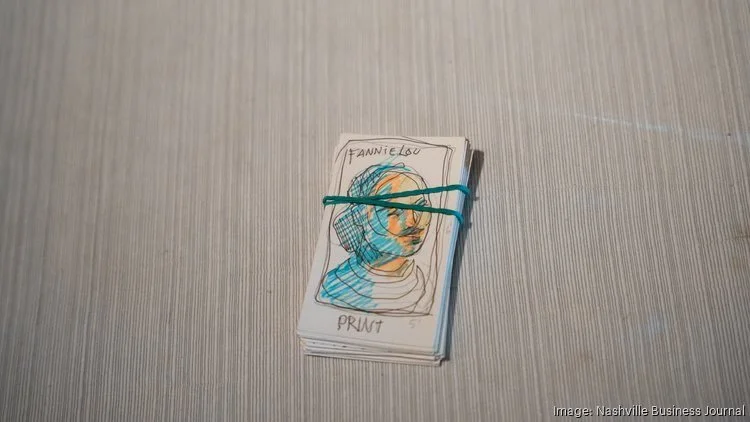
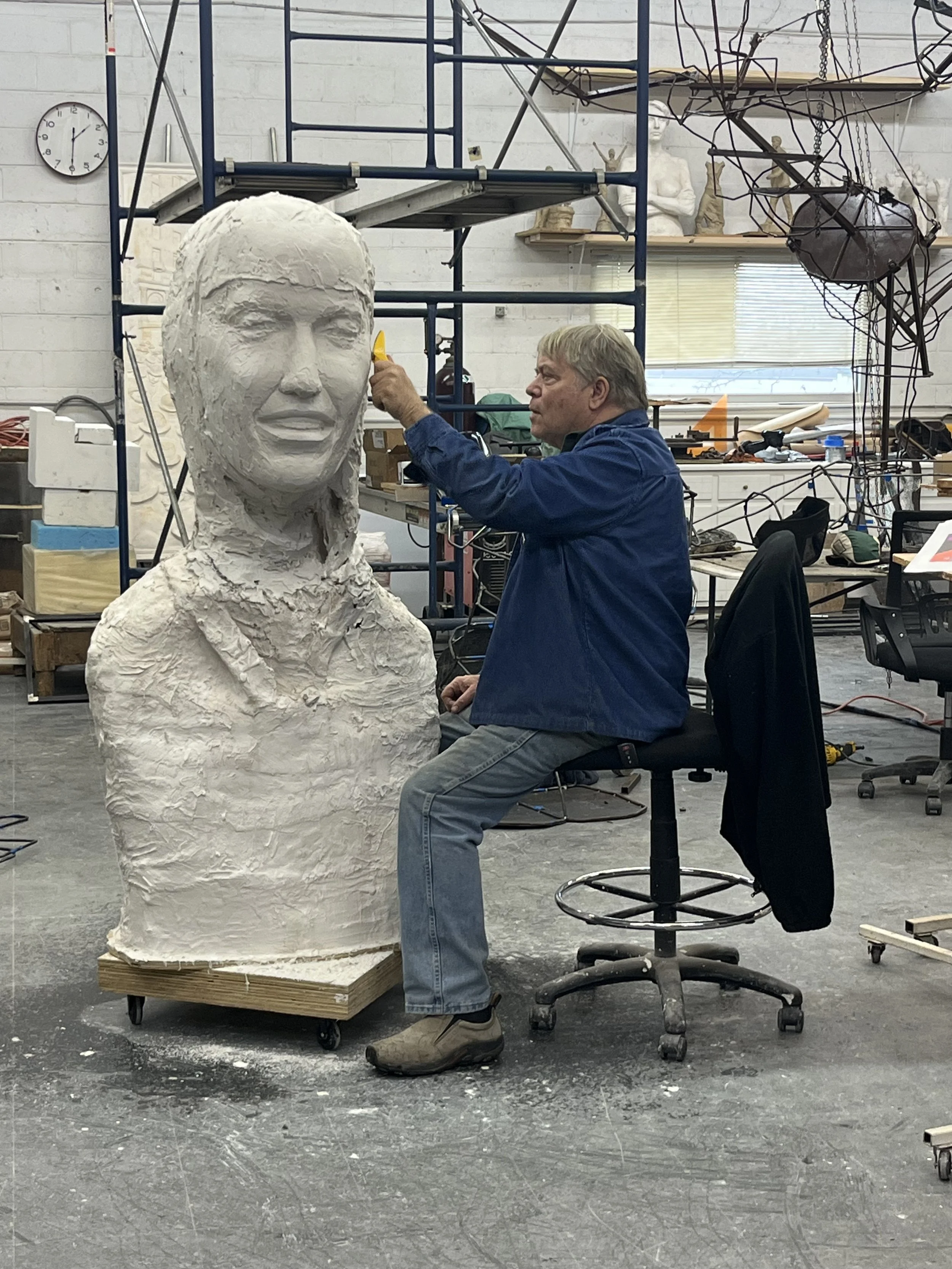
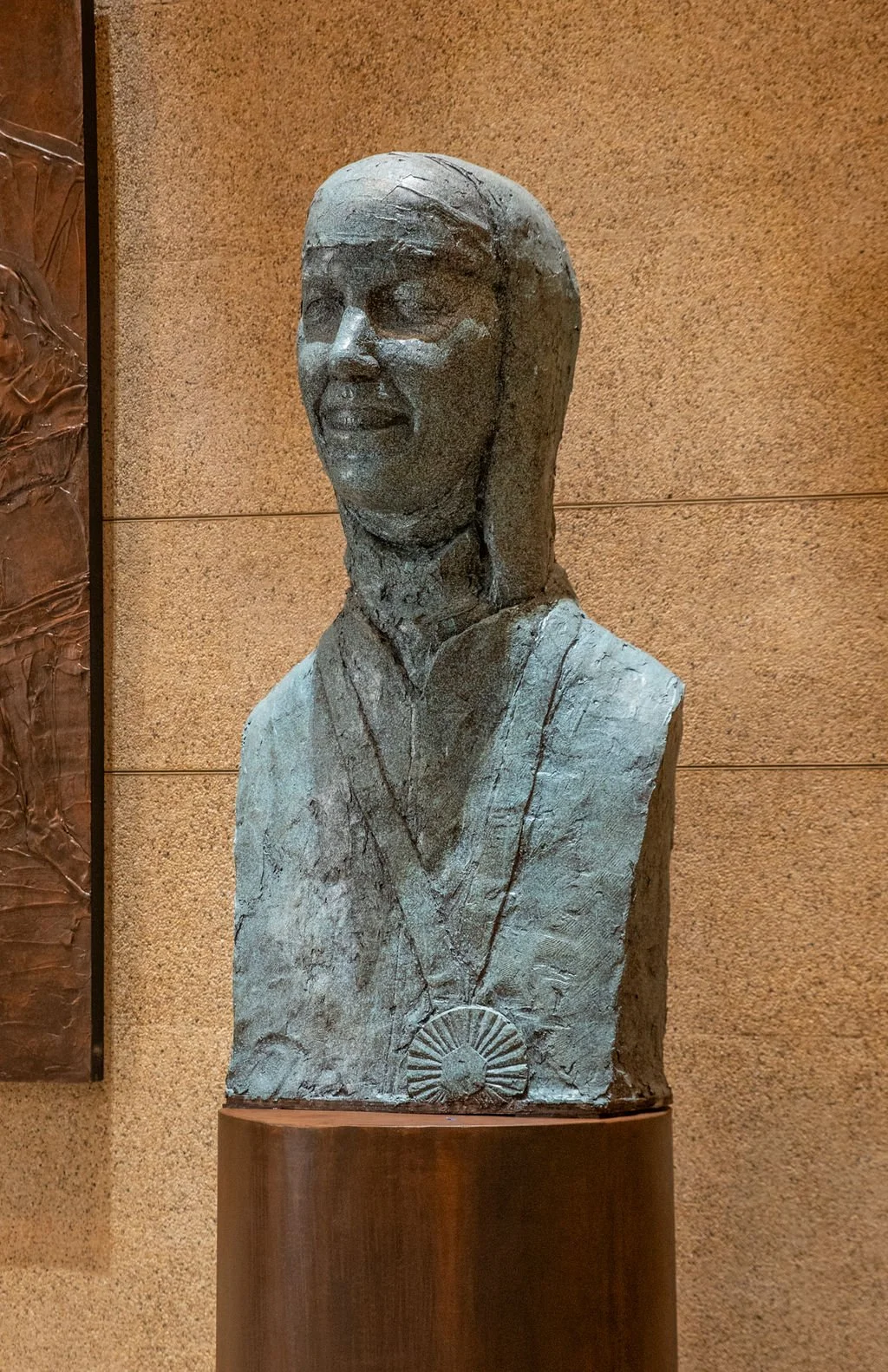
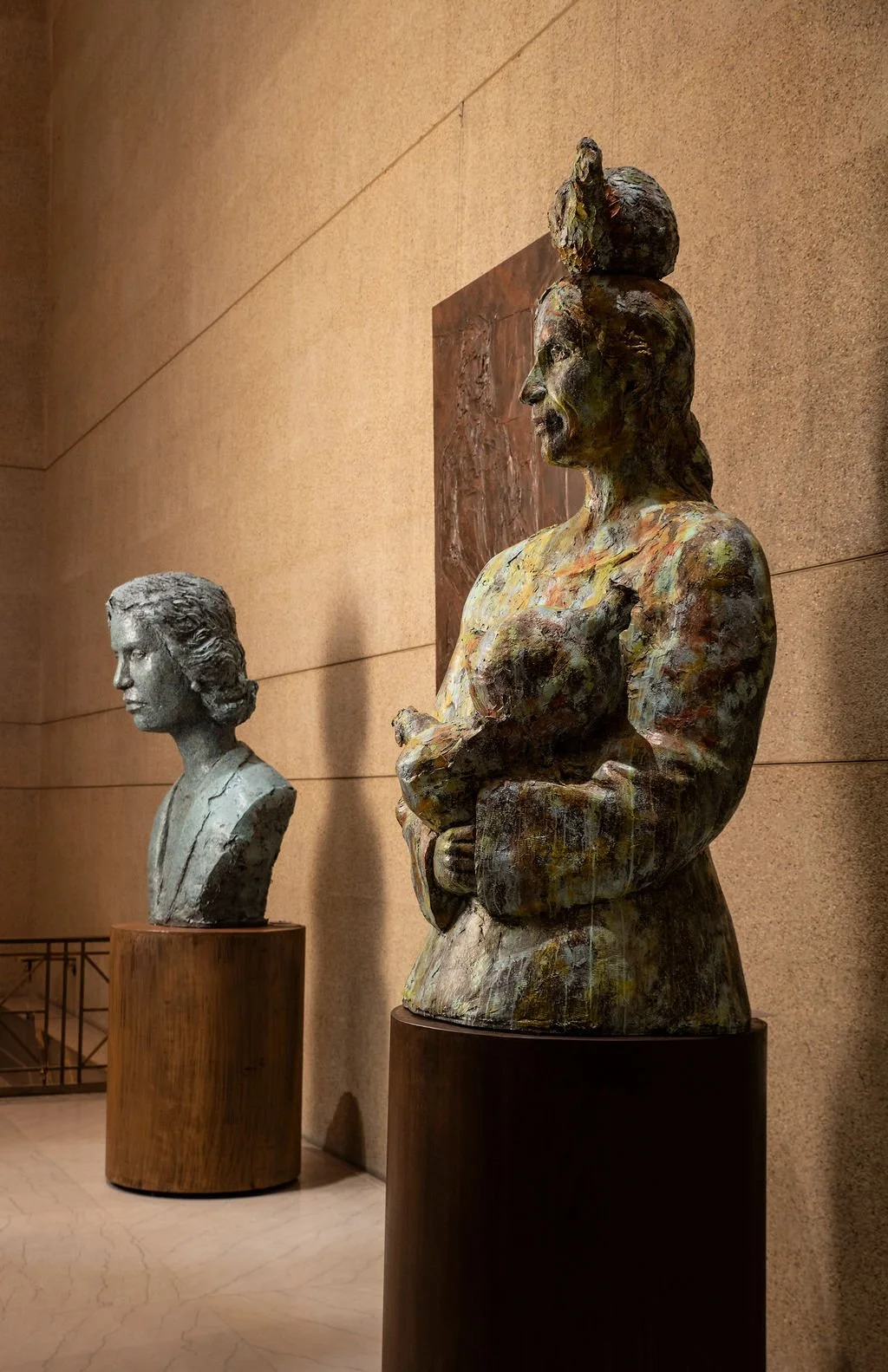
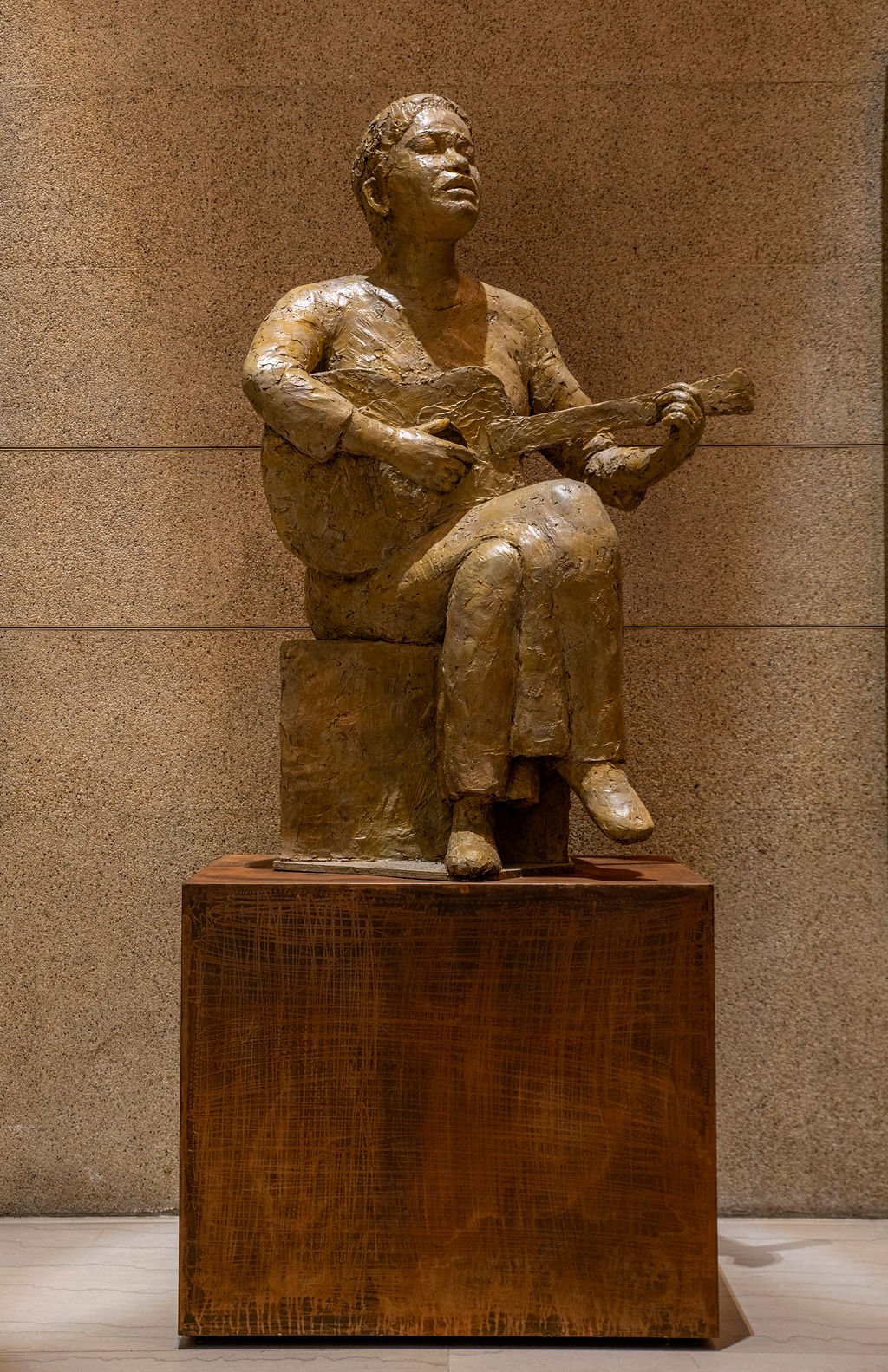
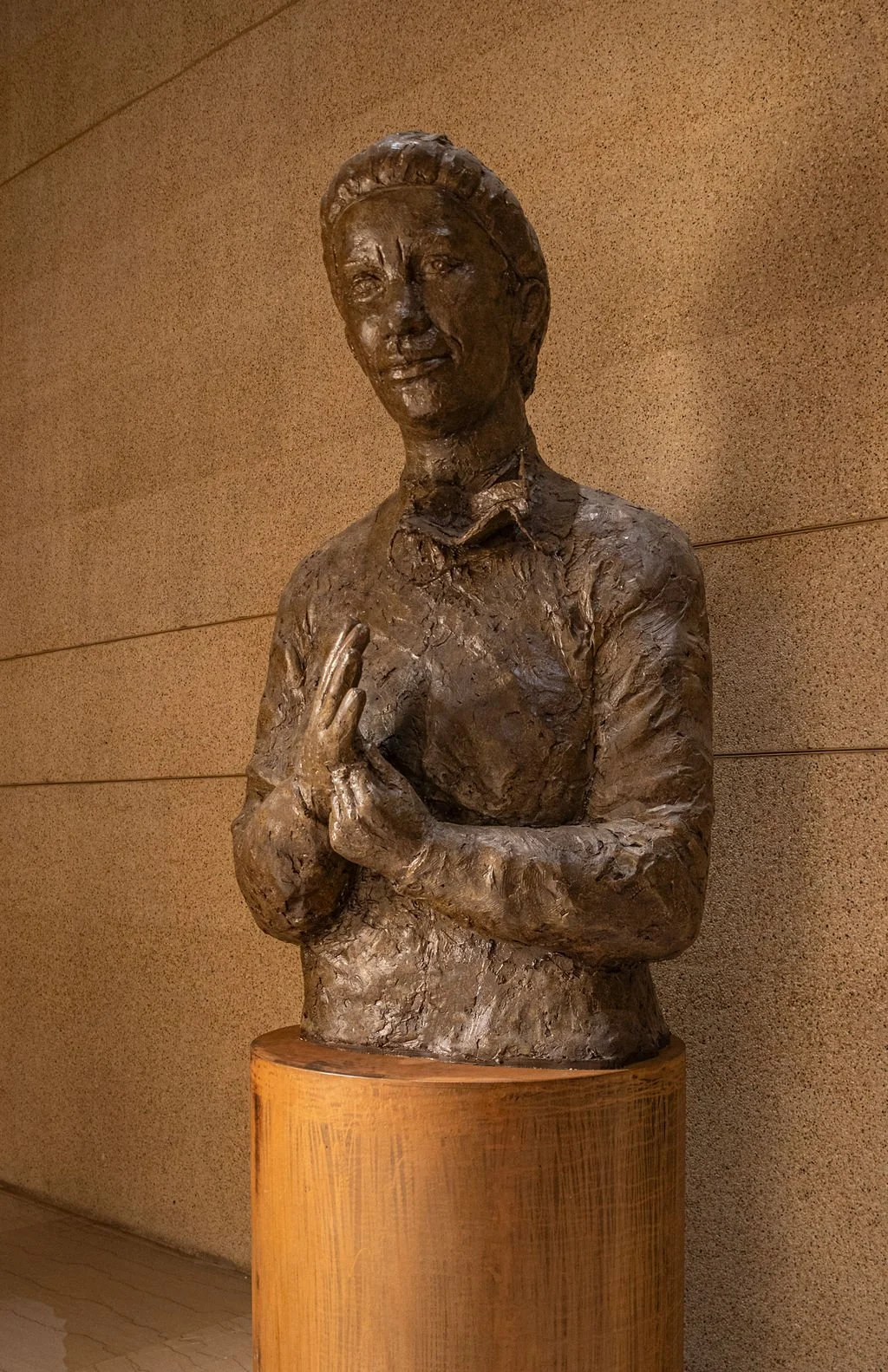
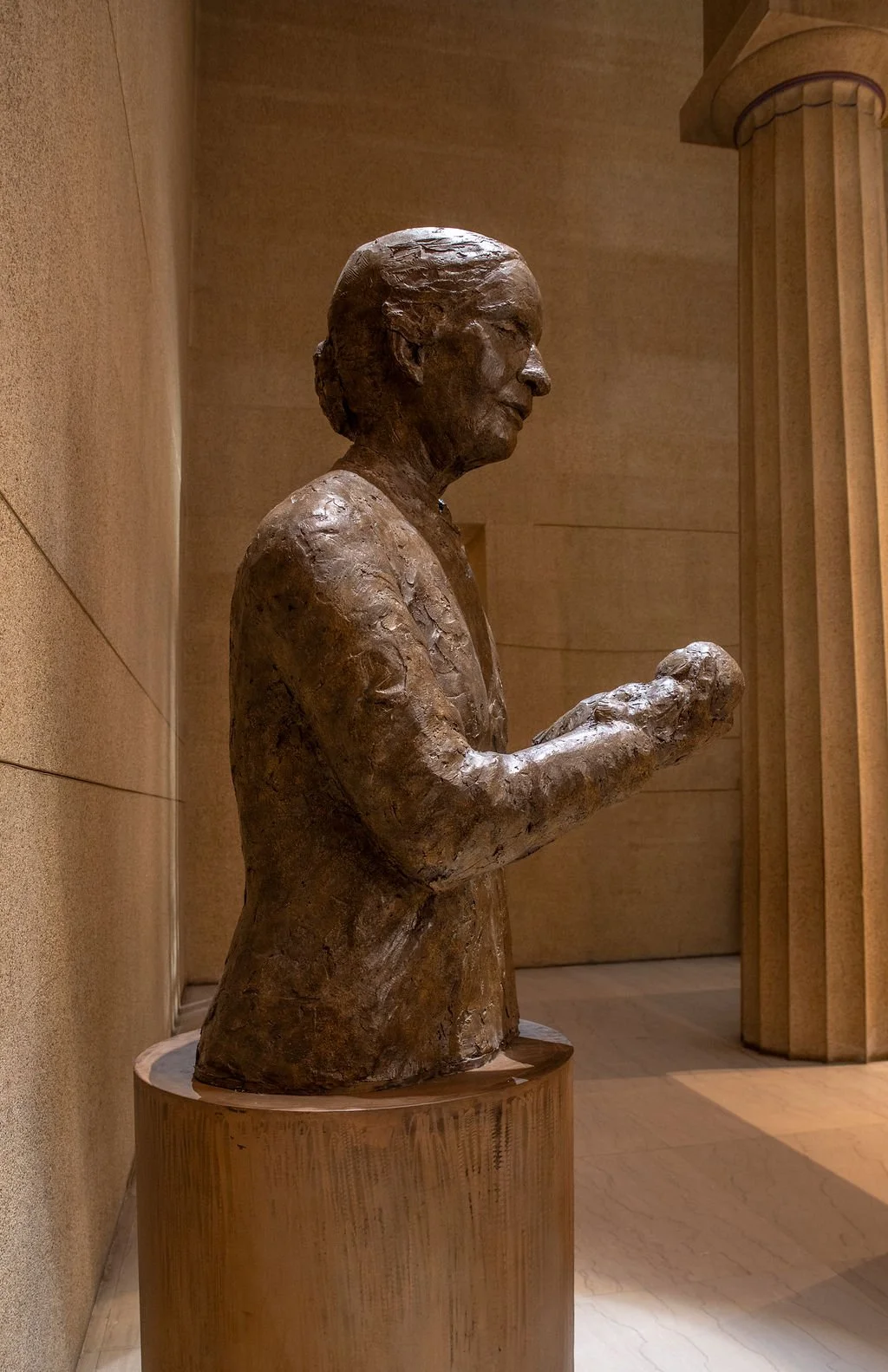
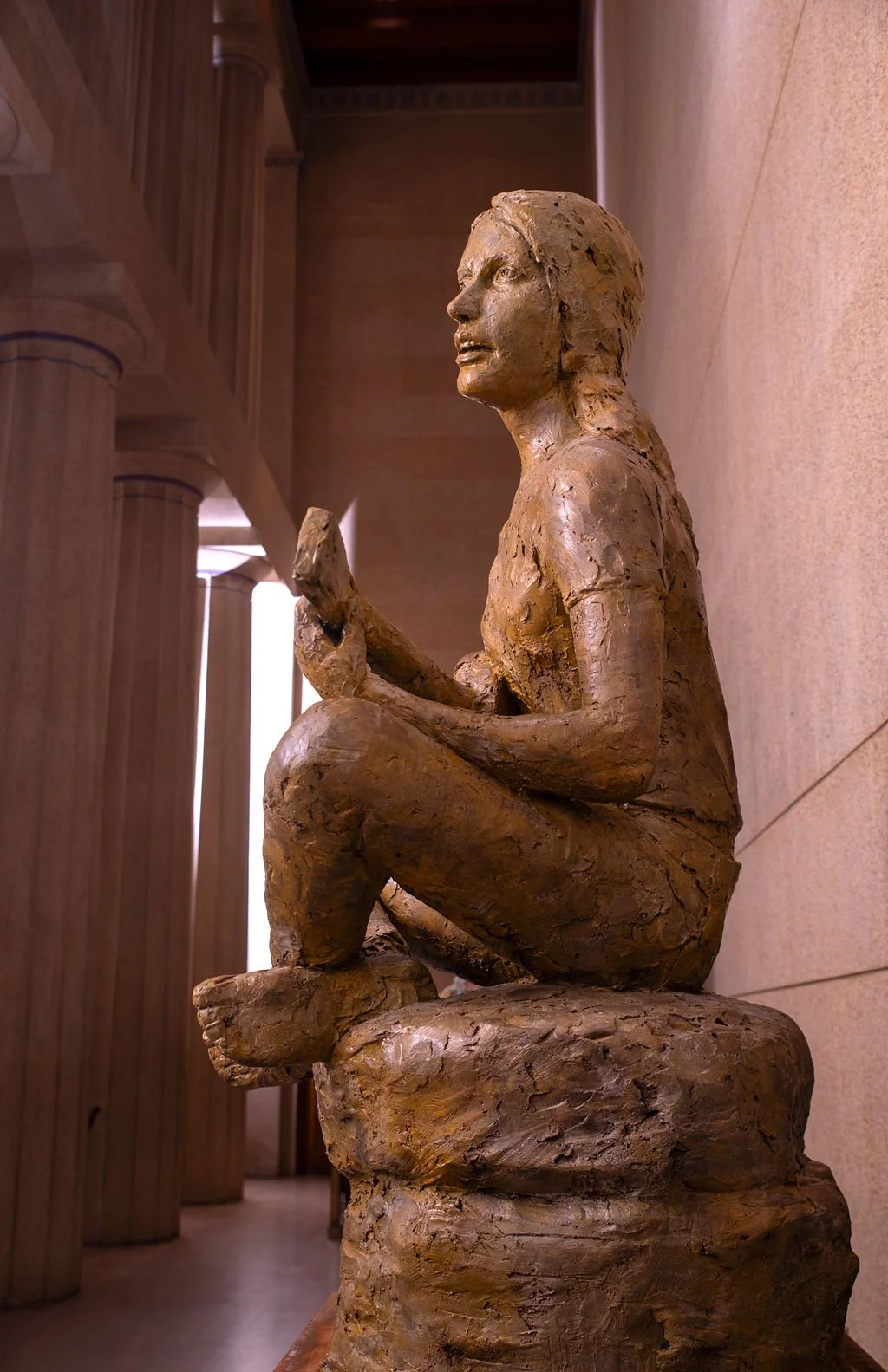
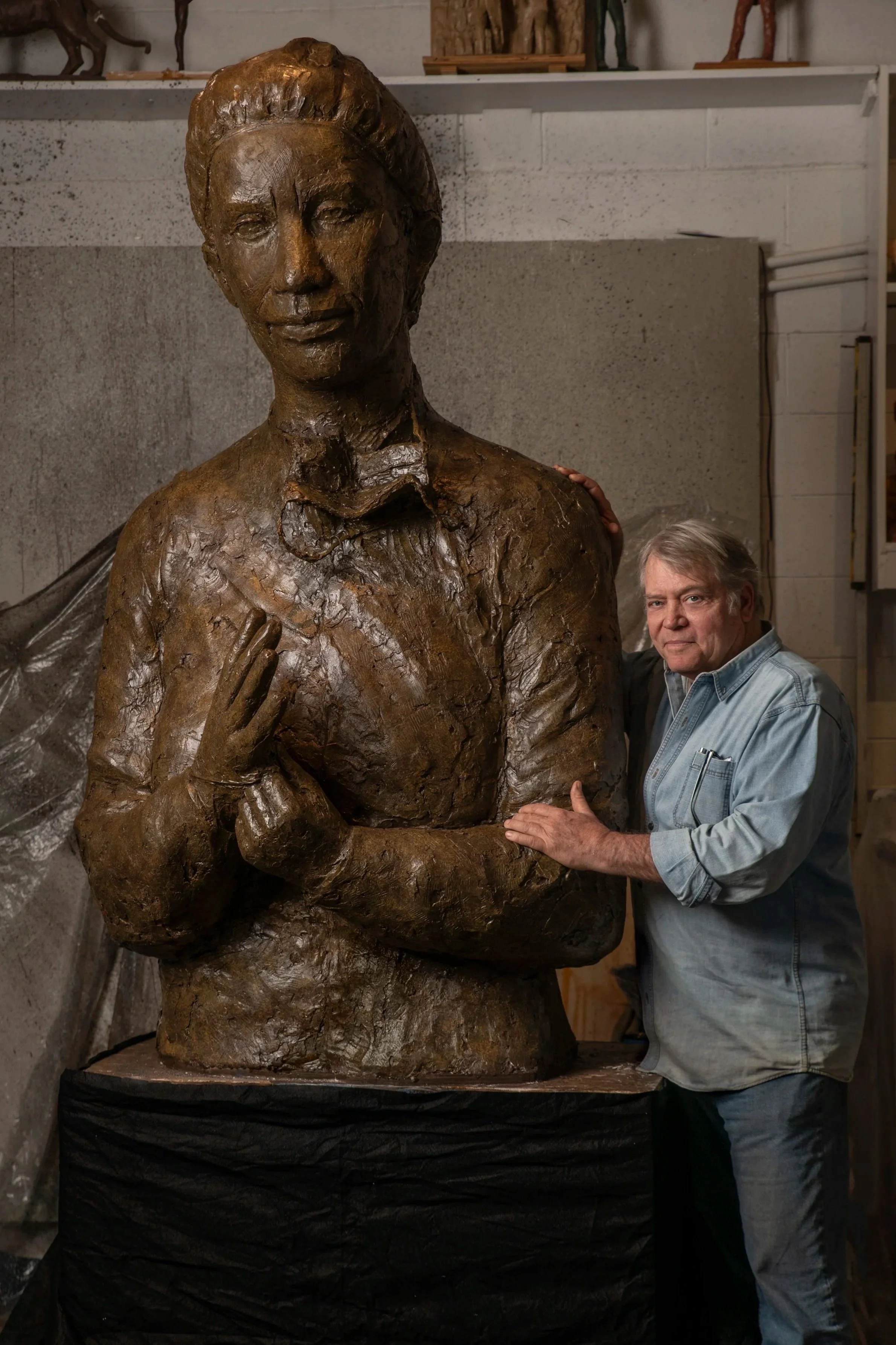
Even though I spent eight years working on a recreation of Athena by Pheidias, I don’t worship Greek idols or aspire to make art like that of the ancient masters. My most important discovery as a result of my training in Europe was that I wanted to ennoble and memorialize real people, not emperors, kings and queens, or gods and goddesses. With the same sort of monumentality that artists of the past used to create religious or mythological figures, I wanted to honor real people, especially women. I’ve been able to do that over the course of my career and I continue that pursuit in this exhibit. Several of these works are portraits inspired by my personal heroes and role models, like Joan Baez, Fannie Lou Hamer, and Mildred Stahlman.
The portrait is perhaps the most direct attempt to create a living object, but every great sculpture aspires to be a living object. This is the central mystery of sculpture, and it is part of our inheritance from the Greeks. Many works of art are full of great meaning – intellectual, symbolic, and sensual. Sculpture combines all these possibilities and presents them in a form you can touch and hold onto. Only sculpture does that. The Parthenon itself is a beautiful example of inanimate materials brought to life. The essence of this idea, which is part of every sculpture I make, is summed up in the design of the Doric column. It swells outward with positive energy, or entasis, but the surface is concave because of the flutes. This visual paradox of positive and negative form gives the column an elegant weightless feeling, but also an even greater living presence. Our most important lessons from classical art are abstract, and they belong to everyone.
As Jon Batiste said at the end of his American Symphony, “We’re all in this together.” He wanted to bring Native American, African American, classical, gospel, country and jazz - all the different musical genres together simultaneously. The technology that exists now allows us to hear many different voices, and that simultaneity is inspiring. Life is not about emperors, or gods and goddesses, but every one of us.
-
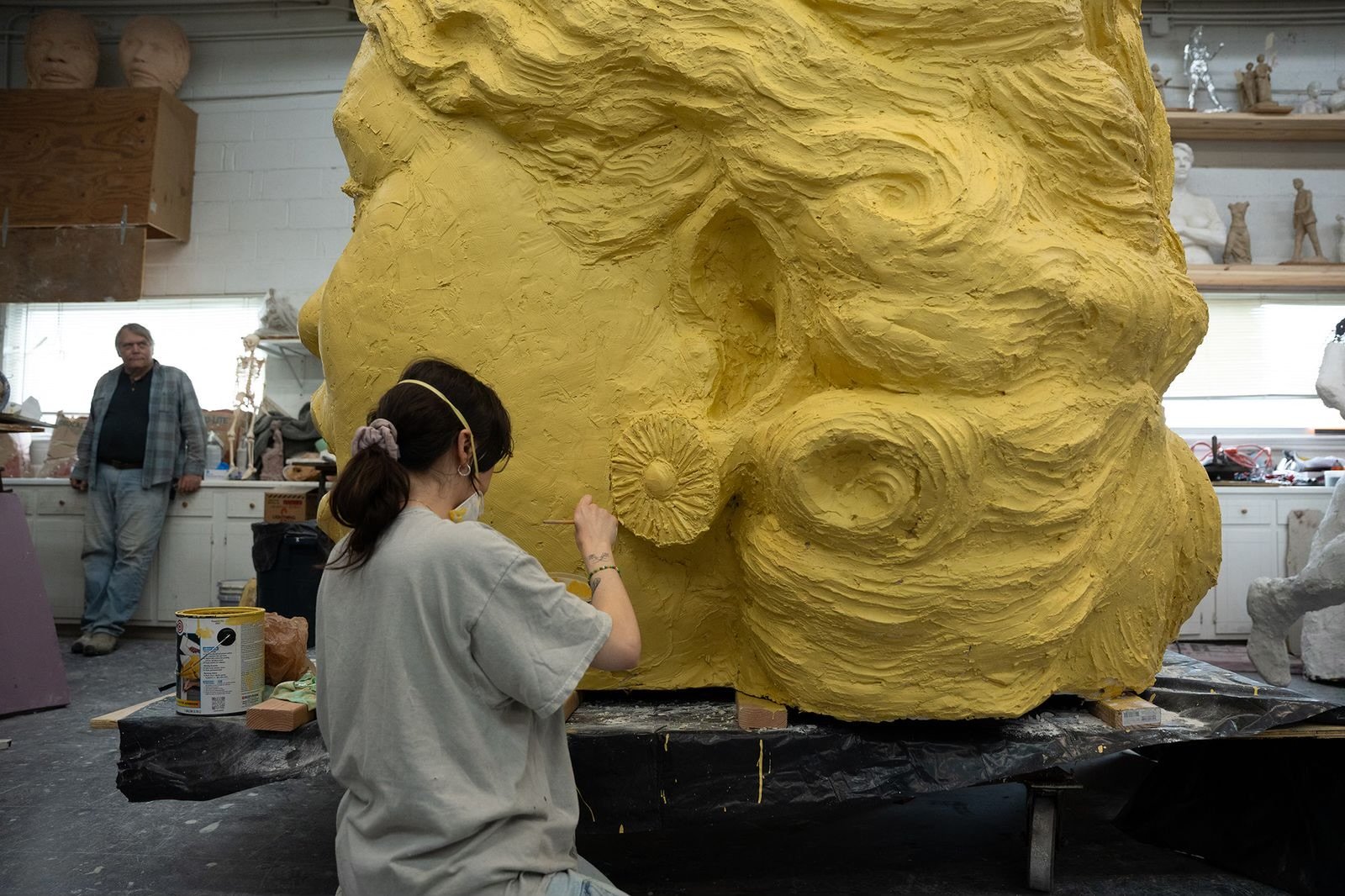
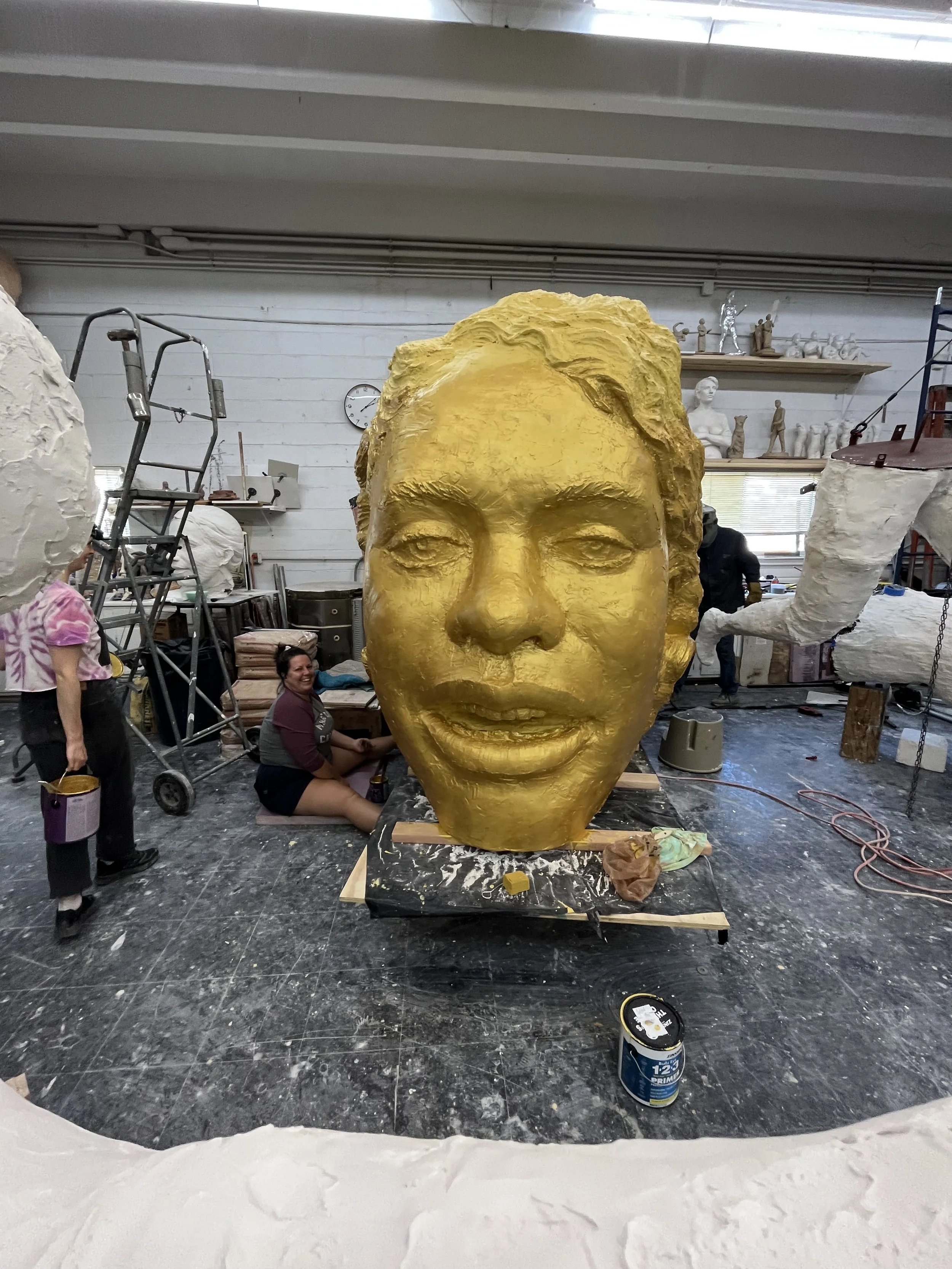
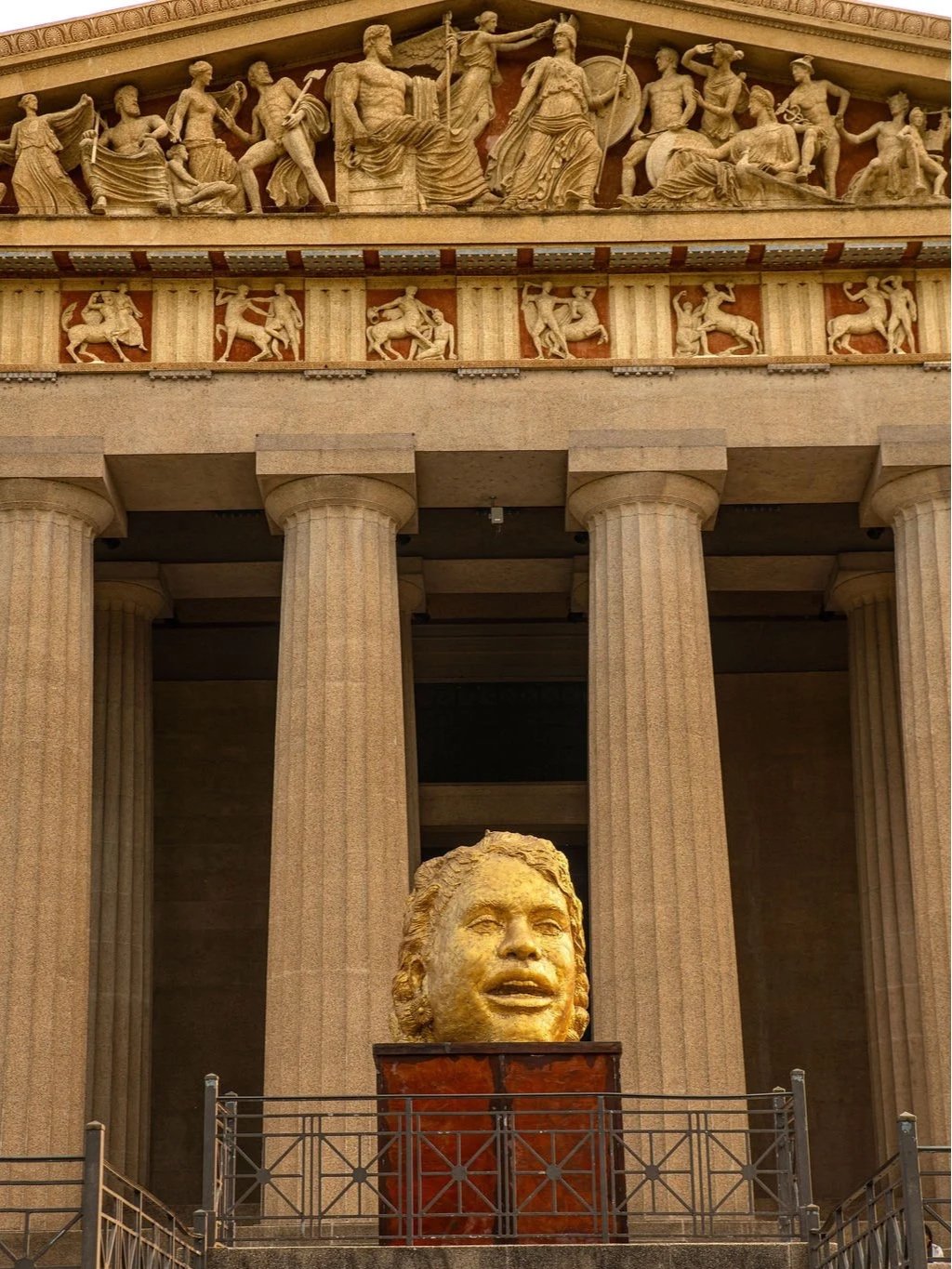
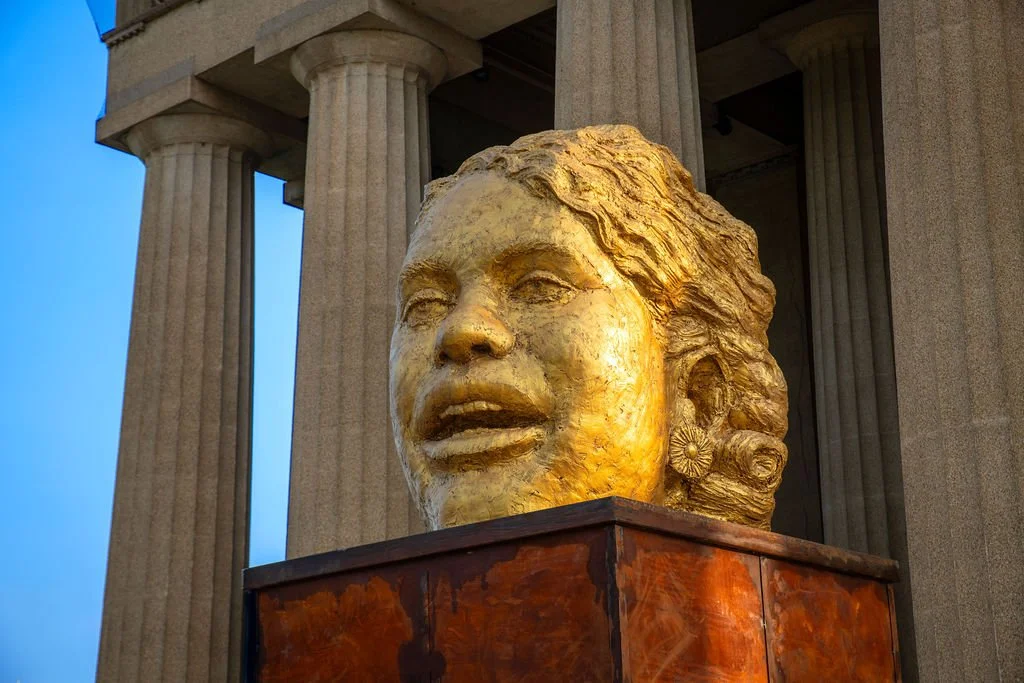
Colossal Head
Fannie Lou Hamer(1917-1977) testified at the 1964 Democratic National Convention telling the story of her attempt to register to vote in Mississippi. I remember seeing that testimony on television as a 9-year-old. It still moves me today, and I think she profoundly changed the course of the civil rights movement.
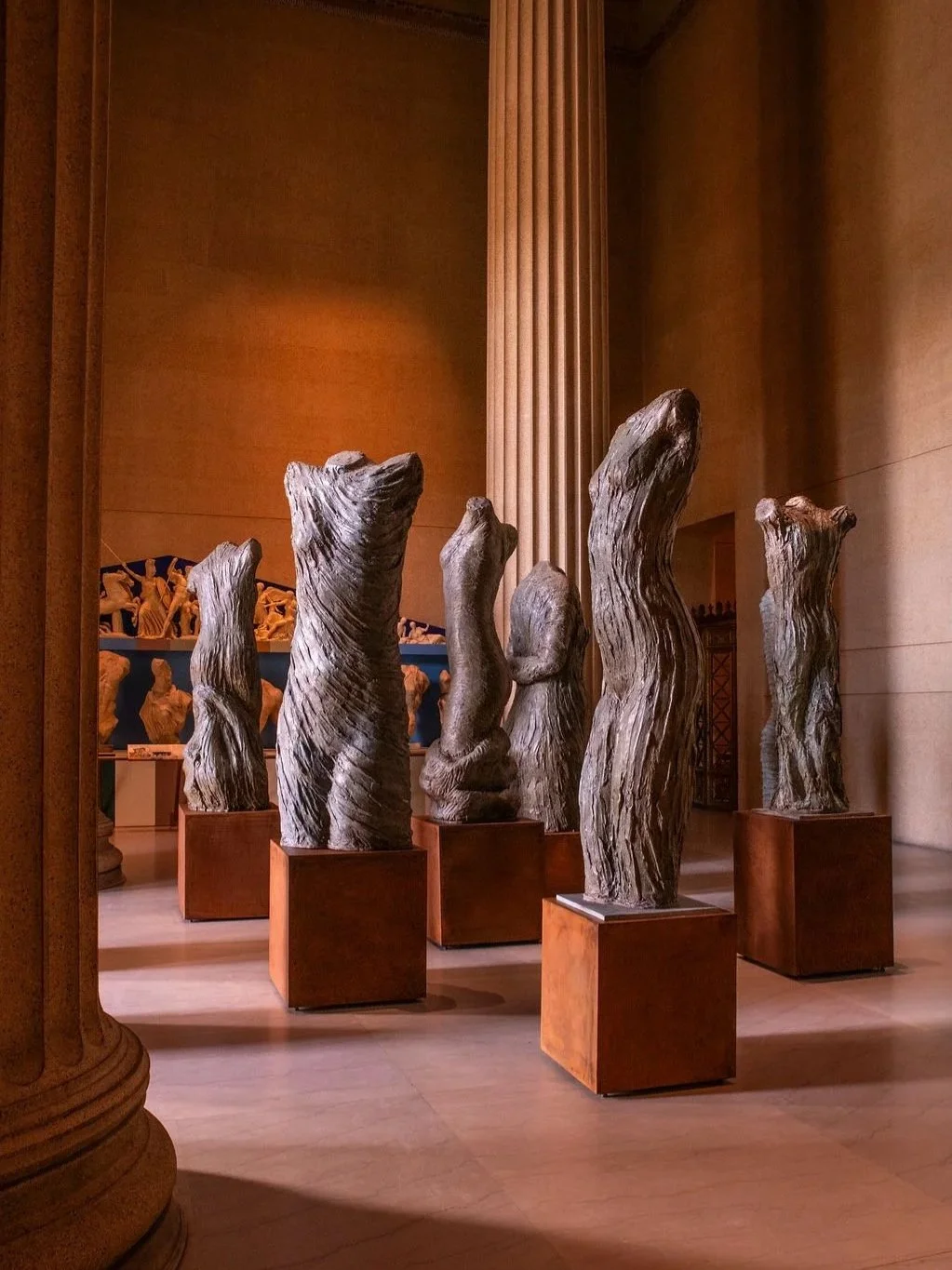
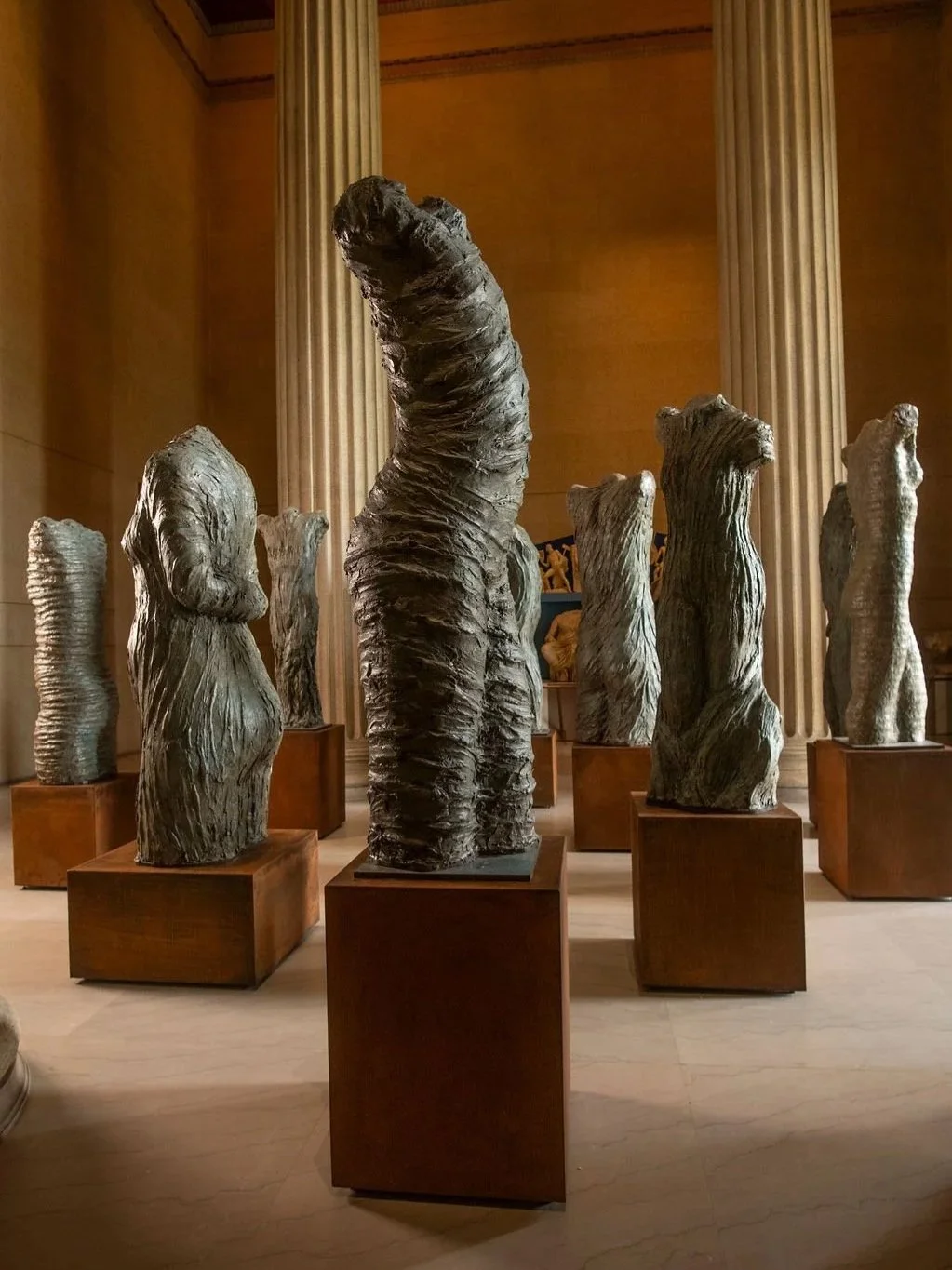
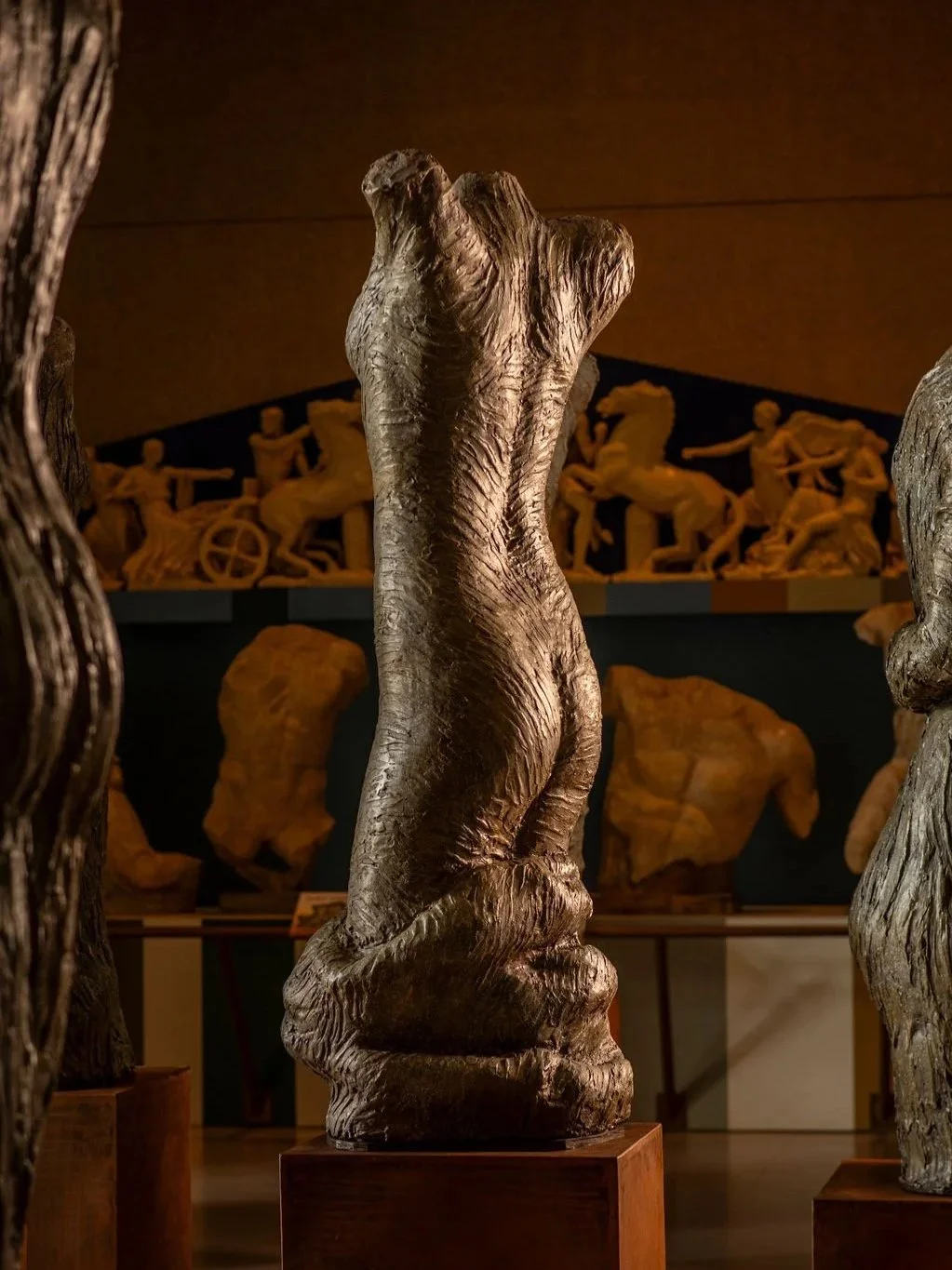
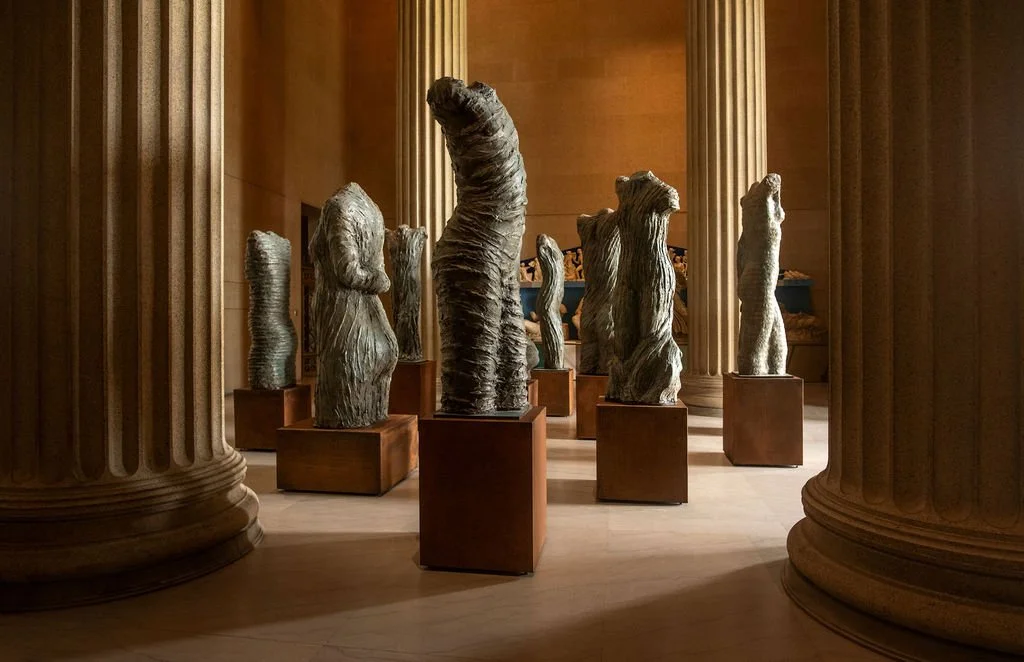
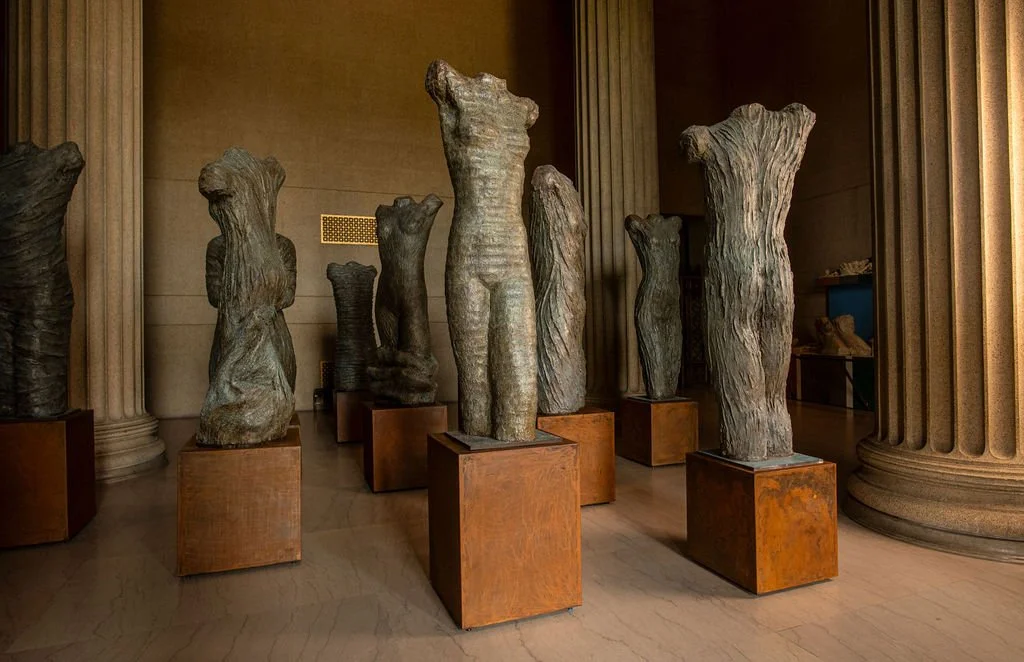
Ten Torsos
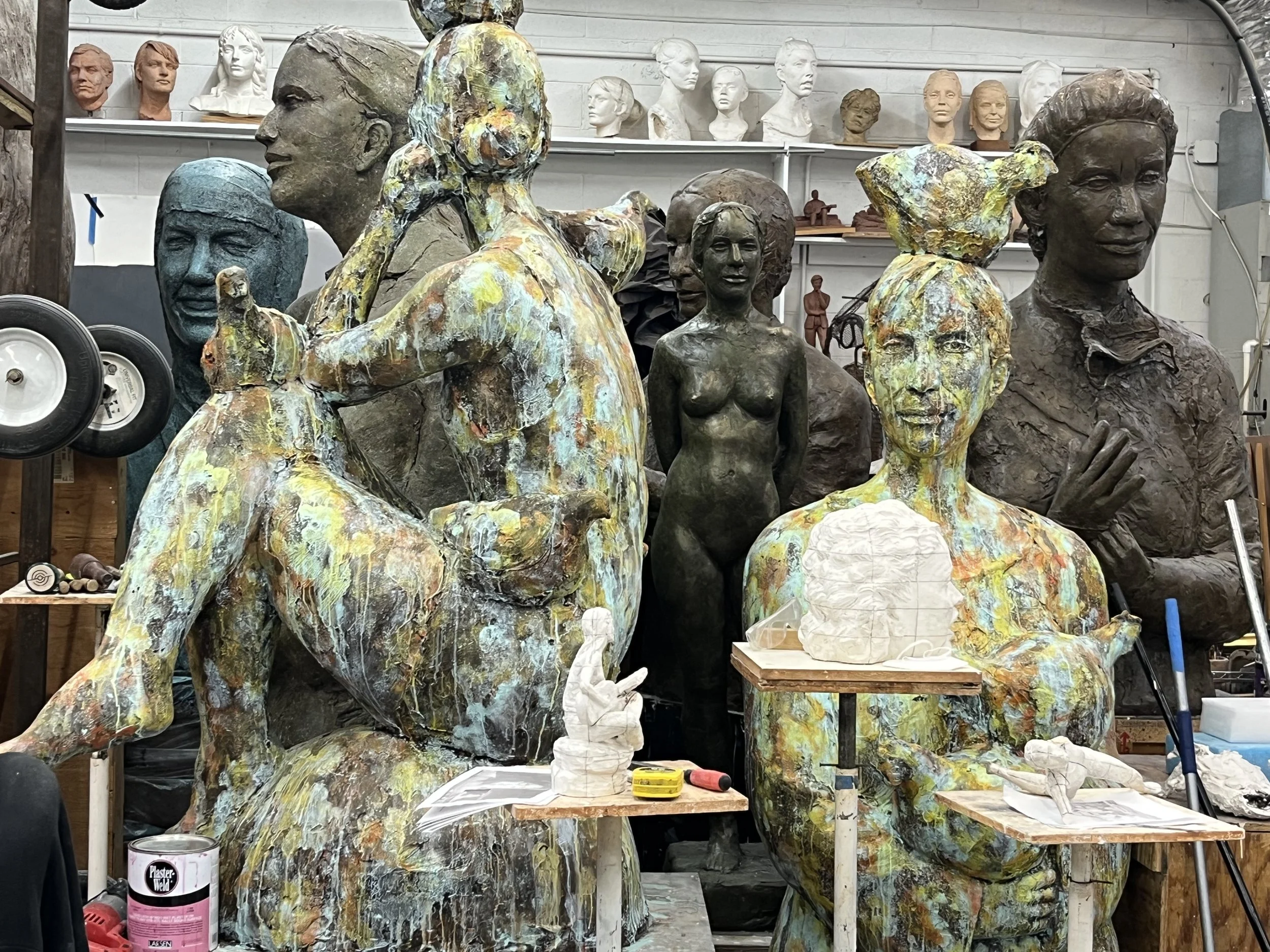
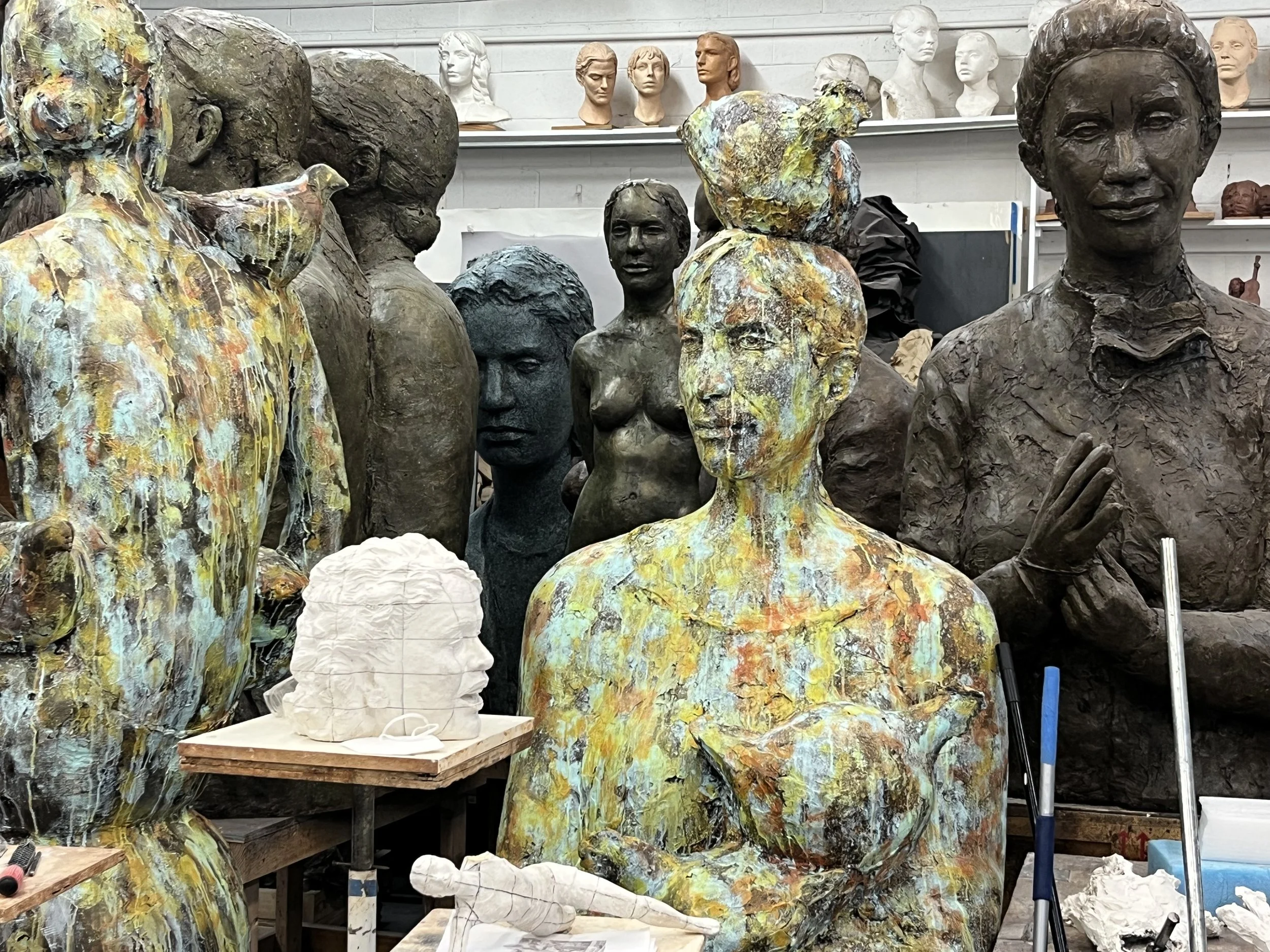
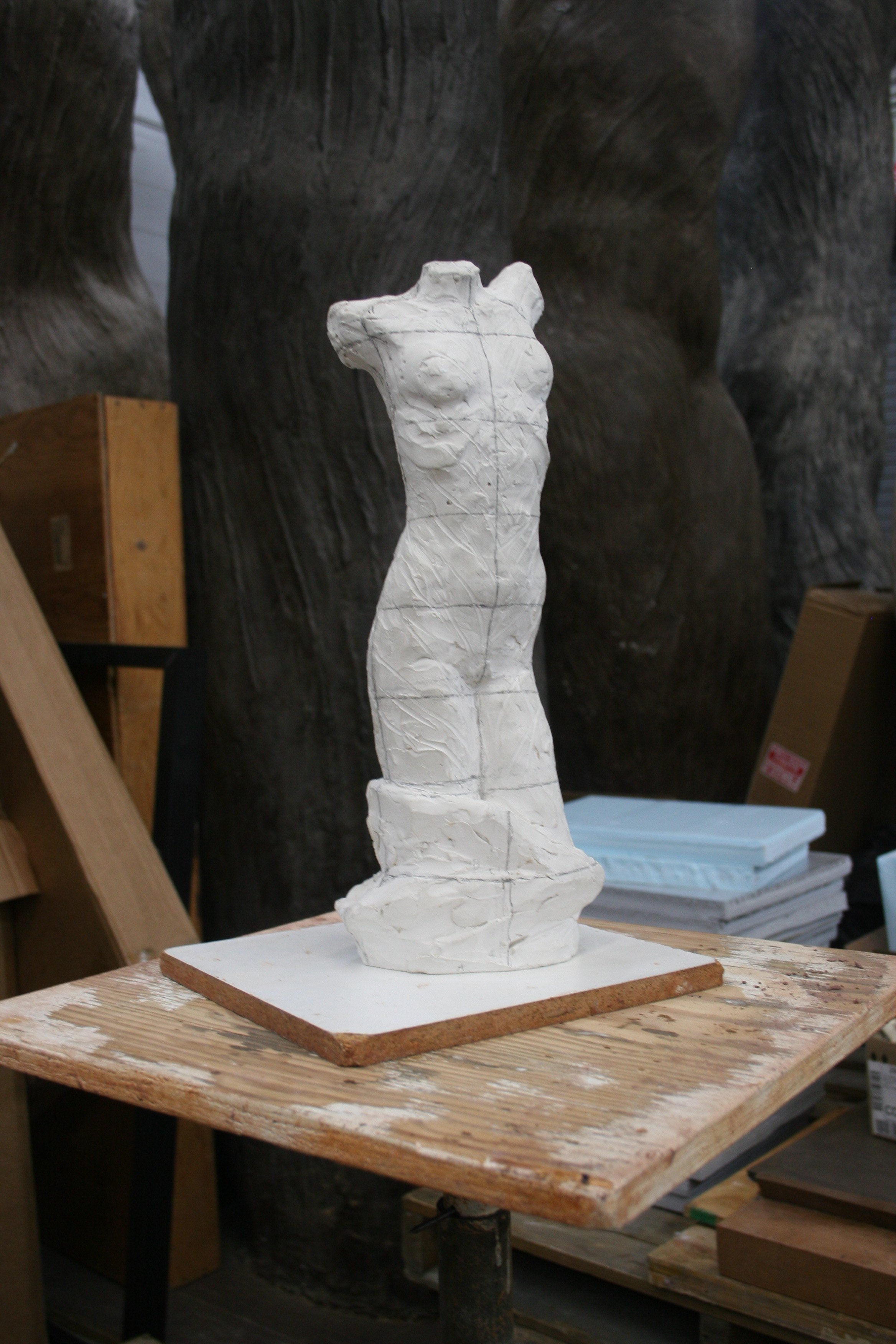
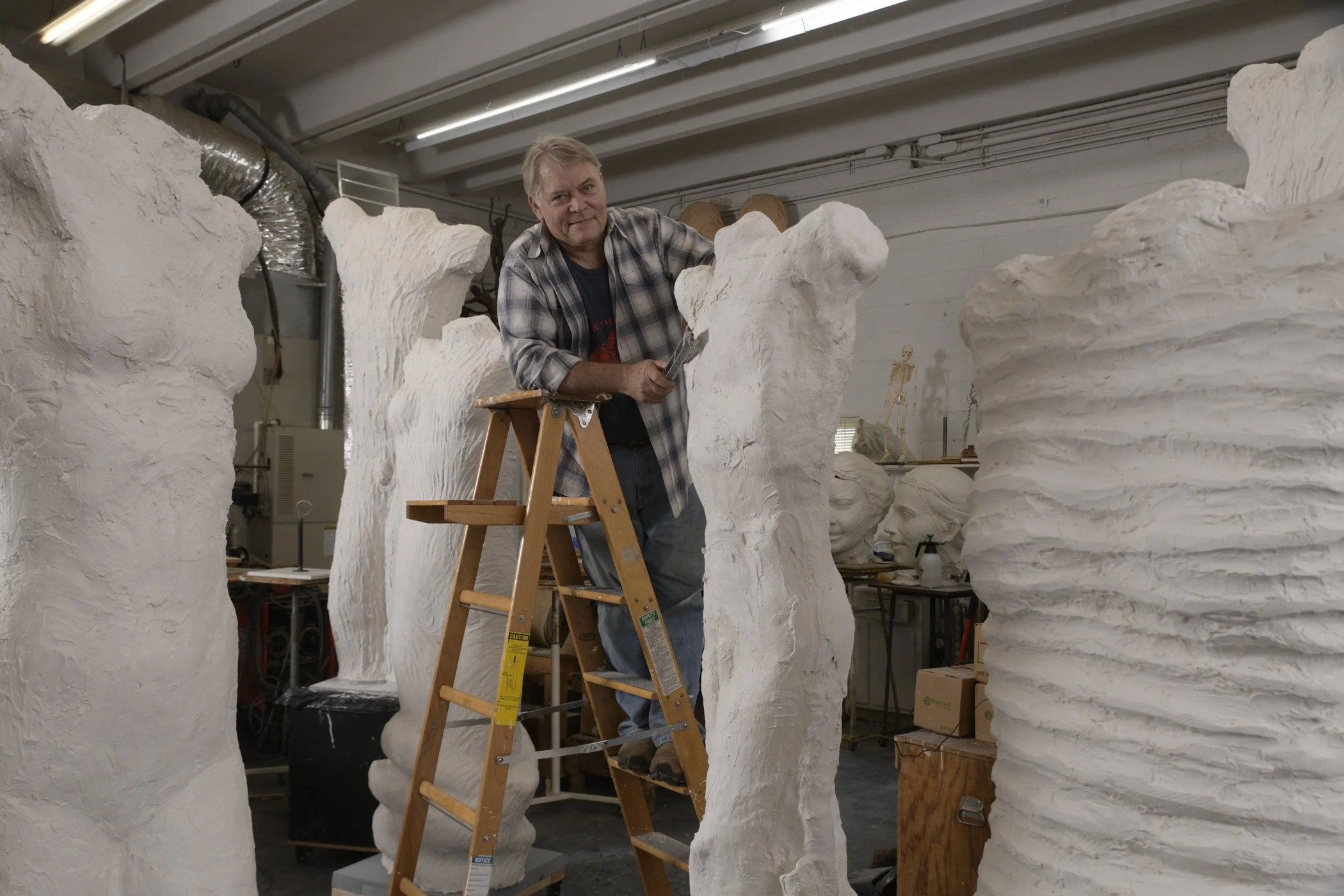
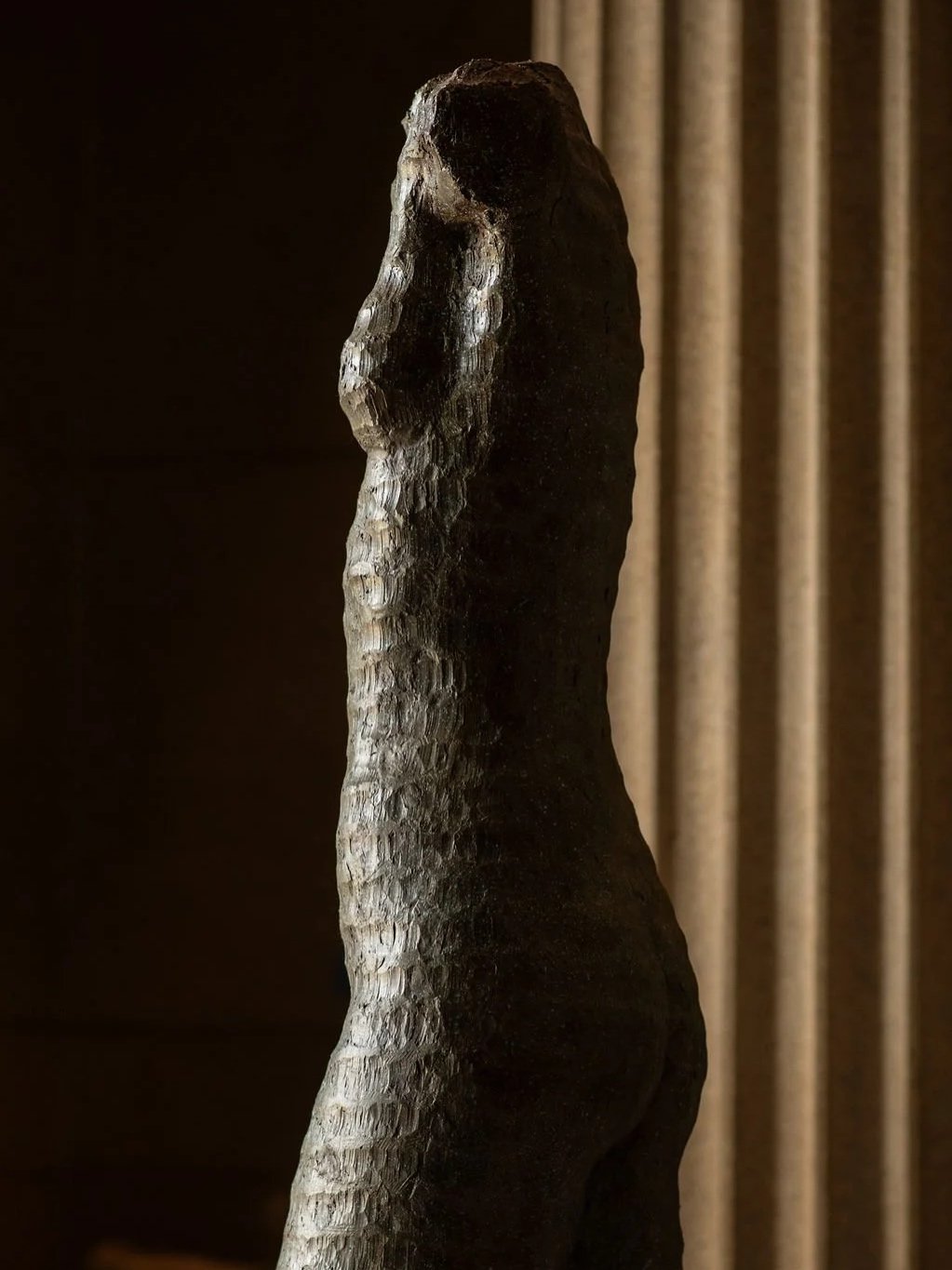
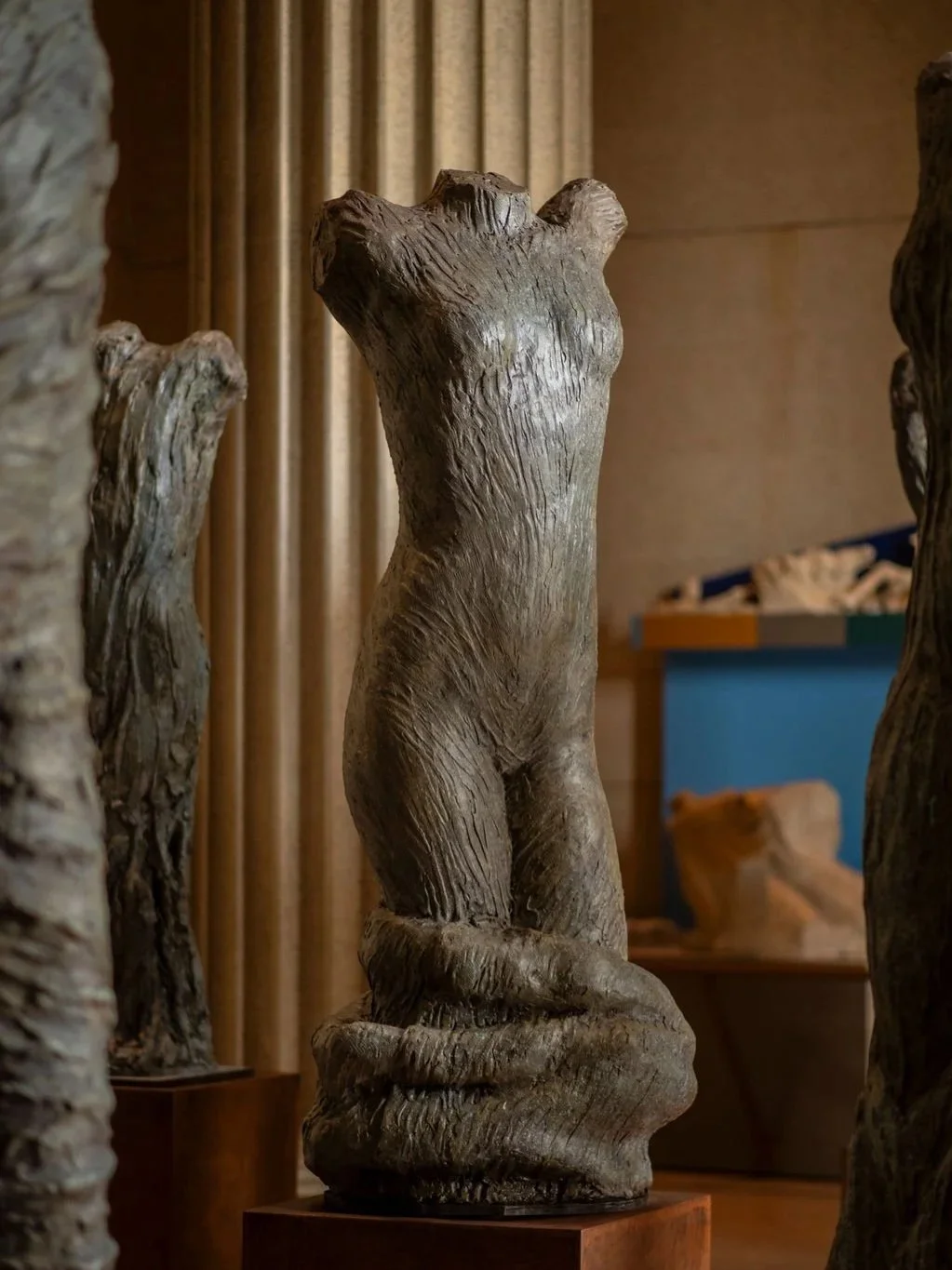
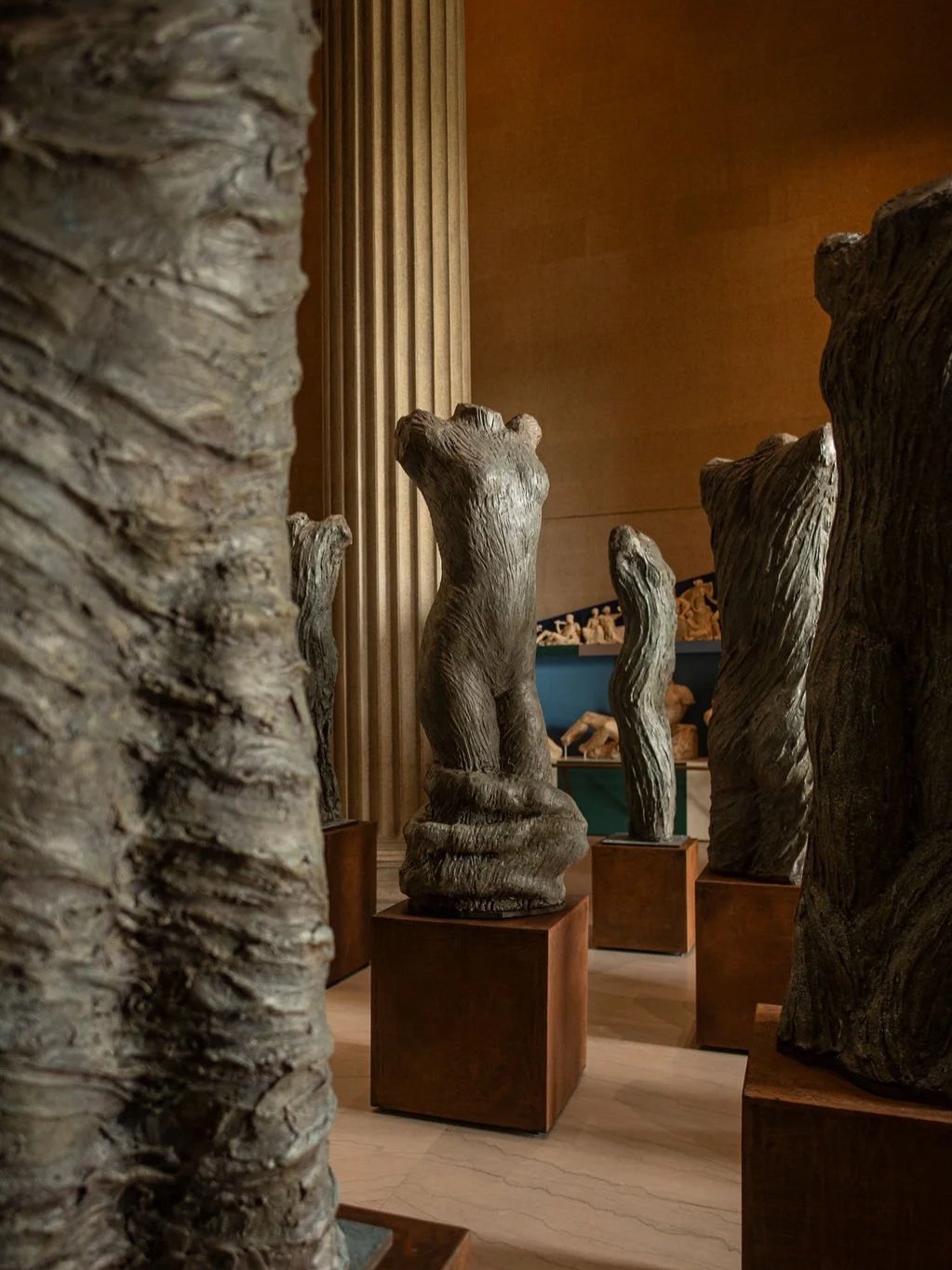
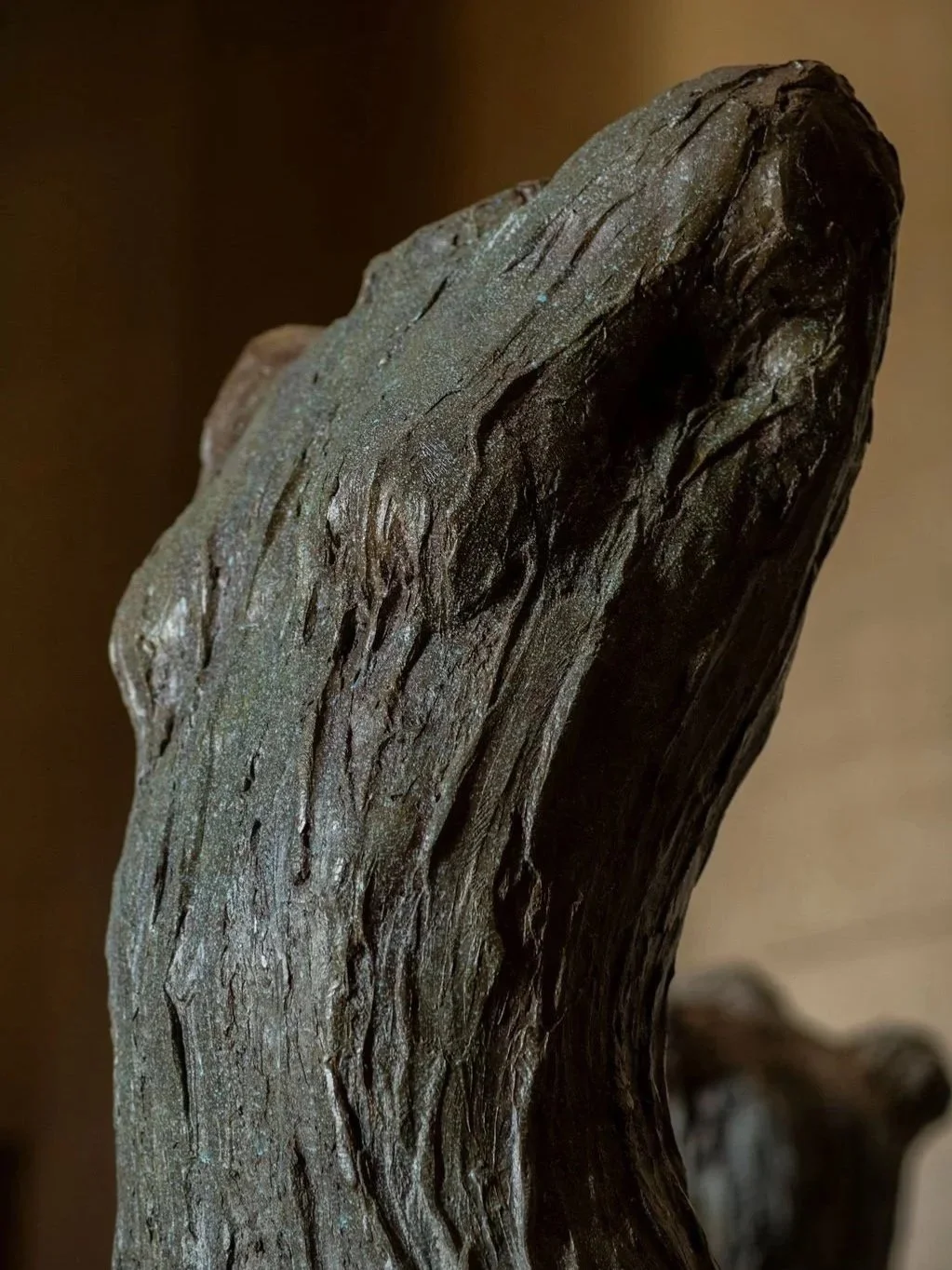
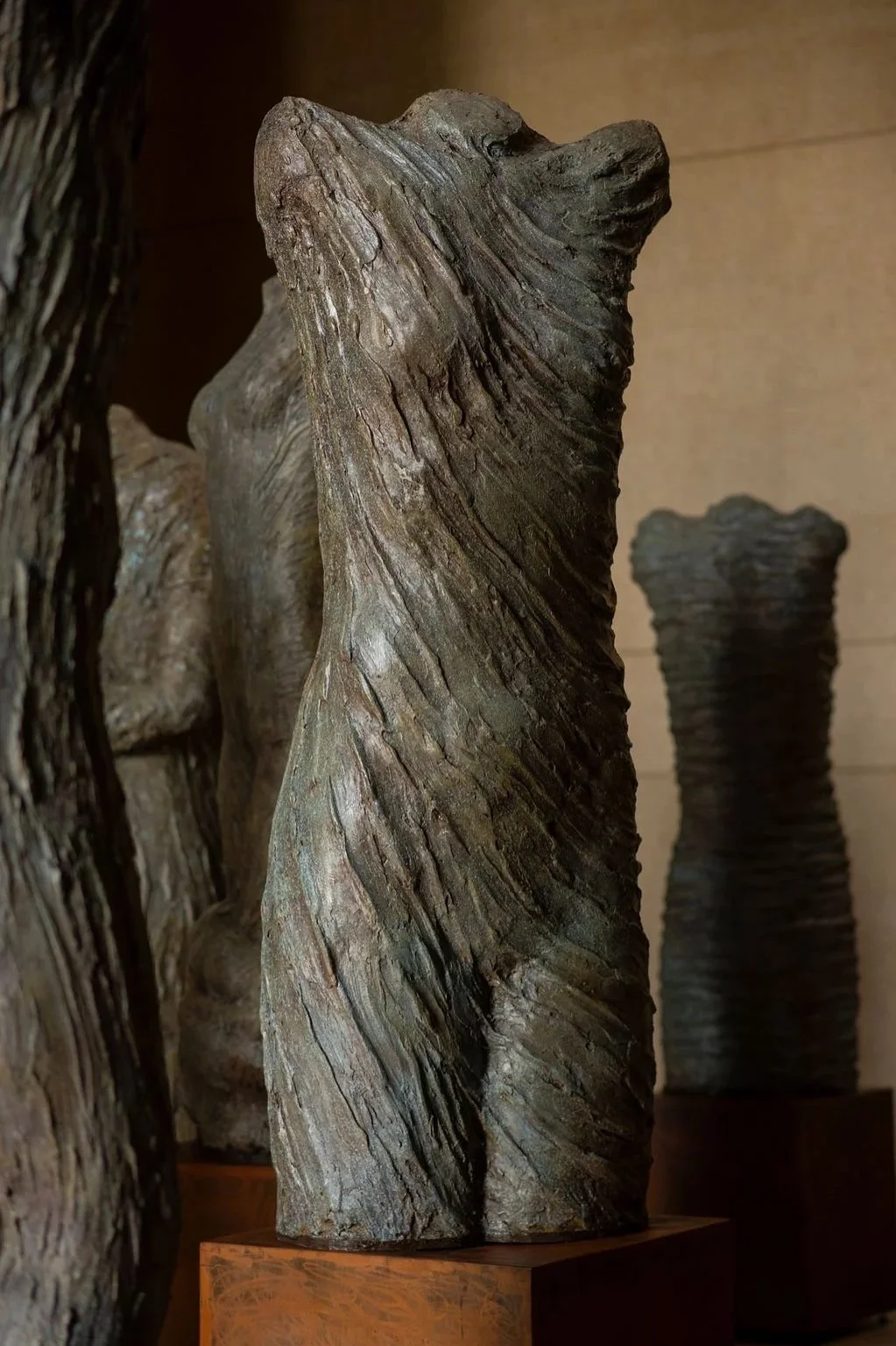
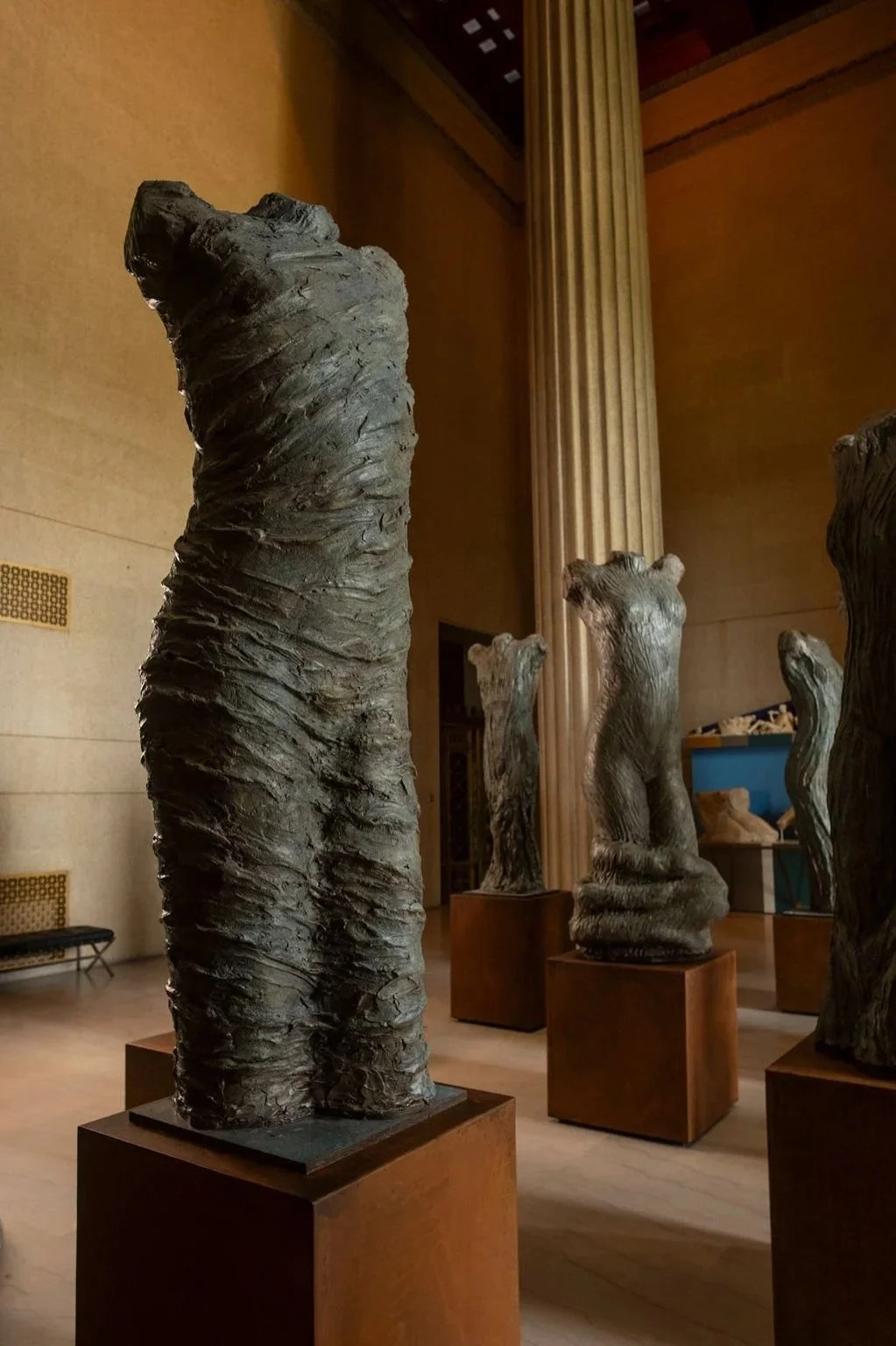
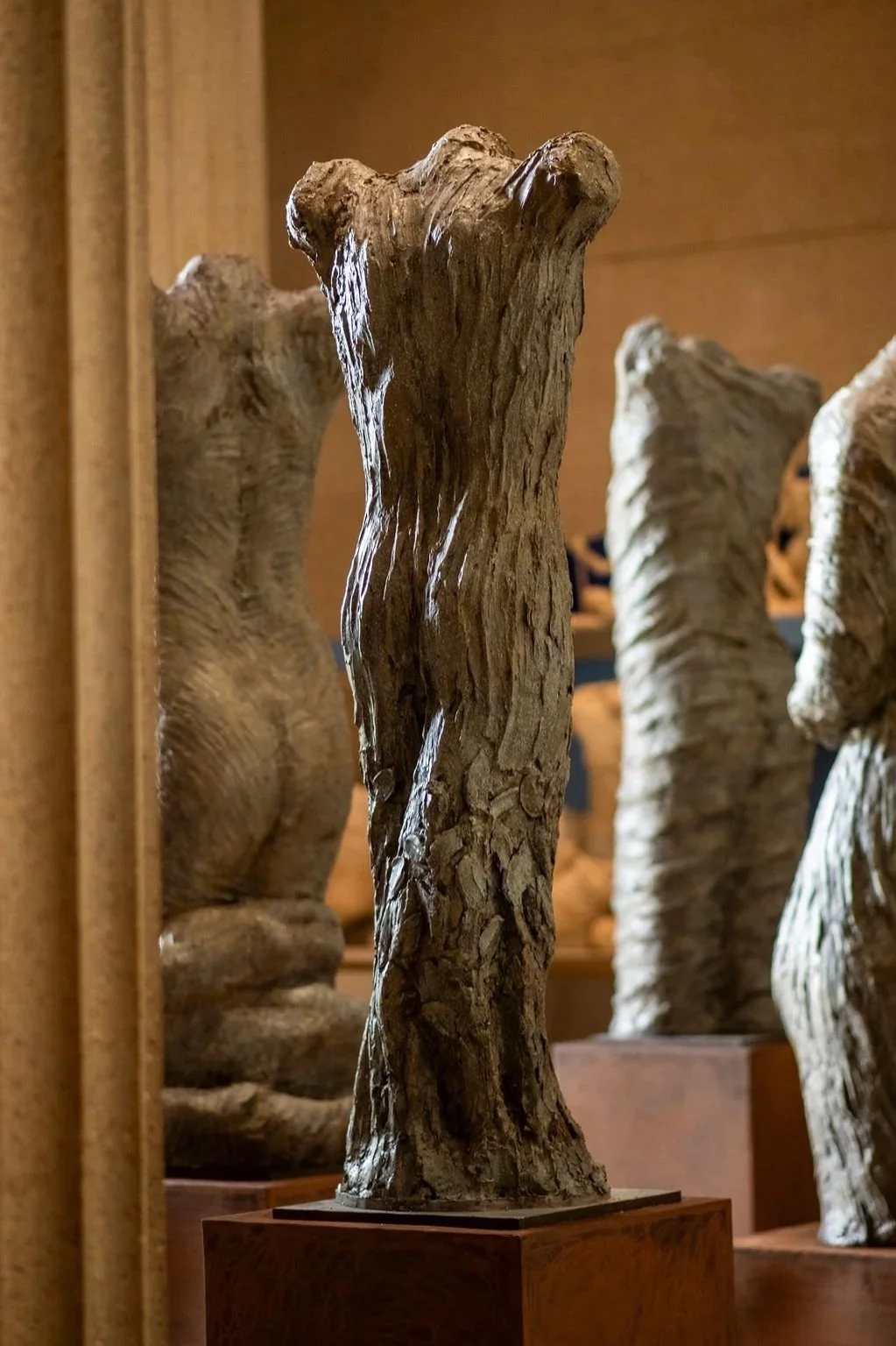
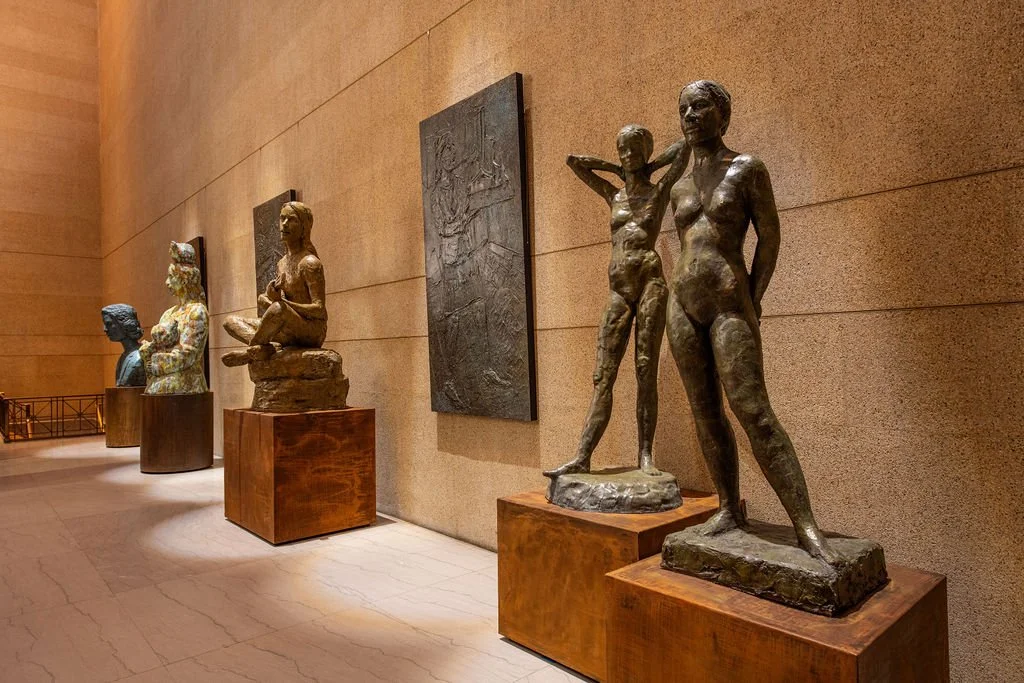
In addition to the large-scale portraits, I’ve included ten torsos in the exhibit that are my reinterpretation of one part of the classical figurative legacy. I wanted to consider the Romantic notion of the Greek fragment. That was a 19th century fad that expired a long time ago, but we inherit the idea of the human torso as a complete work. It is not a broken piece of a body, but a streamlined, simplified conveyer of the essence of a human being. It is the place of the breath and heart, that hopefully will impress with its own life and living presence.
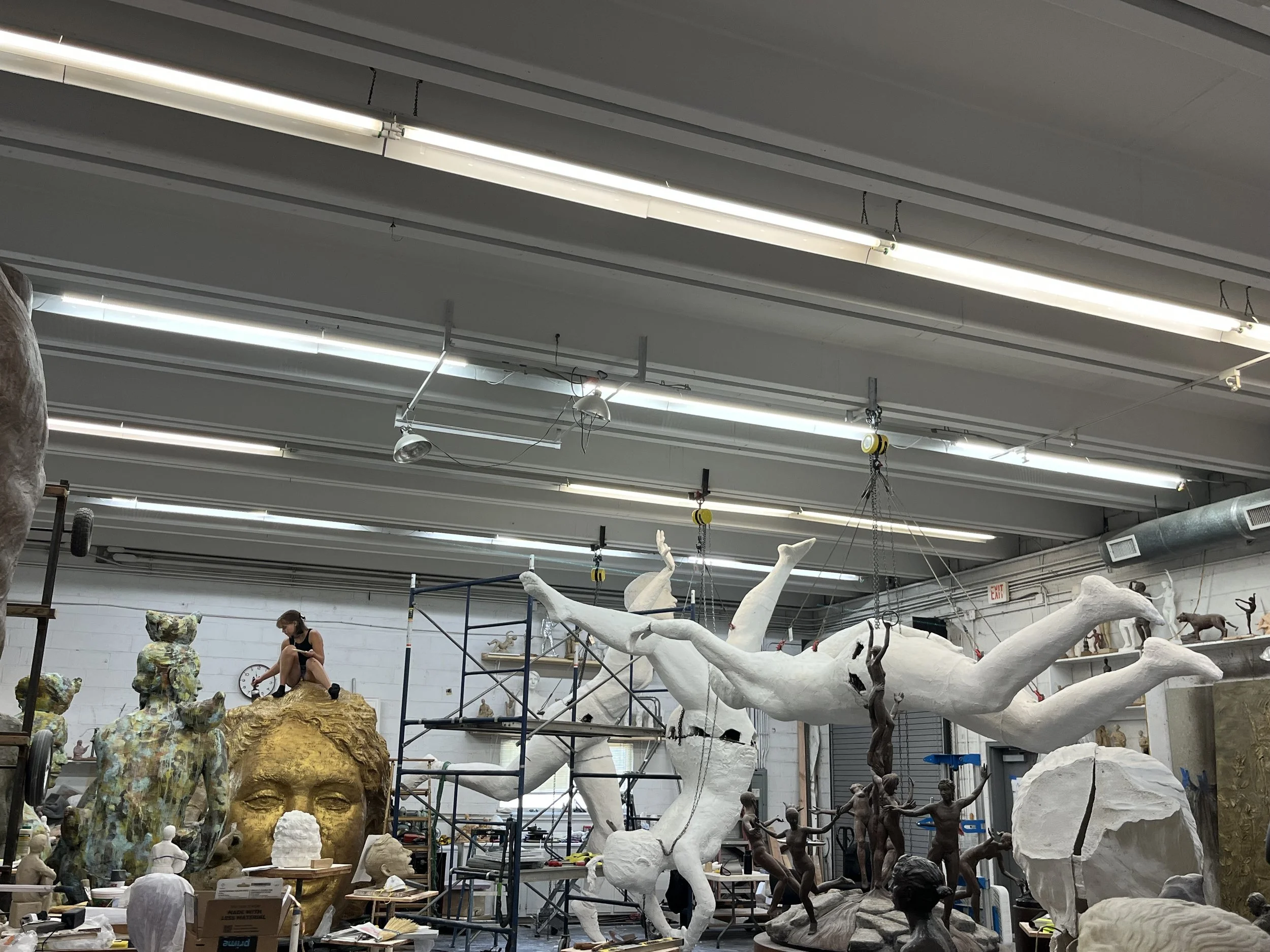
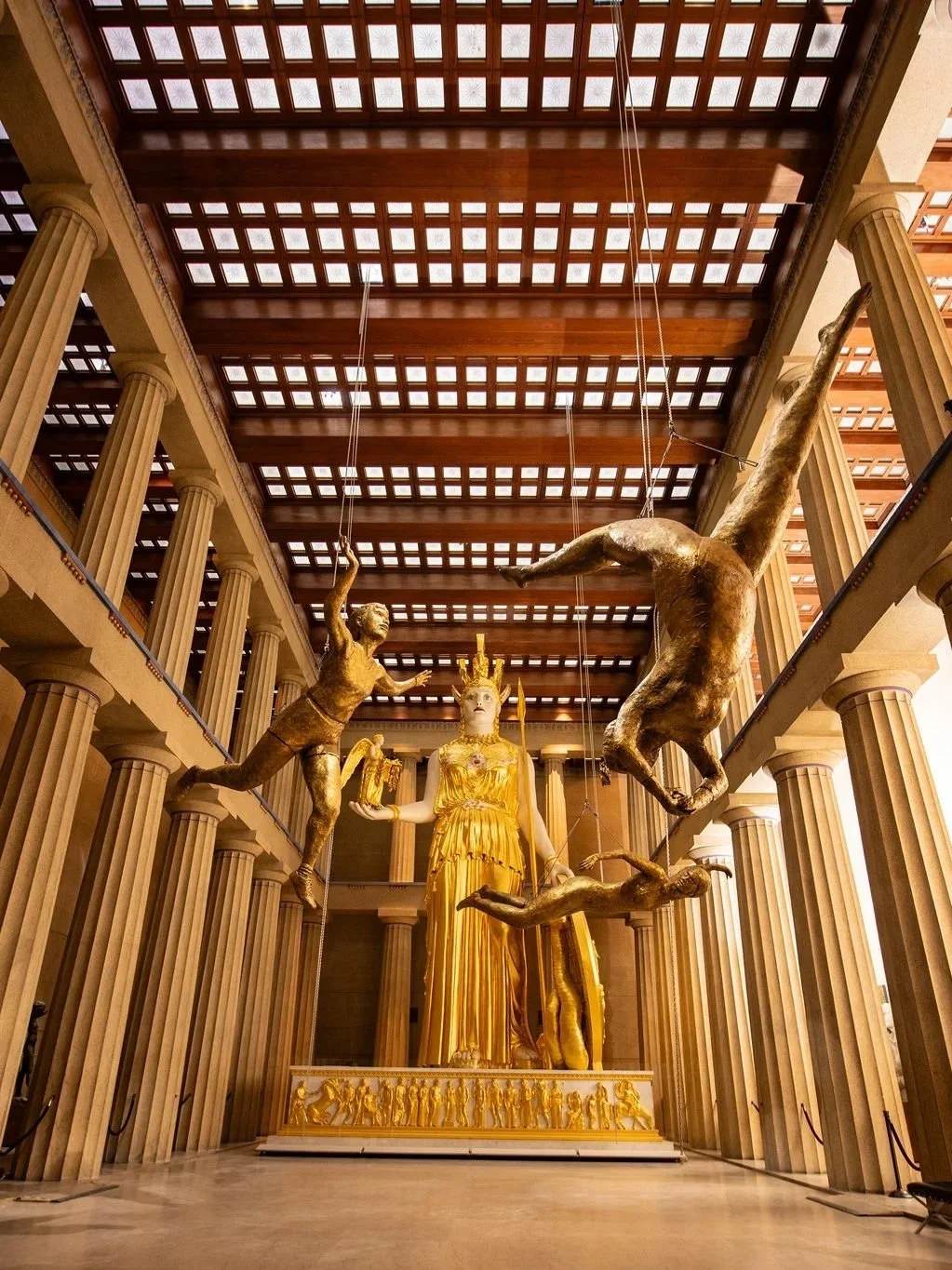
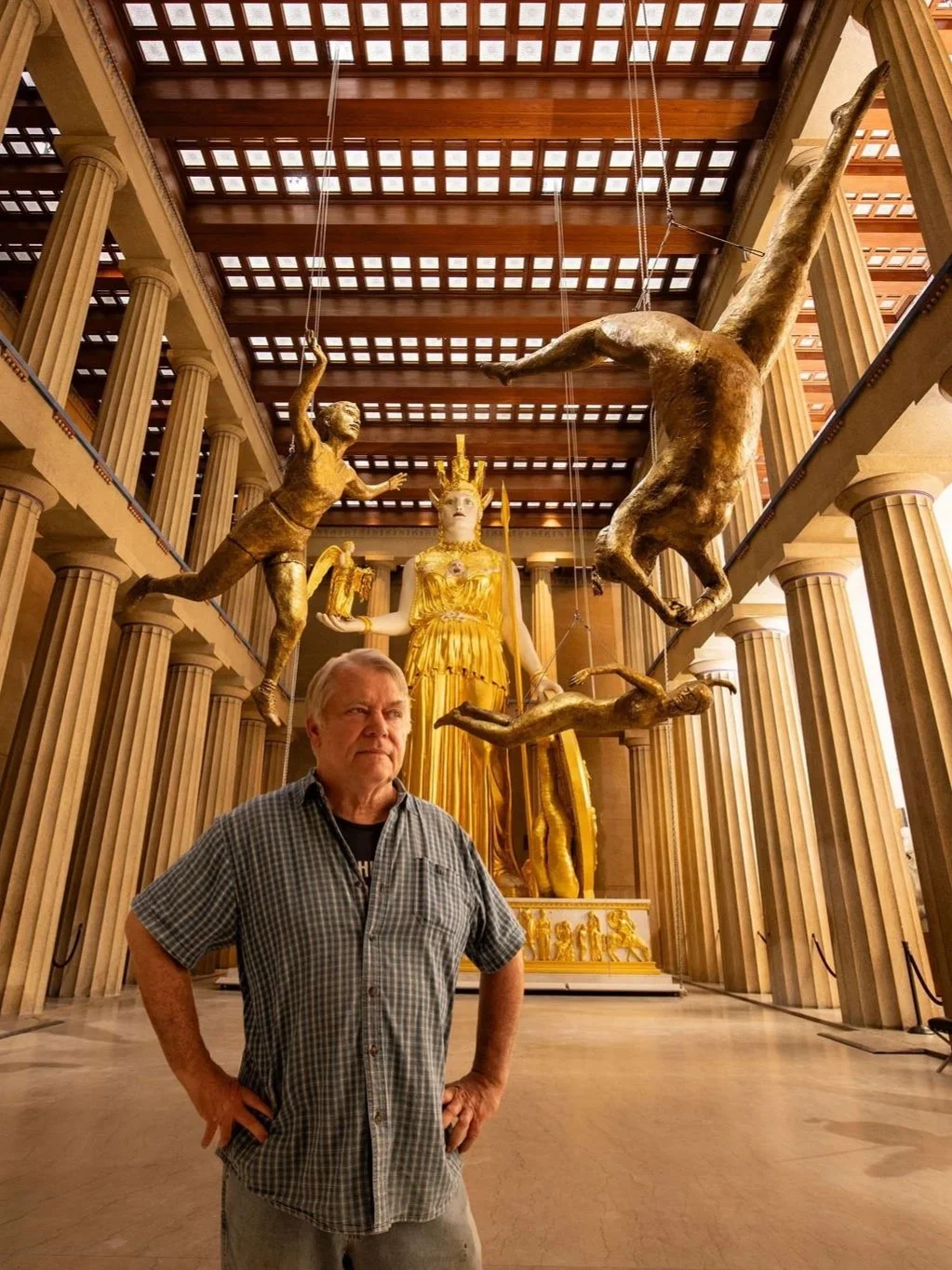
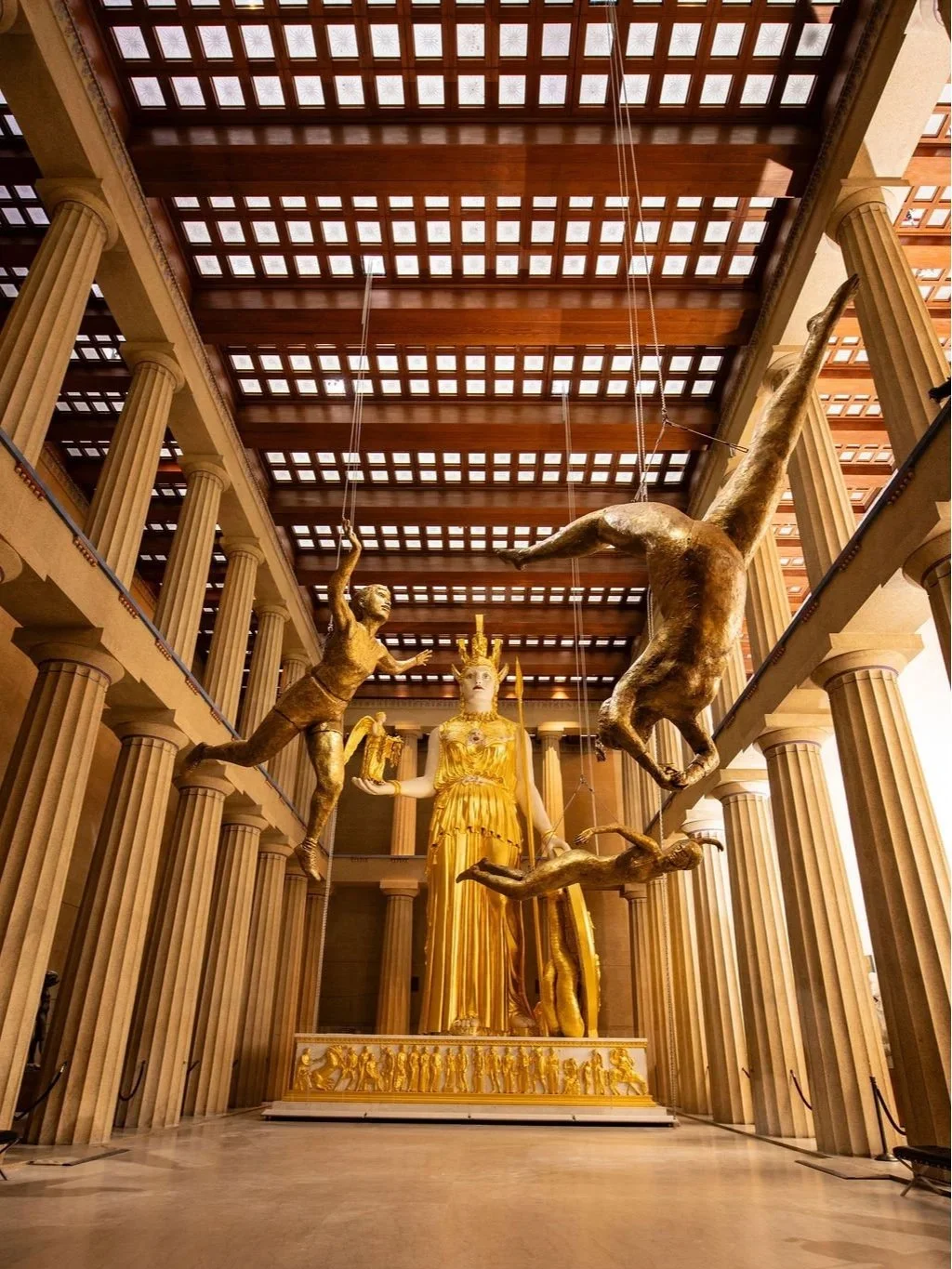
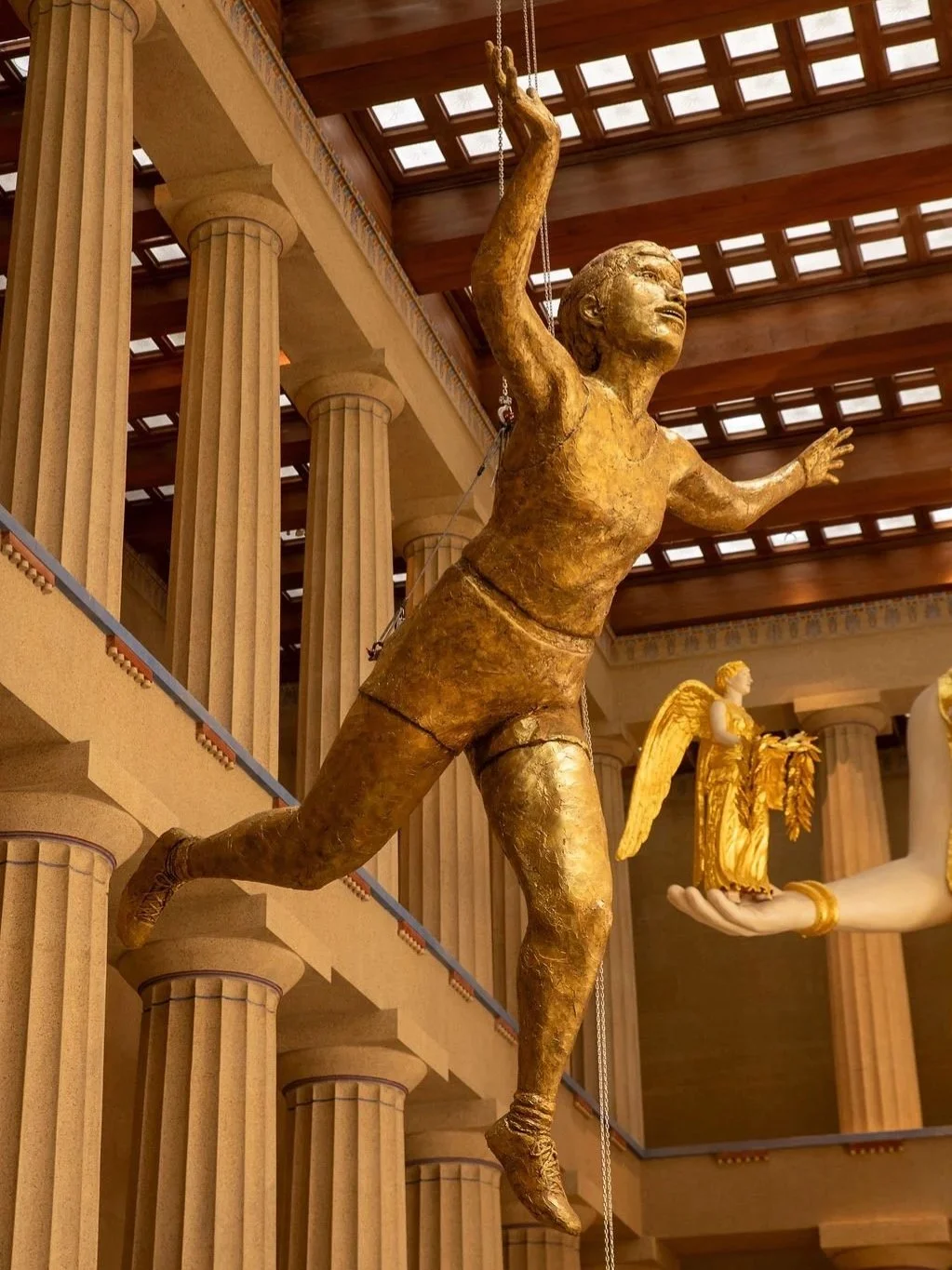
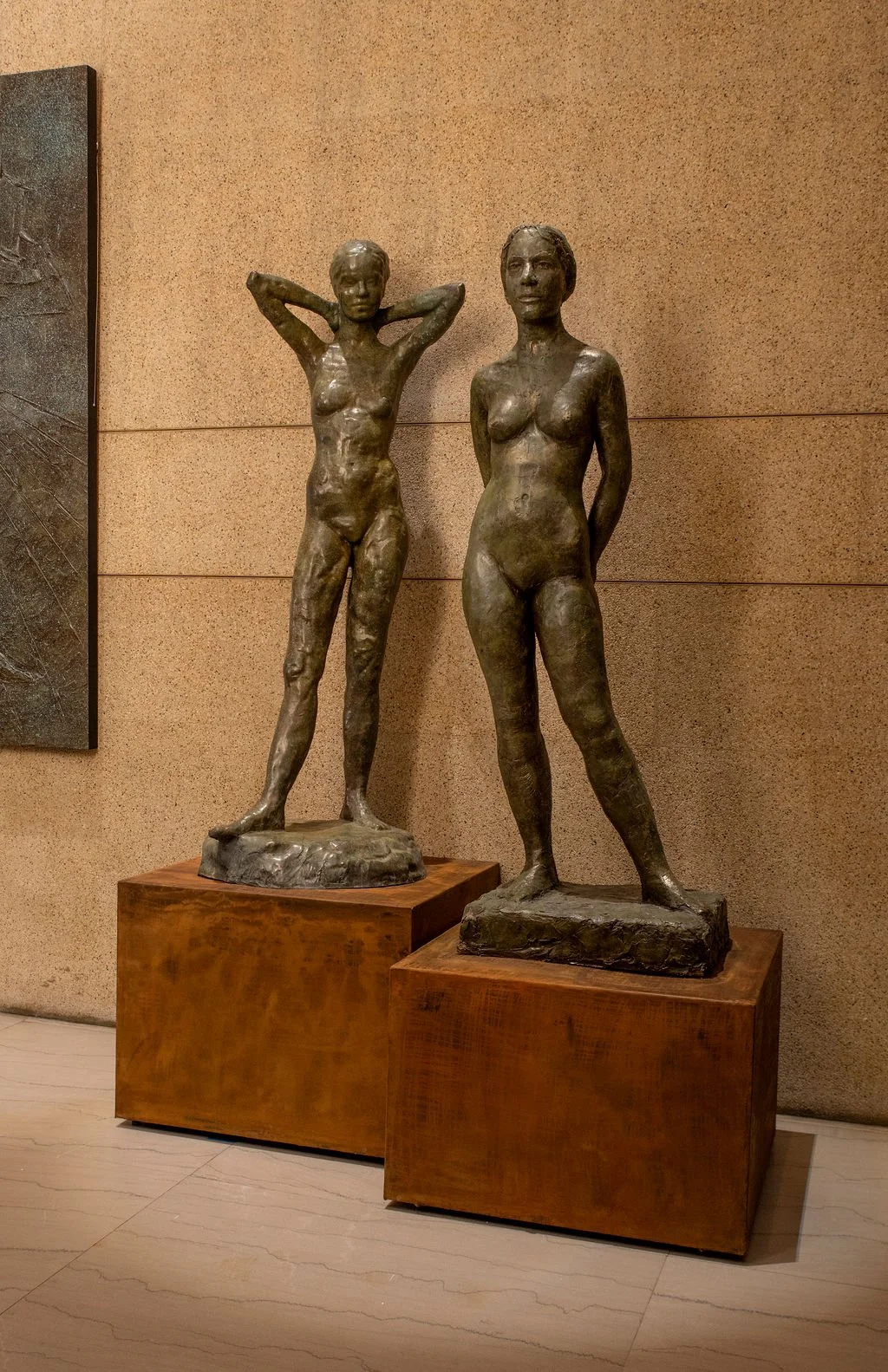
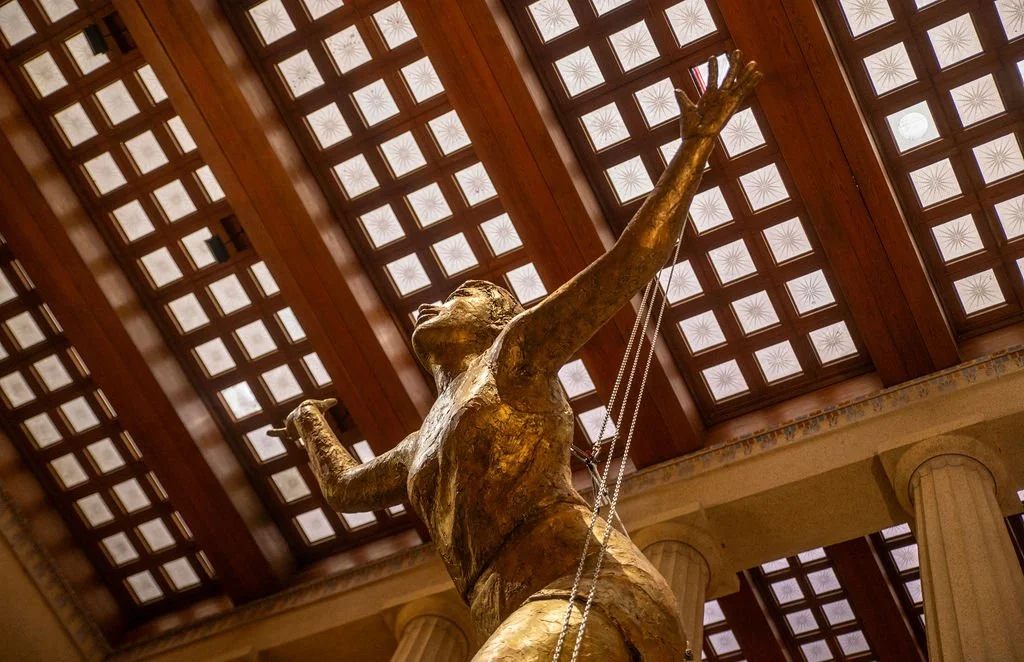
Suspended Athletes (Inspired by Olympians)
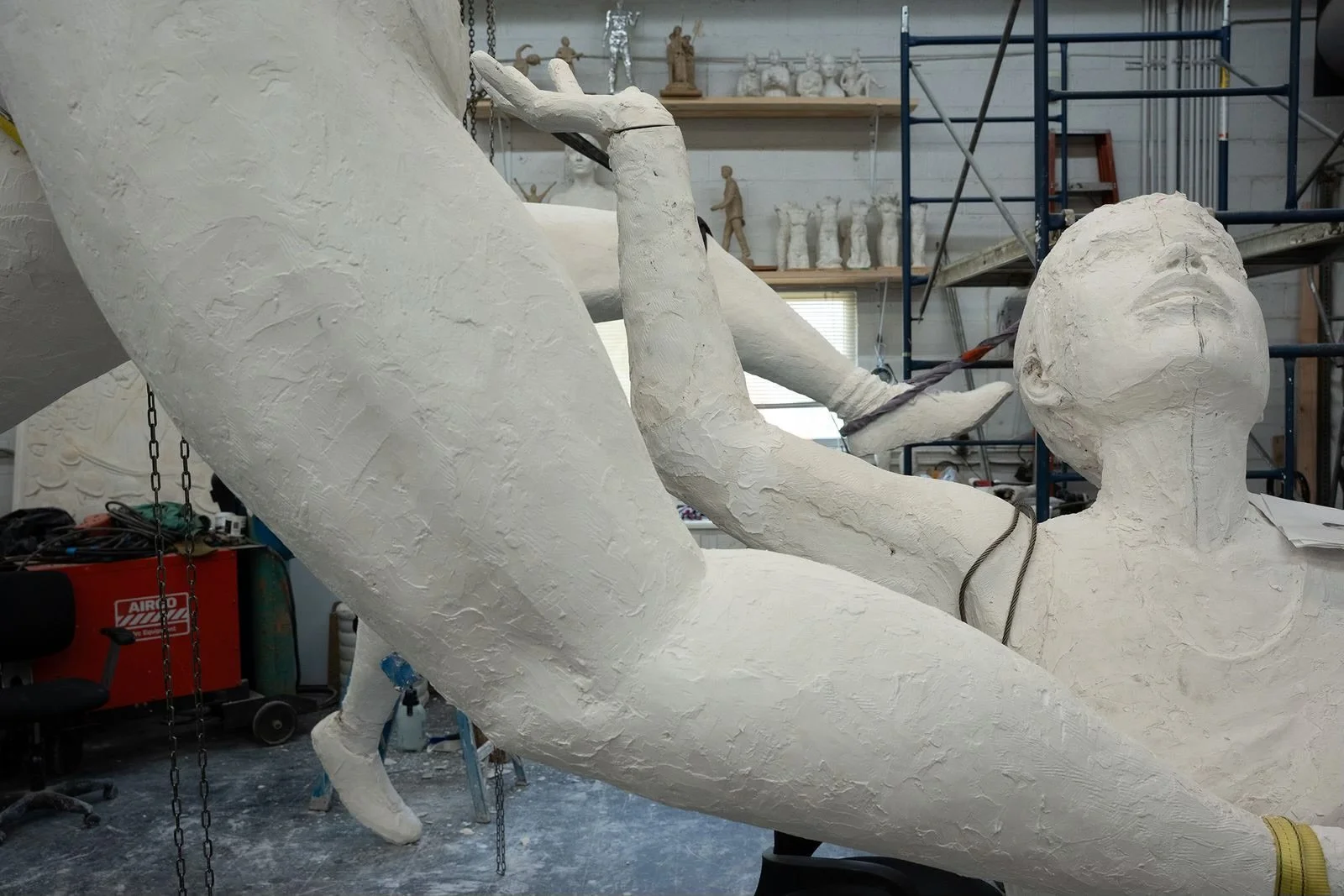
Gymnast, inspired by Simone Biles
Runner, inspired by Wilma Rudolph
Swimmer, inspired by Katie Ledecky, Tracy Caulkins and the Walsh sisters
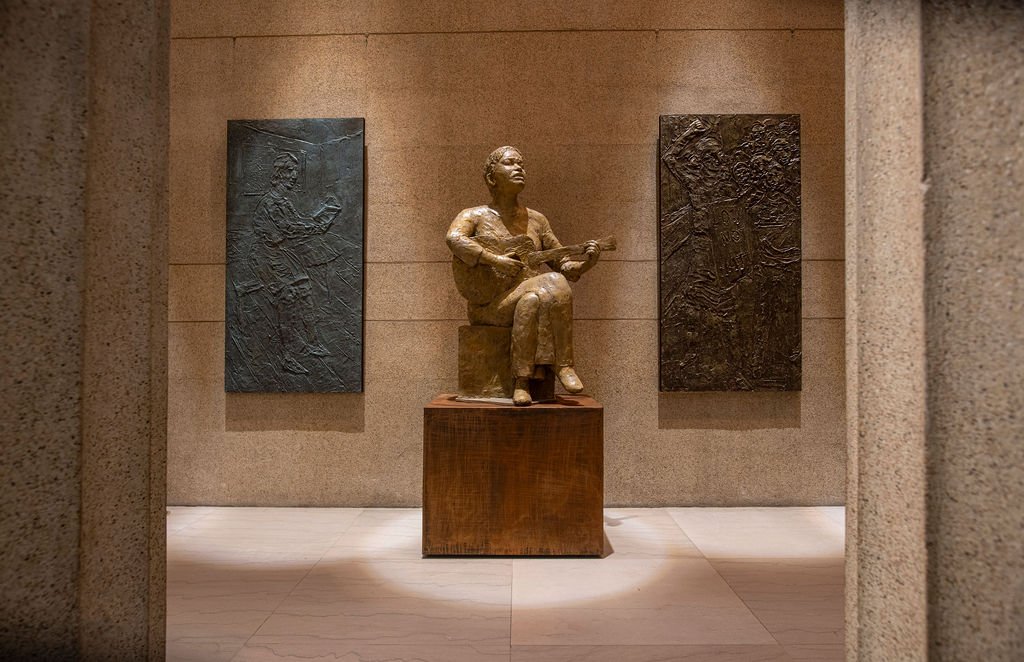
Colonnade Sculptures
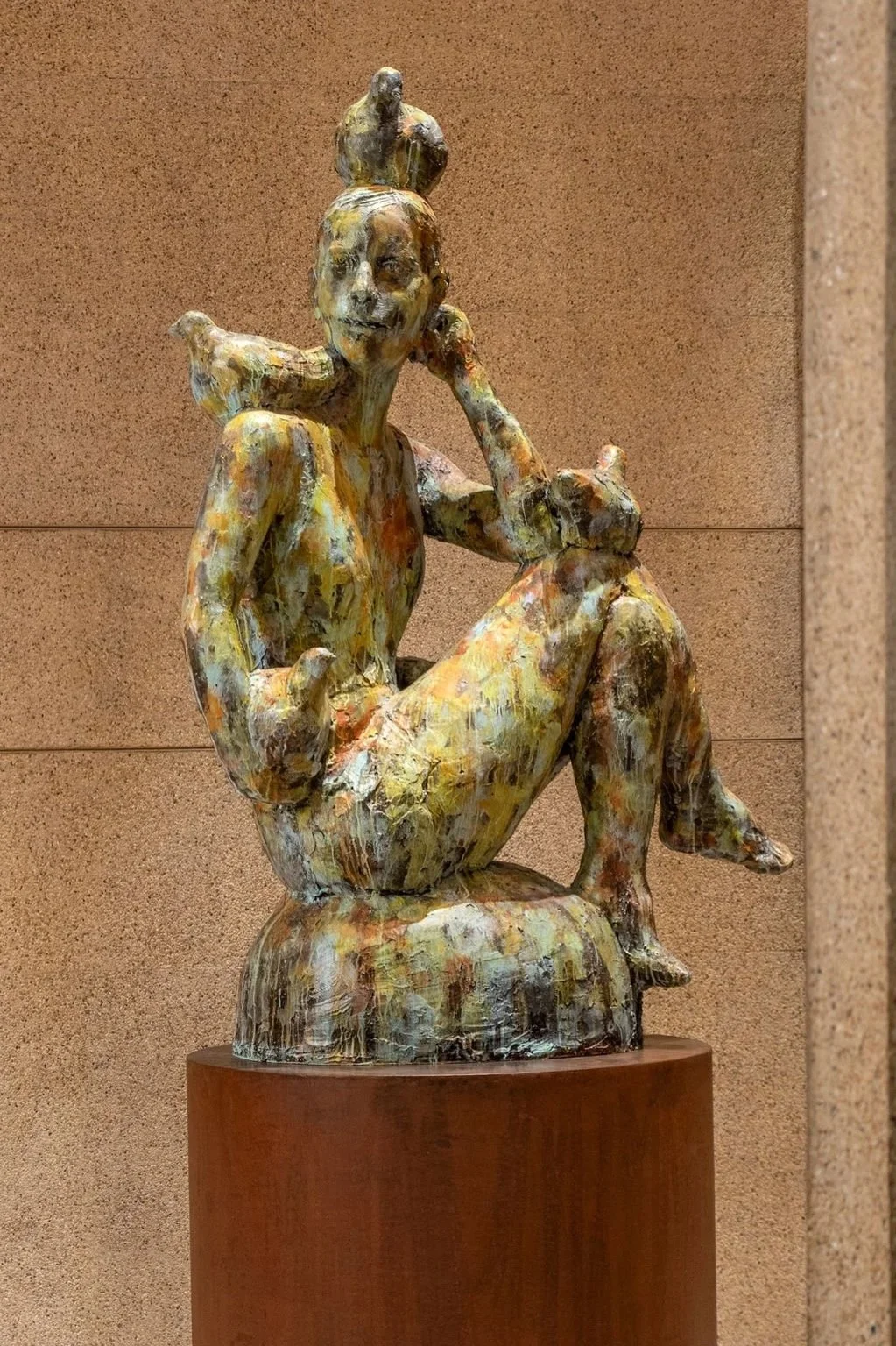
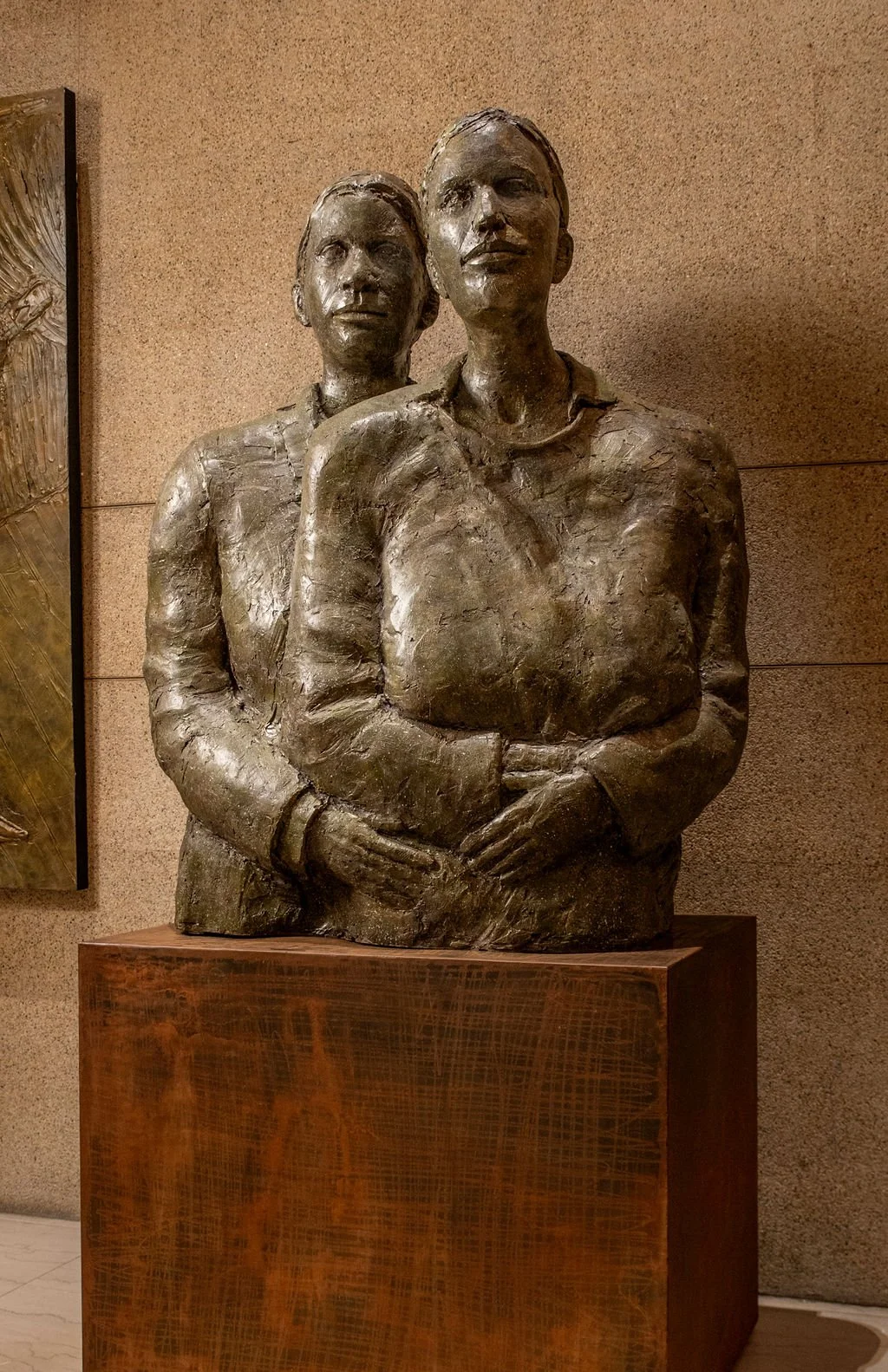
These pieces are all inspired by real women that I admire, or whom I consider role models.
Aunt Eleanor
Mary Mark
Dr. Mildred Stahlman
Dr. Dorothy Brown
Sisters
A Couple
Sifan Hassan
Diane Nash
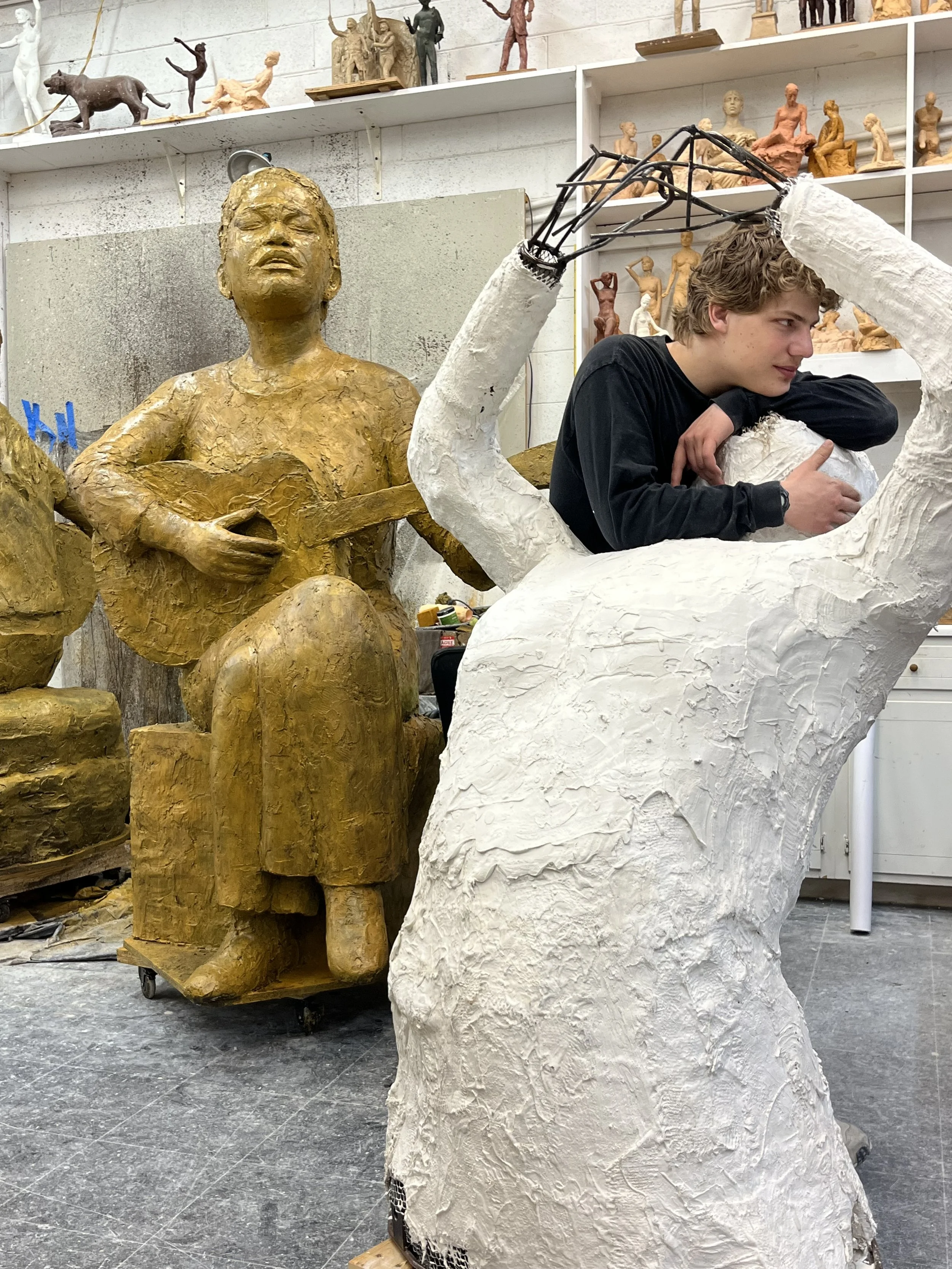
Odetta
Joan Baez
Relief Paintings
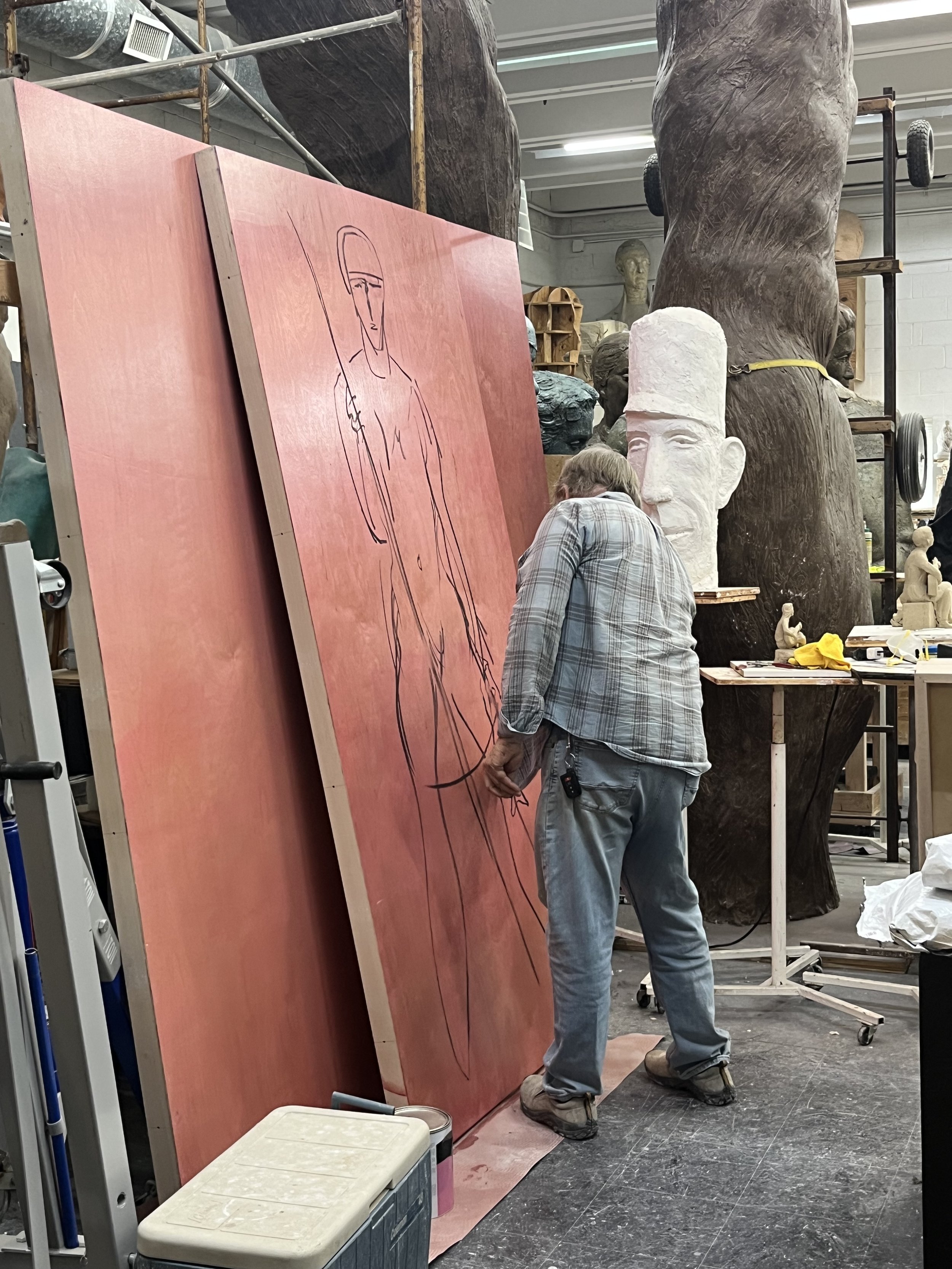
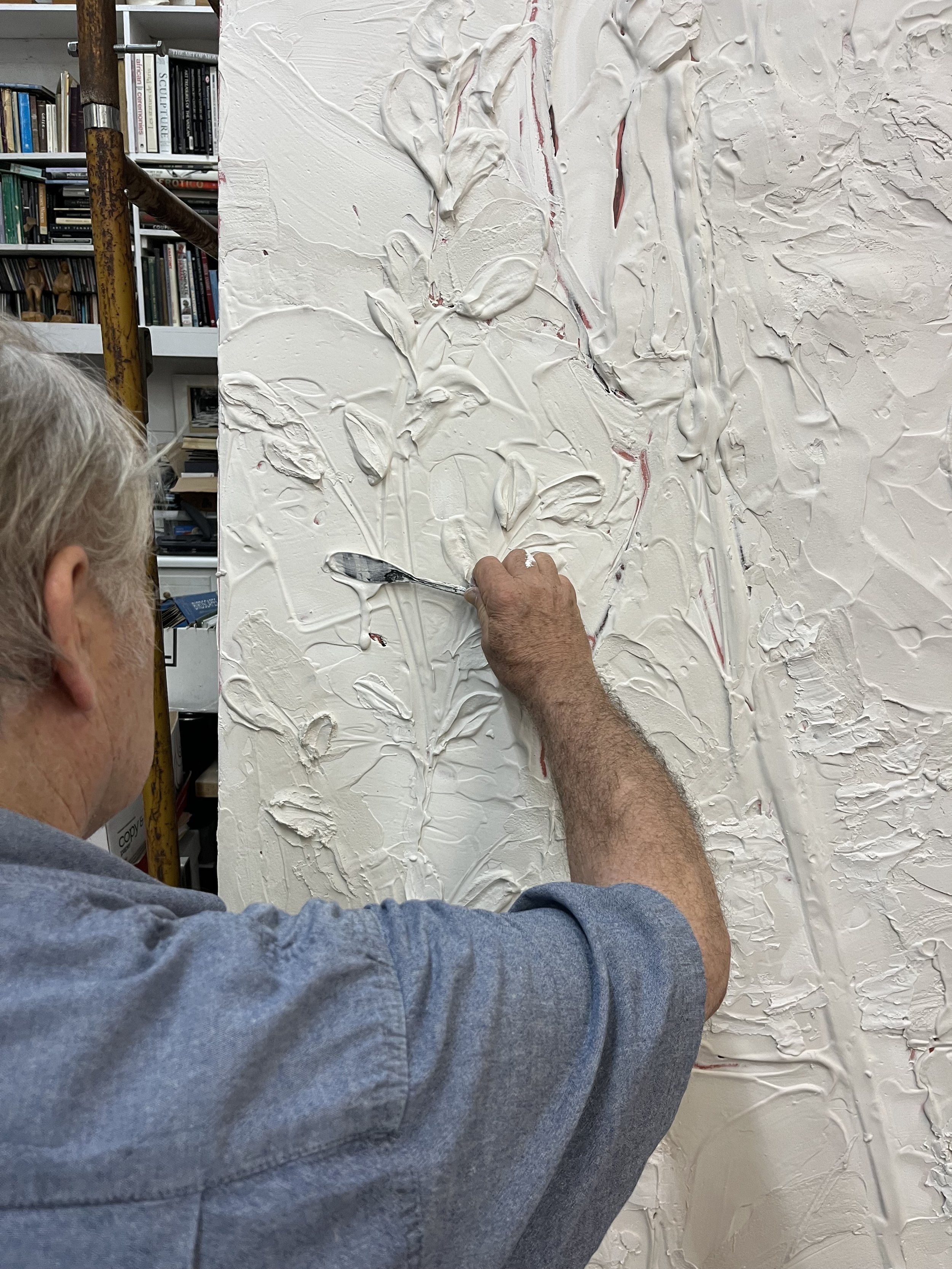
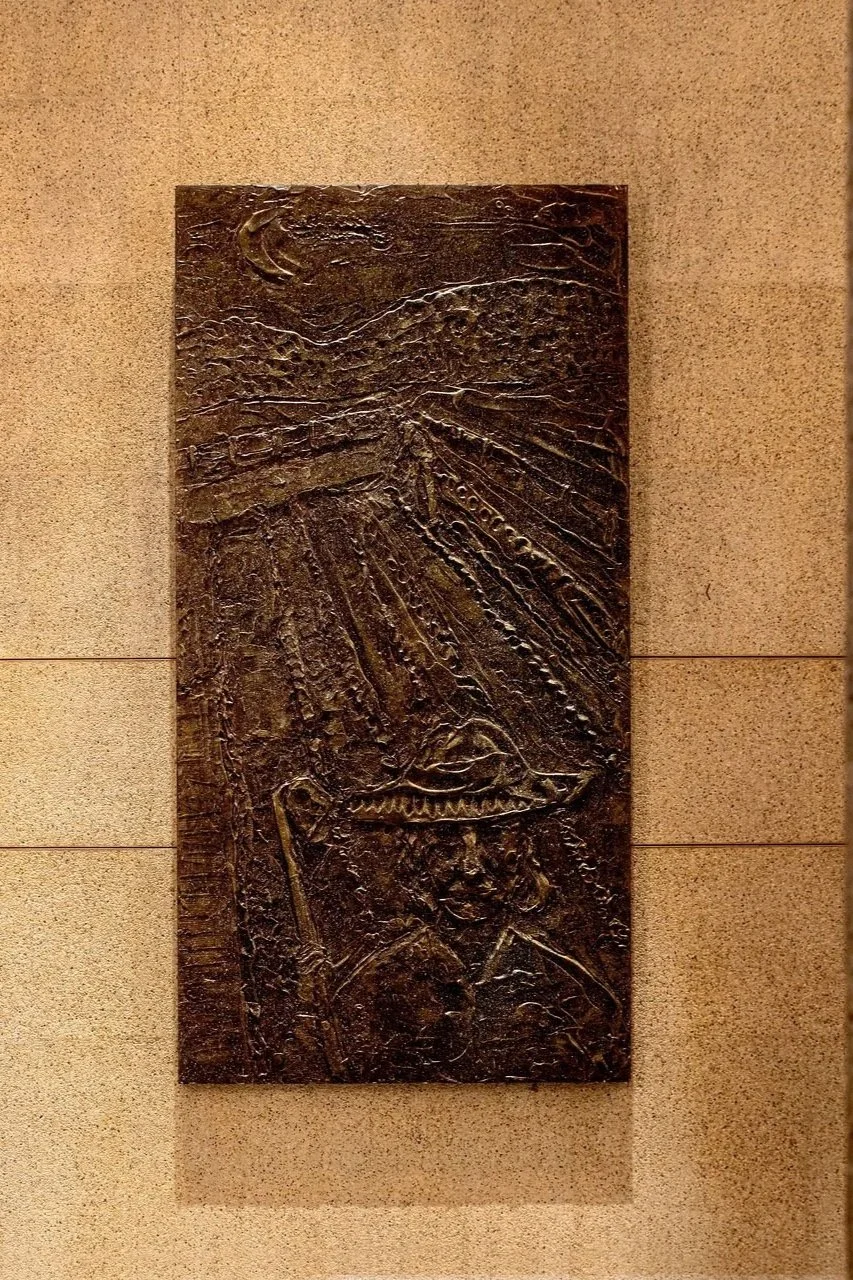
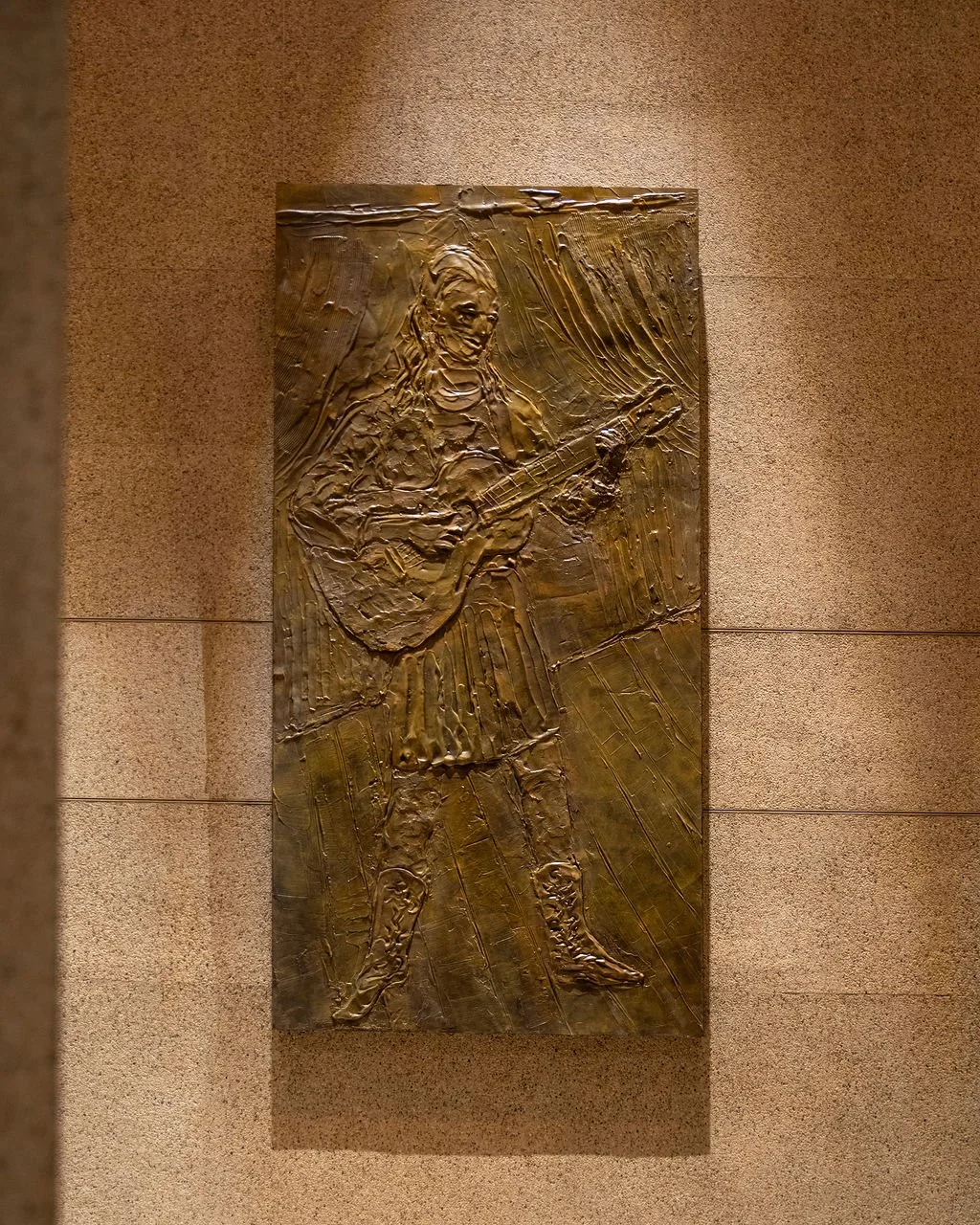
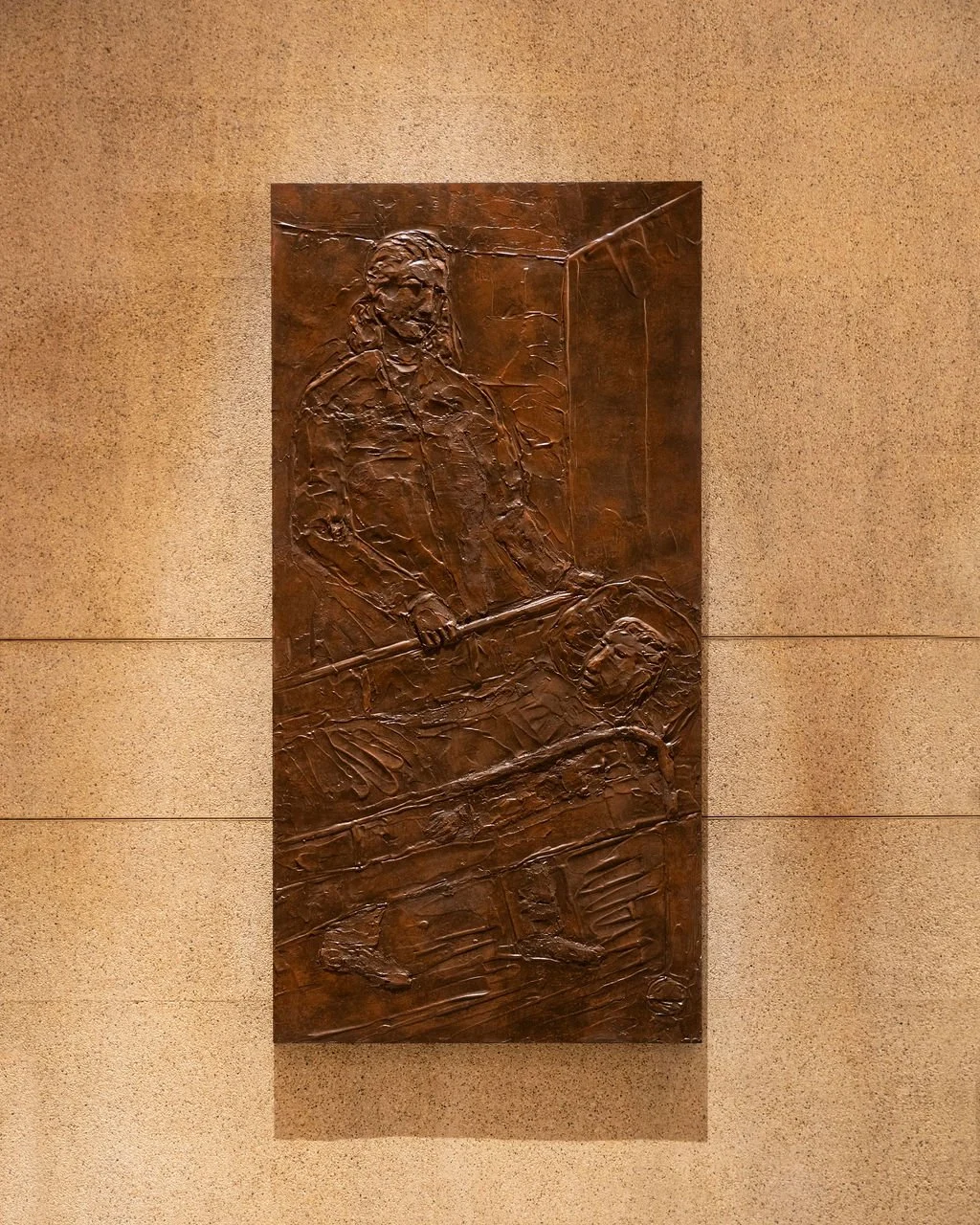
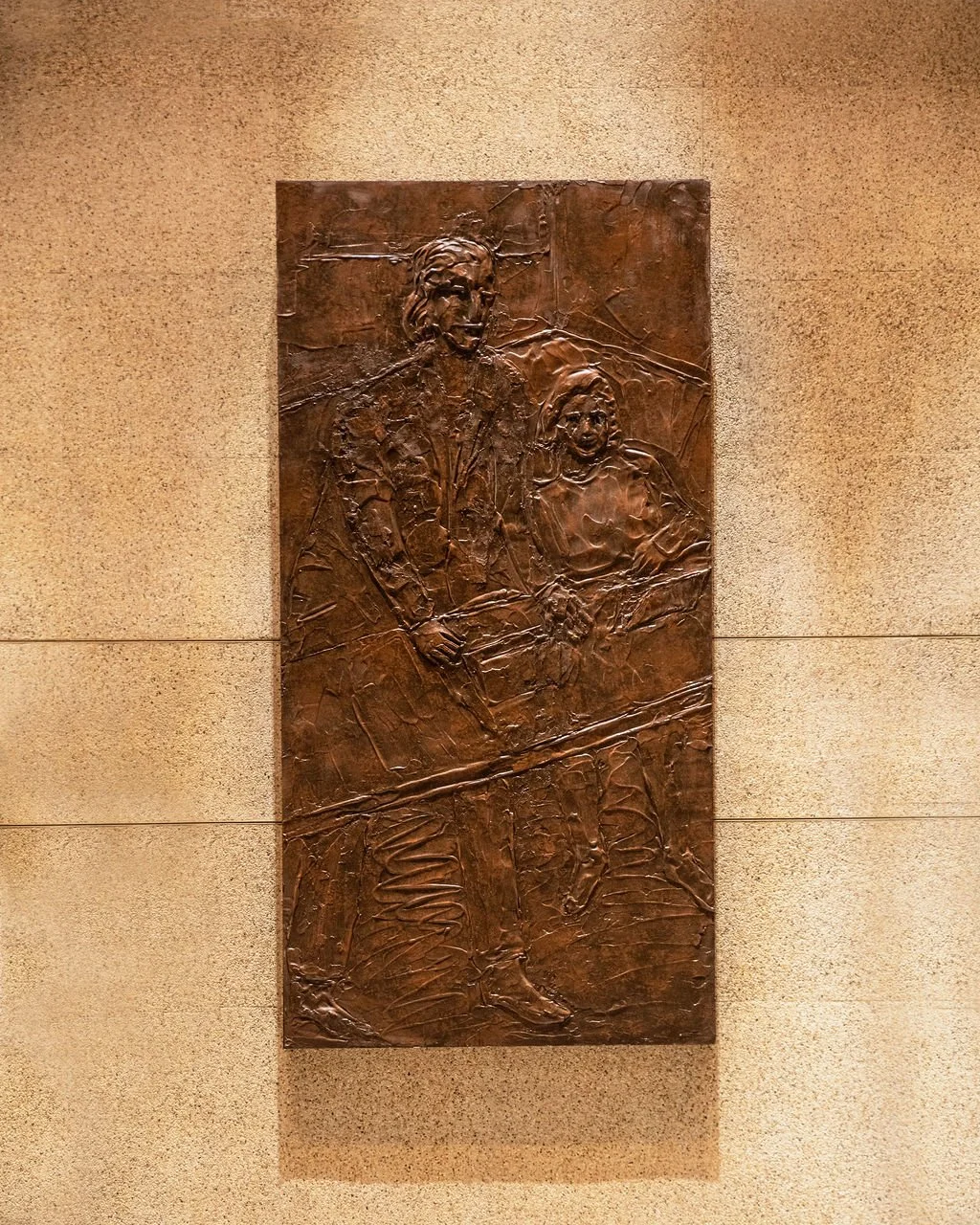
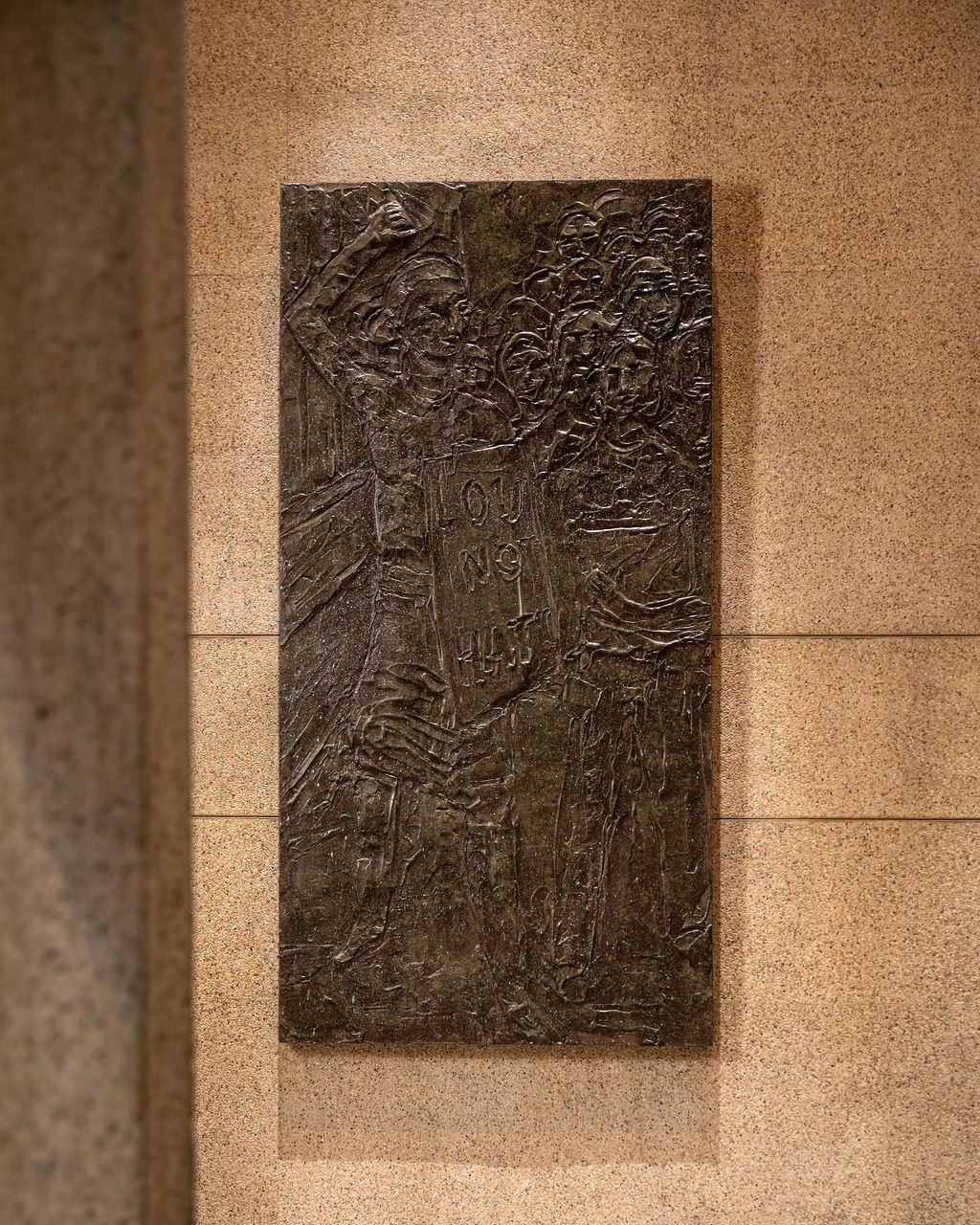
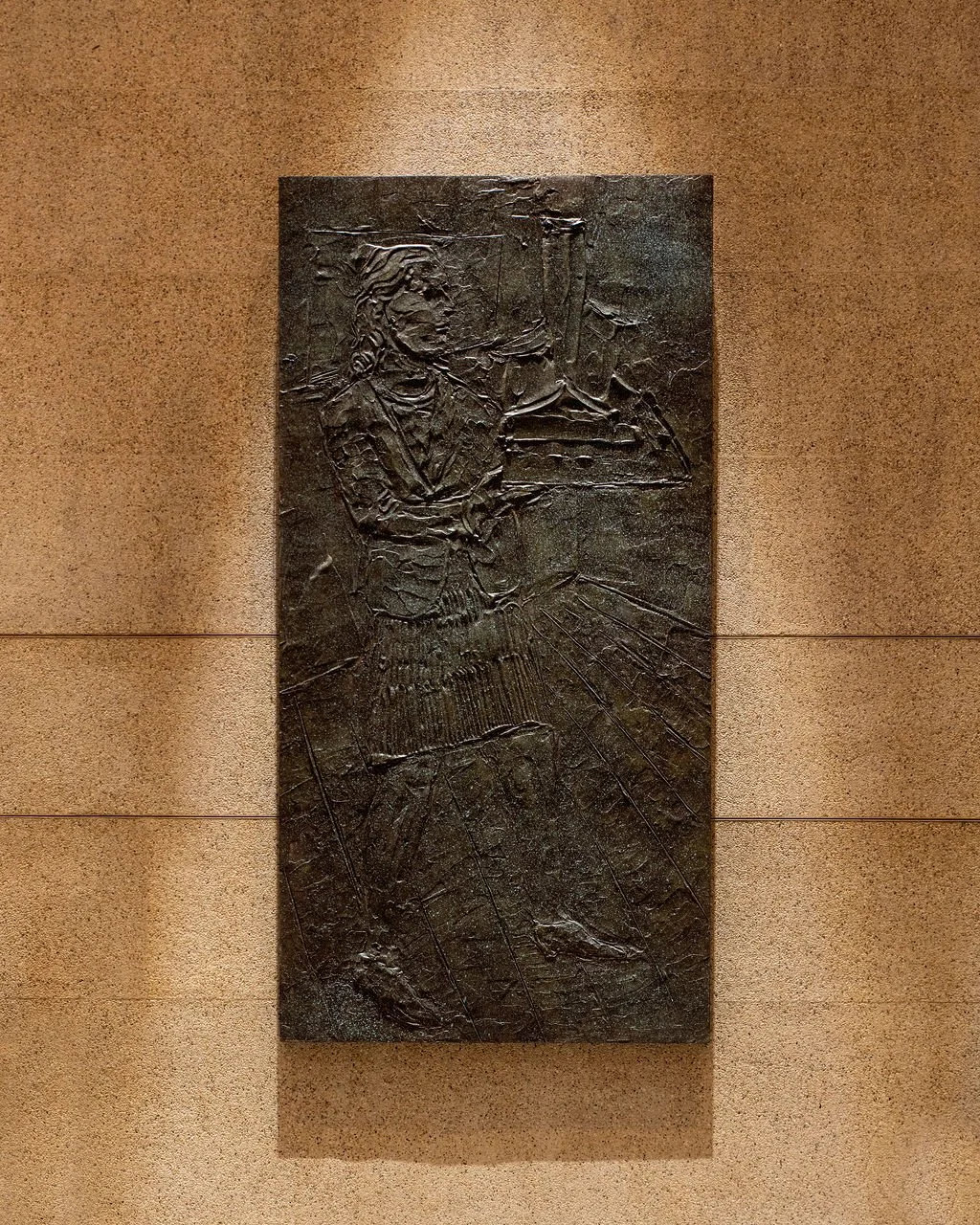
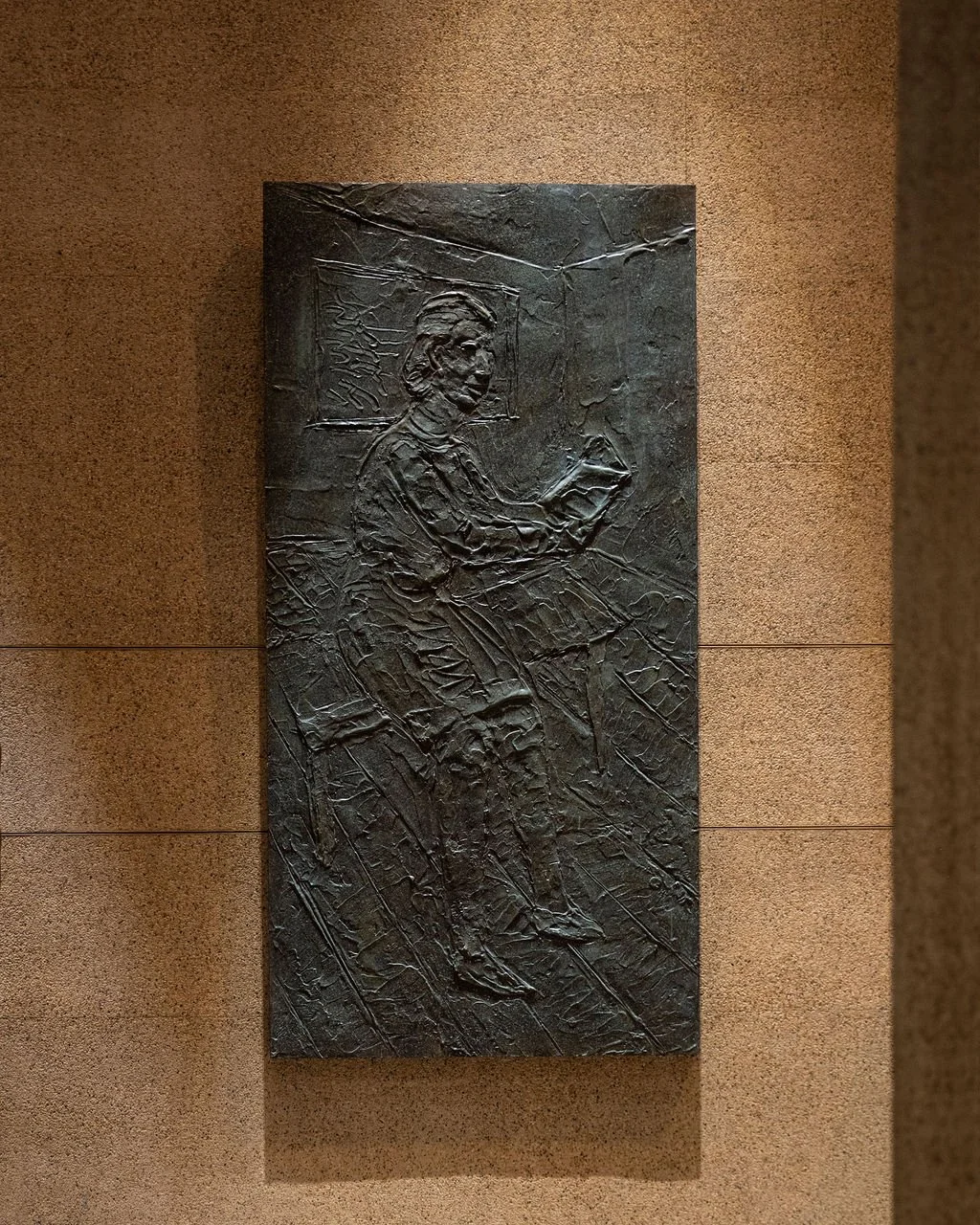
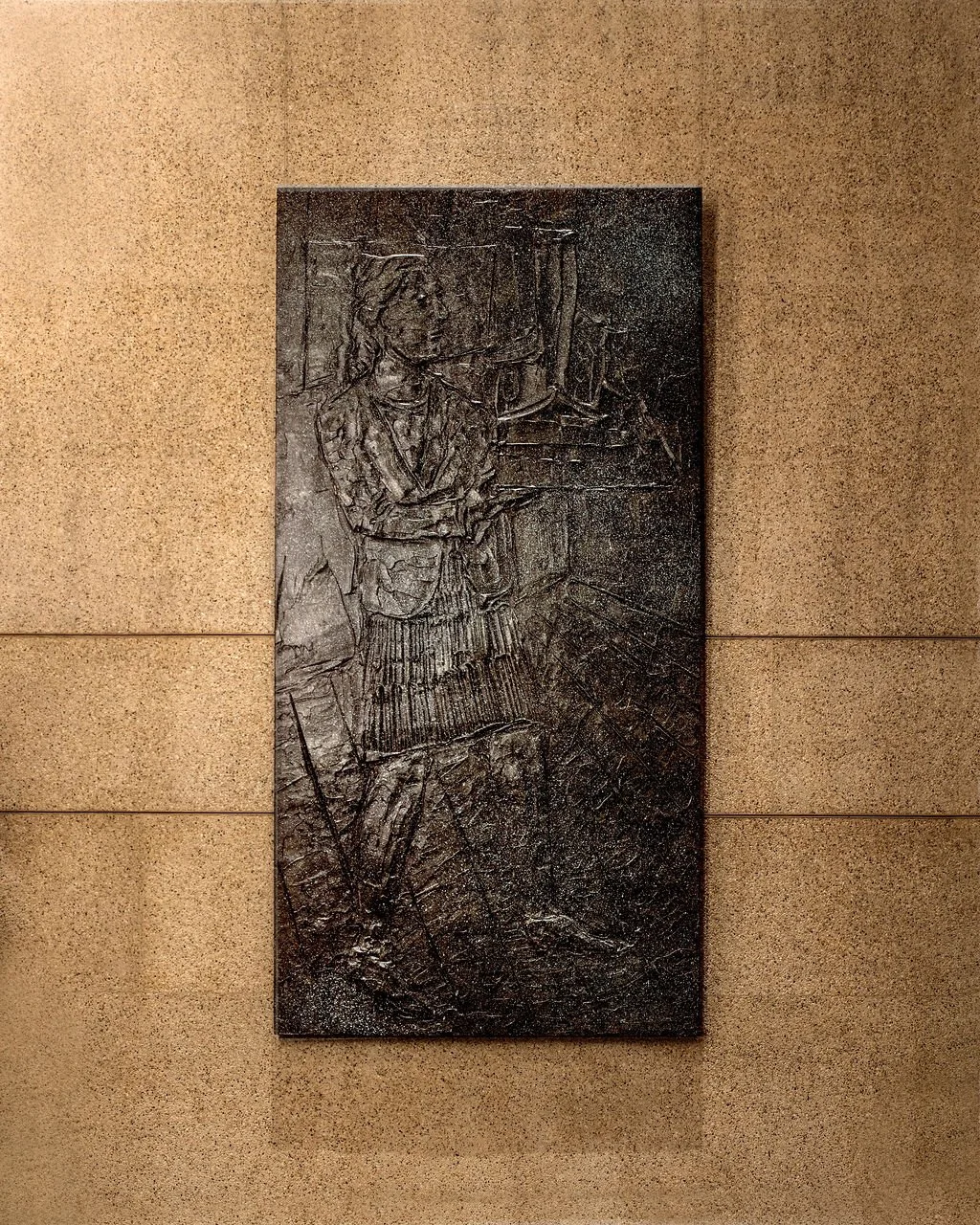
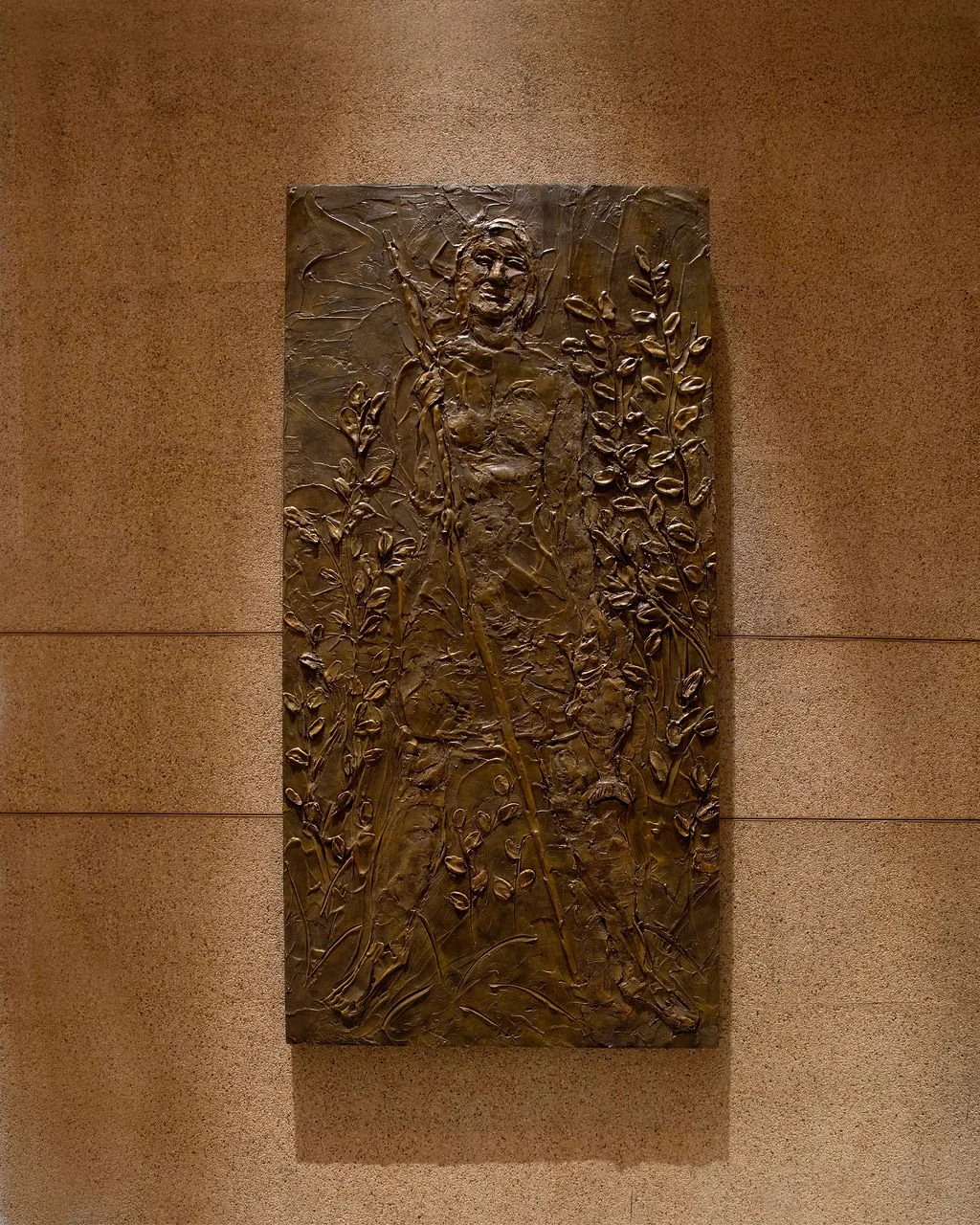
The idea for my relief paintings comes from the French concept of “les metiers” or the professions. This is a theme that often appears in Gothic art, on the cathedral of Chartres, for example, but the figures are male. I wanted to consider how modern female professions would look in a similar framework. Titles as follows:
Fisher
Architect
Teacher
Farmer
Doctor
Song Writer
Entrepreneur
-
Photography by: Dean Dixon.
Studio In House Team: Alan LeQuire, Andrée LeQuire, Elizabeth Cave, and Amber Lelli.
Assistants: Henry Fox, Kat Jay, Stephen Hutchins, Olivia Blanchard, Betsy Bowles, Henry Burch, Meredith Edmondson, Robert Gregory, Alex Johnson, Tucker Knoll, Freddy Loew, and Emily Mann.
Bases: Dave Clark
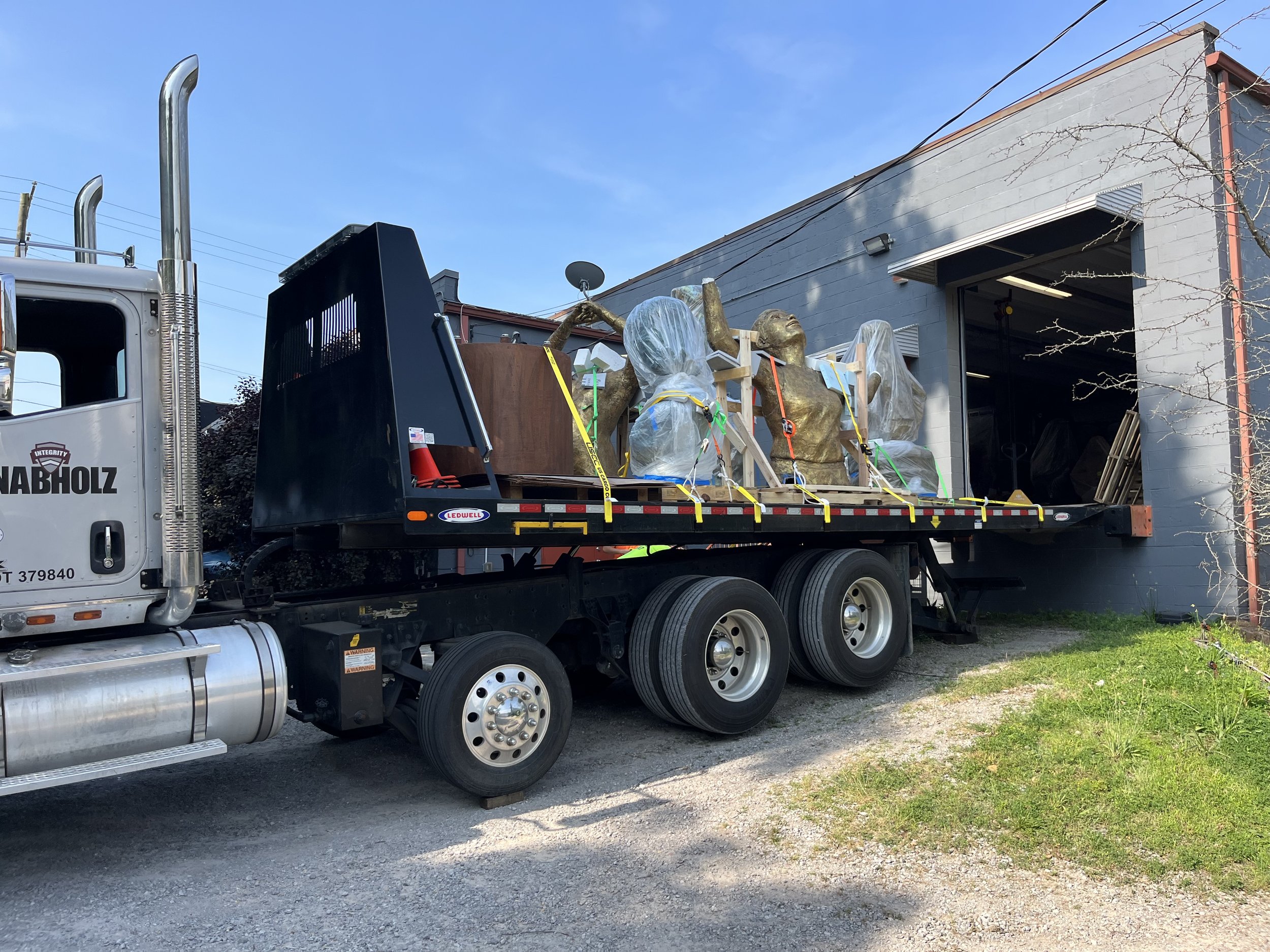
Installation: Nabholtz
Tennessee Crossroads Feature
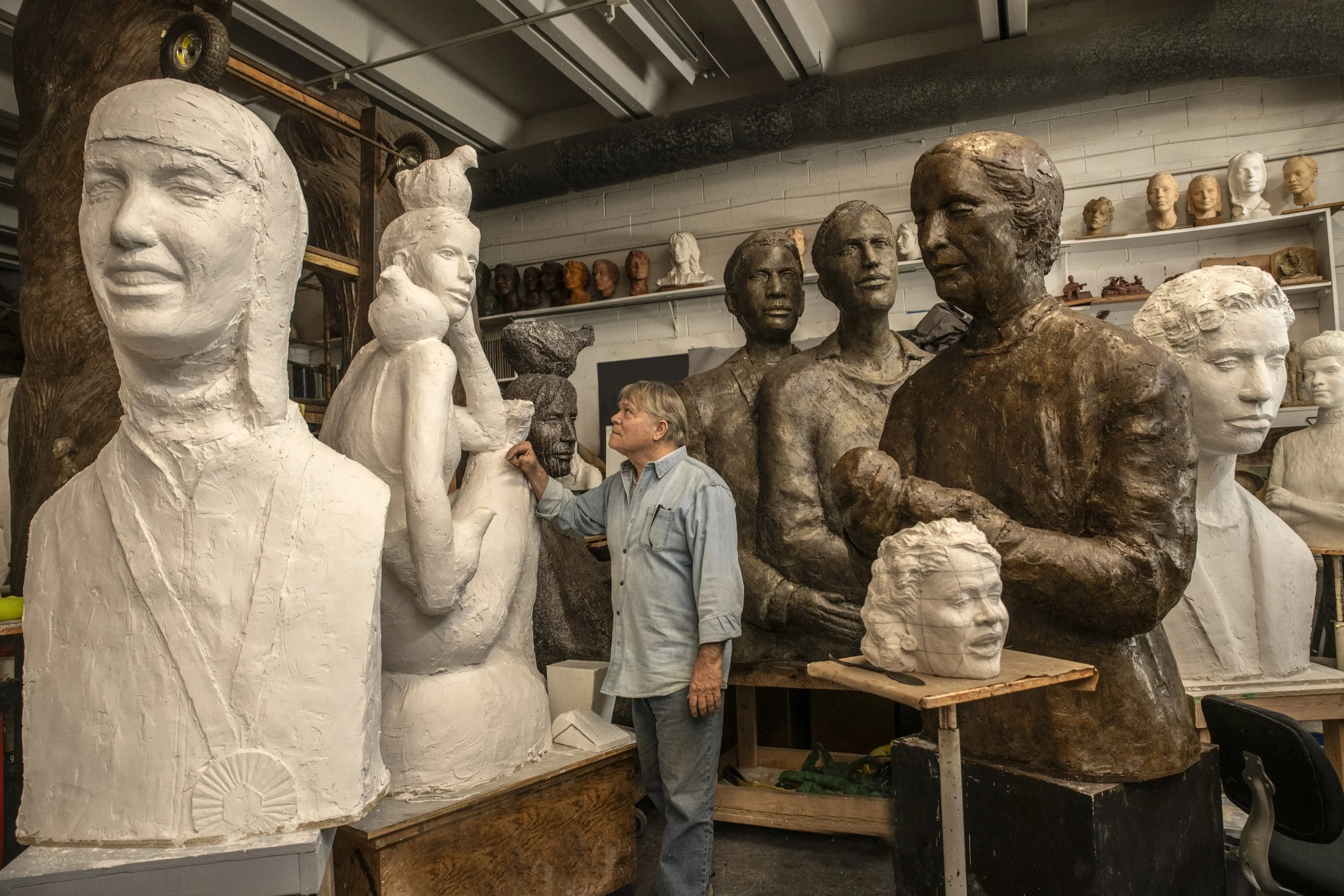
Vicki Yates tours a new exhibit inside the Parthenon.
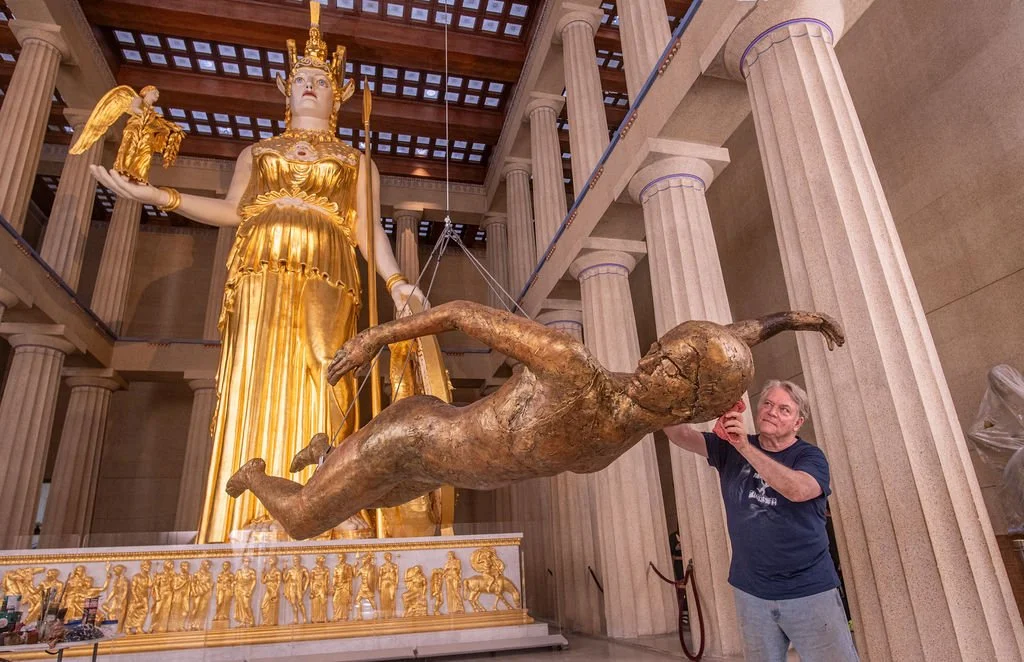
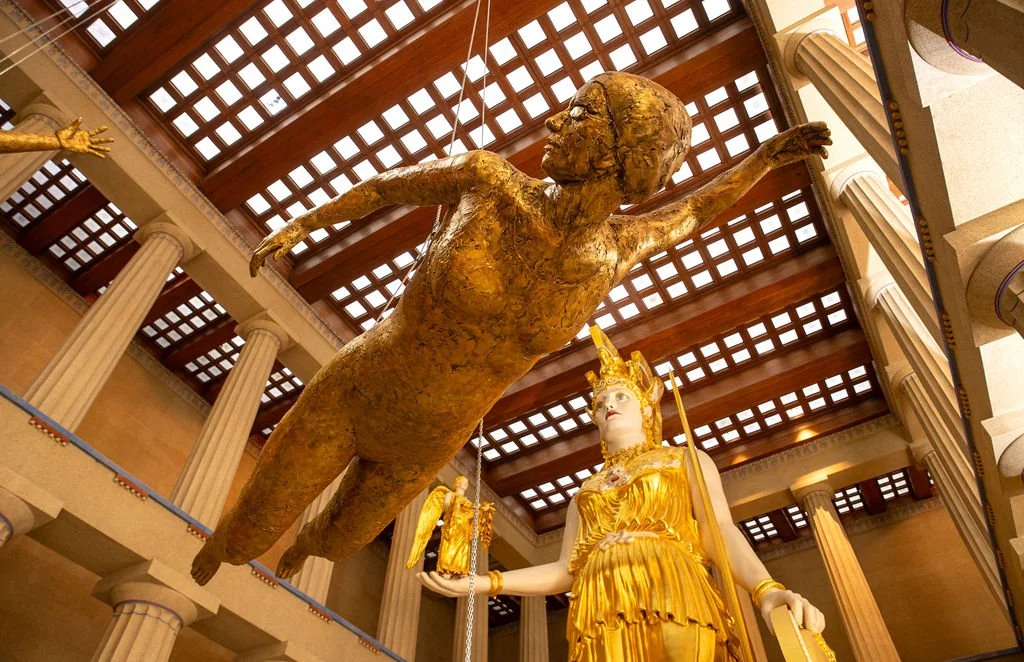
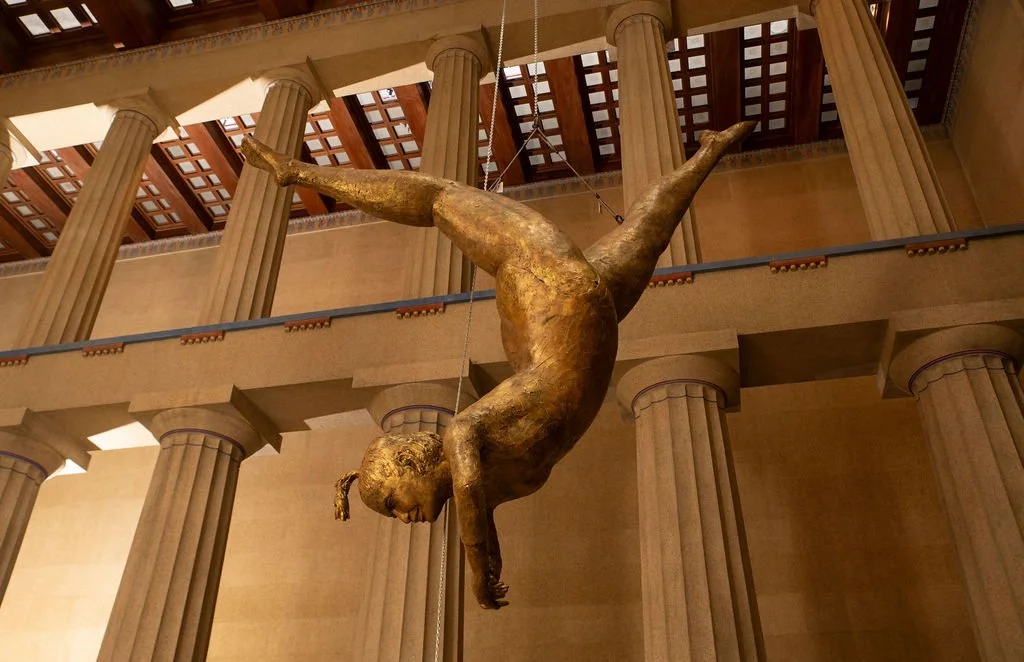
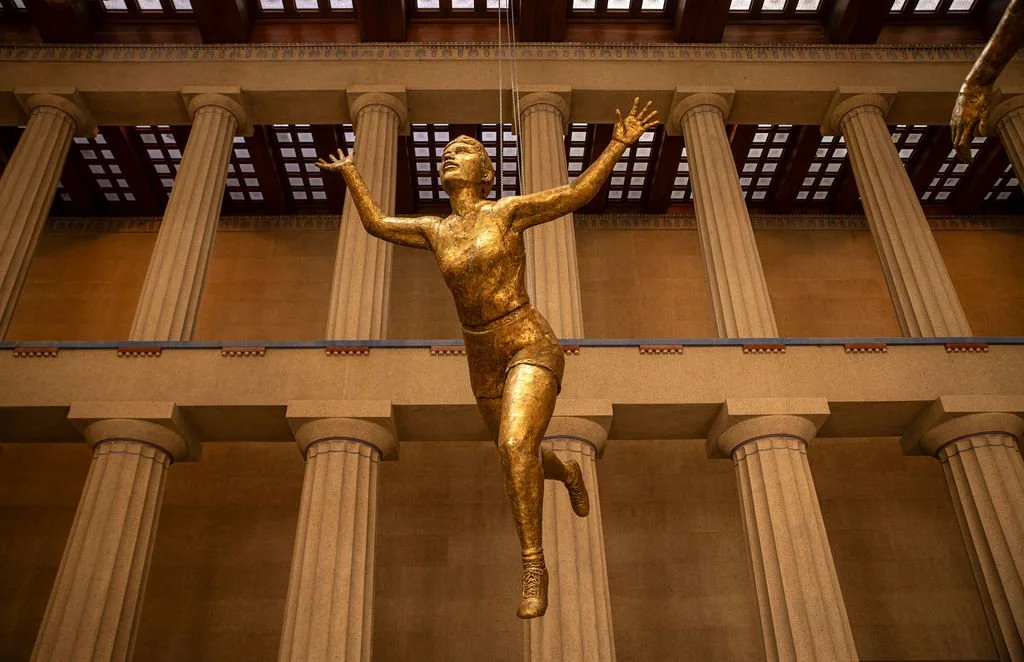
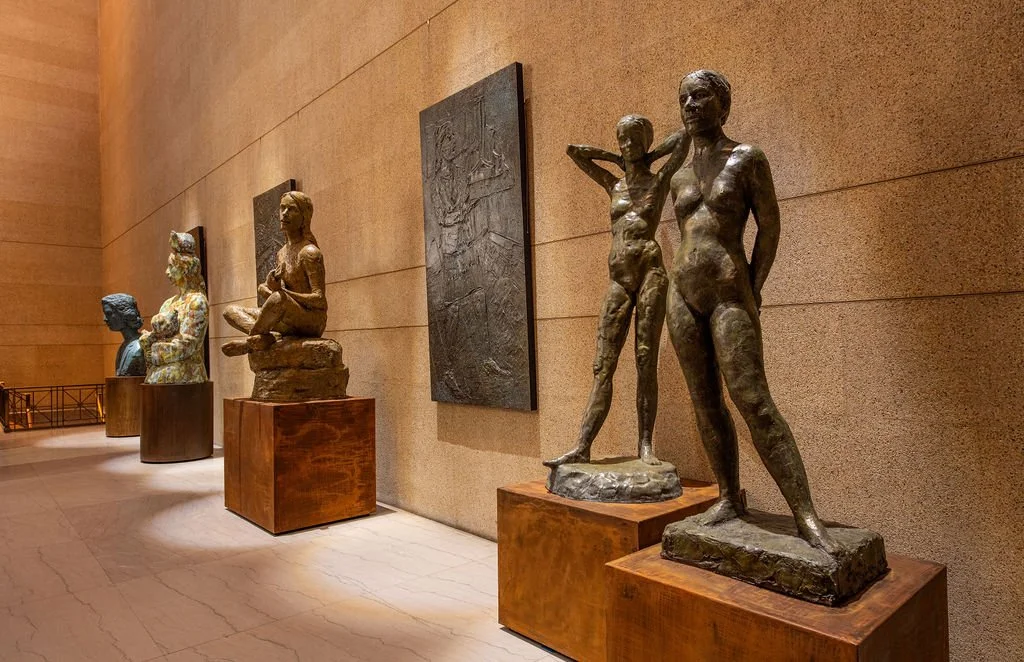
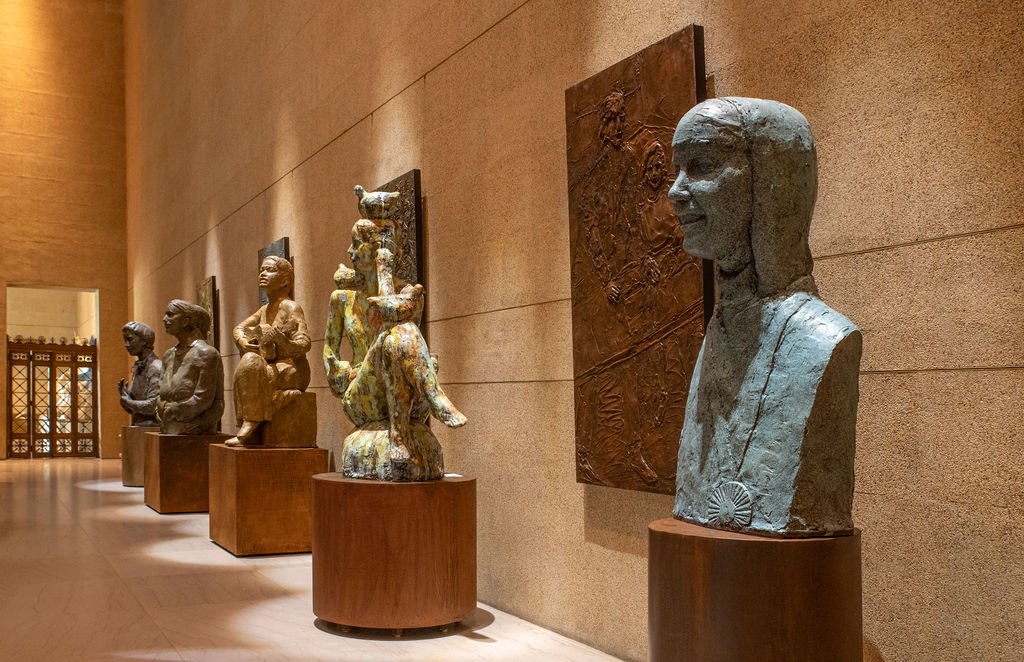
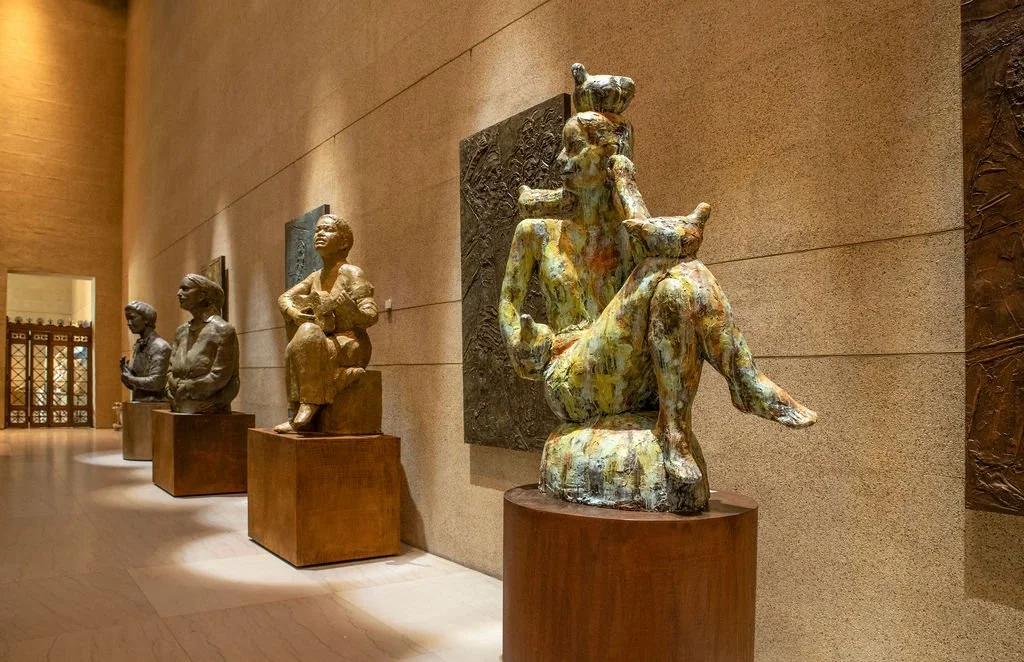
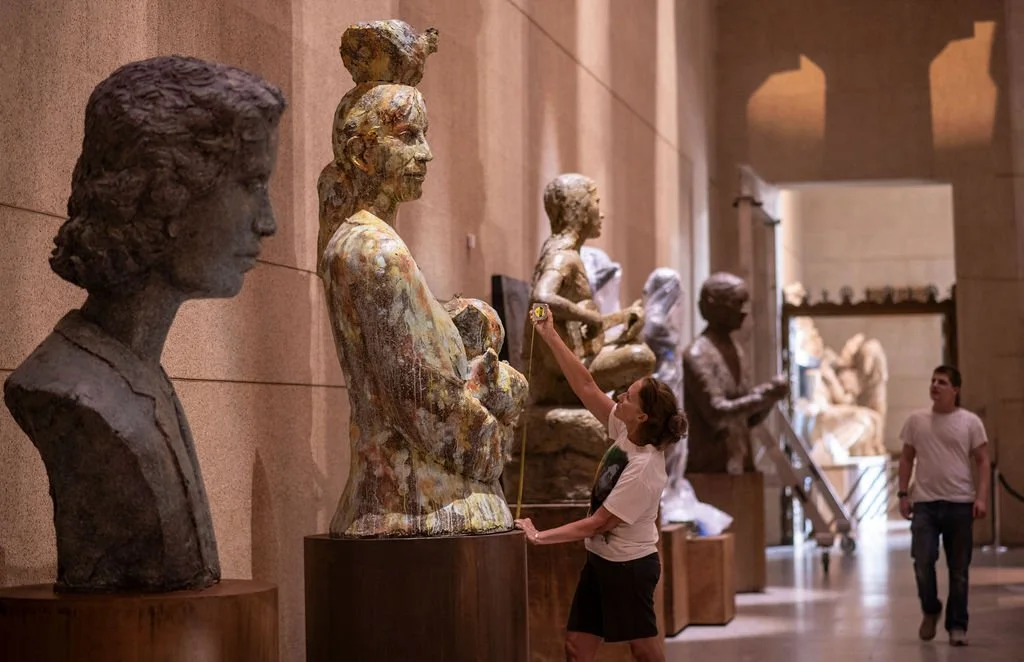
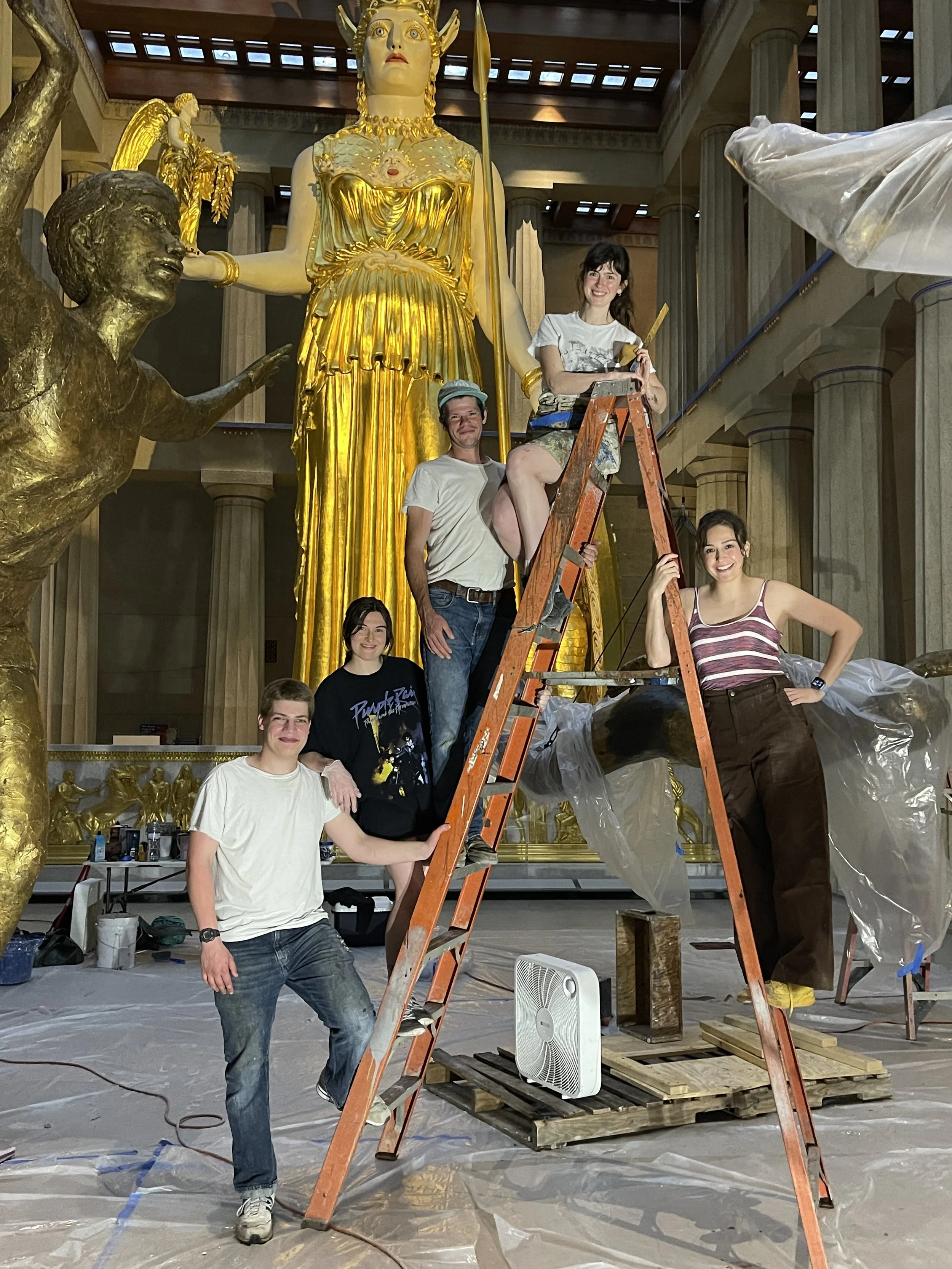
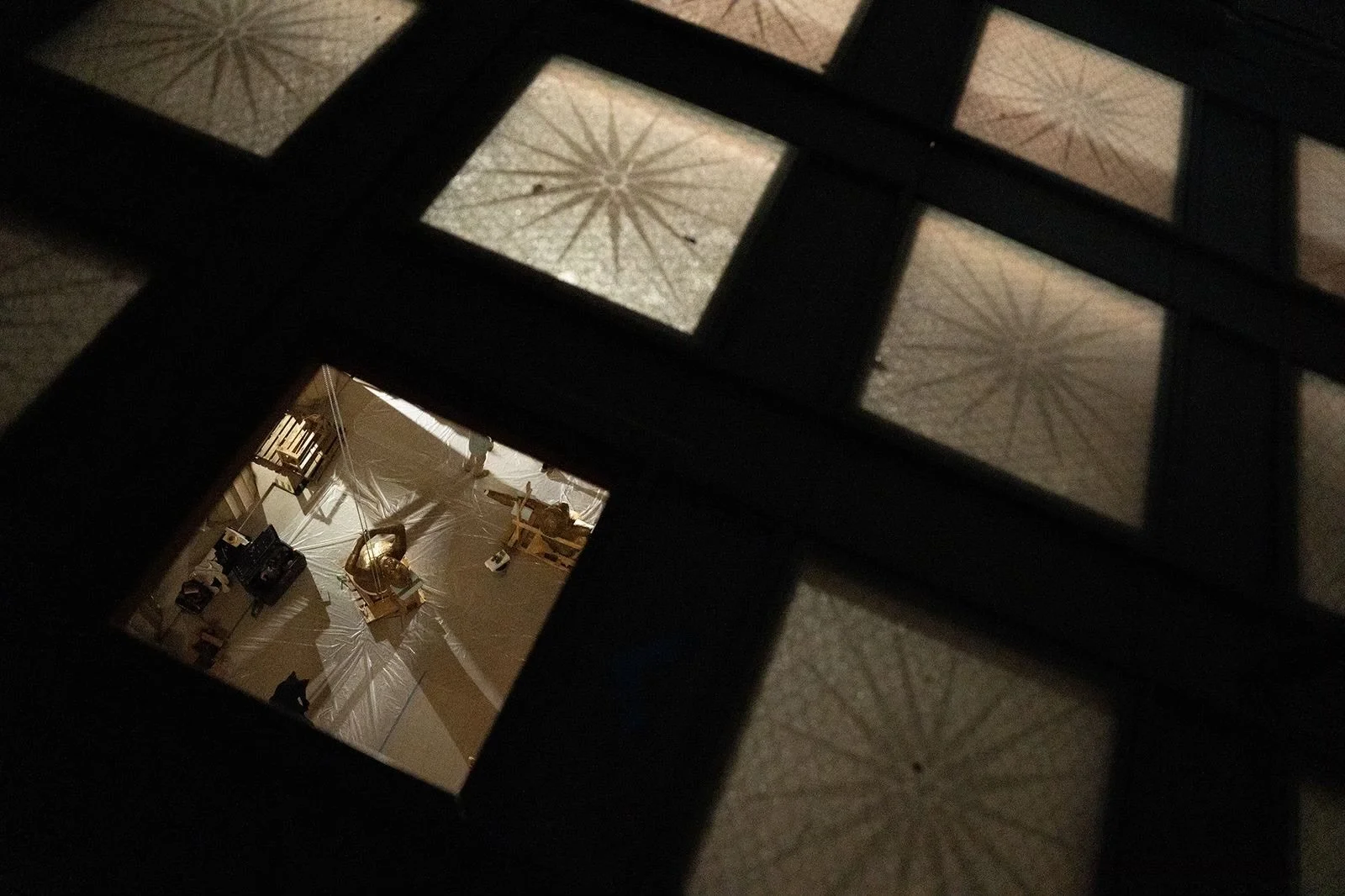
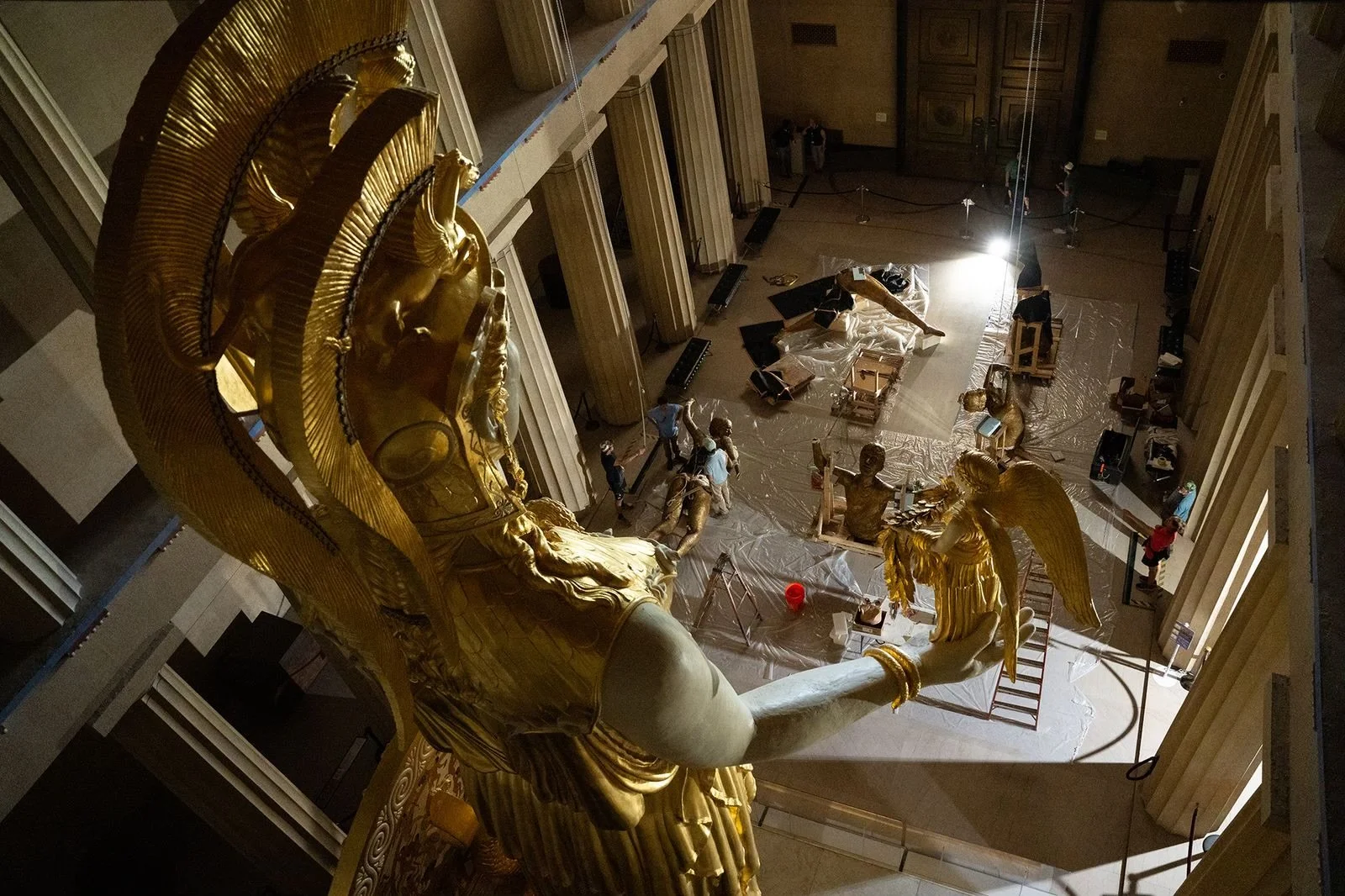
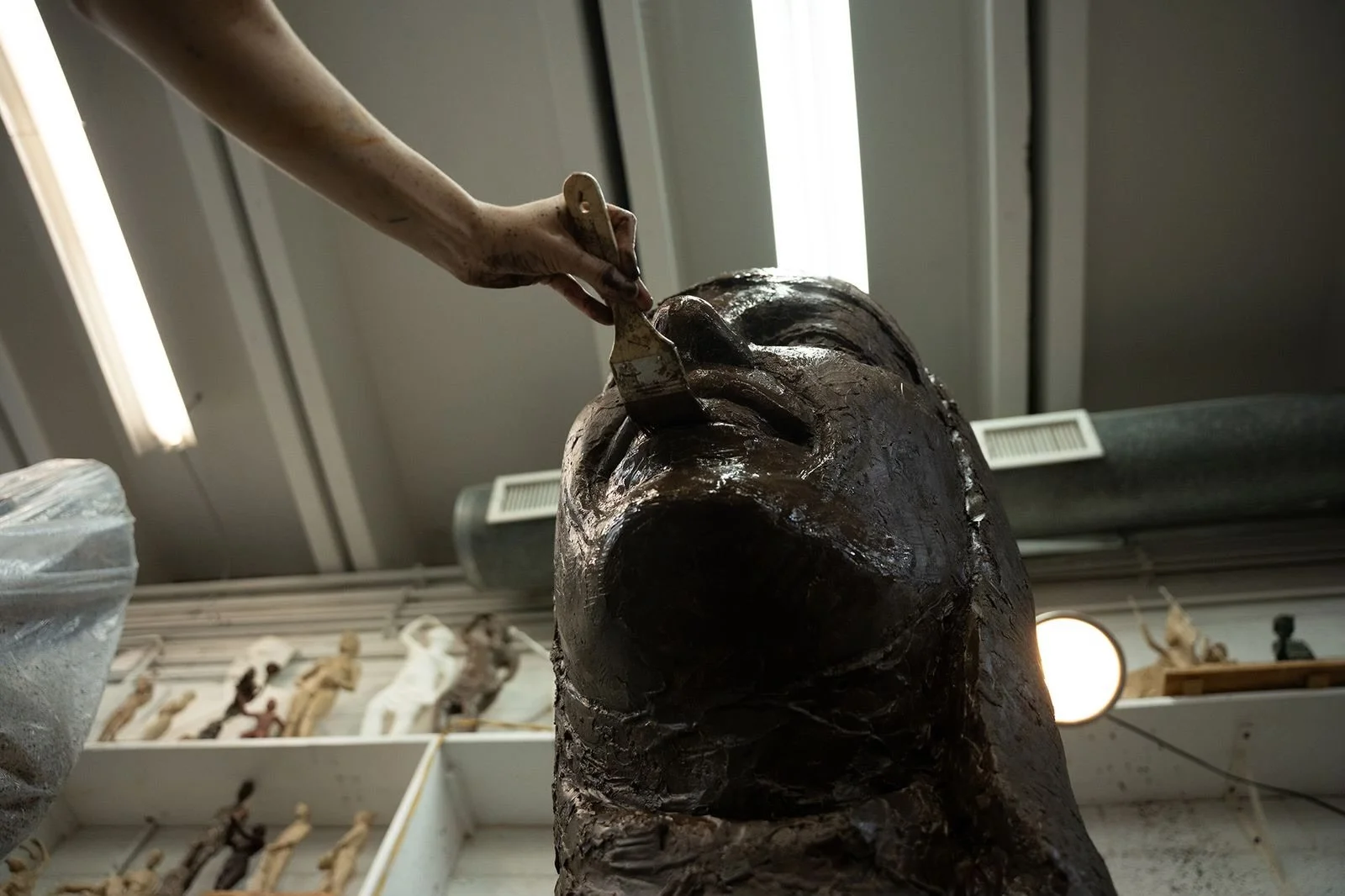
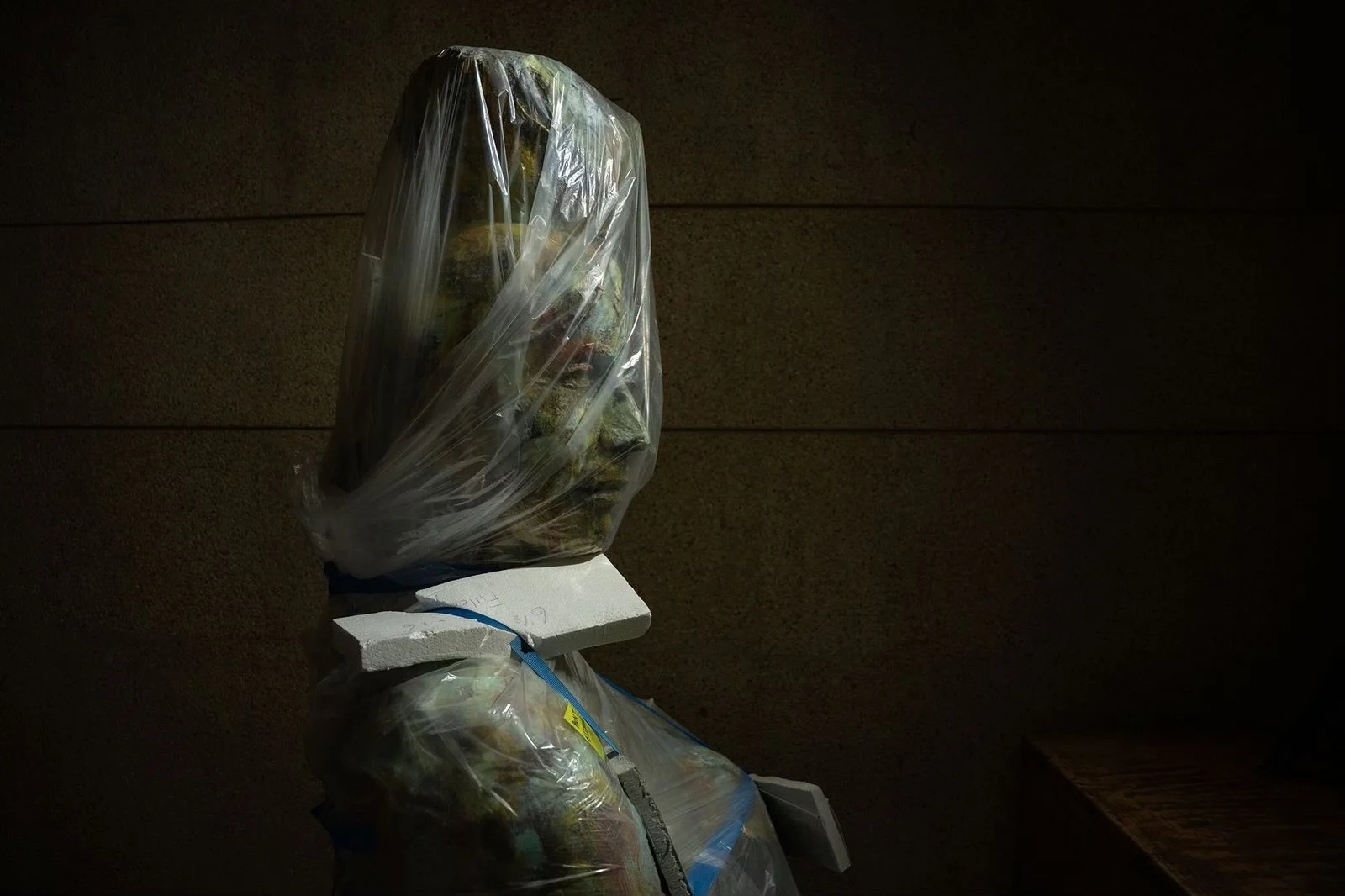
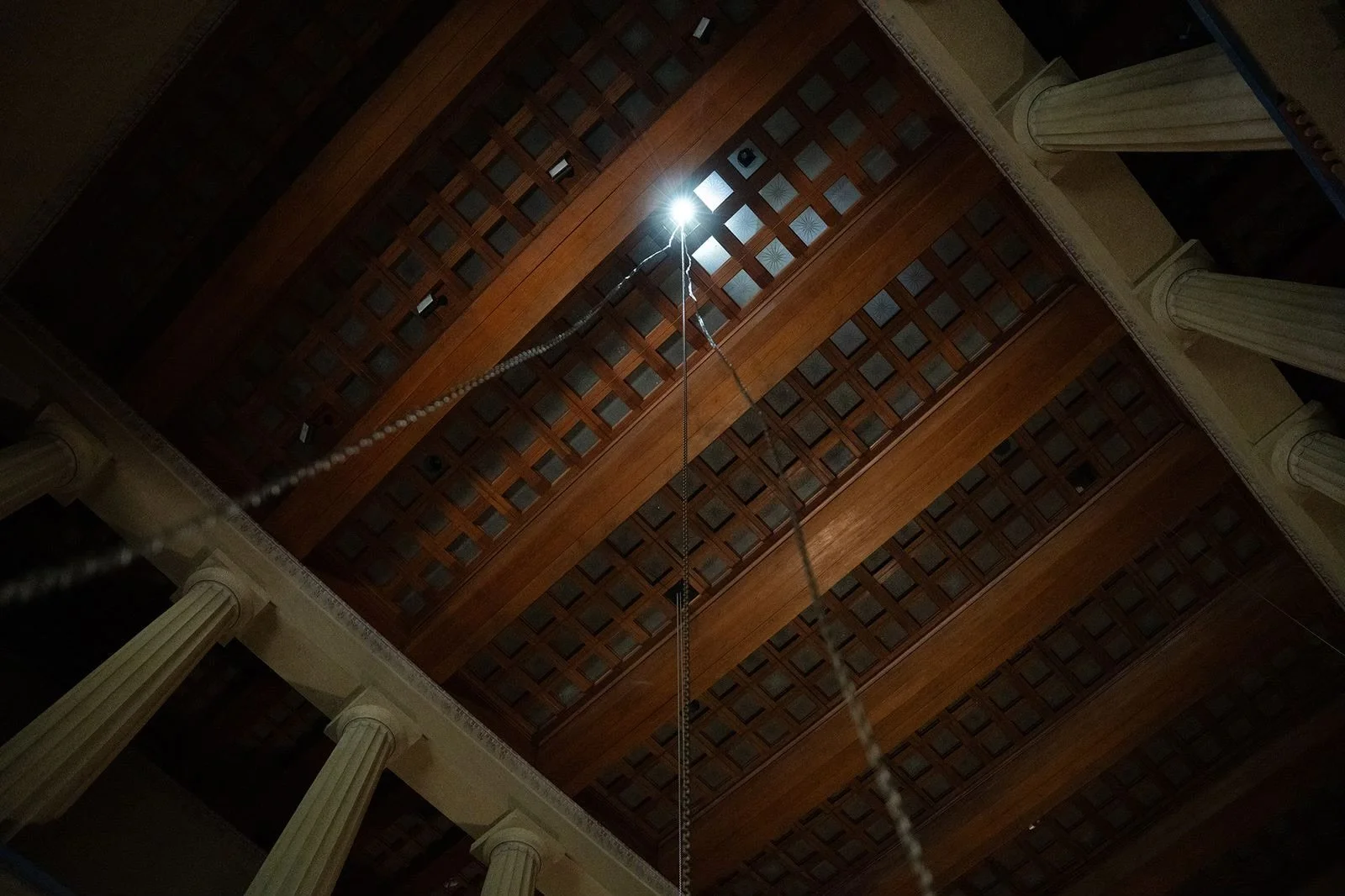
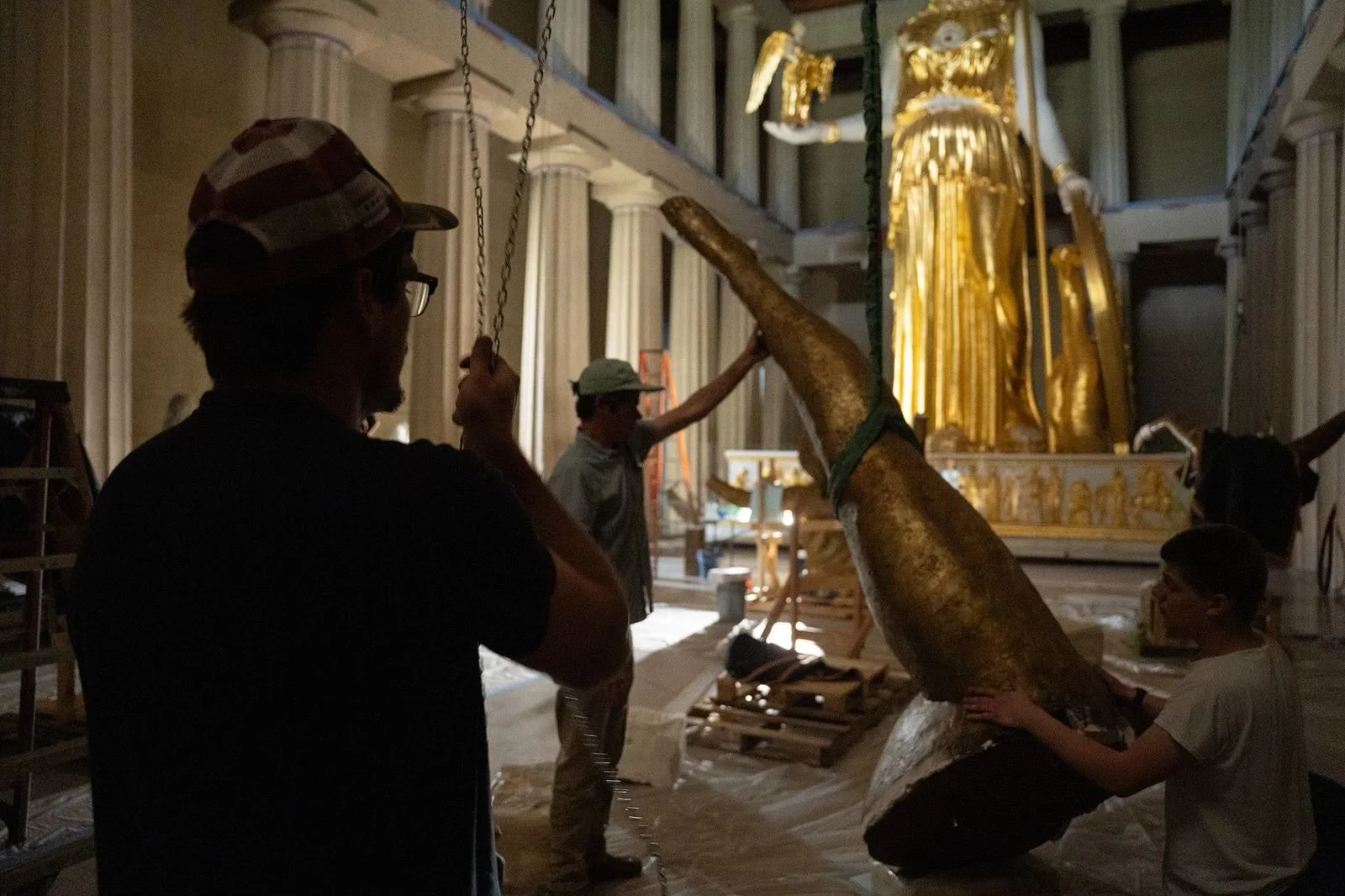
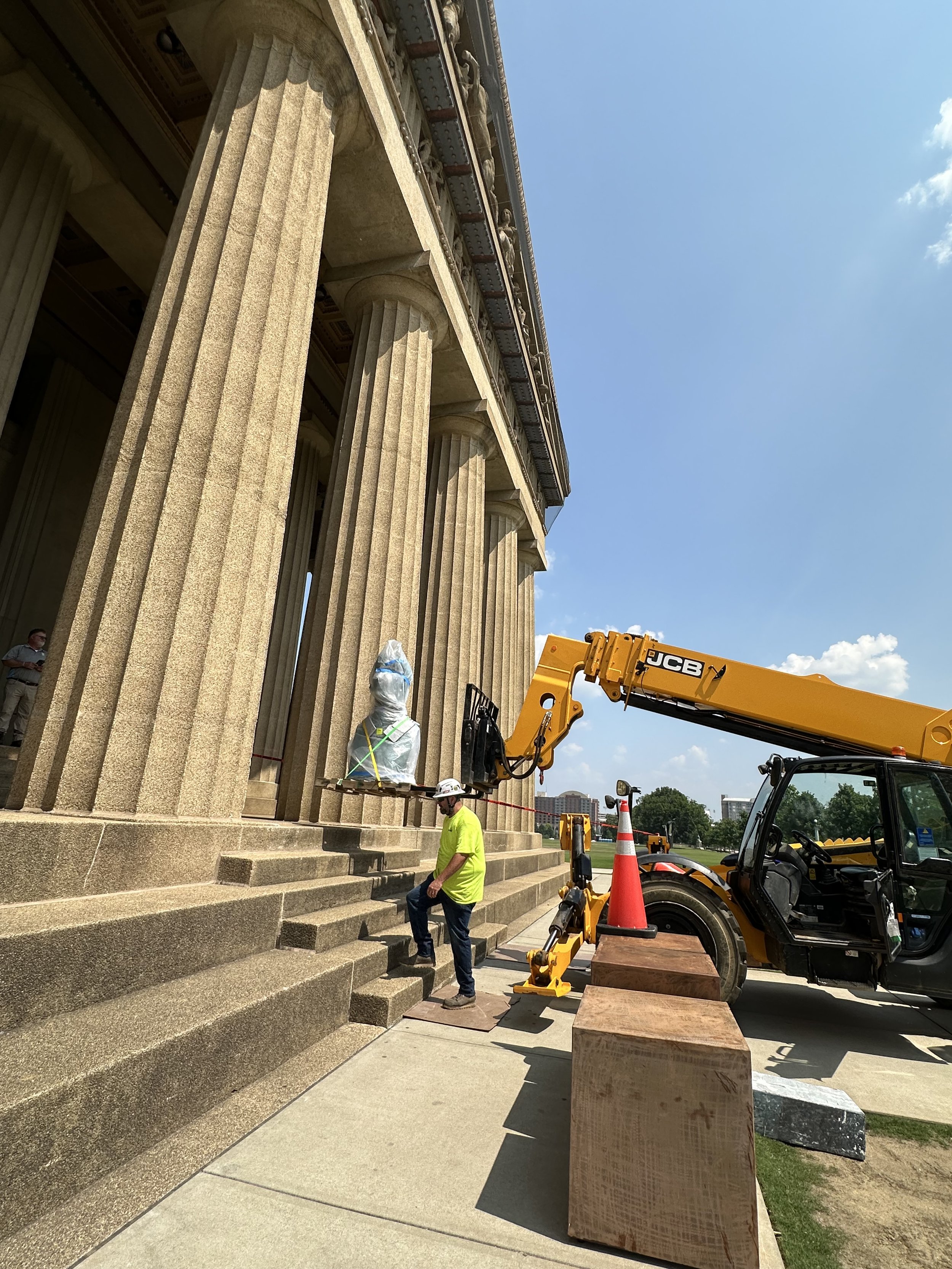
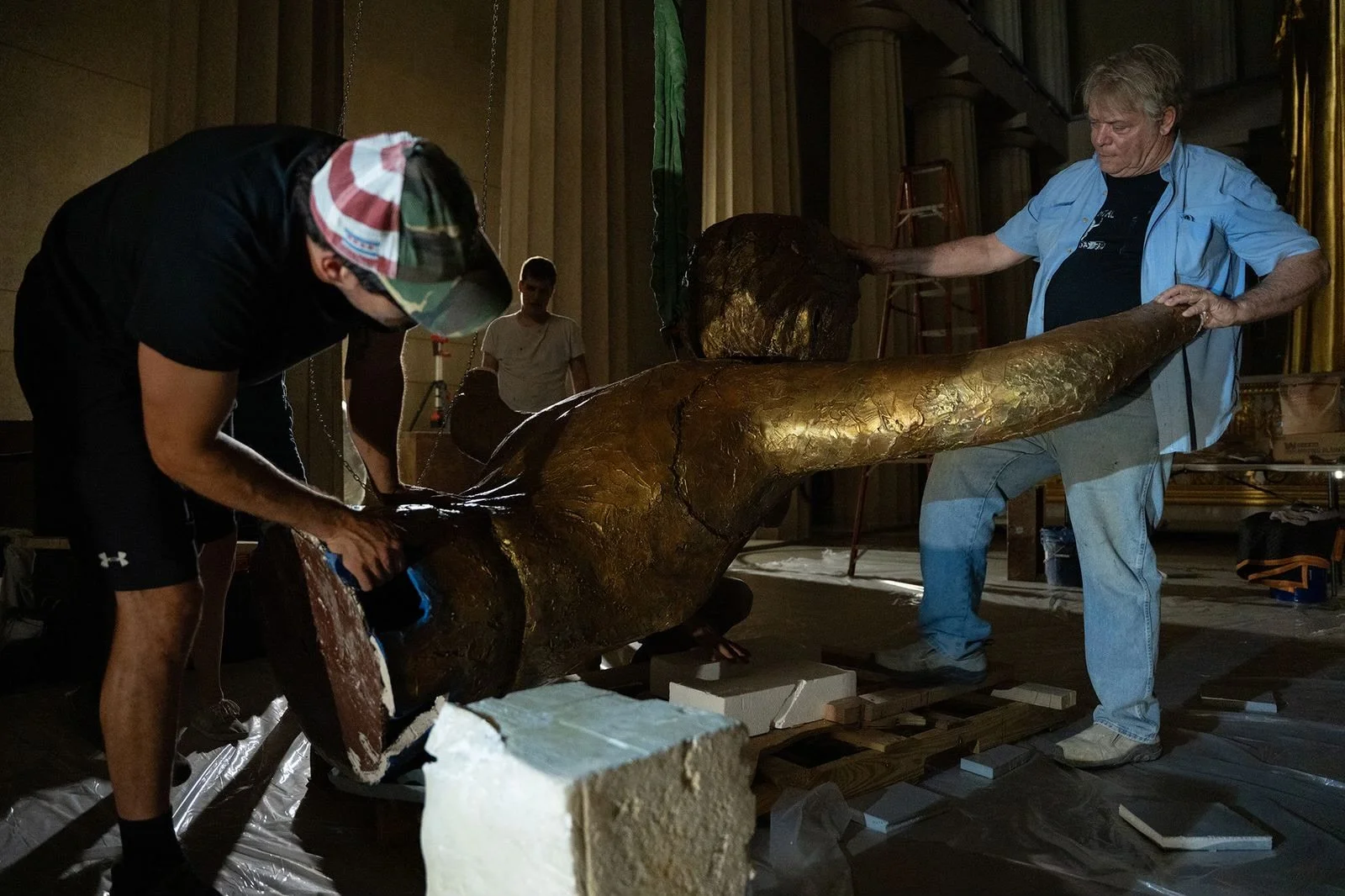
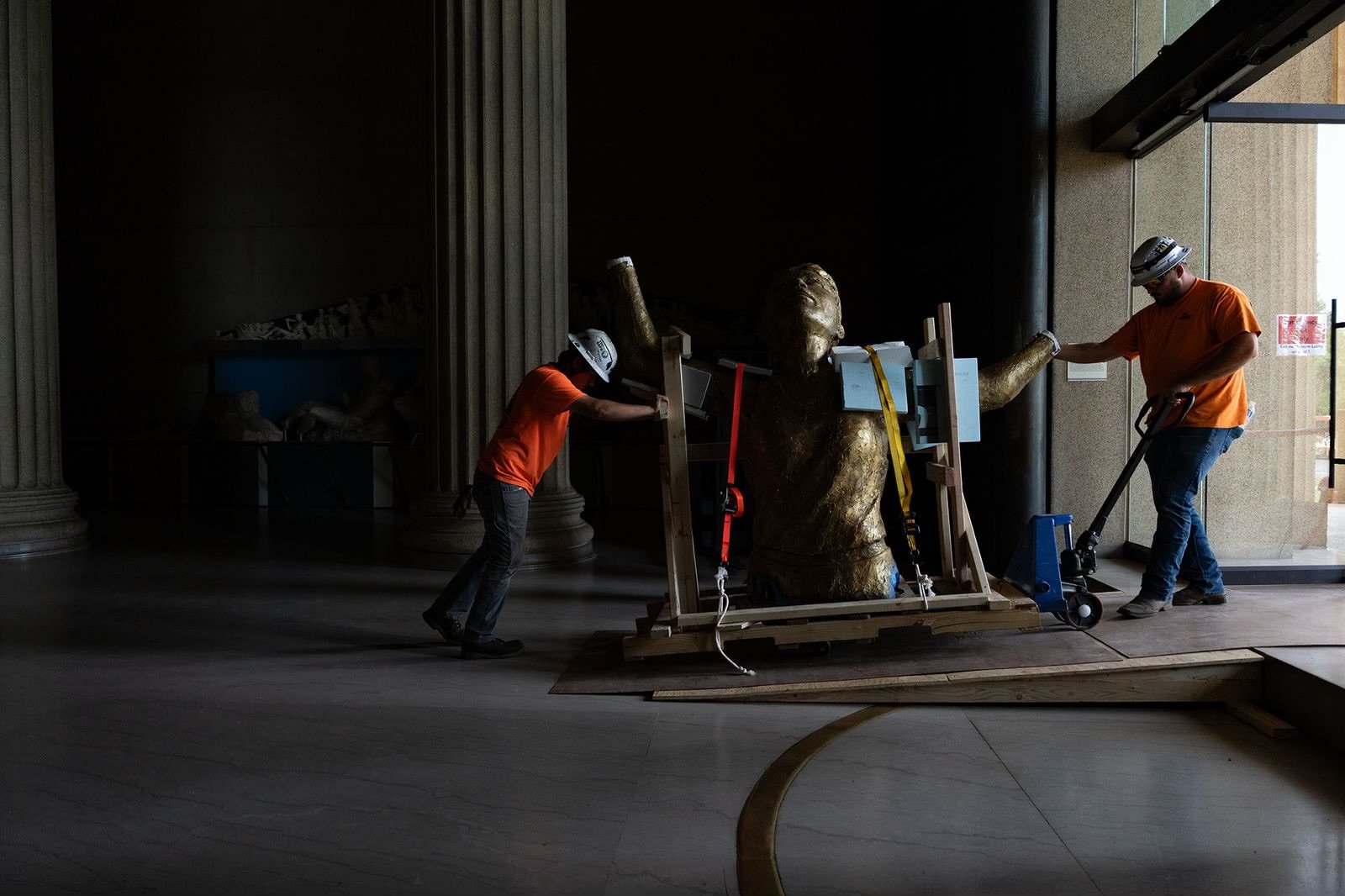
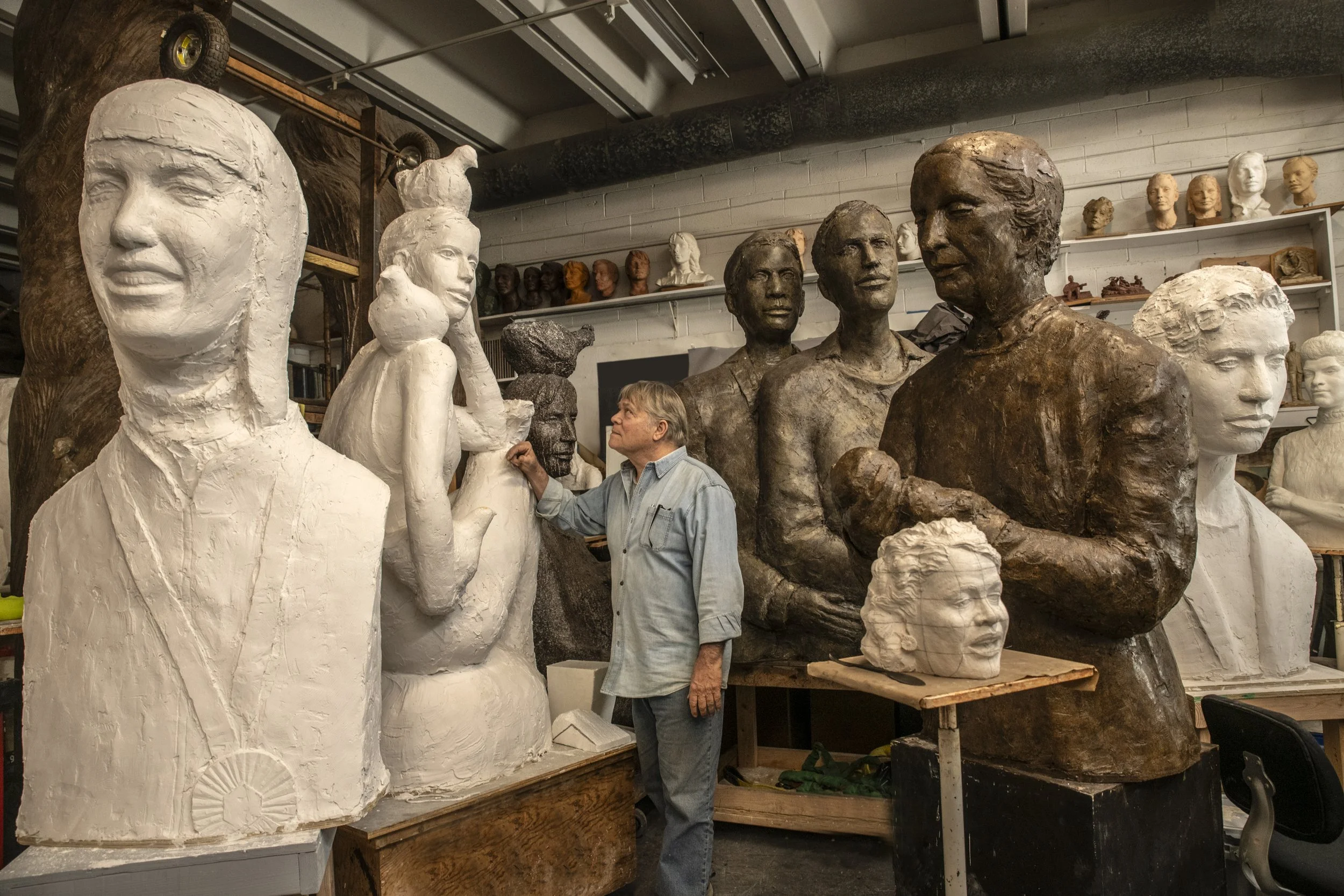
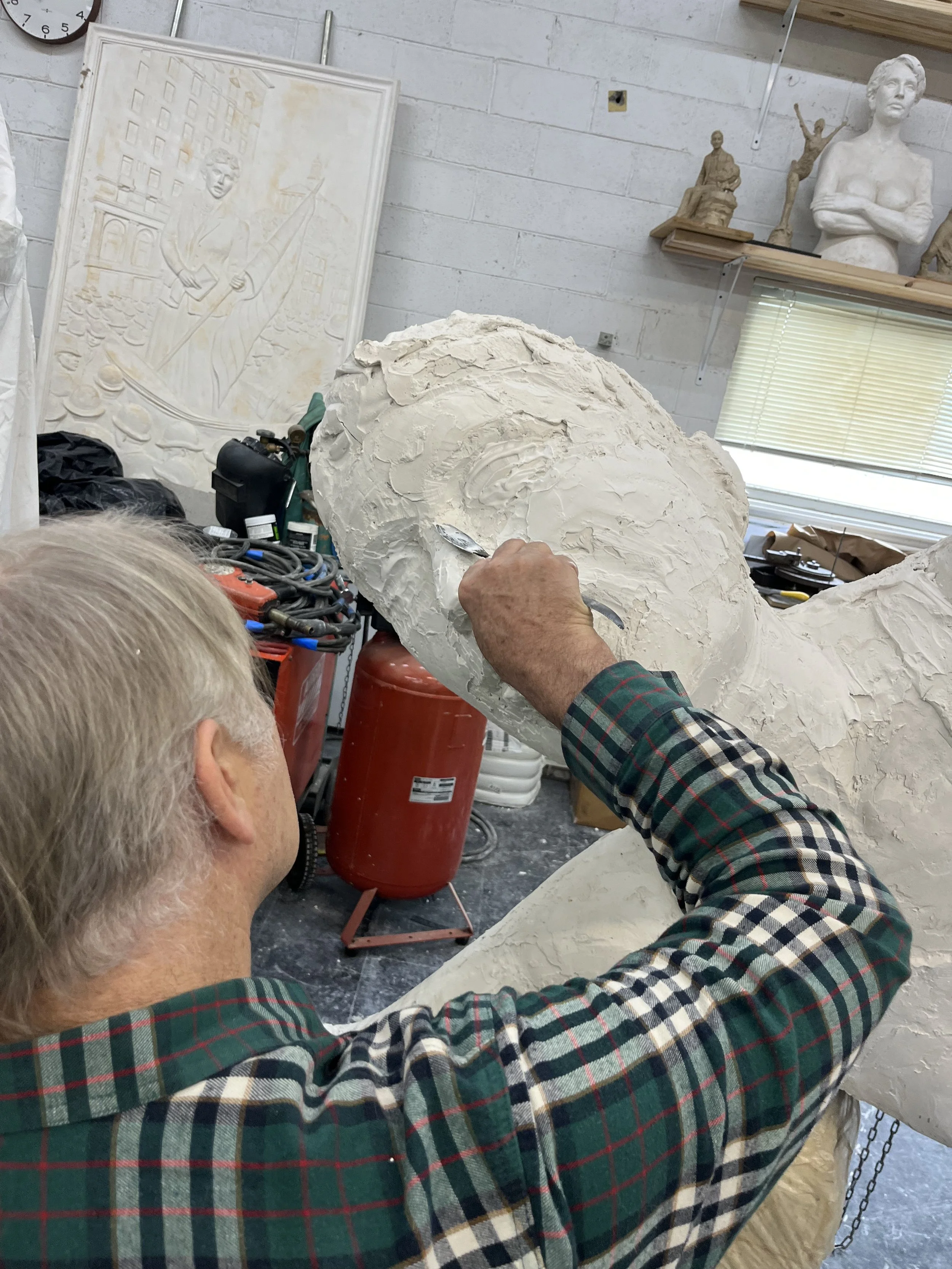
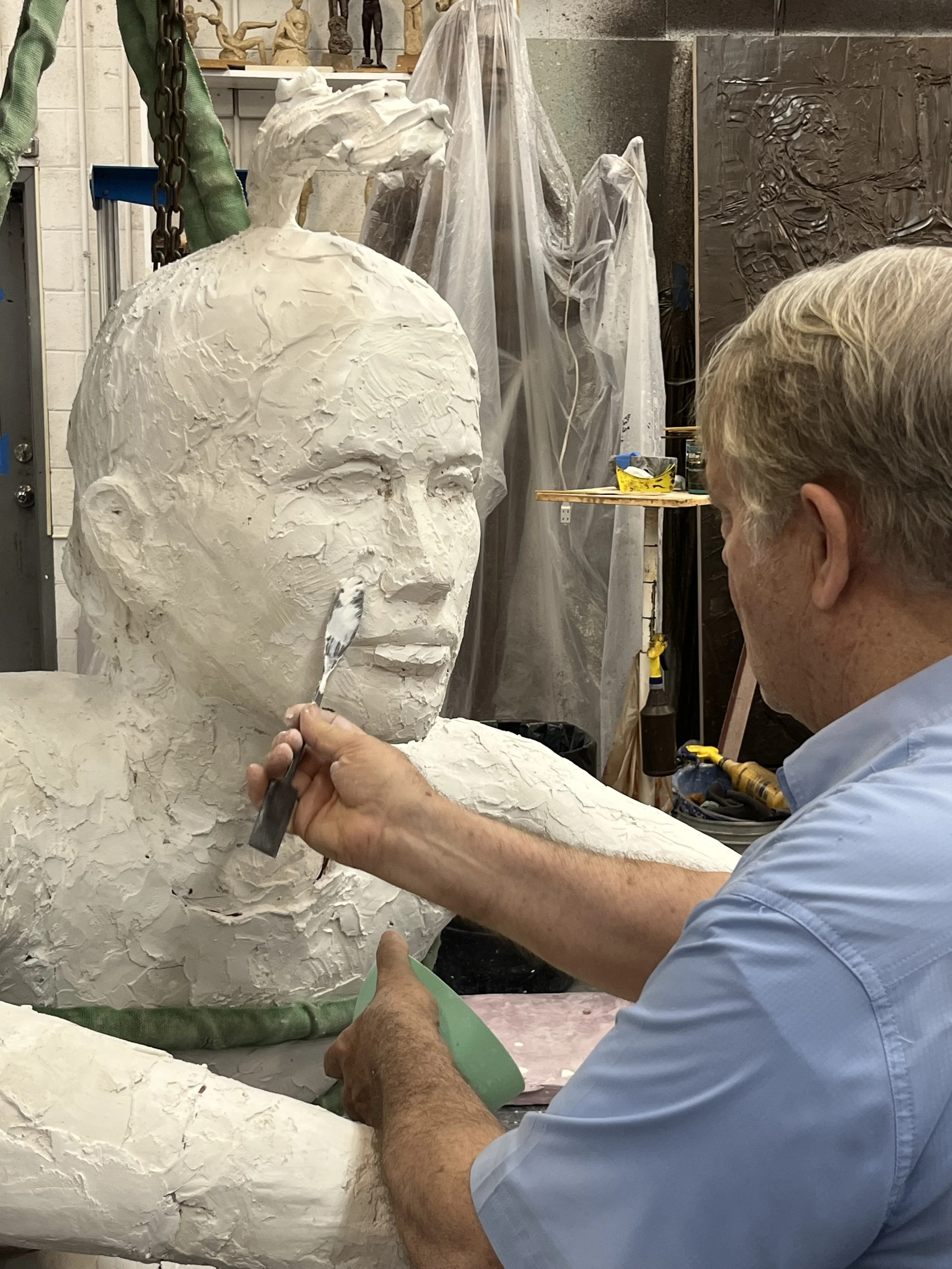
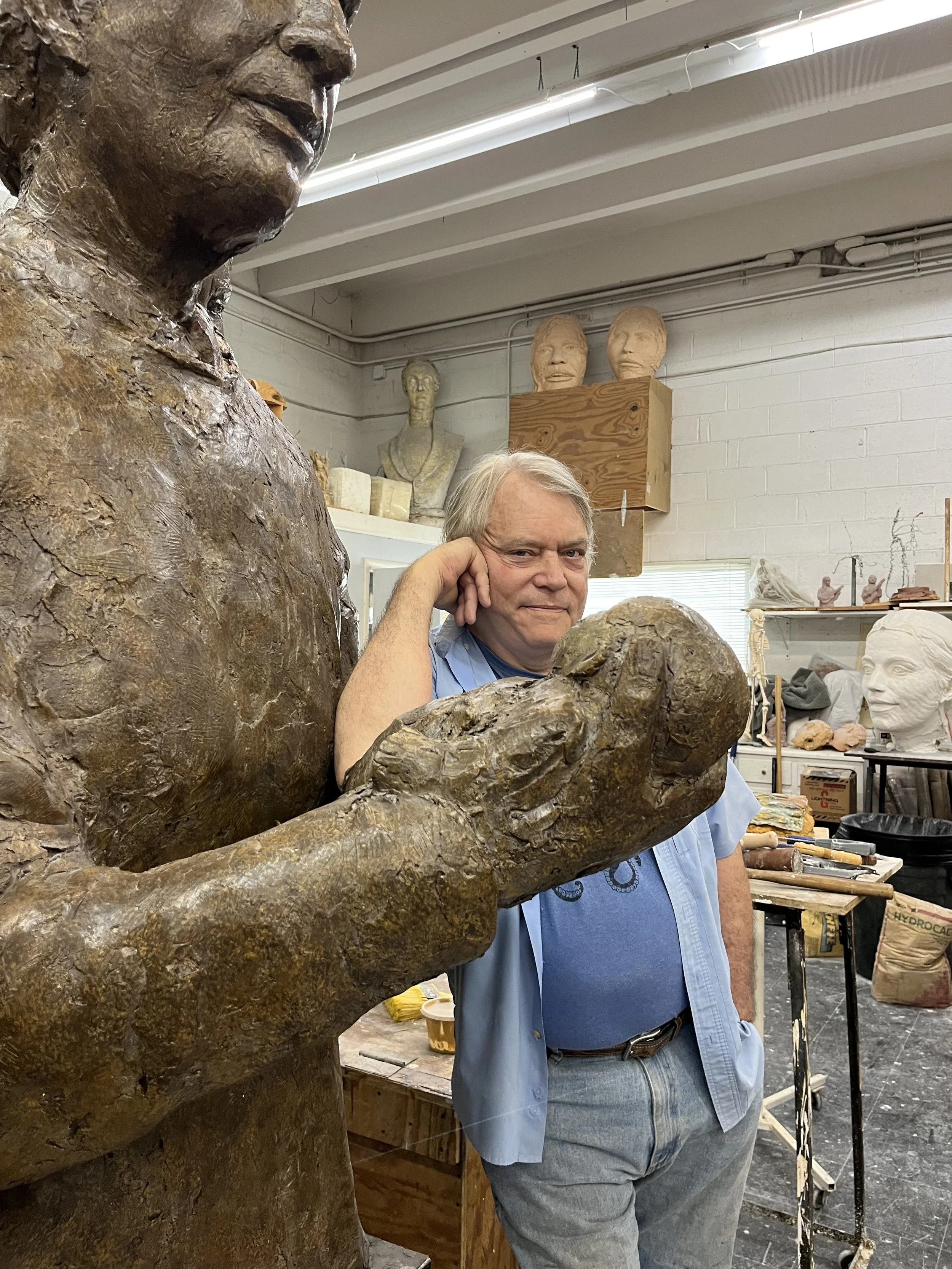
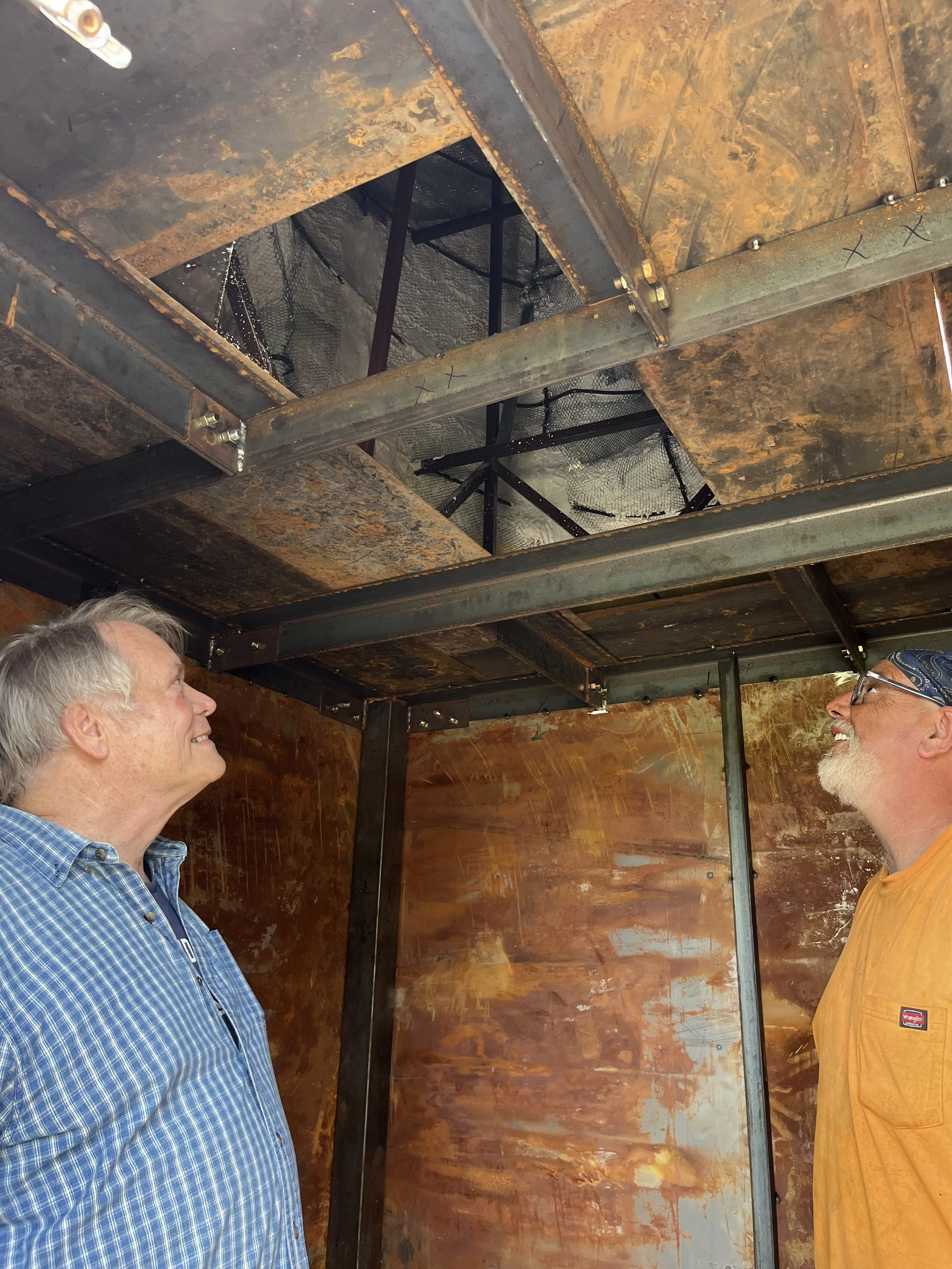
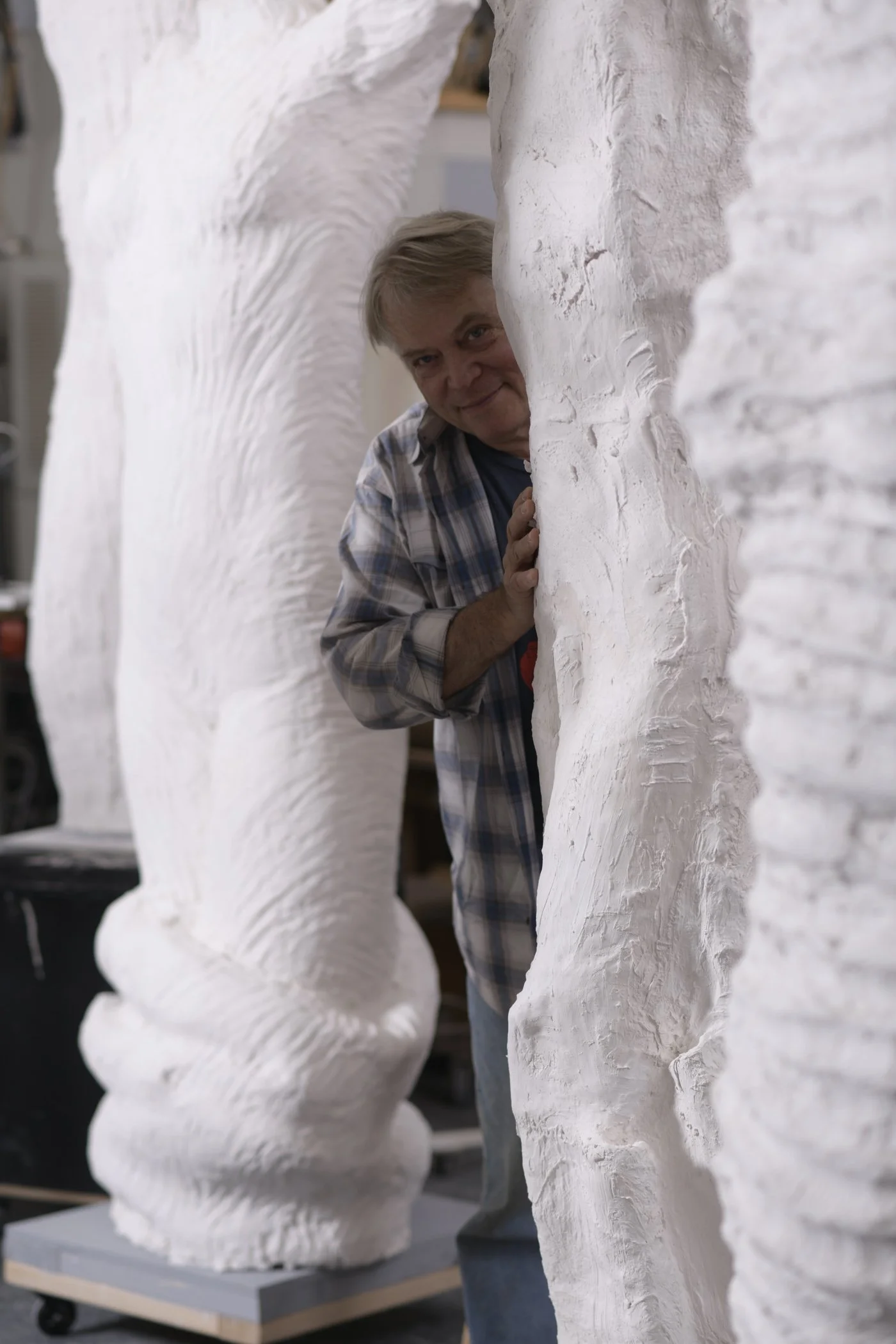
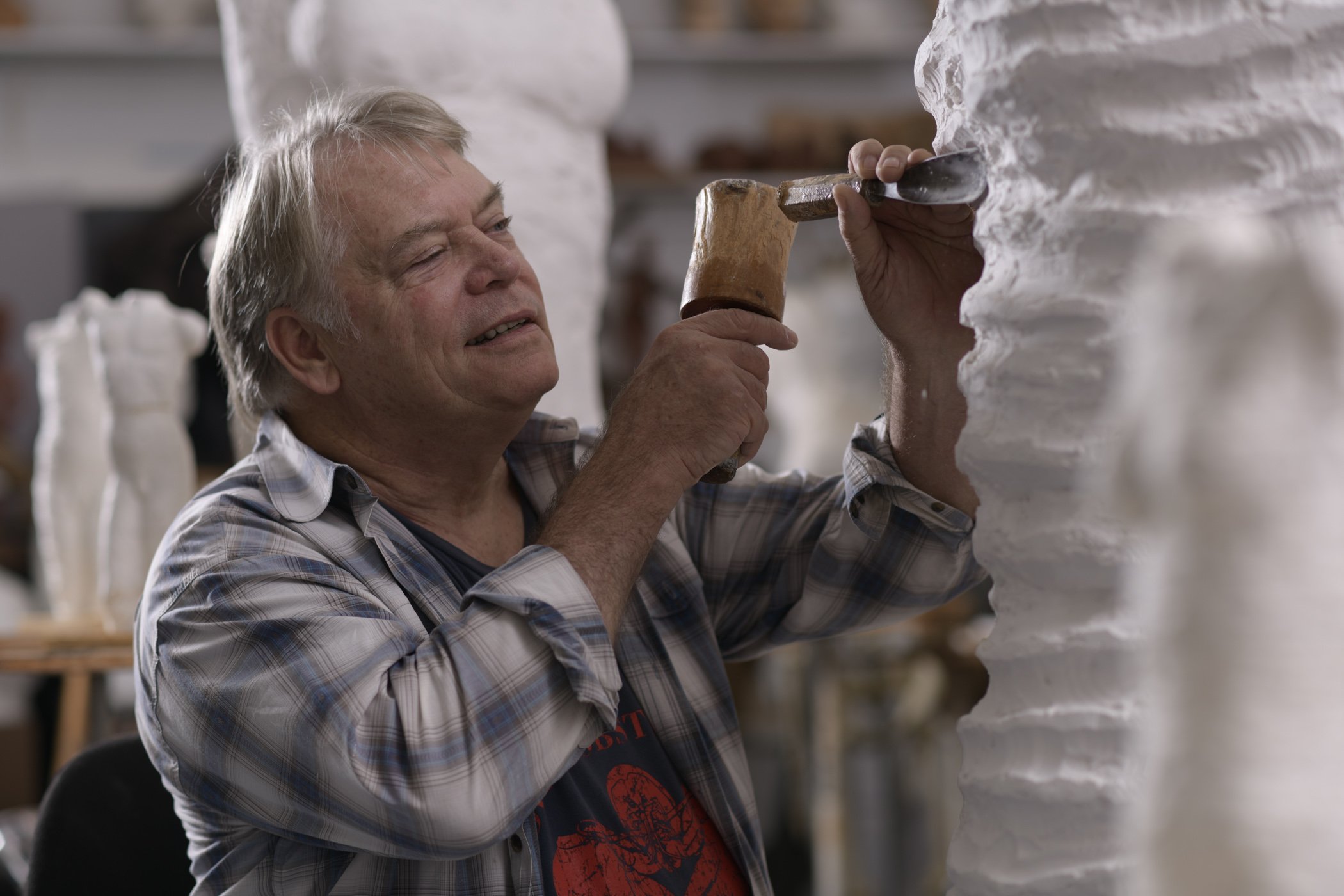
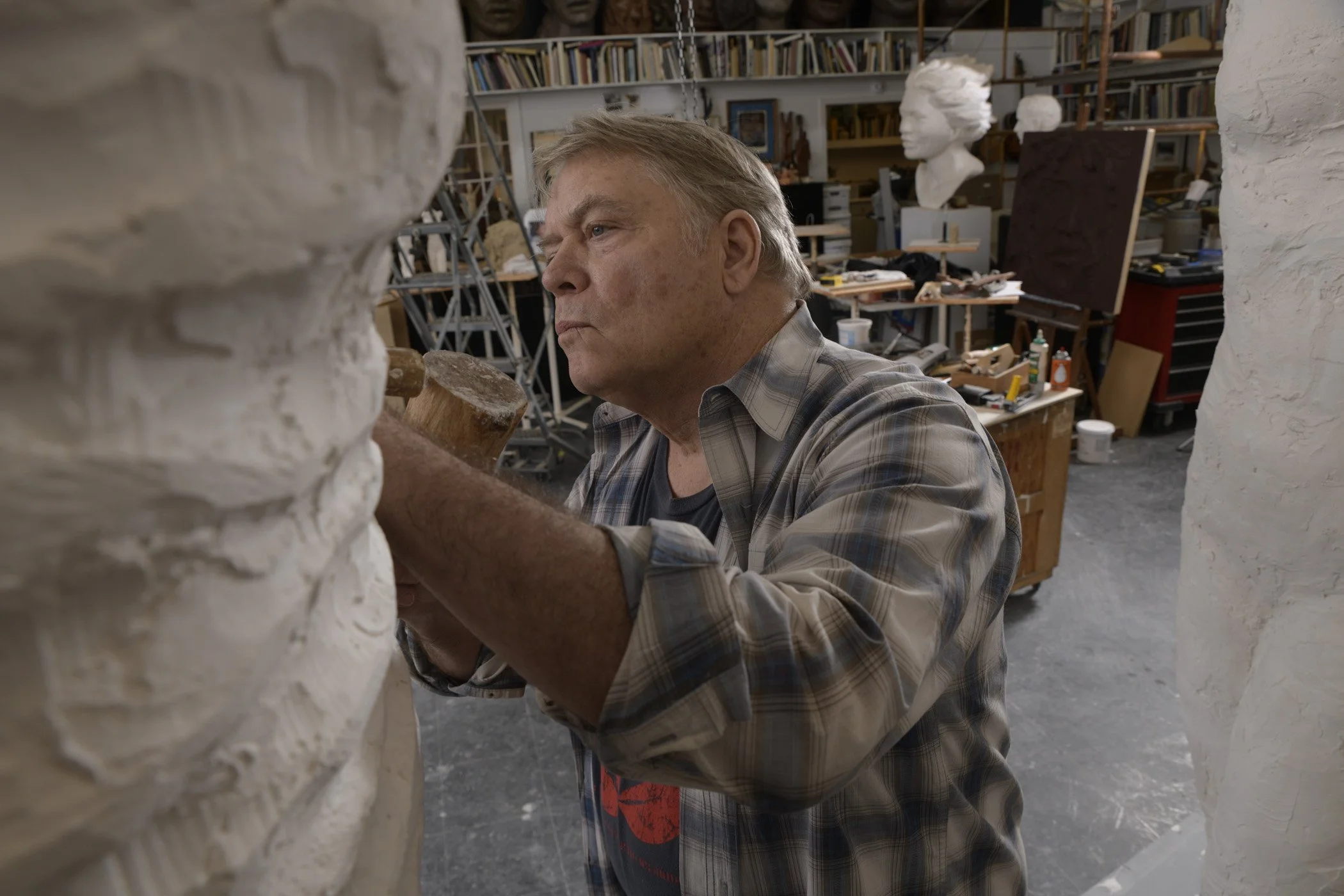
Monumental Figures In progress. Photos by Kevin Wurm for Nashville Business Journal and Gallery Staff.
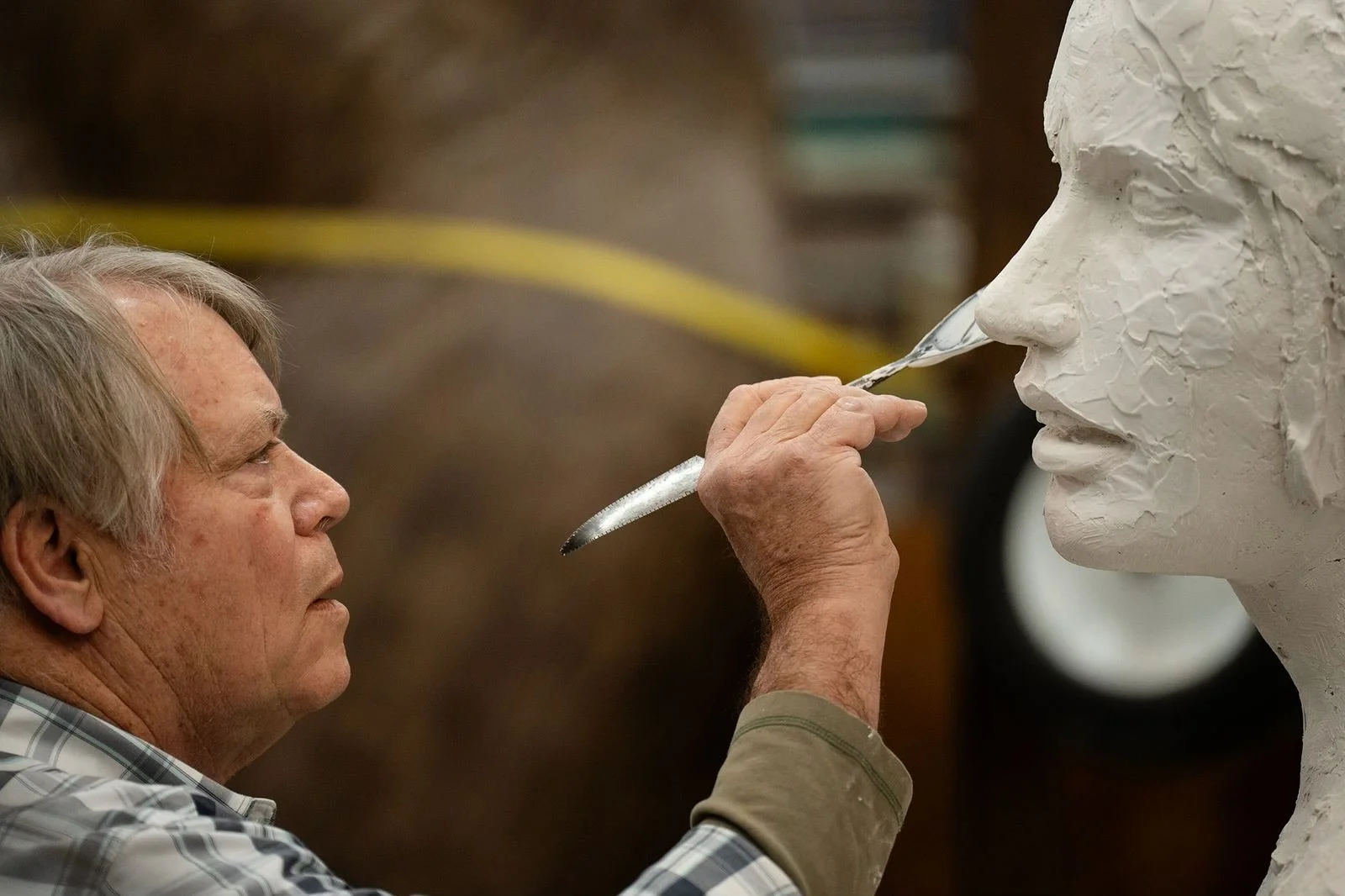
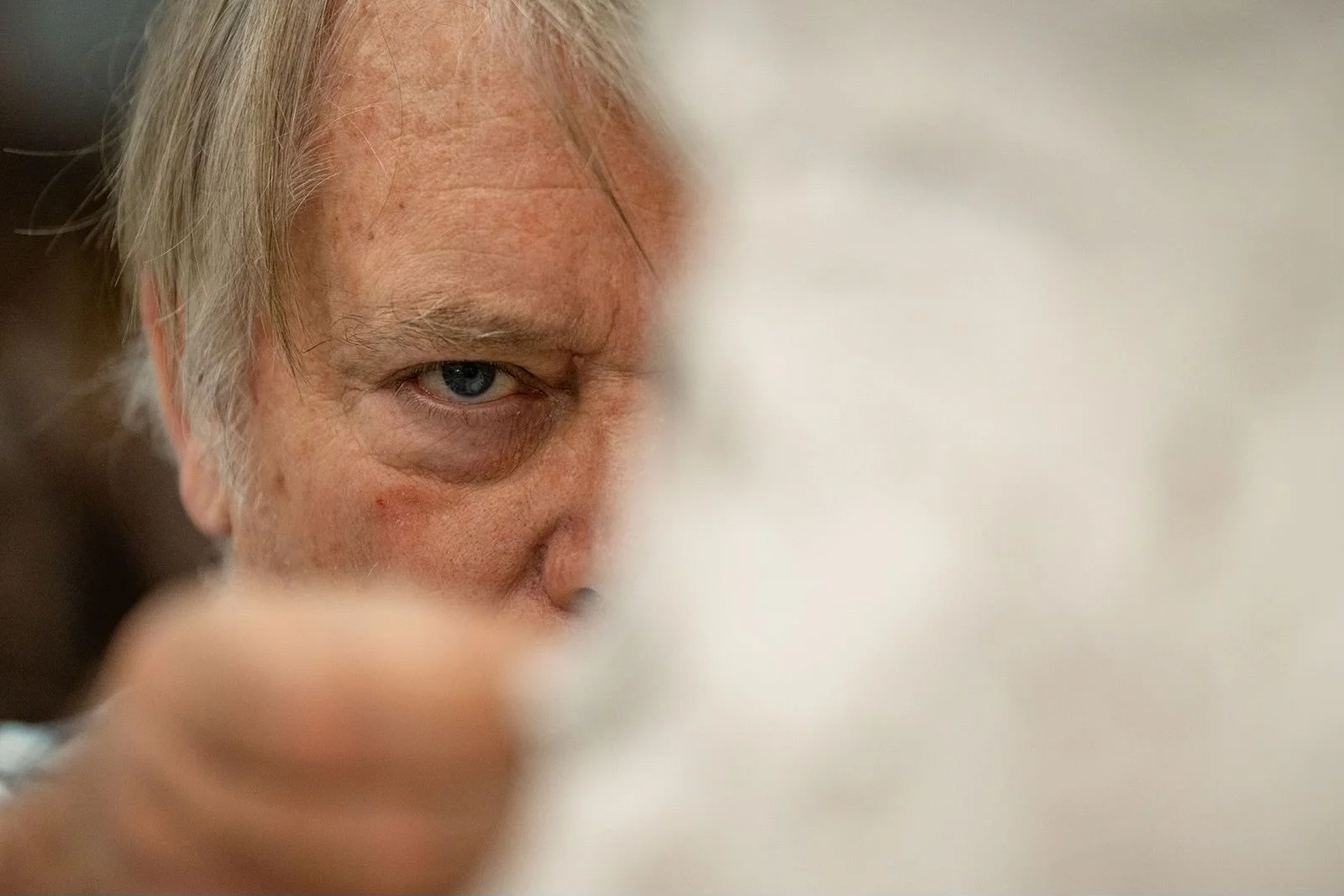
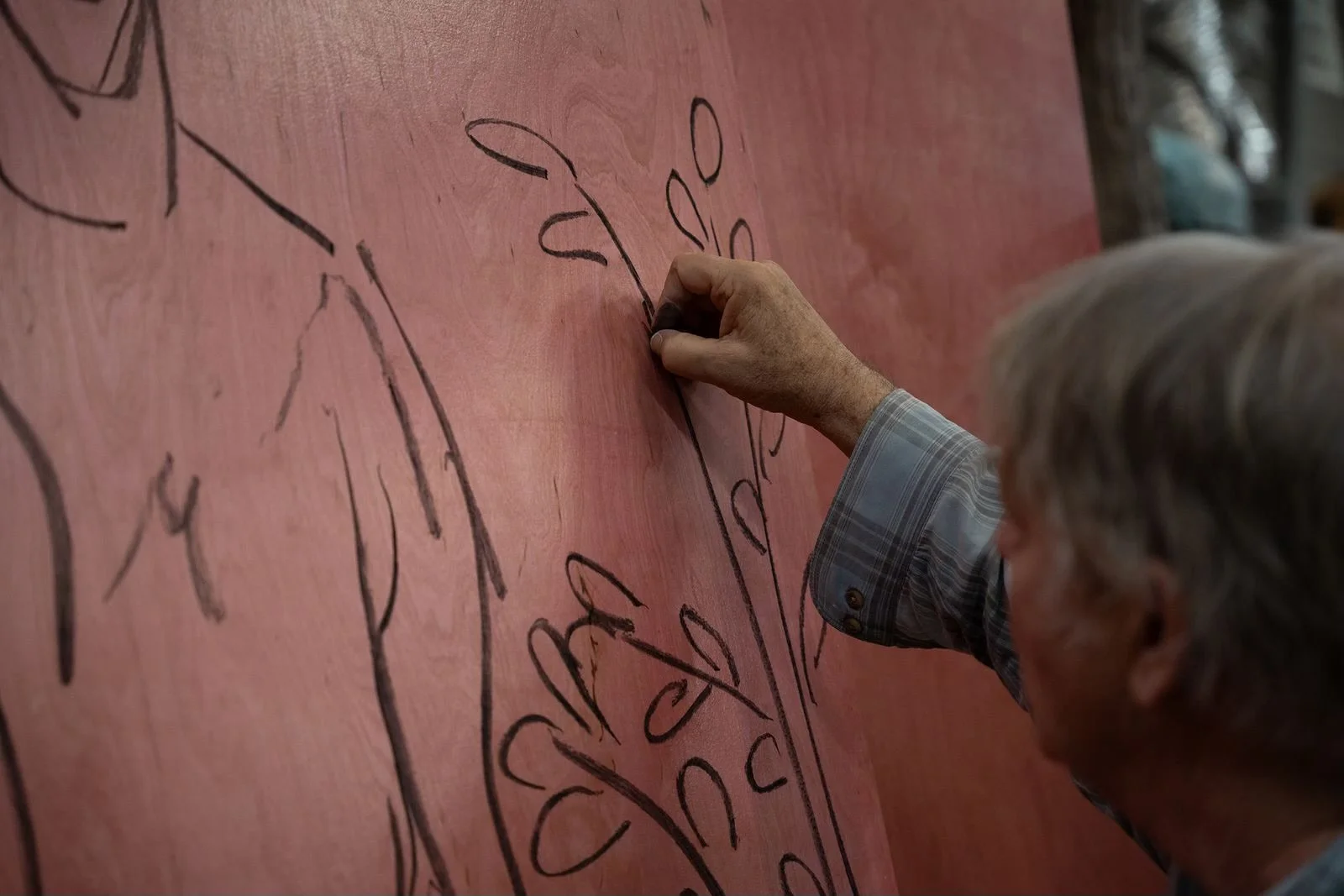
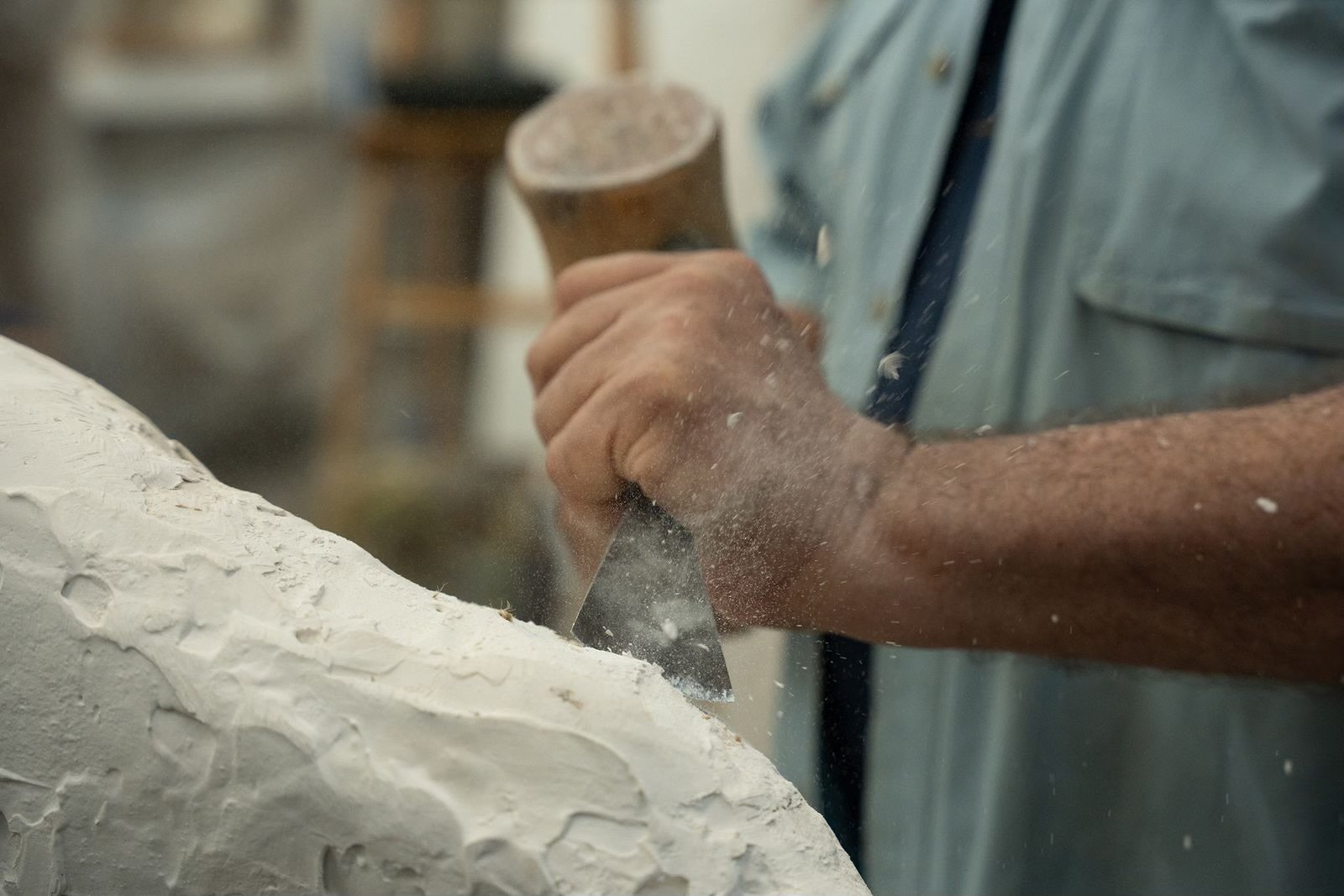
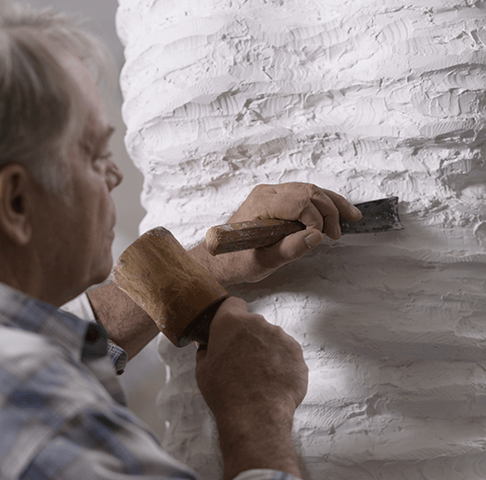
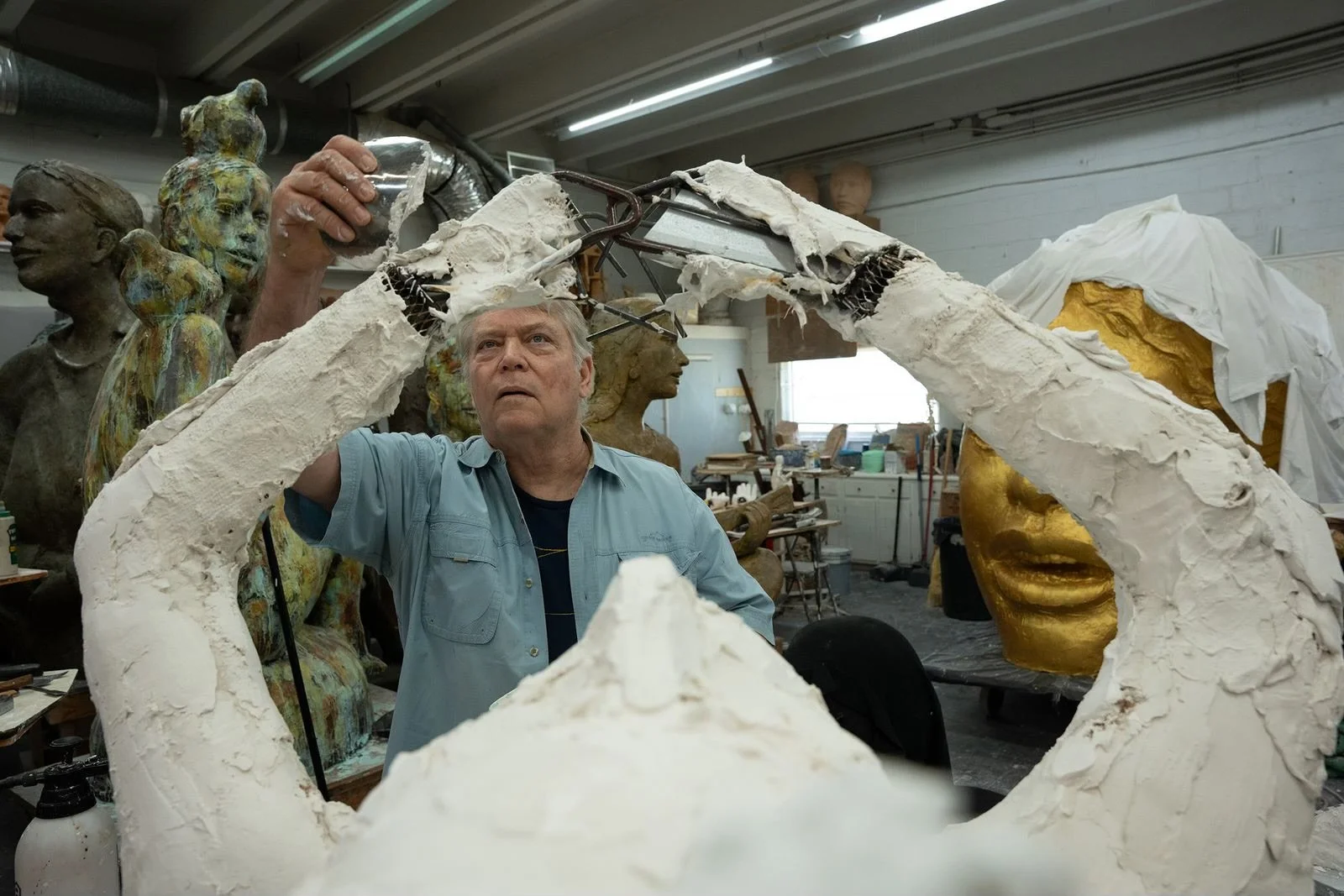
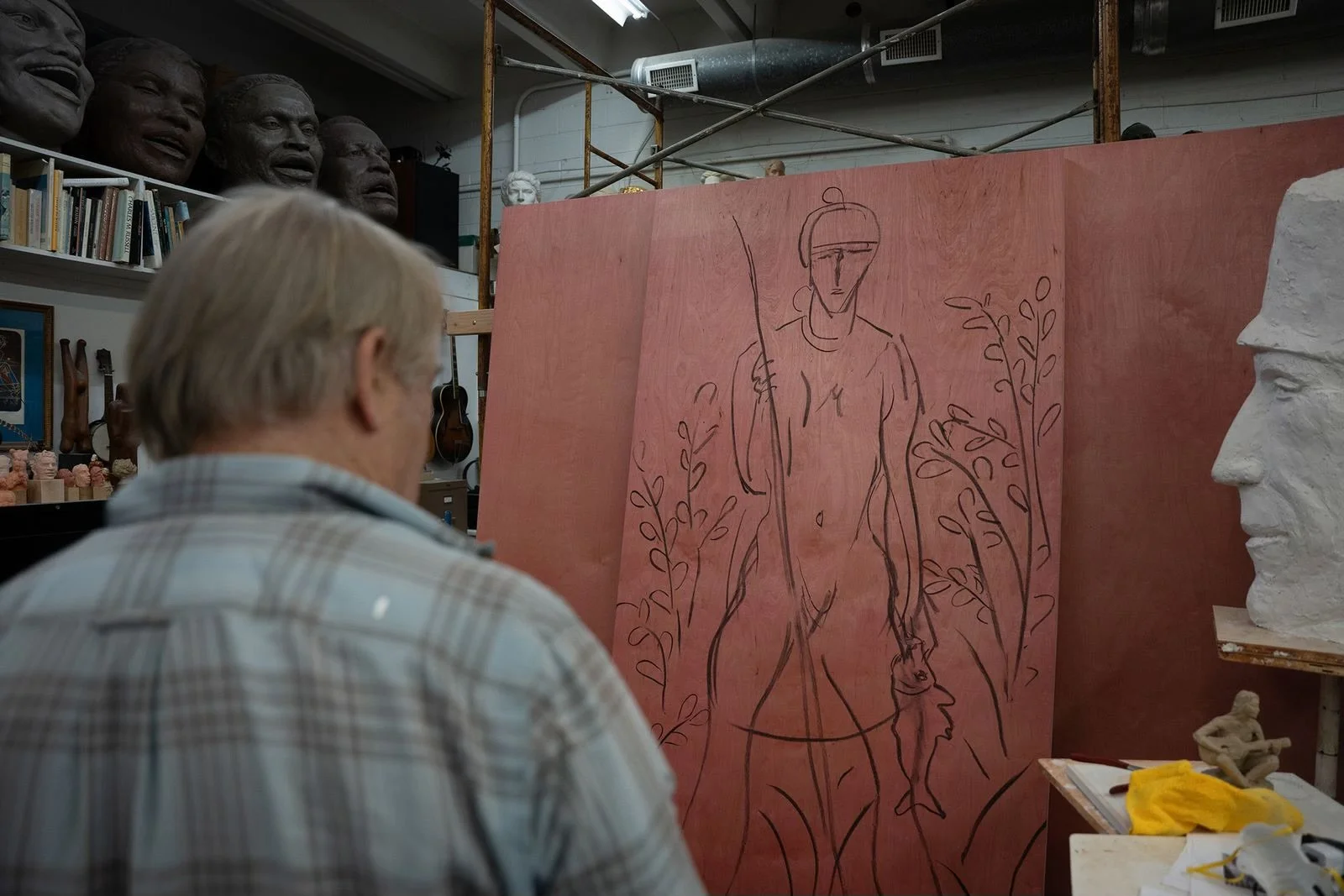
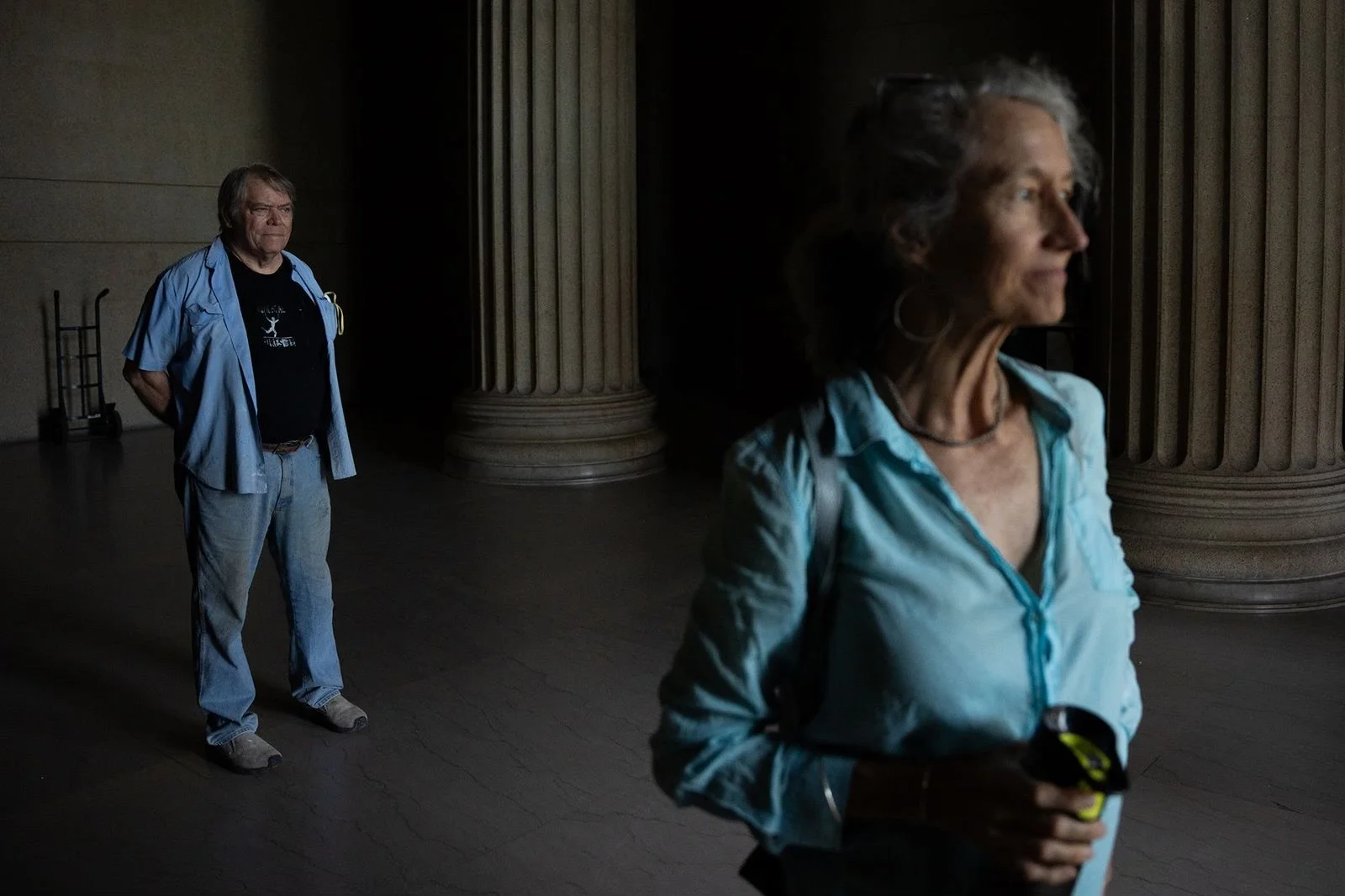
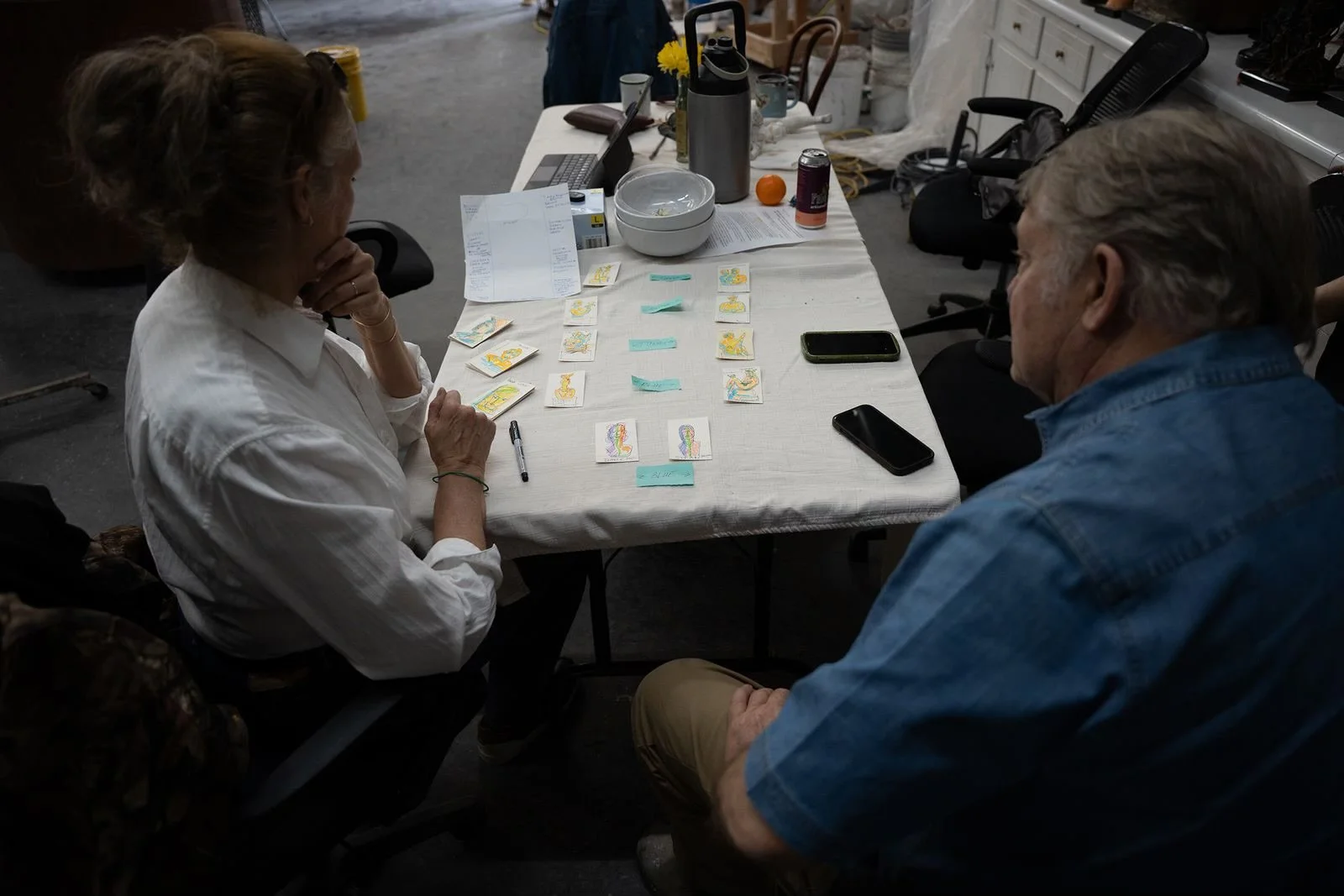
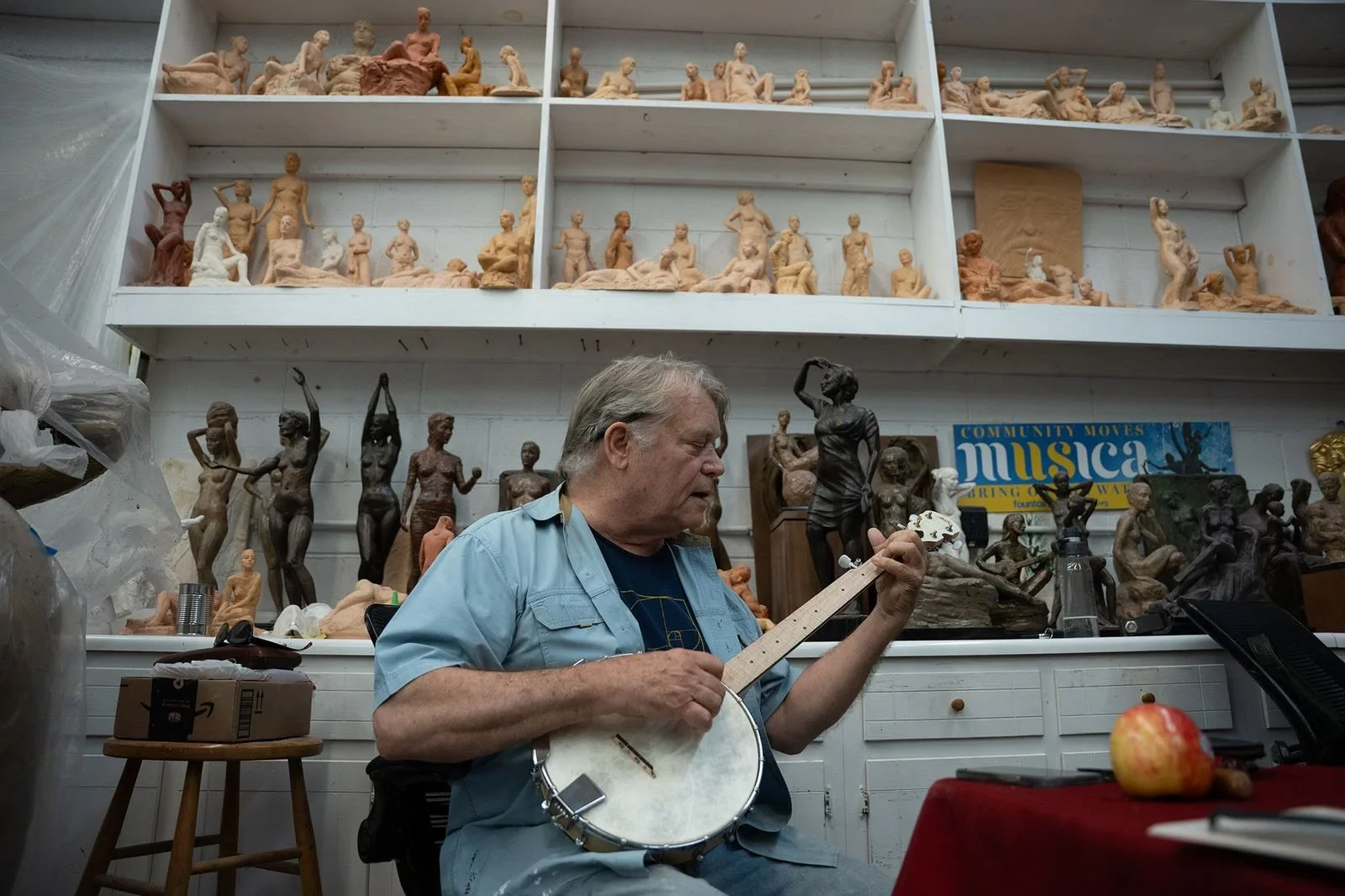
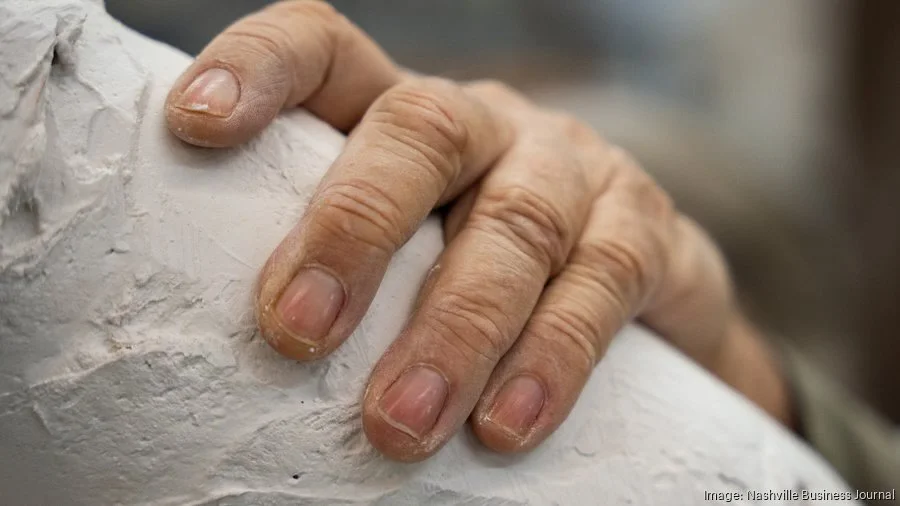
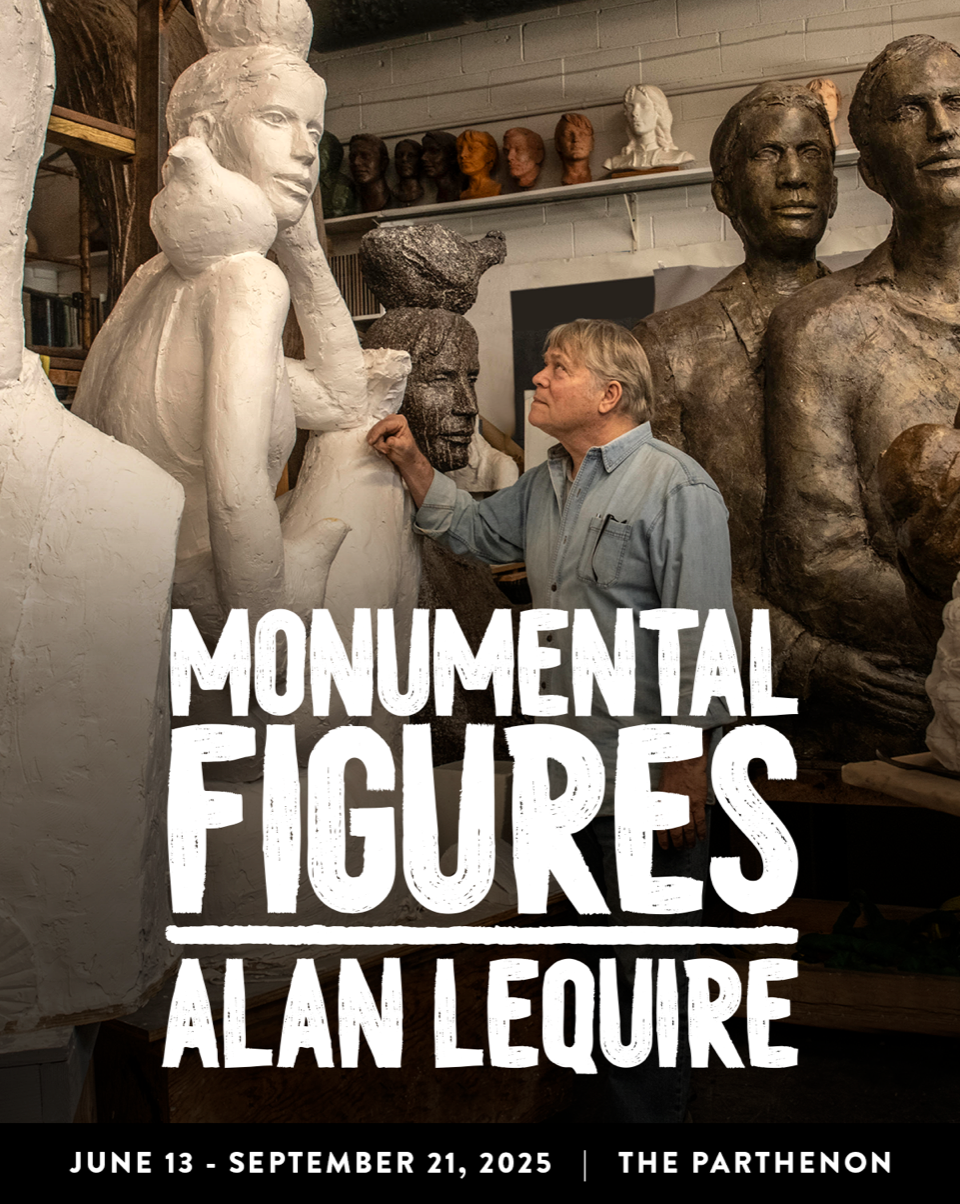
Monumental Figures In Progress. Photography by Kevin Wurm for Nashville Business Journal