Cultural Heroes
Interested in hosting a traveling exhibition? Contact us for availability and details.
“The artist must take sides.” - Paul Robeson
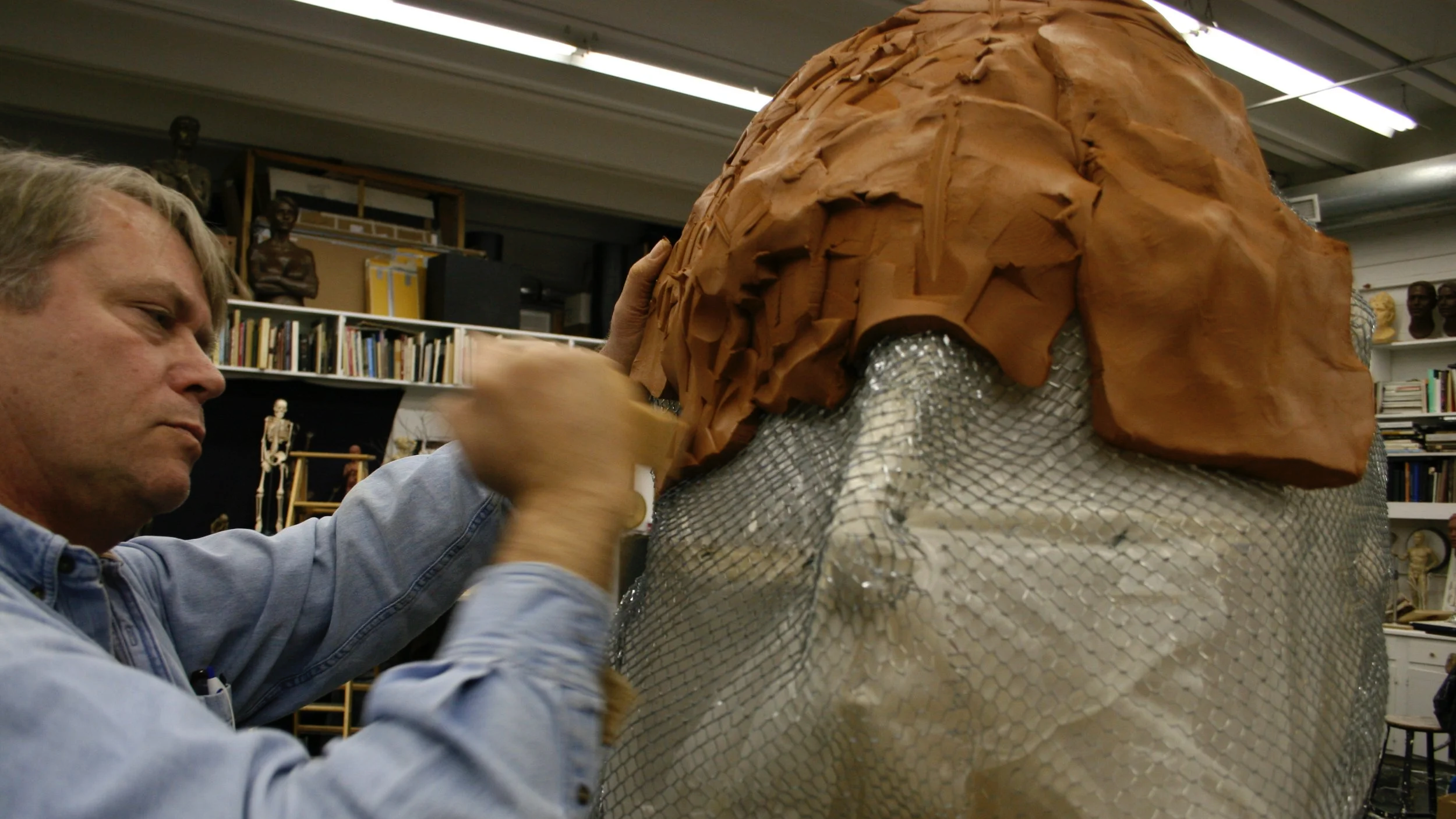
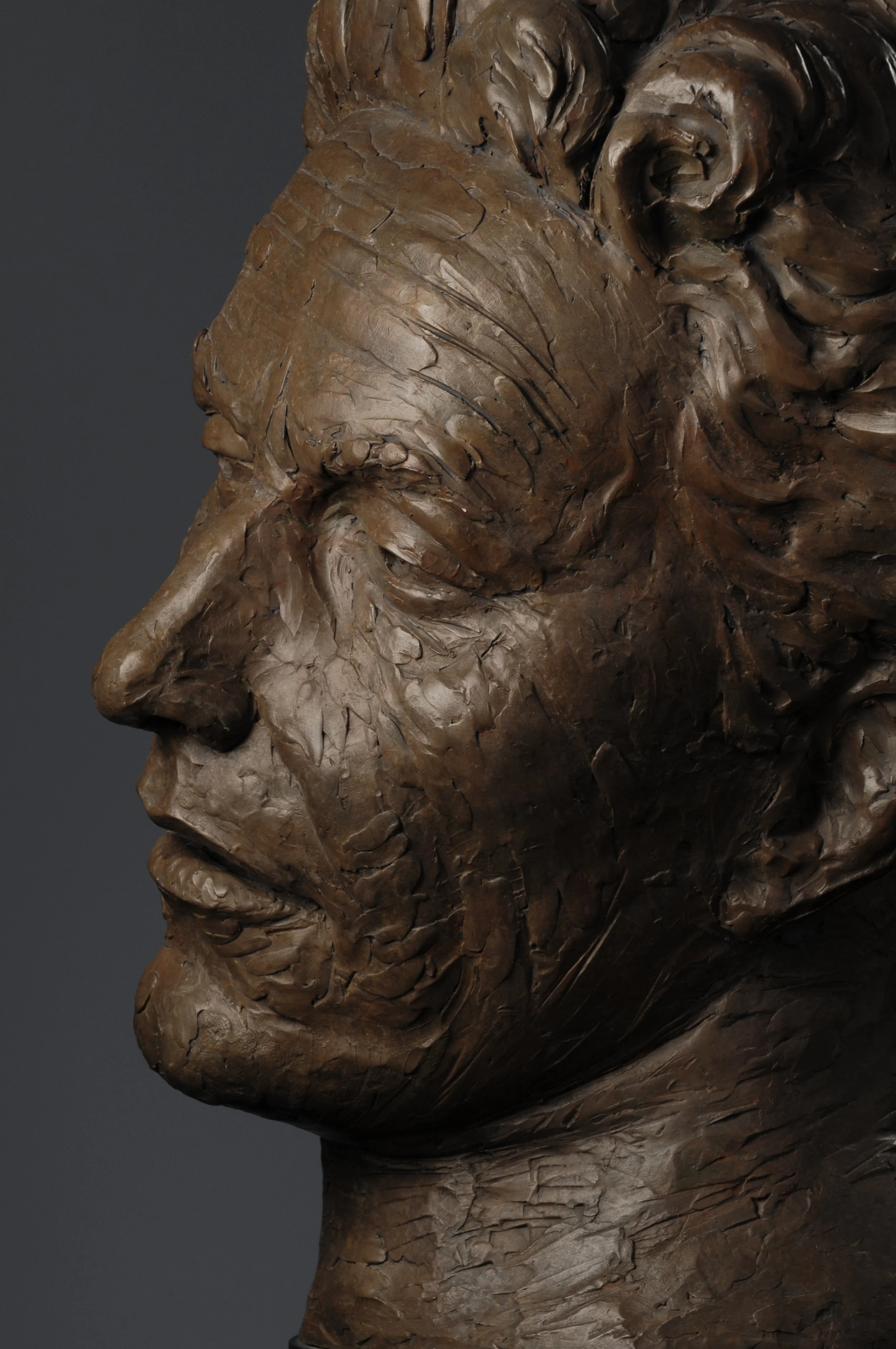
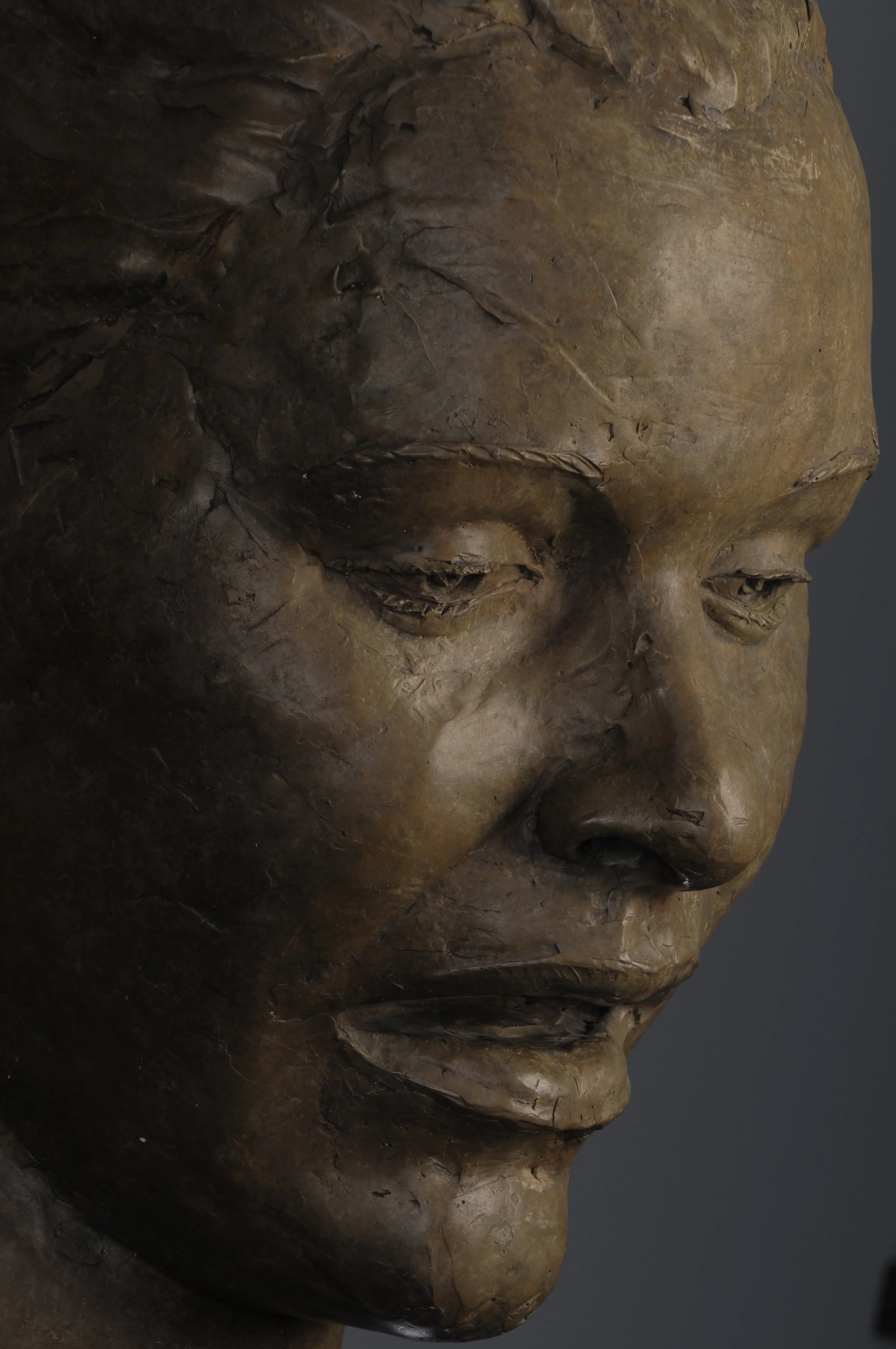
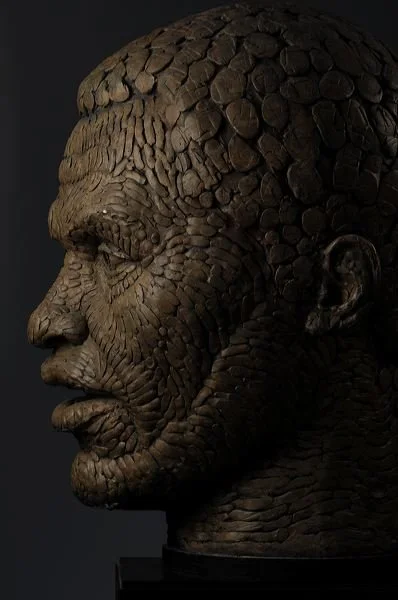
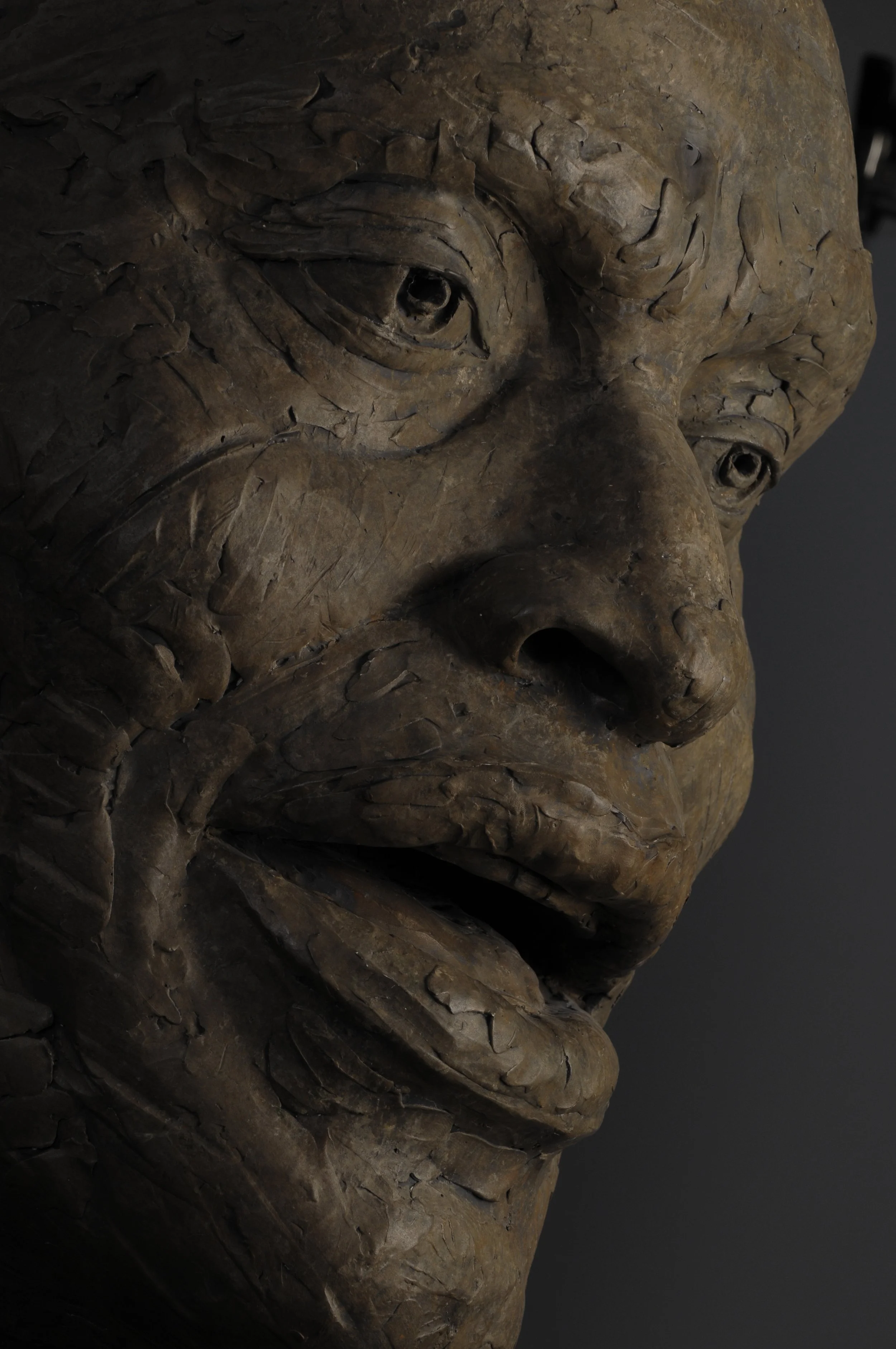
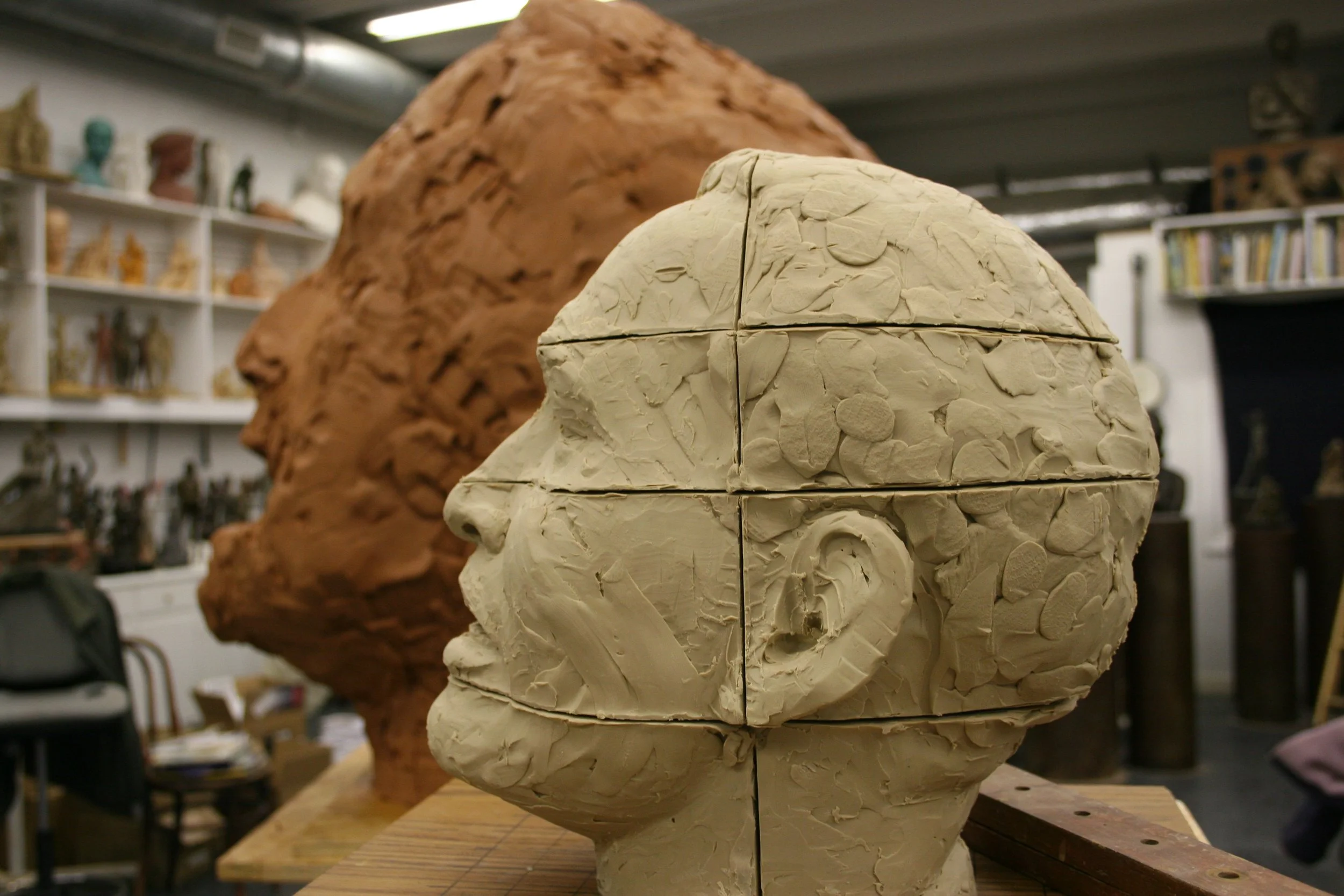
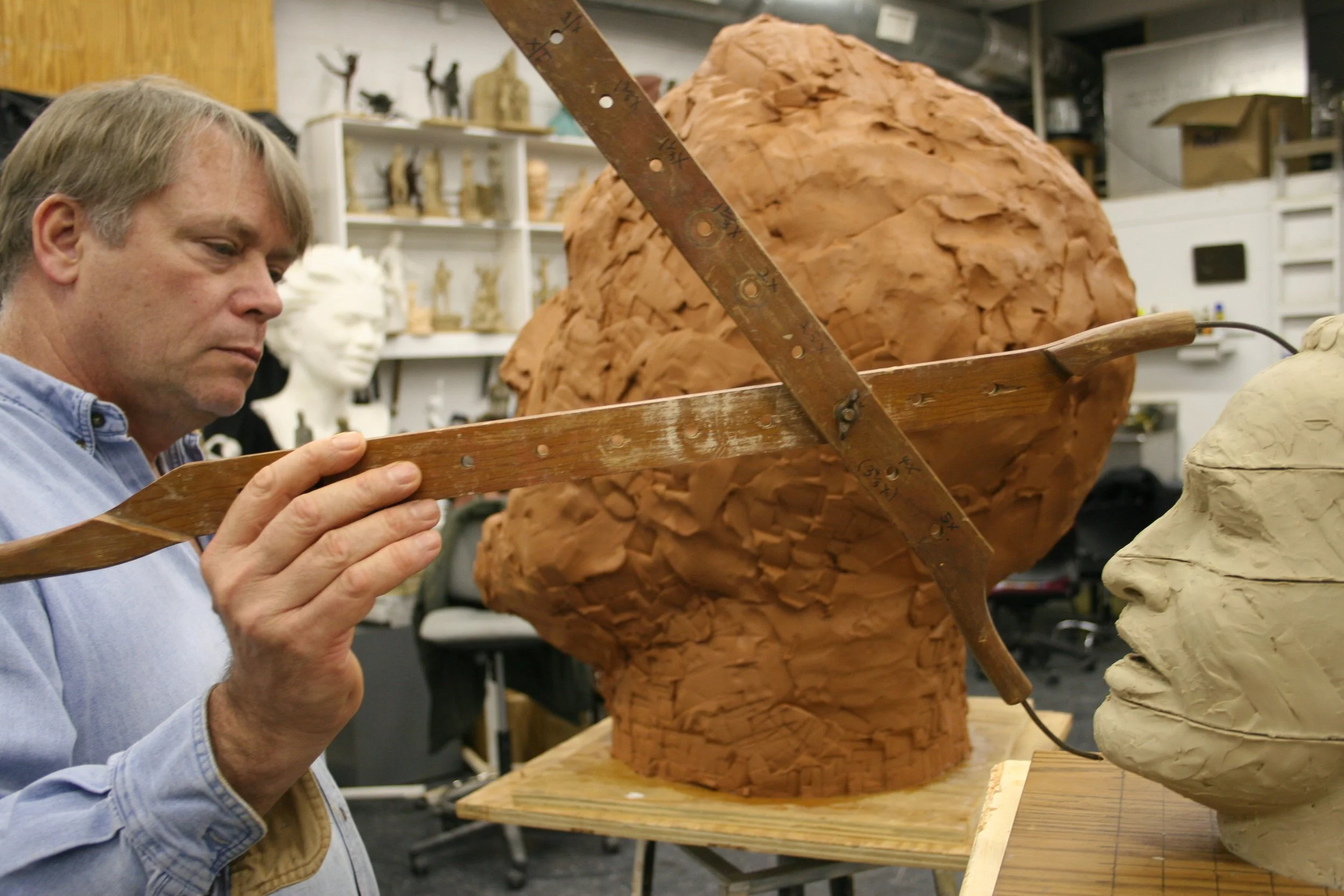
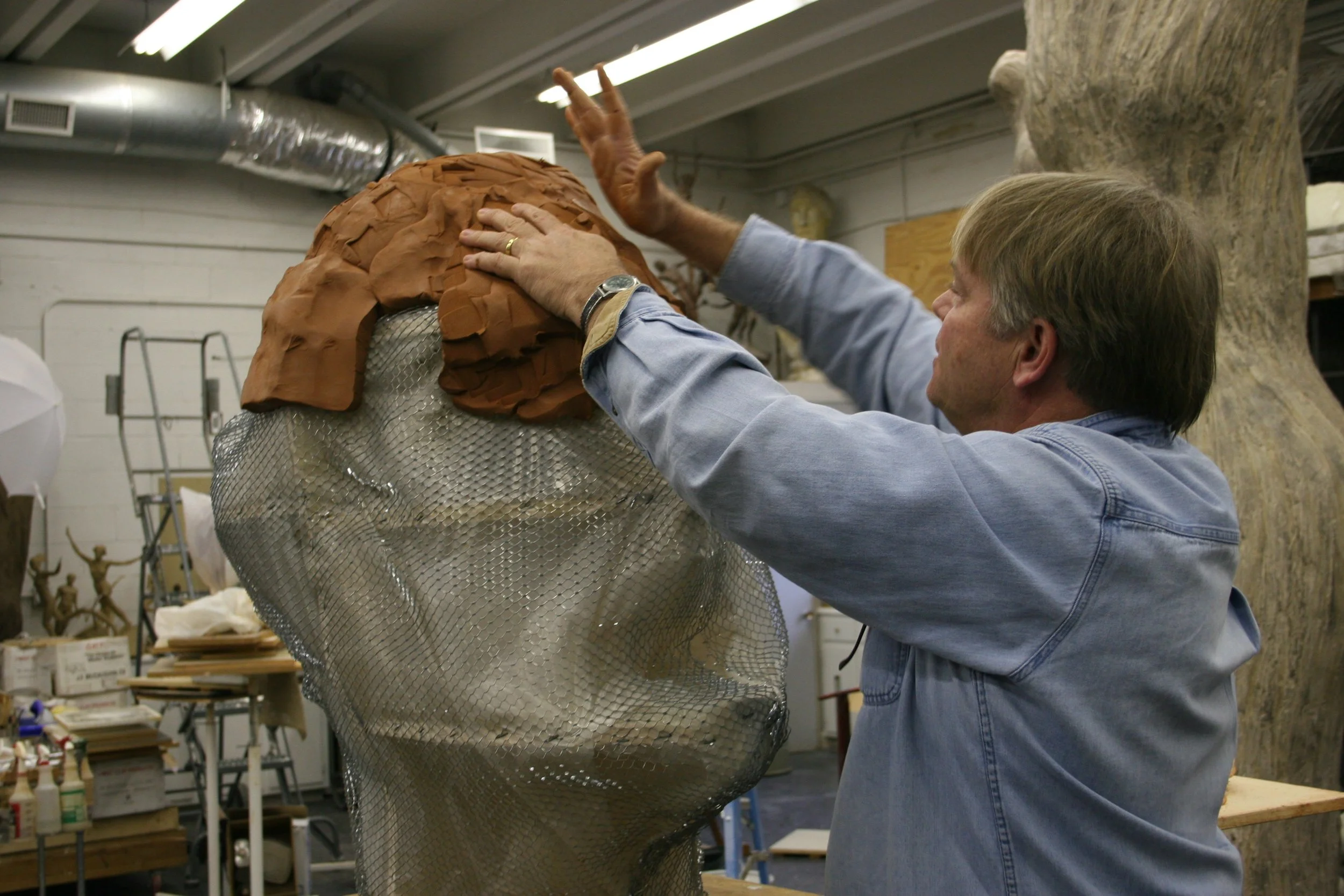
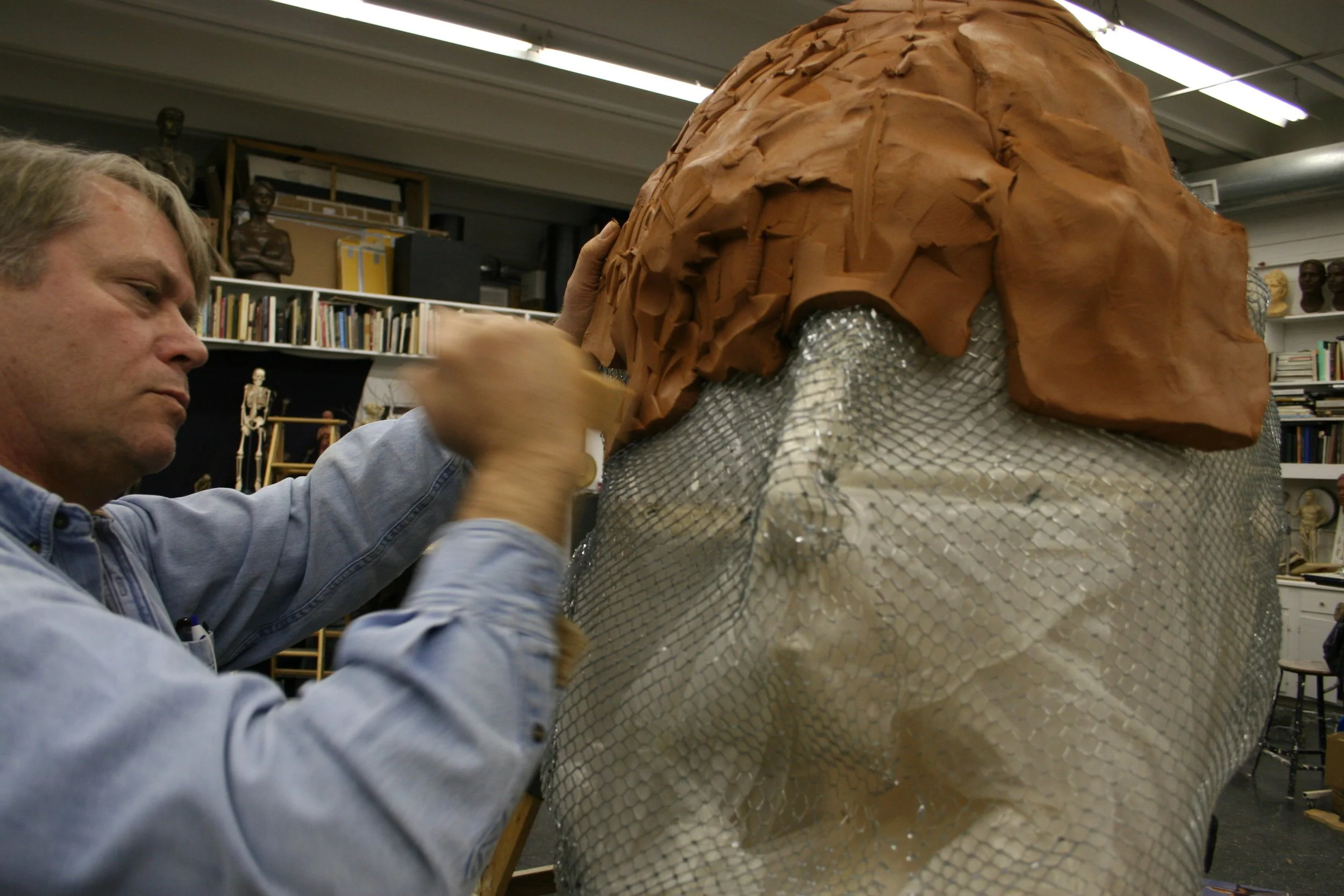
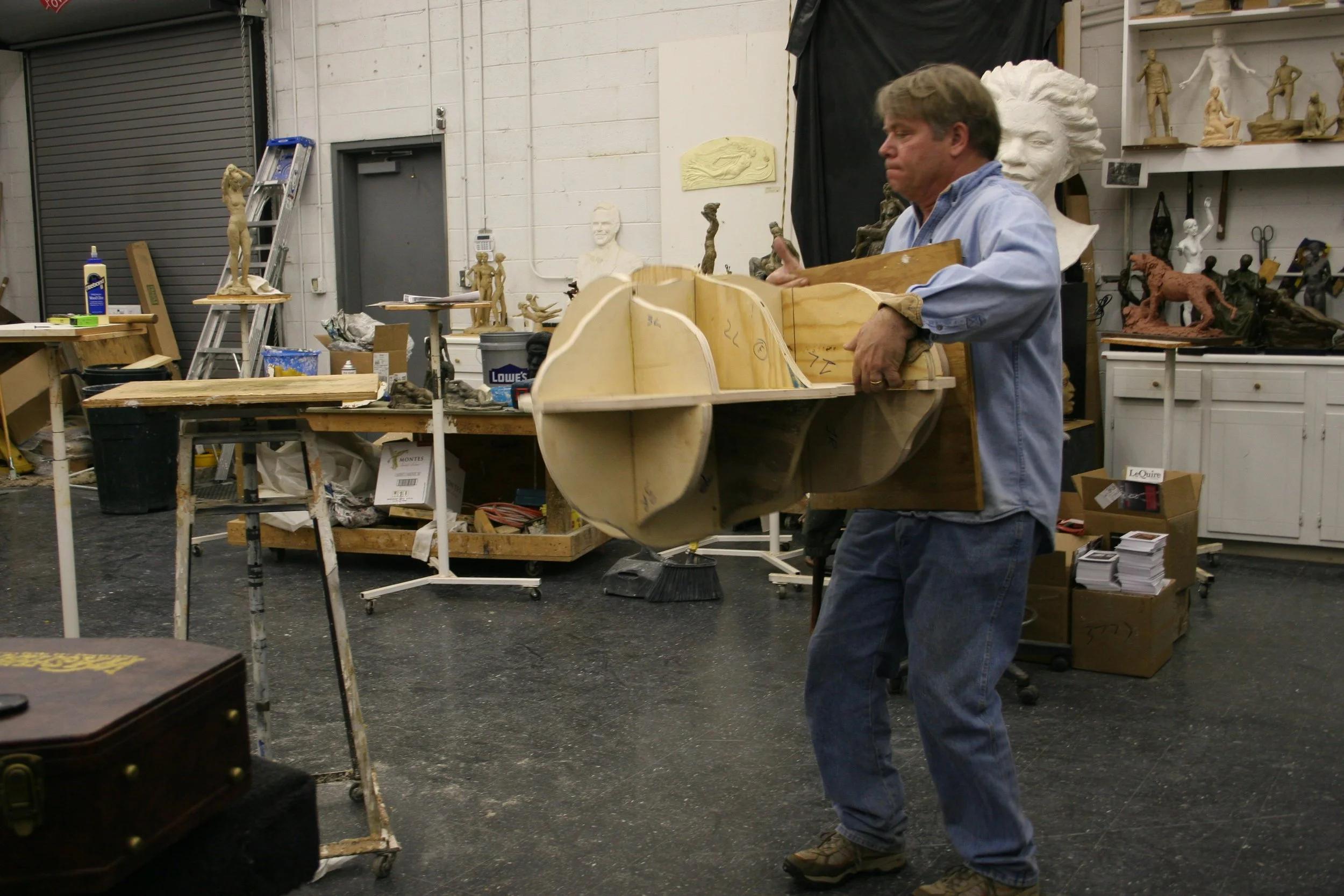
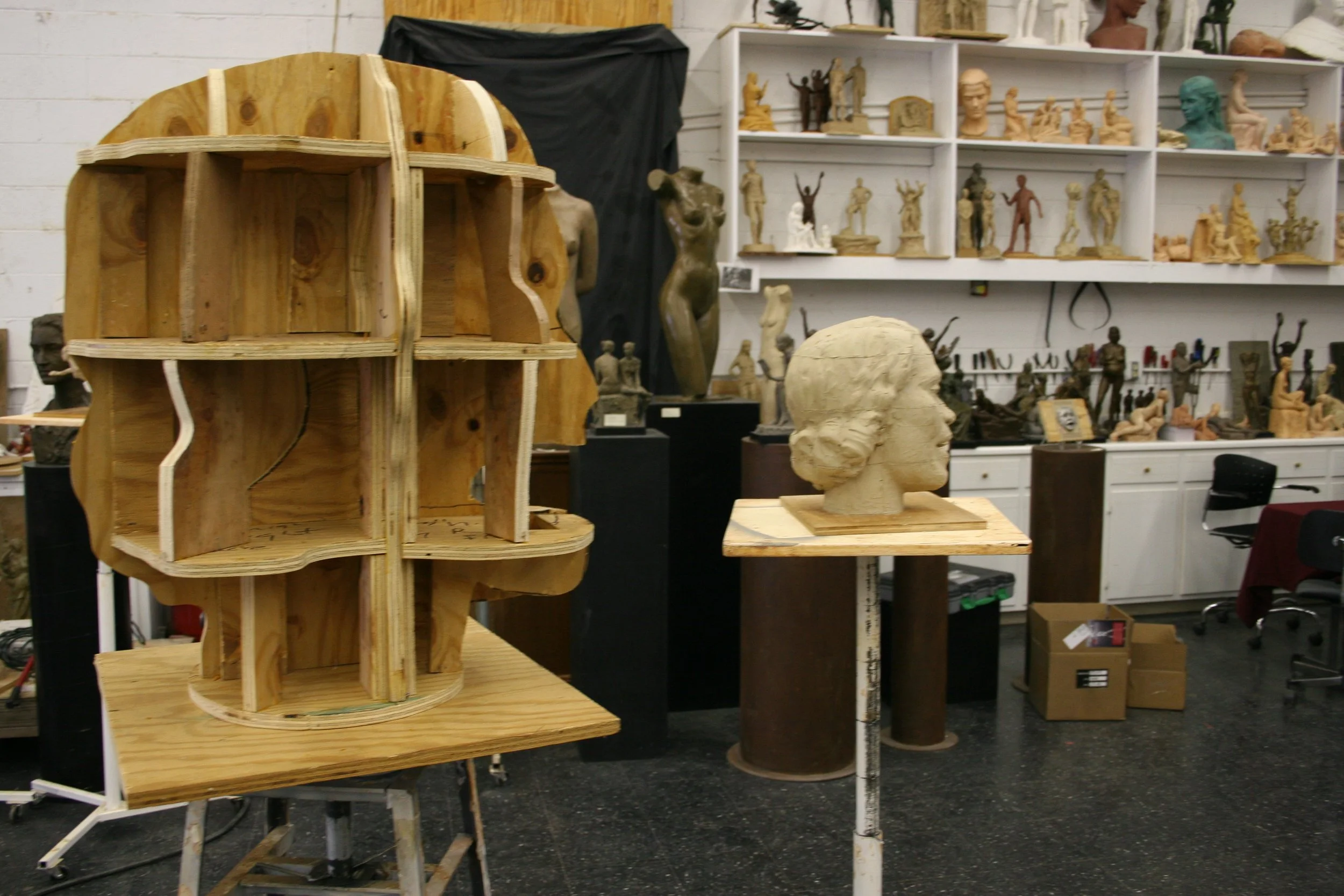
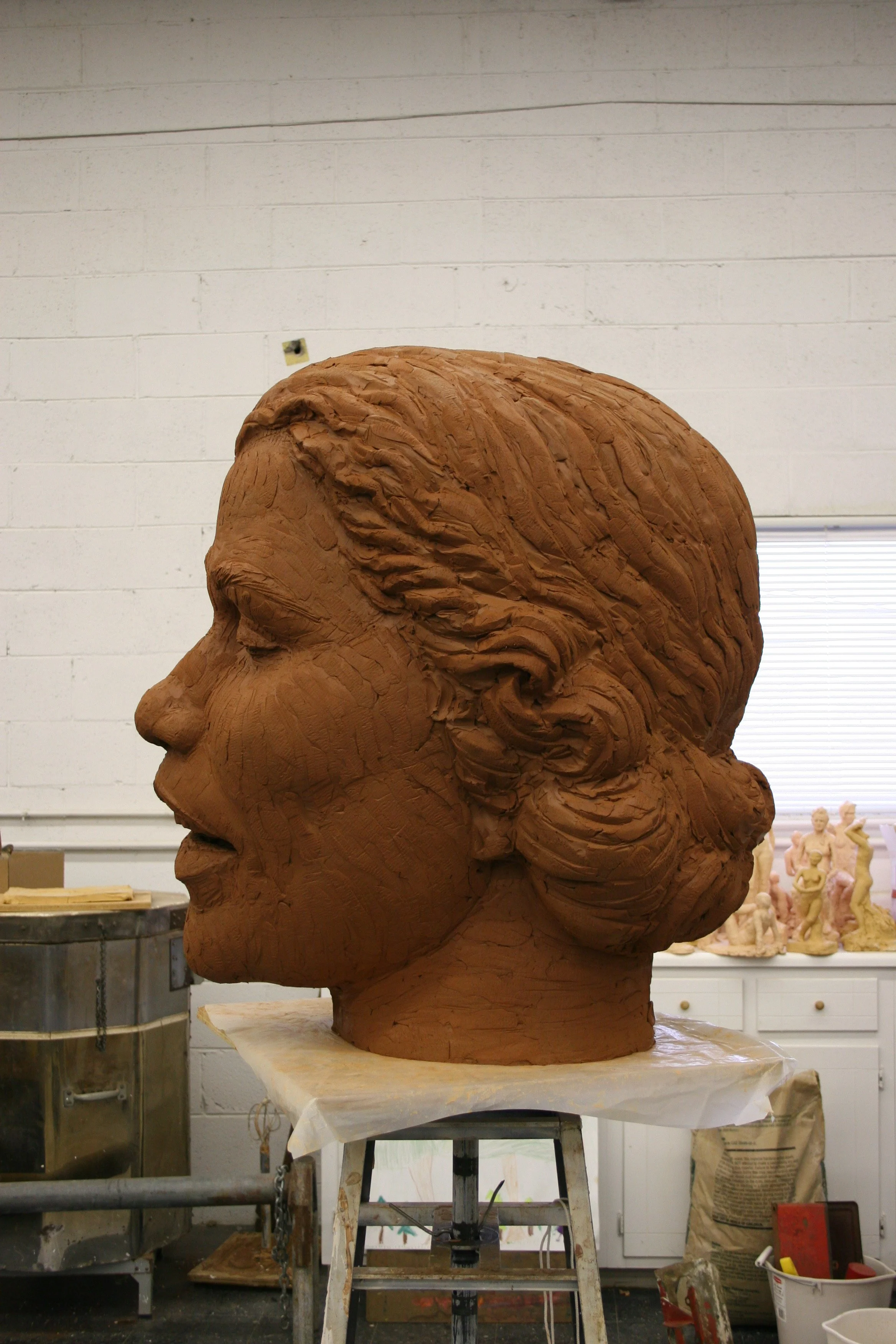
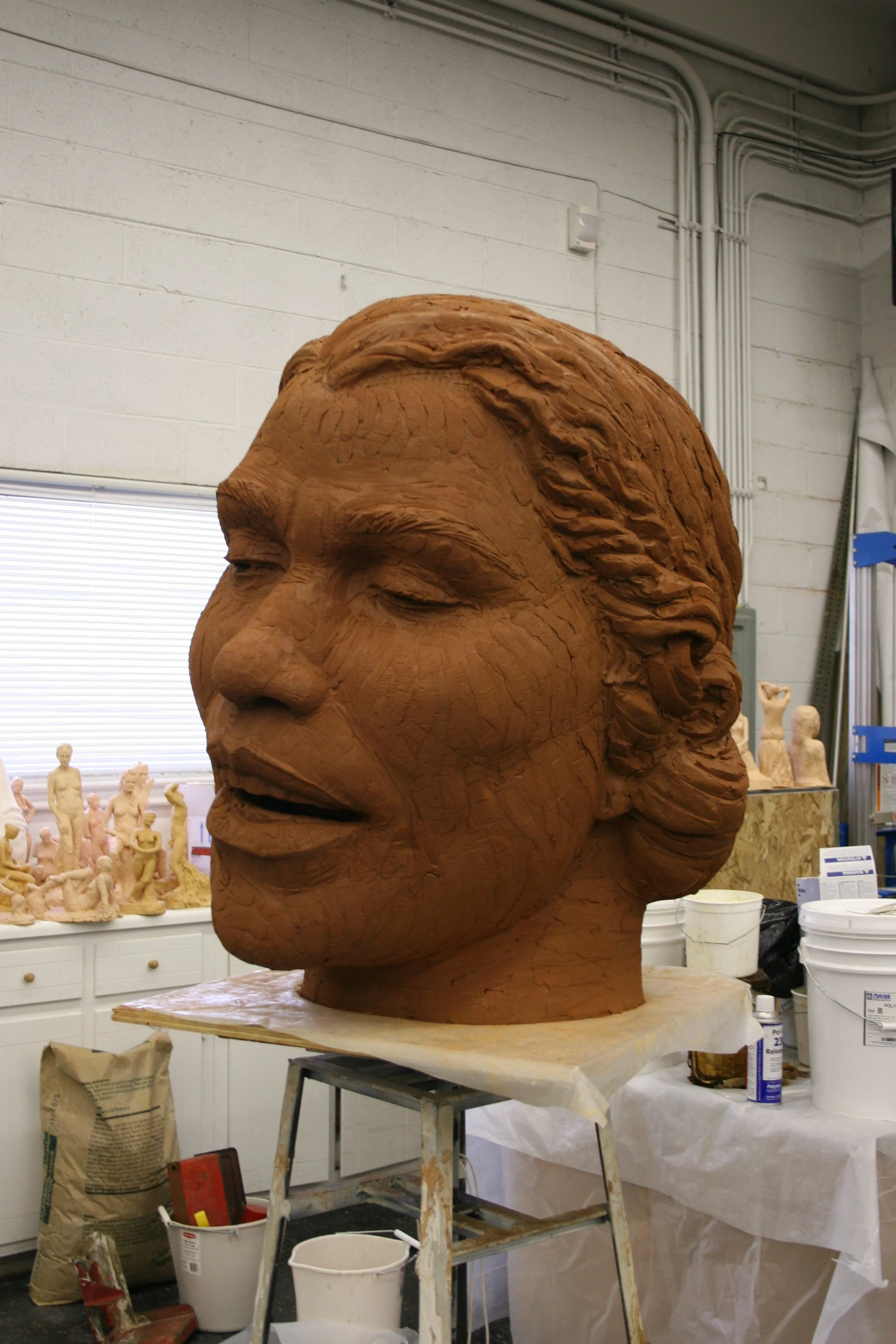
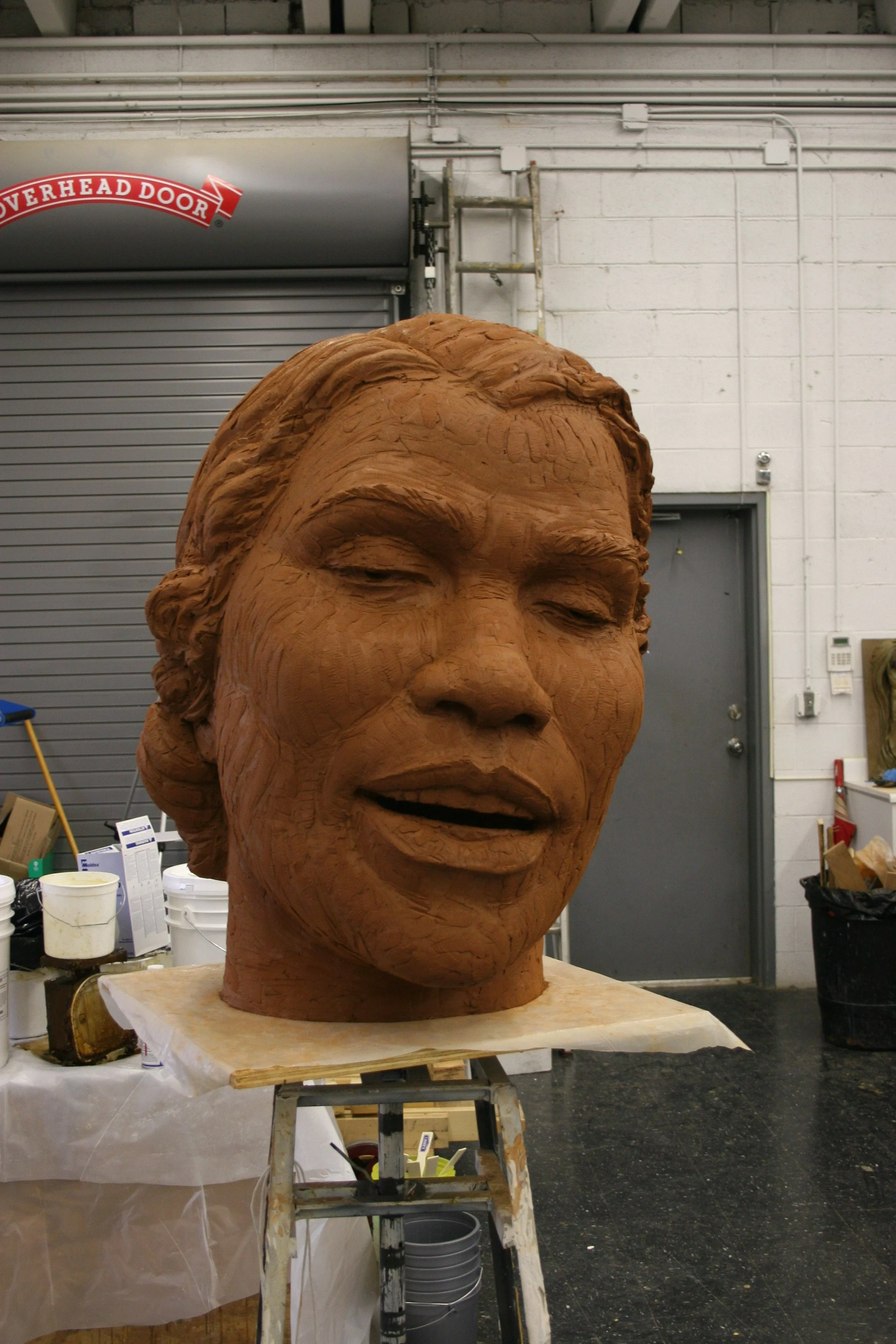
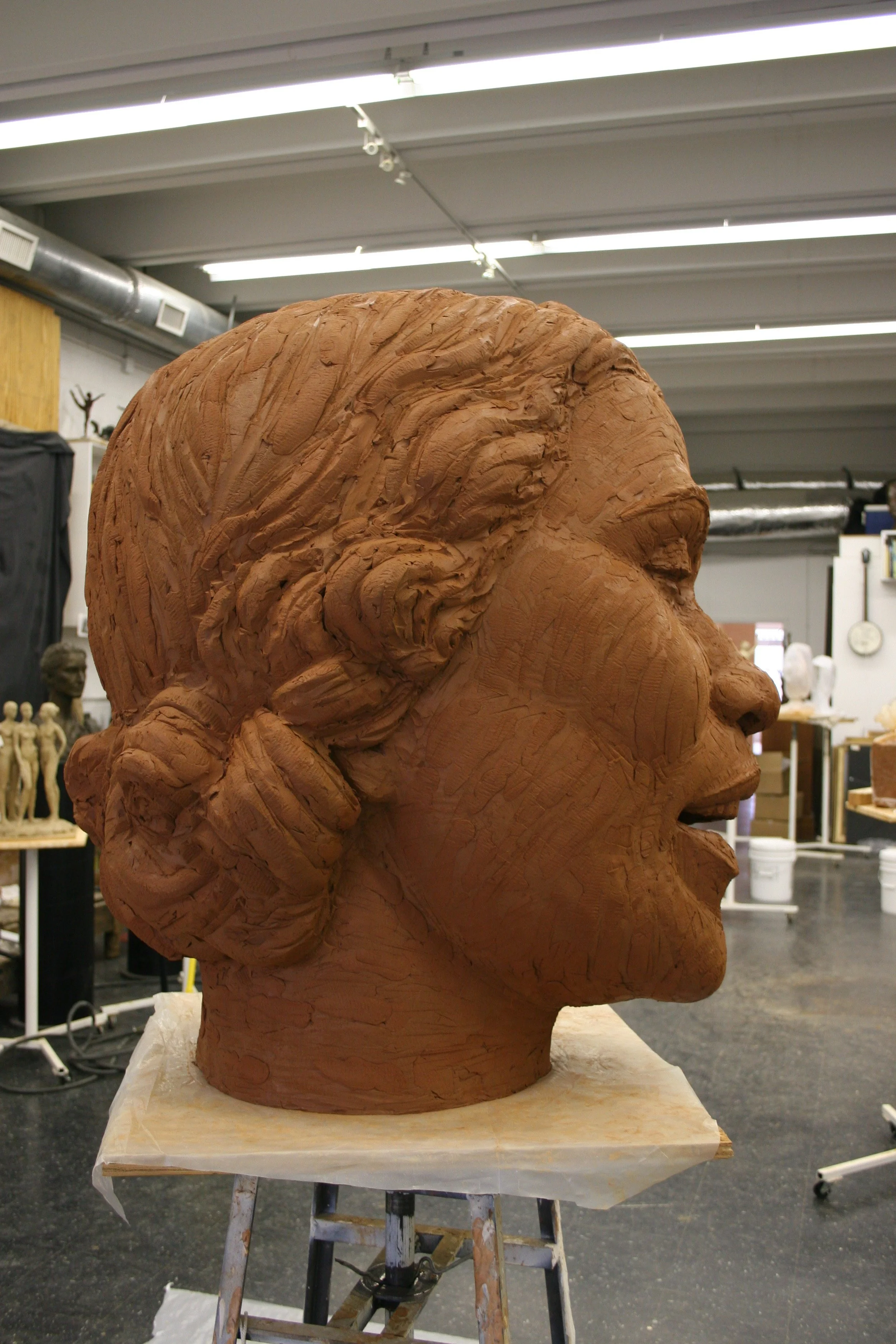
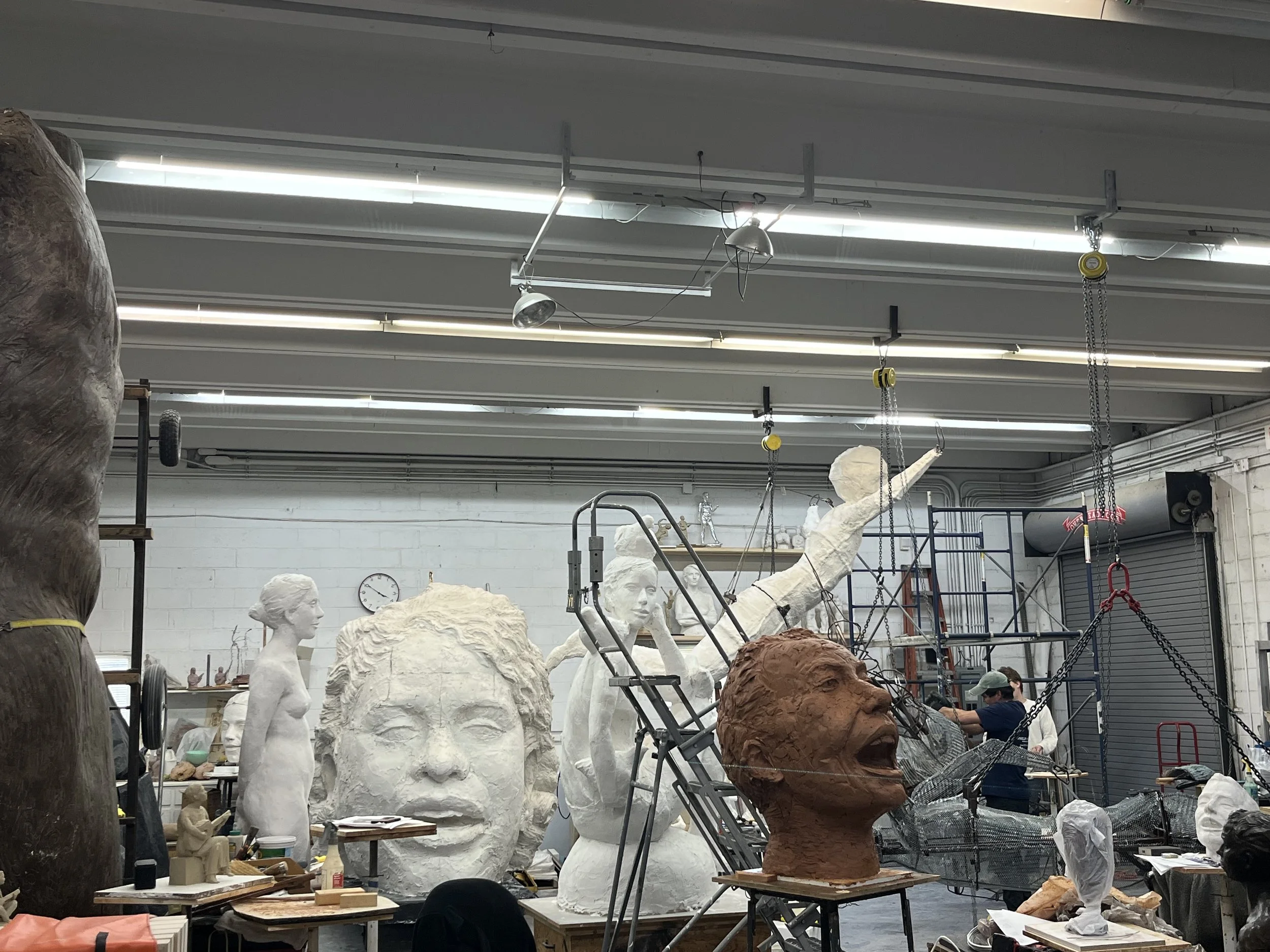
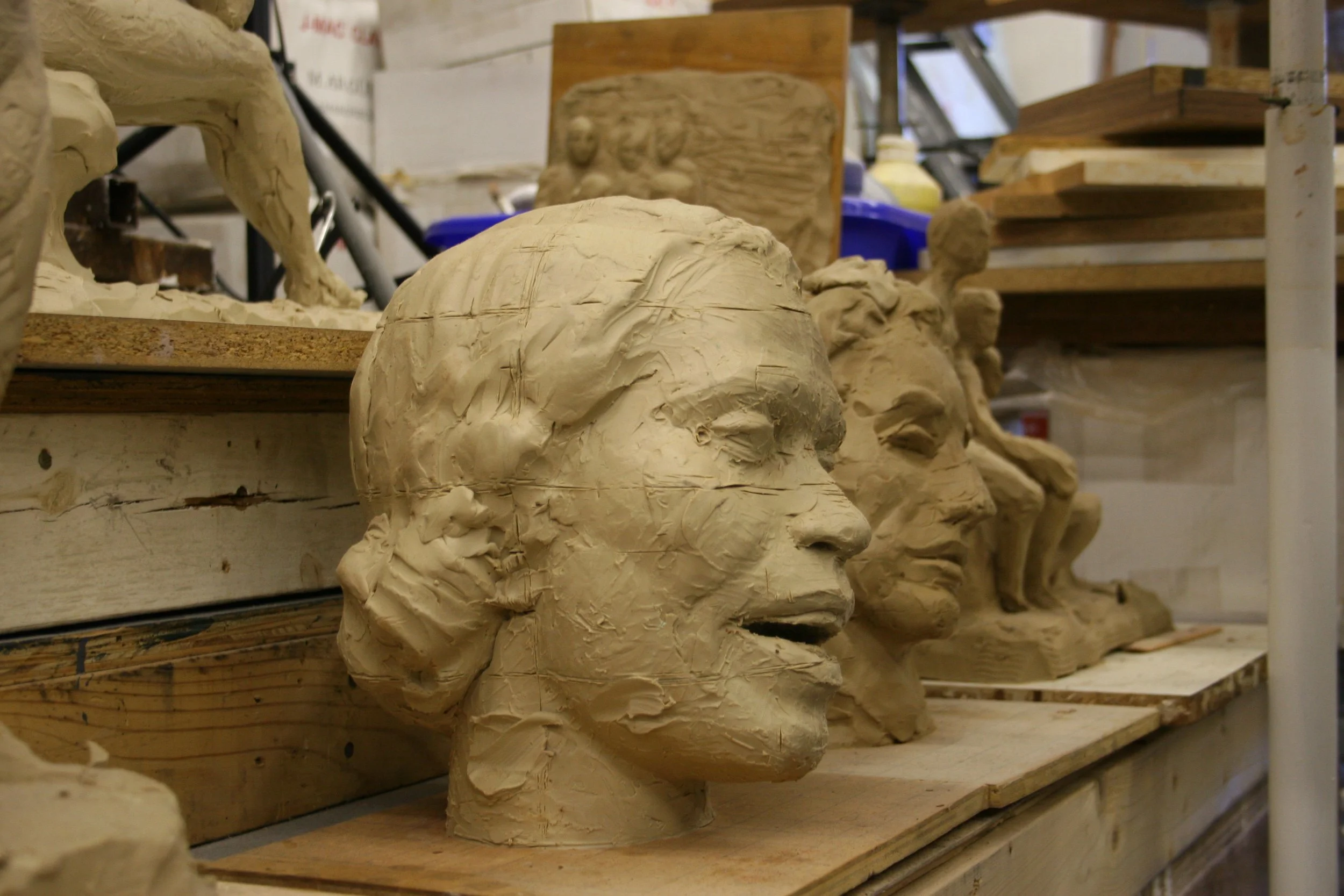
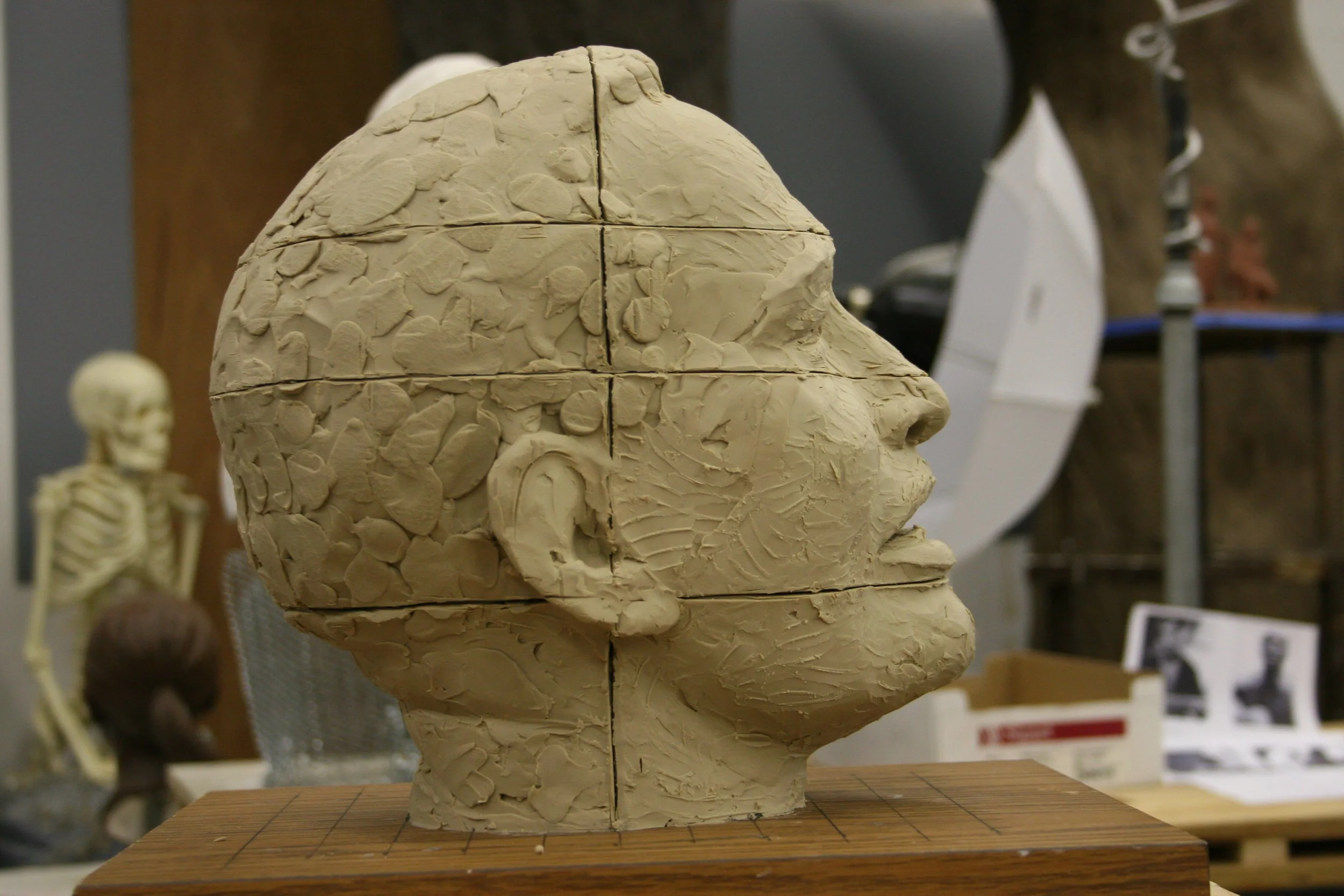
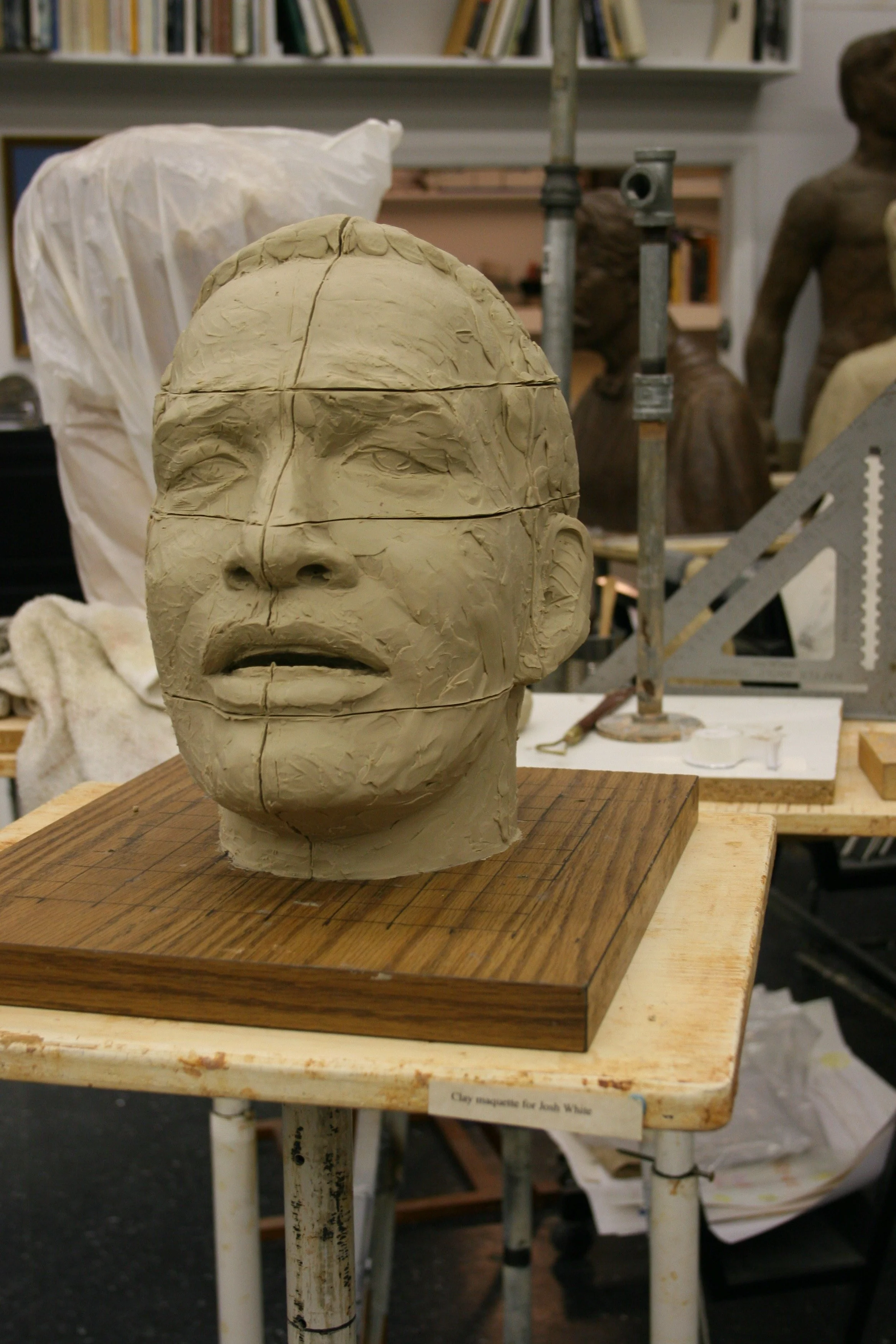
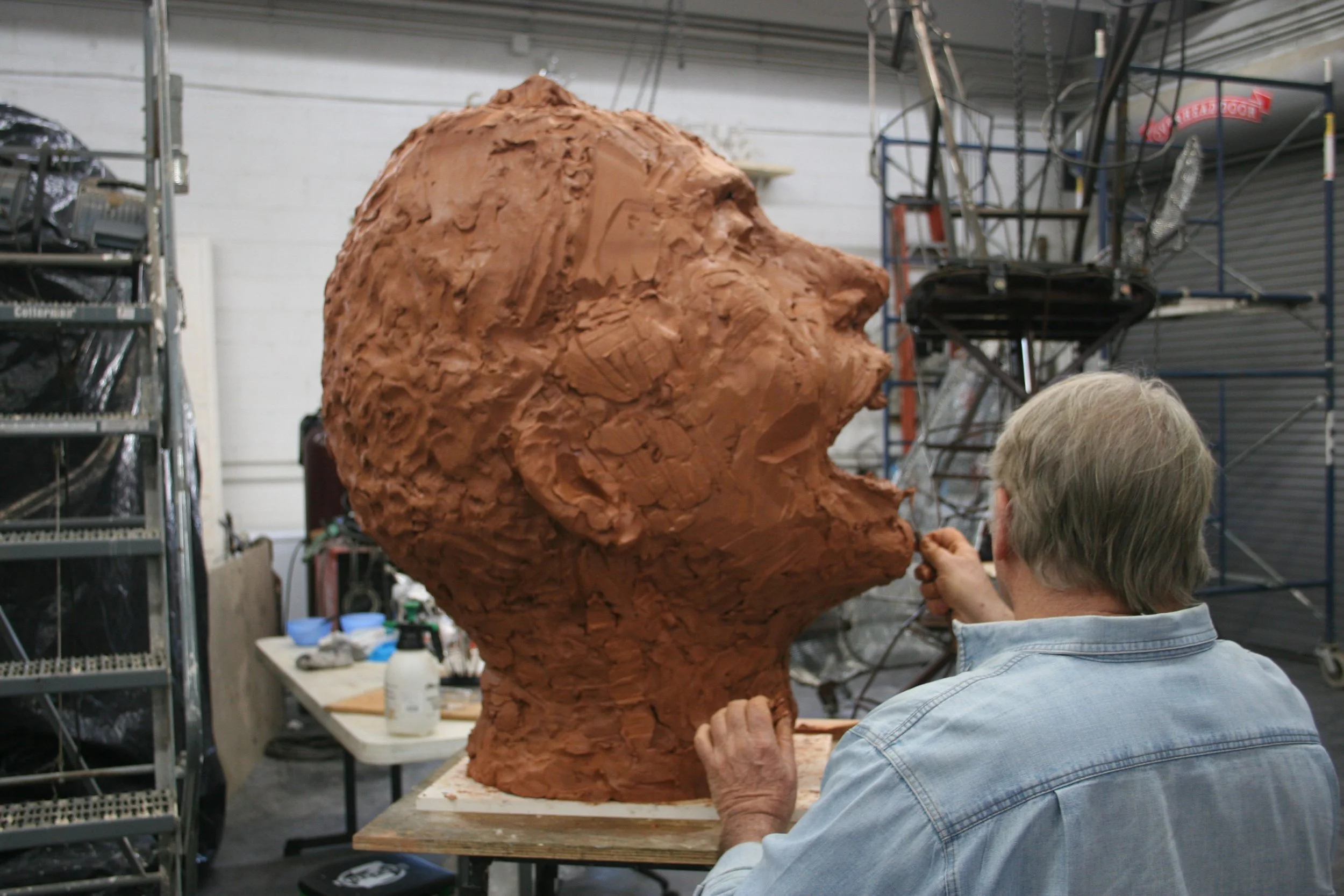
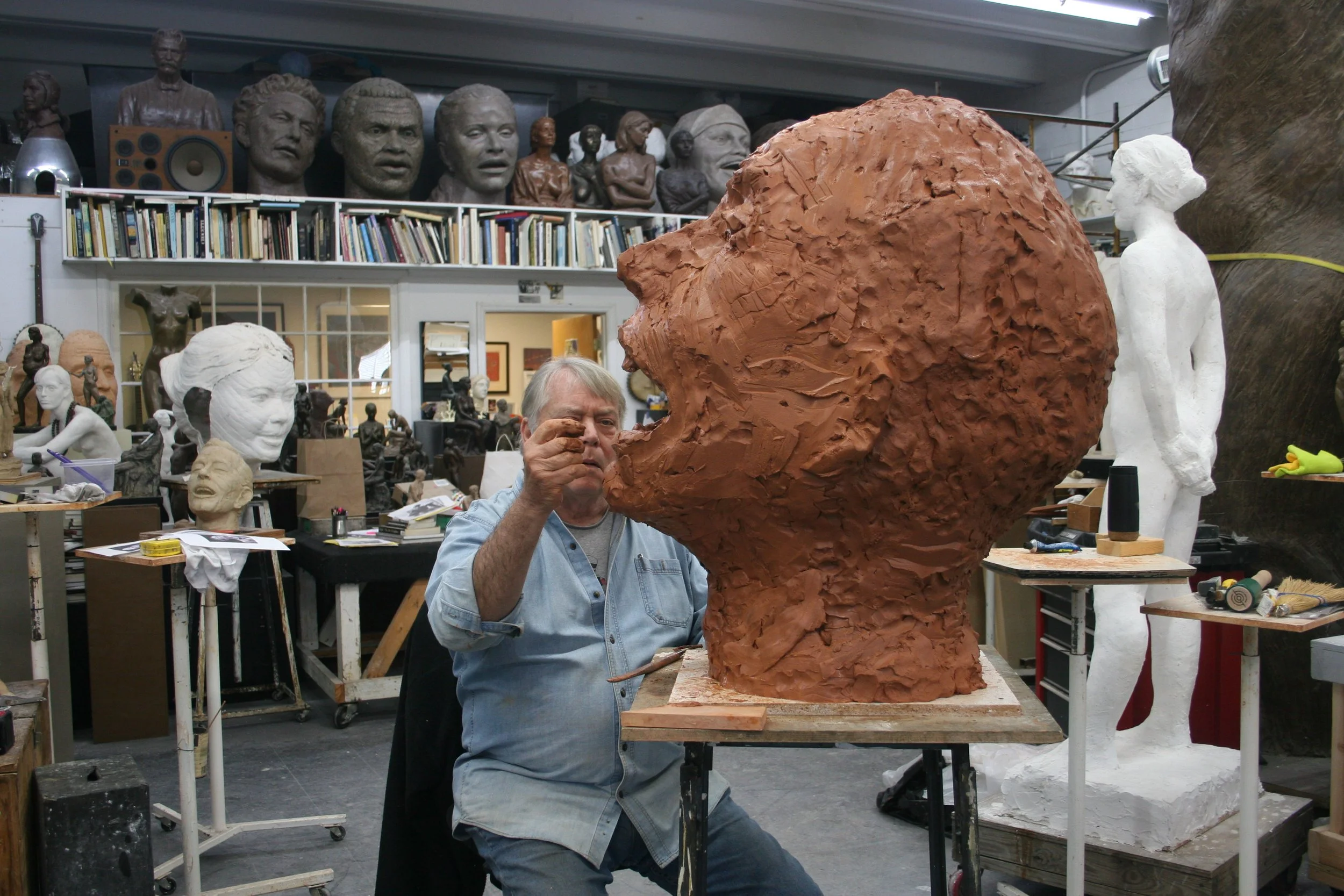
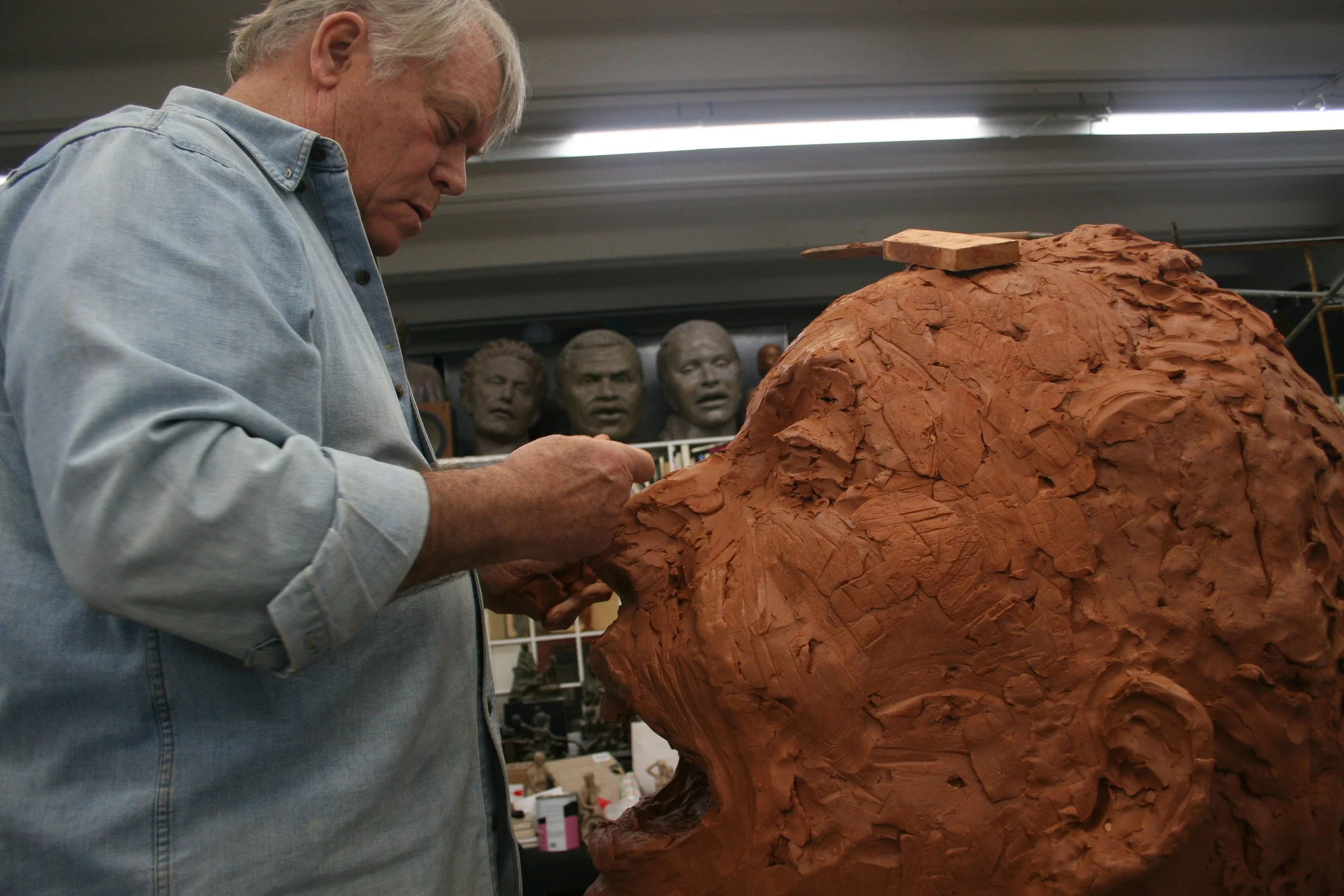
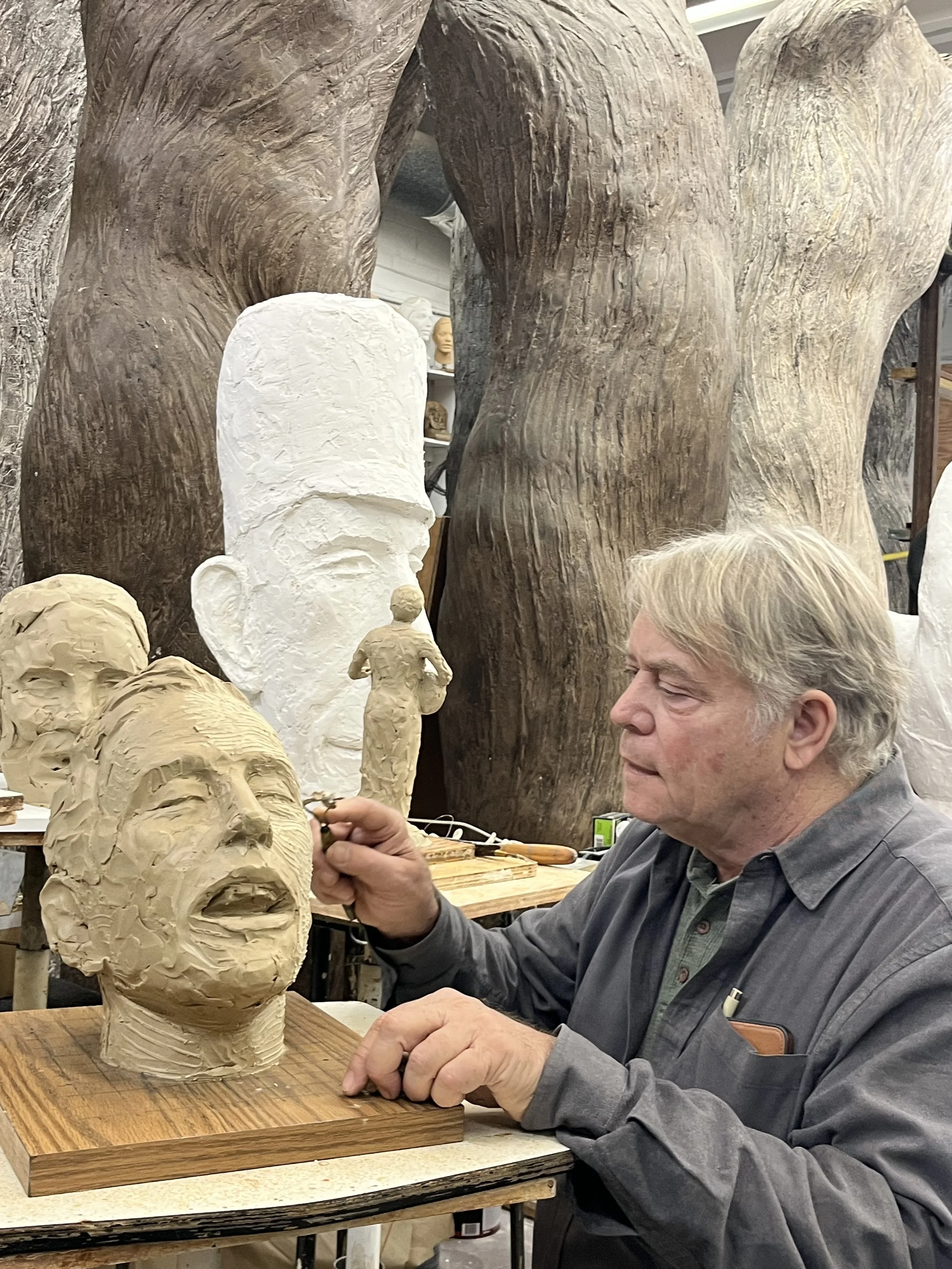
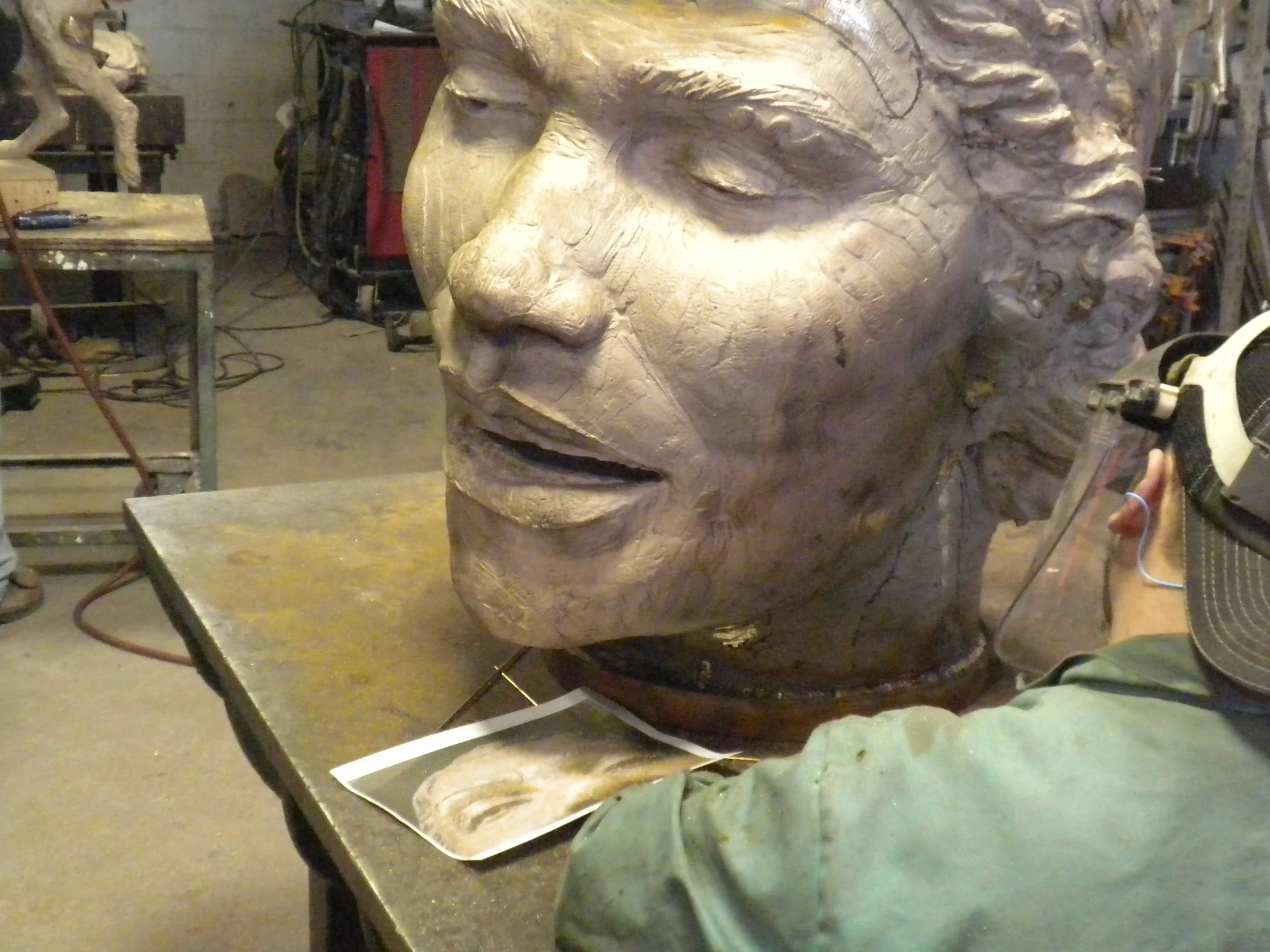
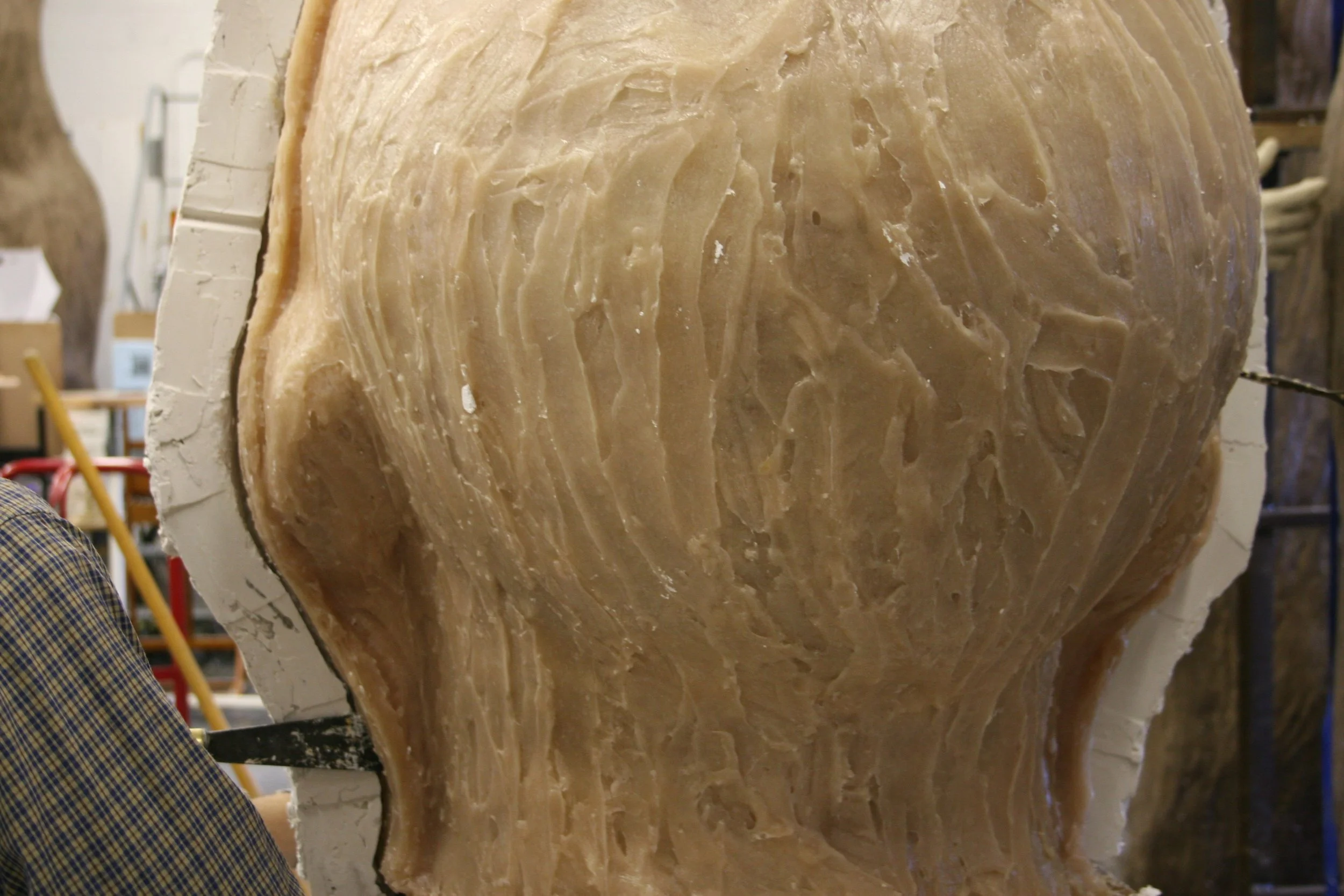
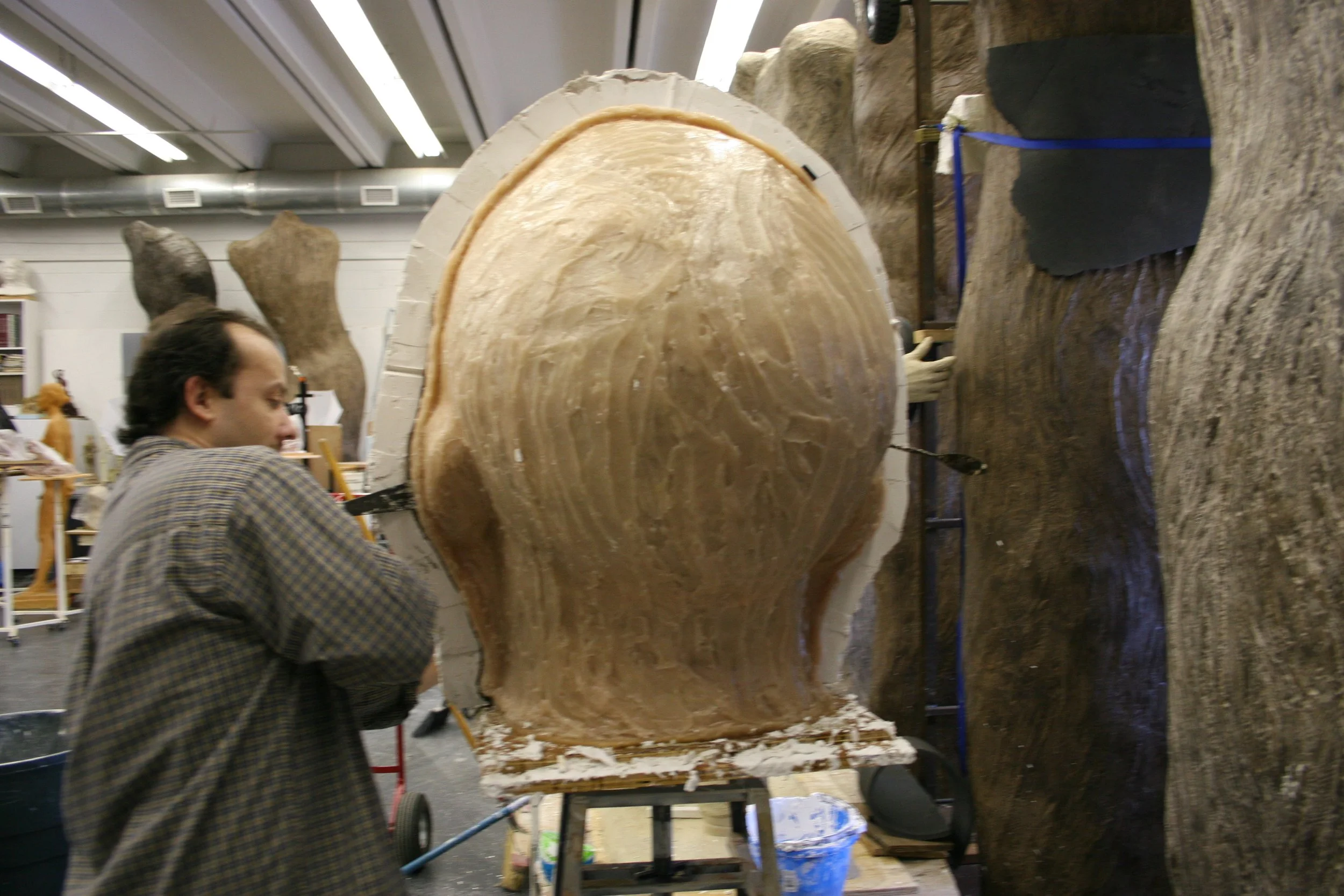
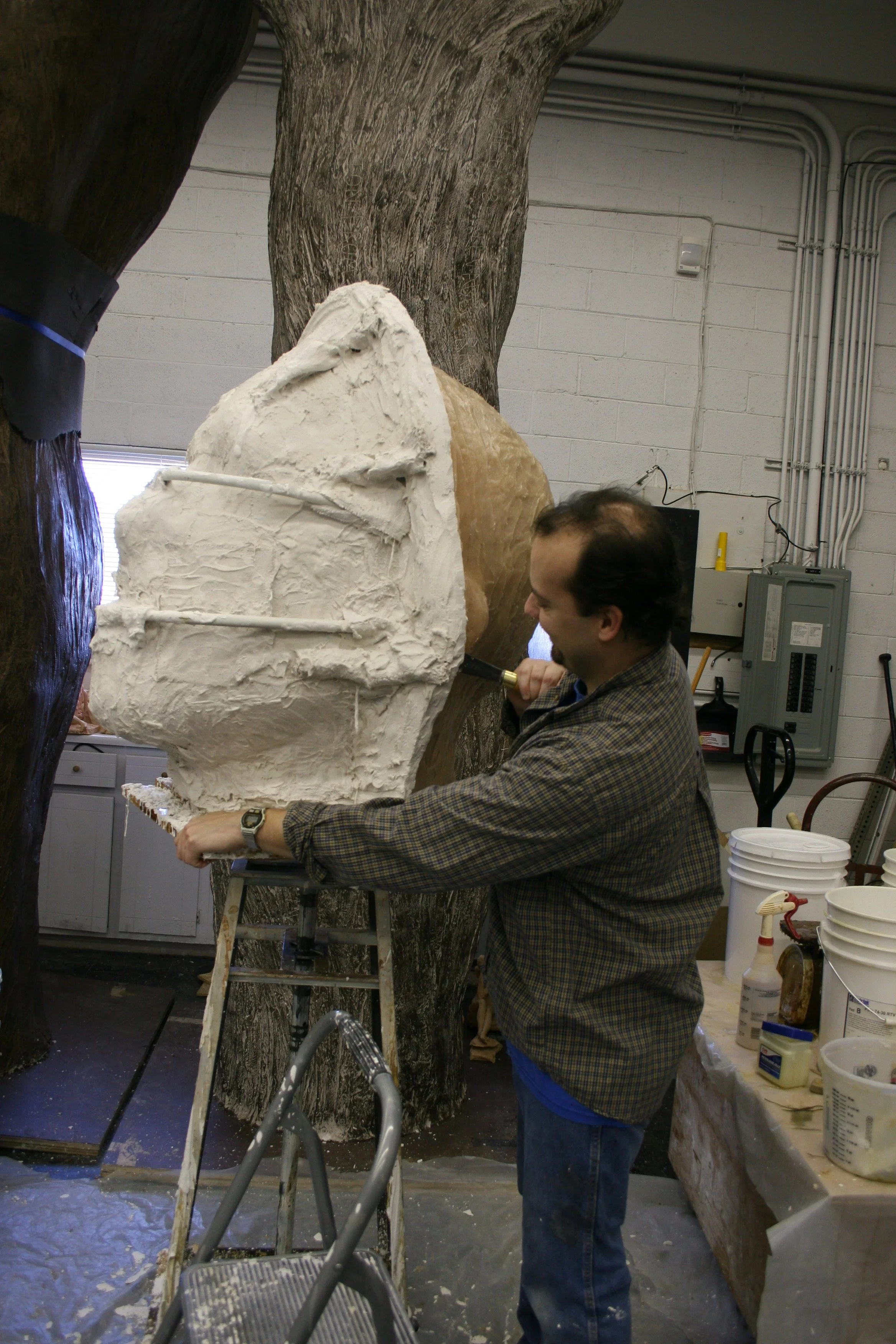
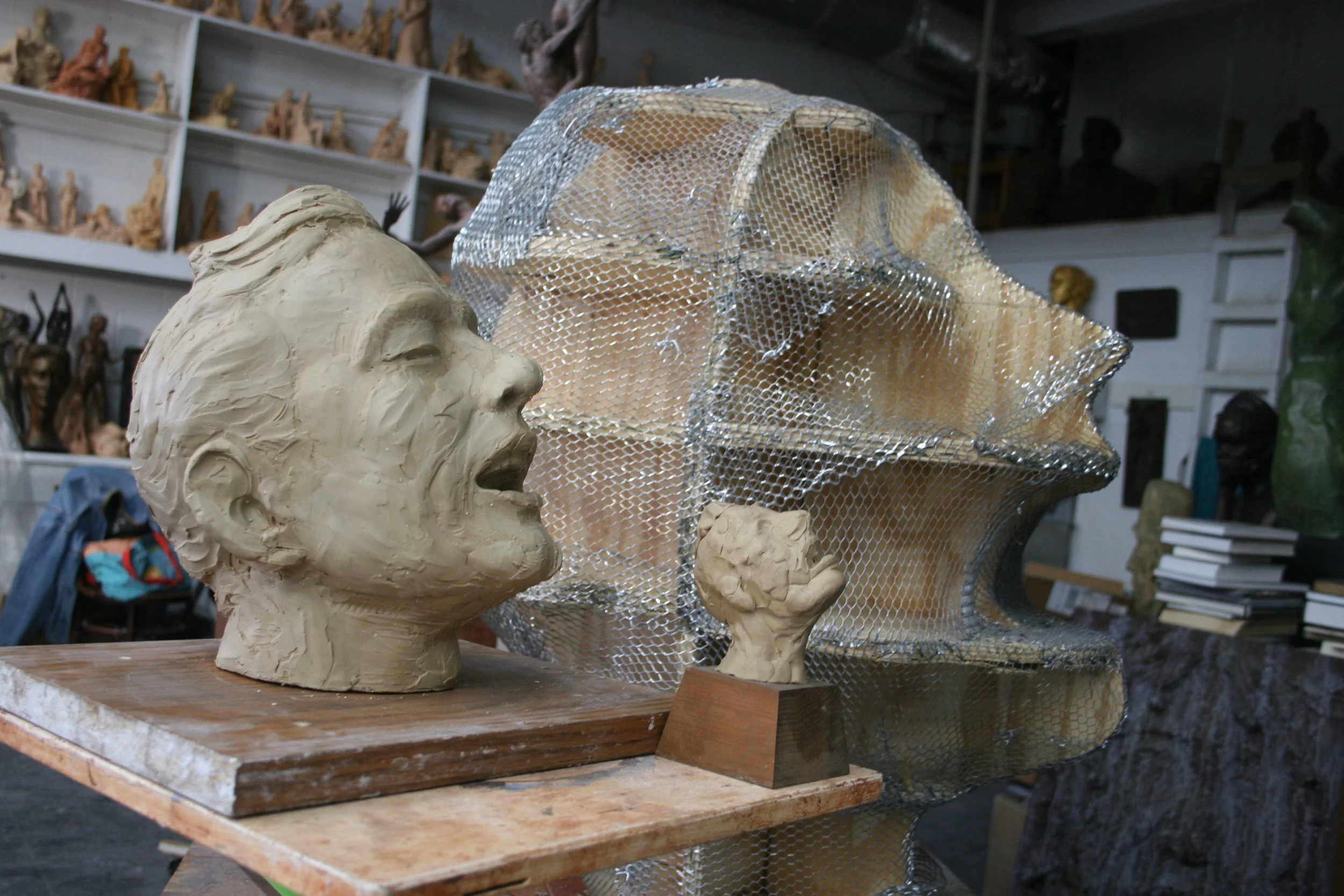
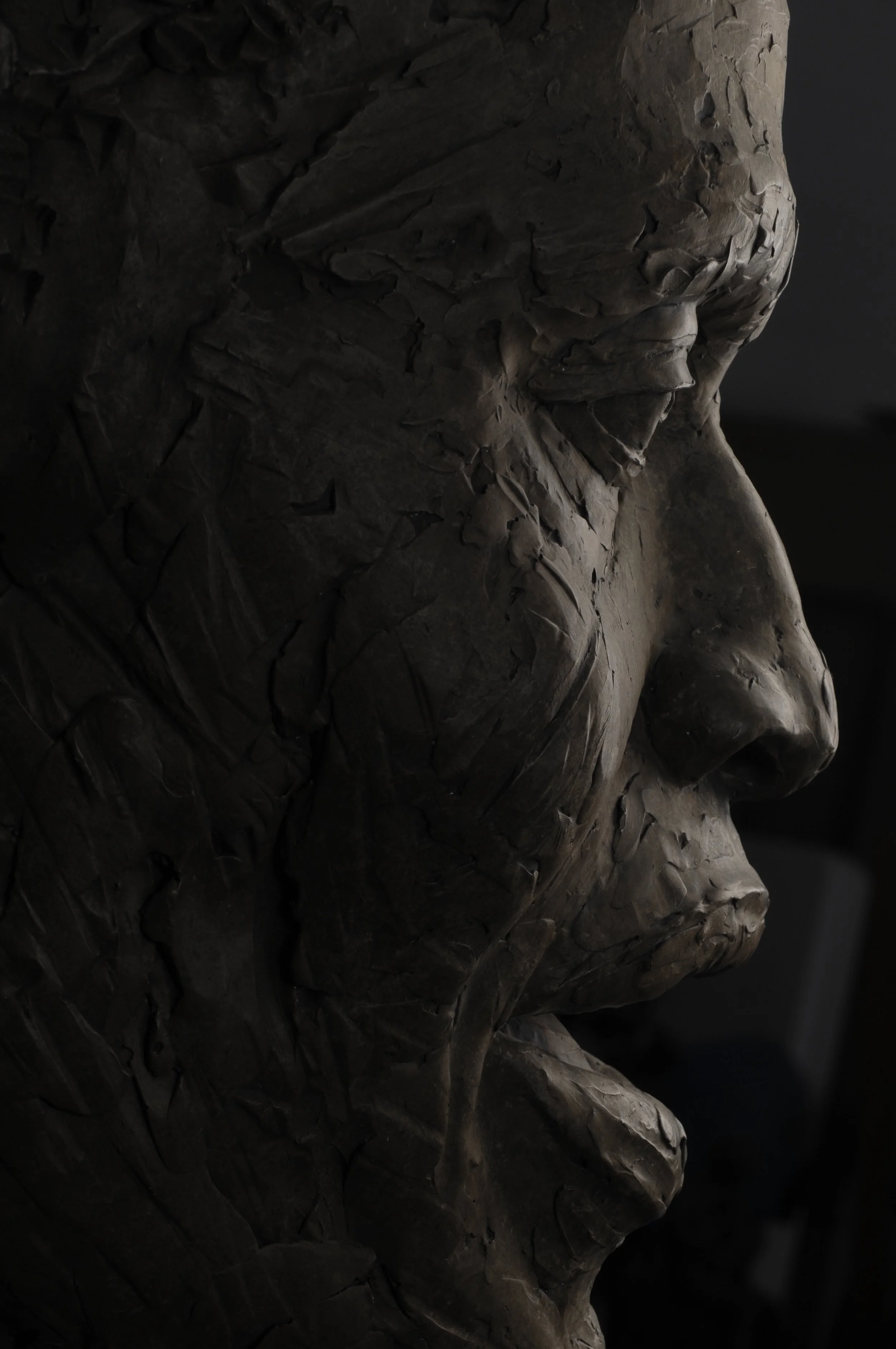
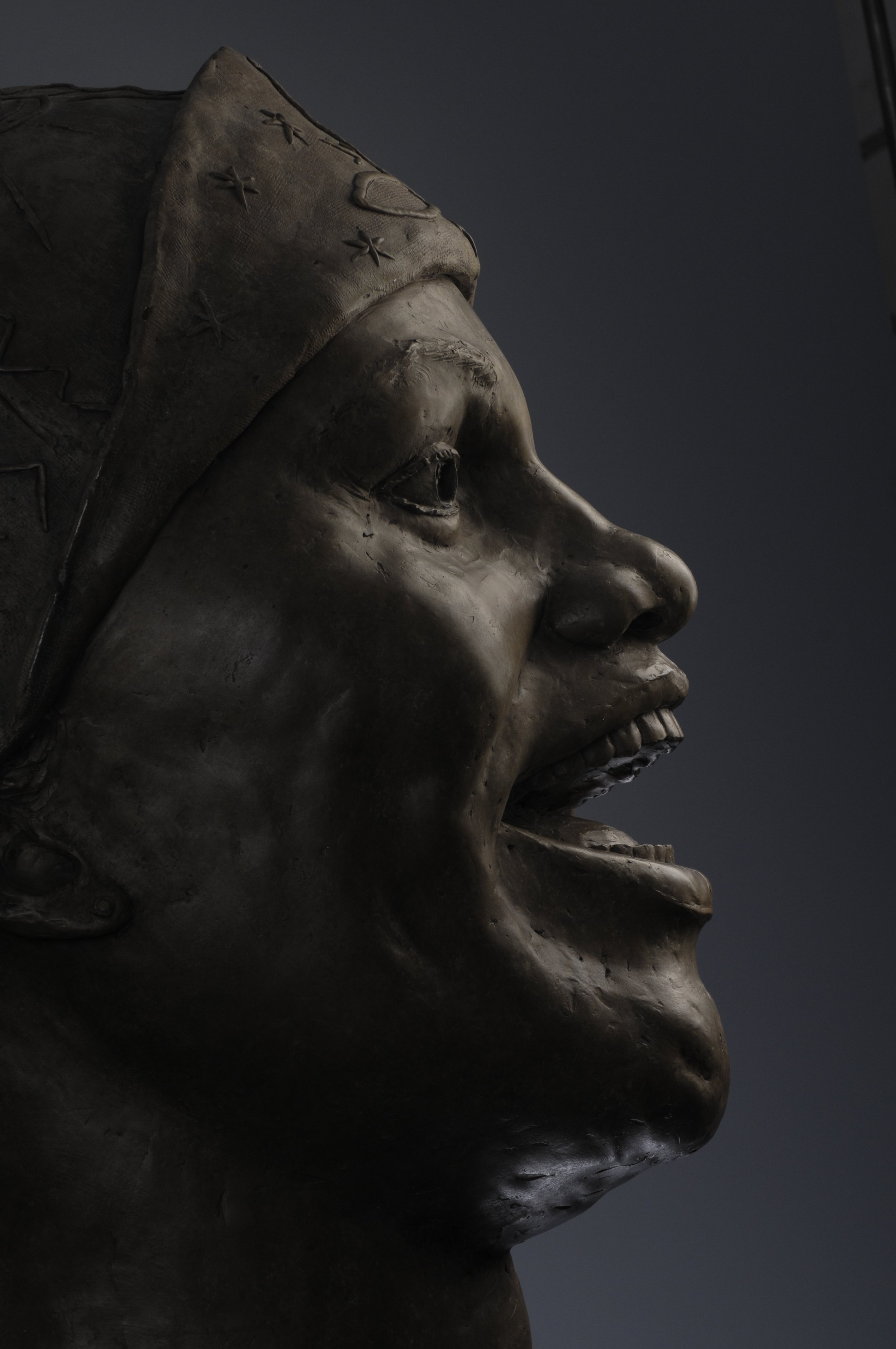
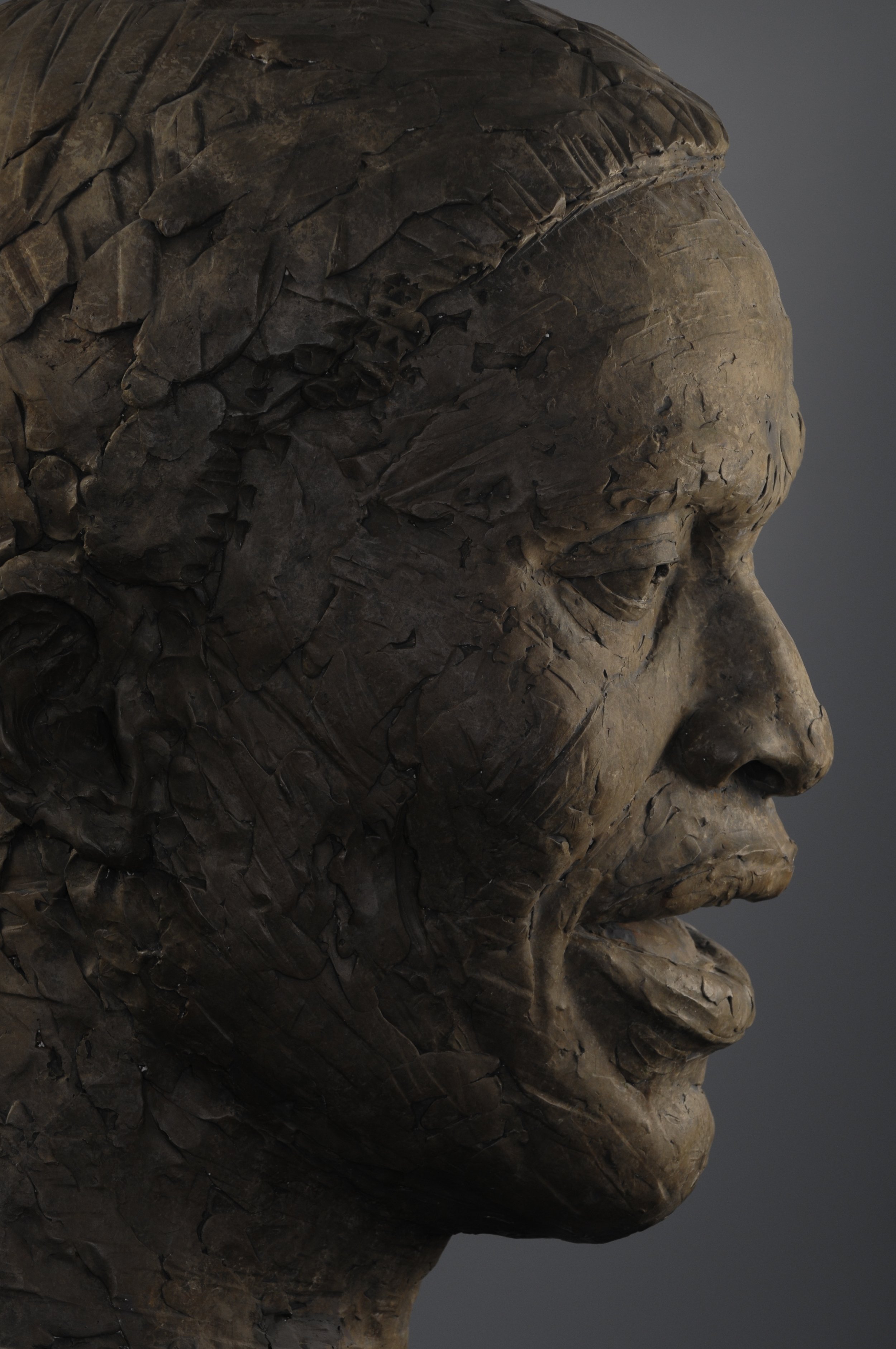
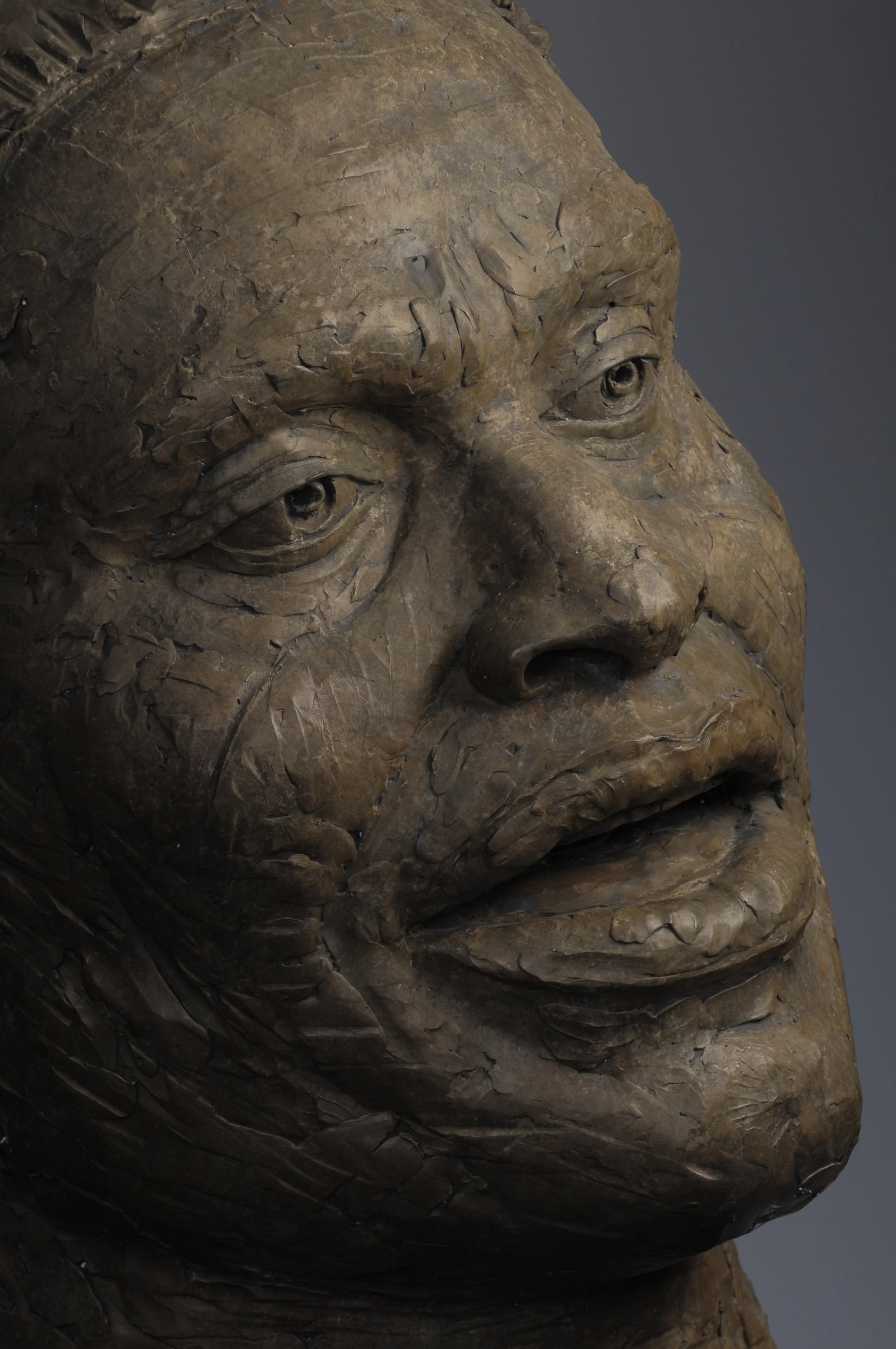
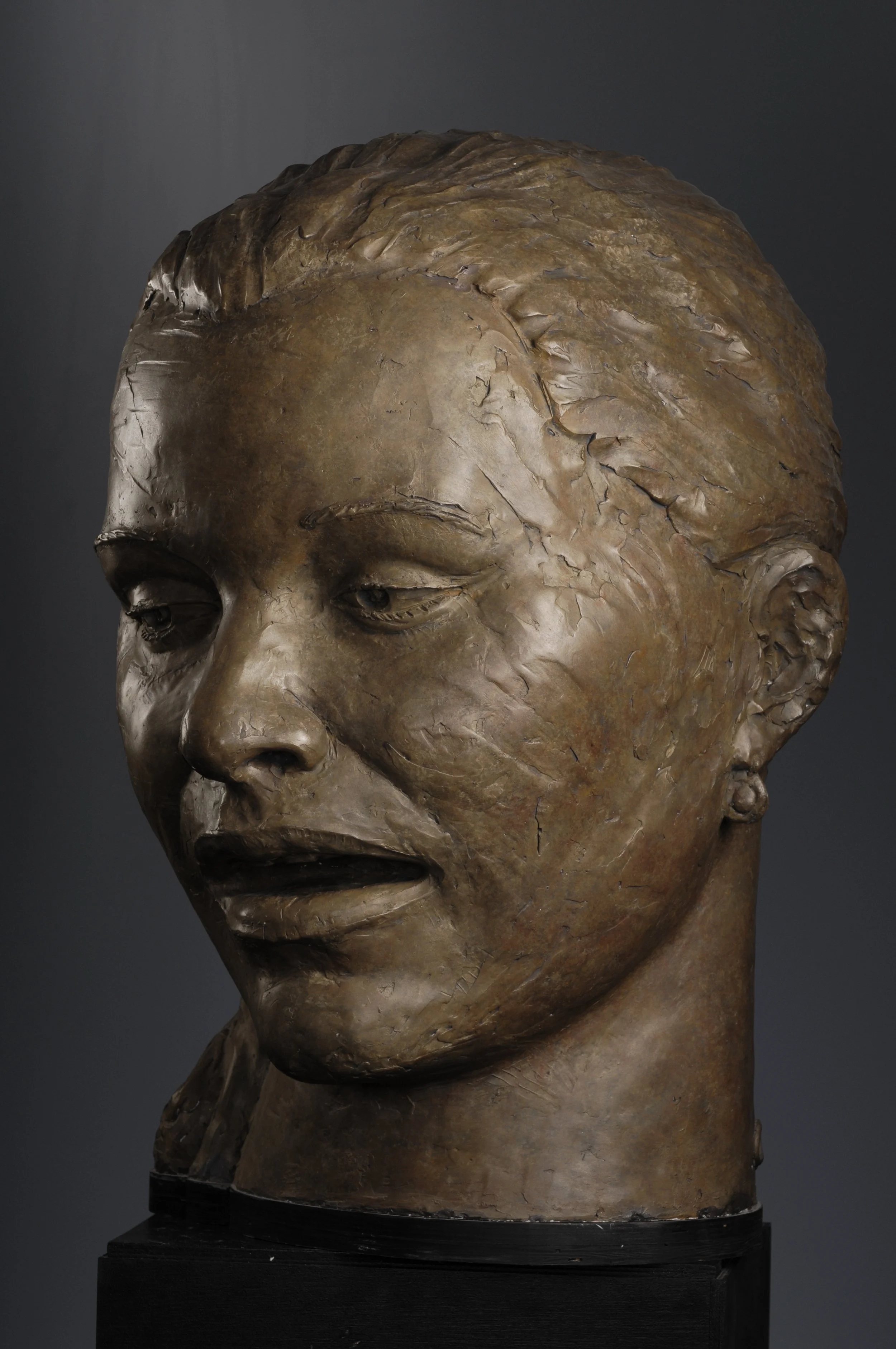
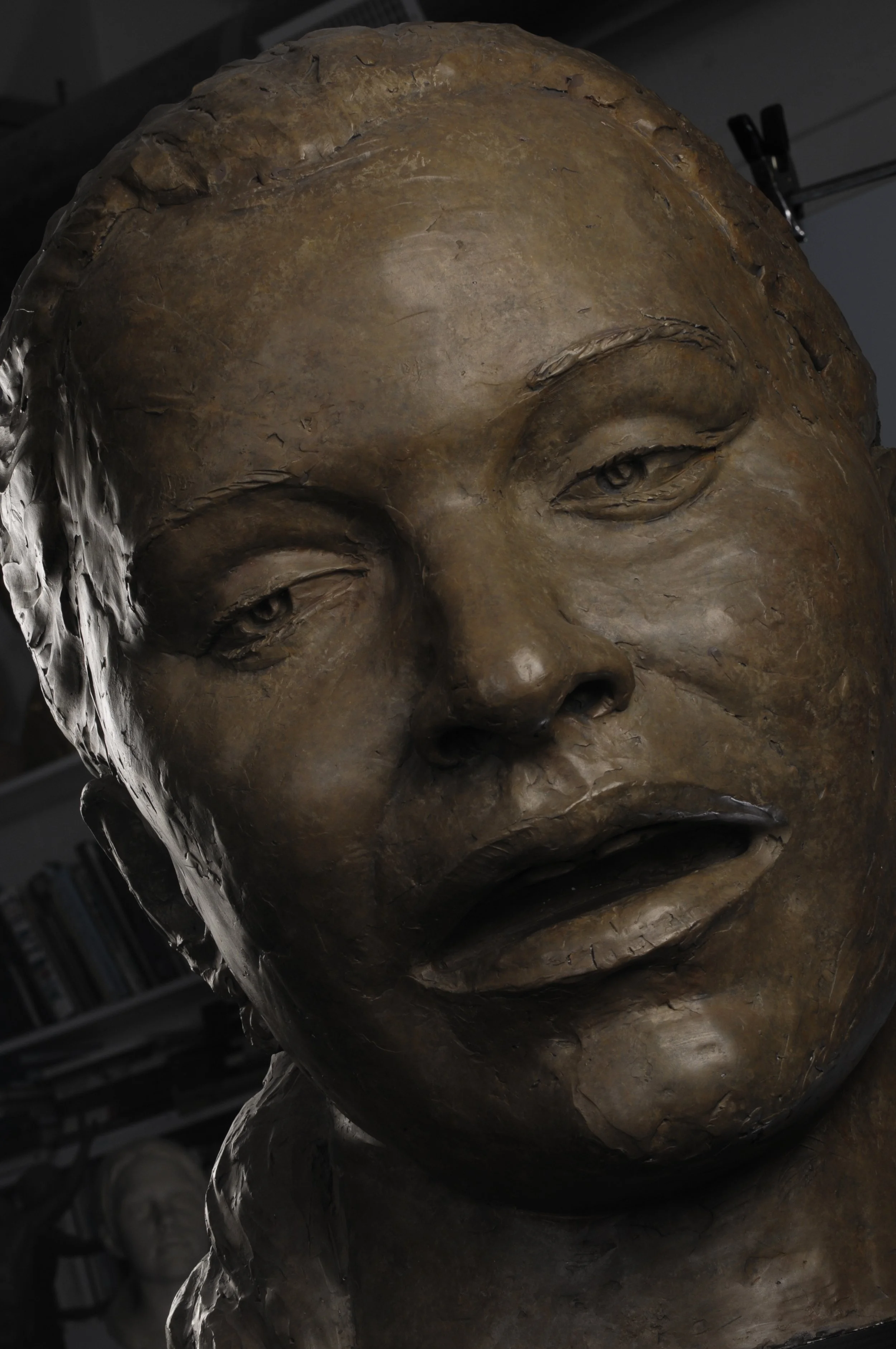
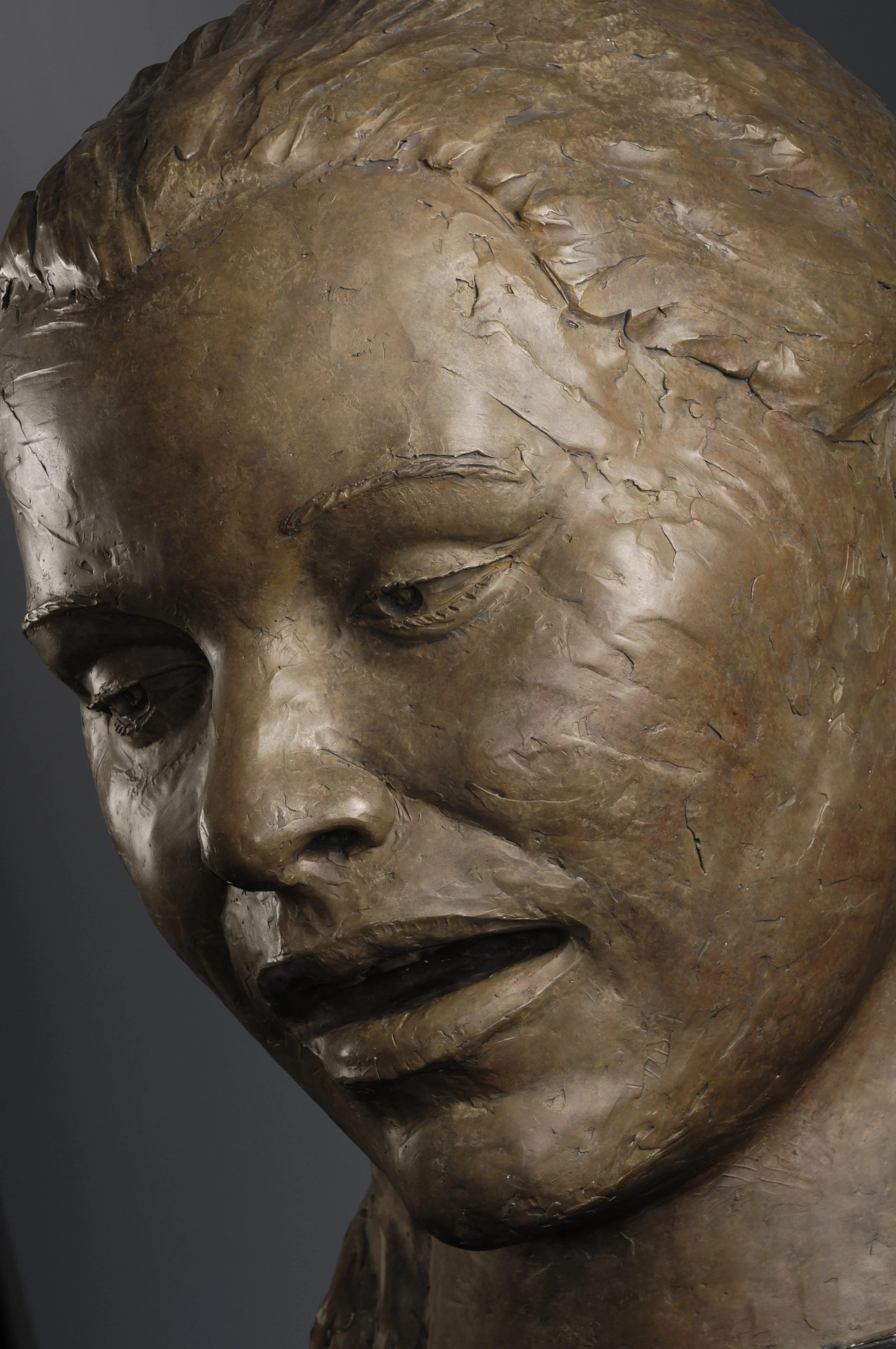
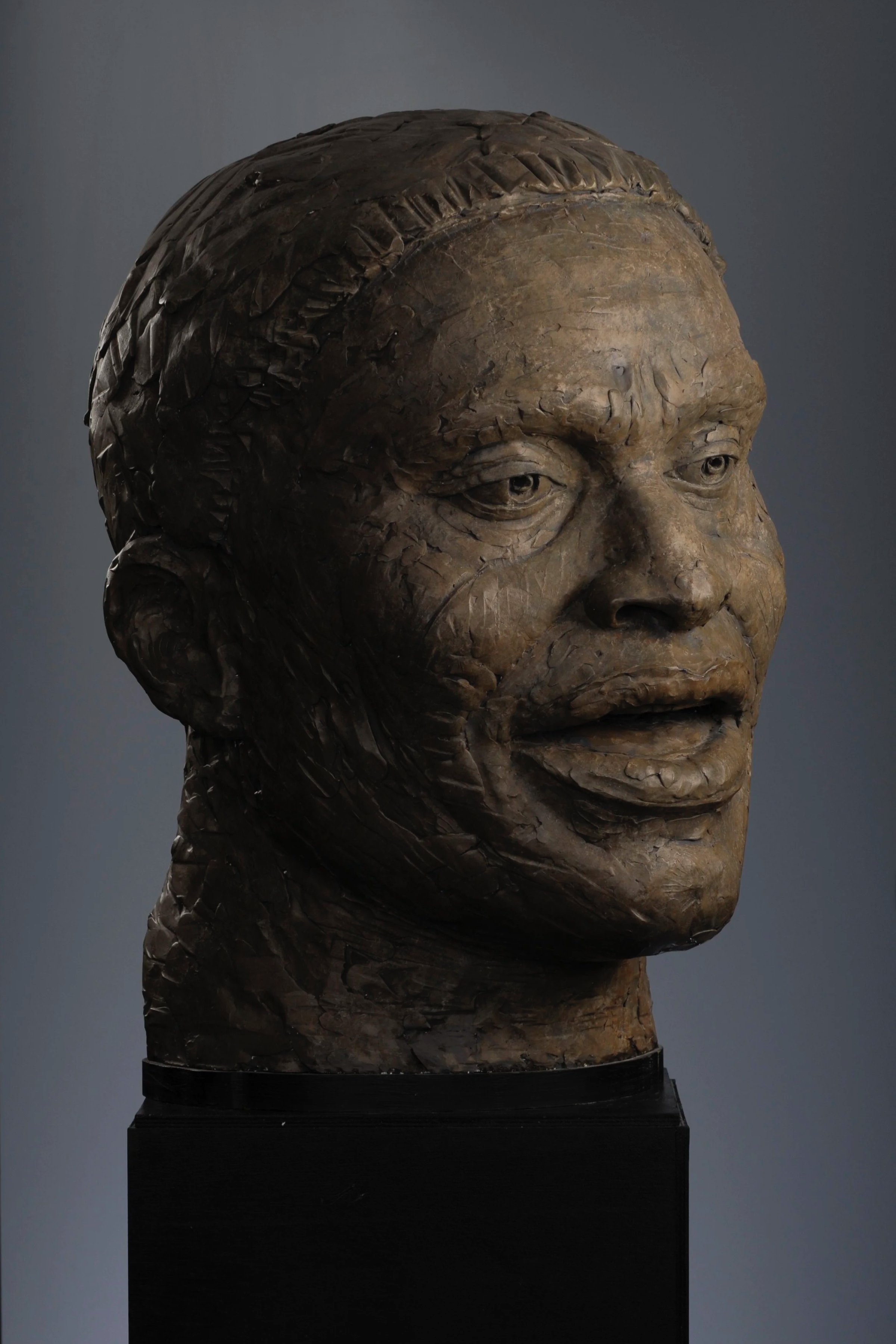
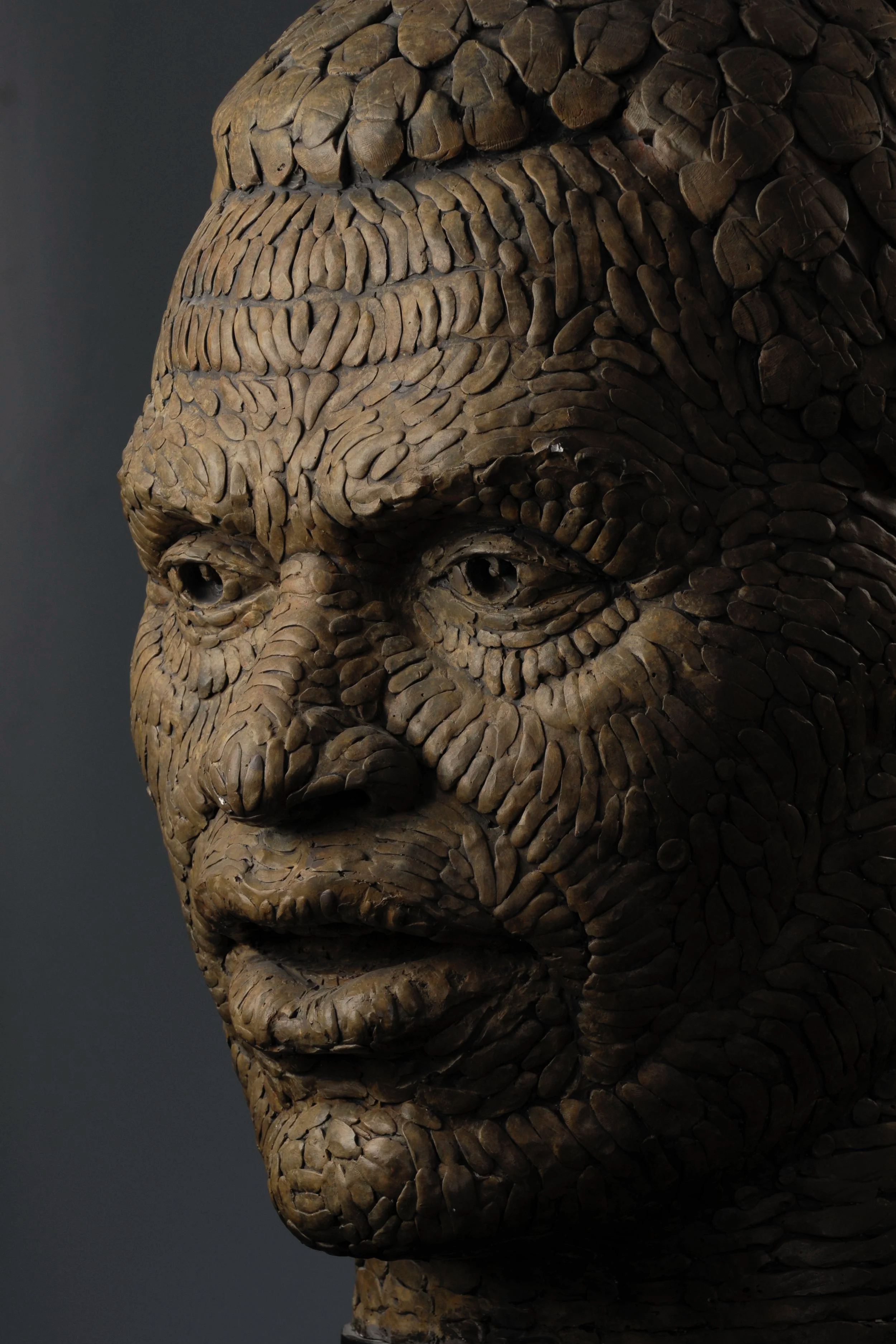
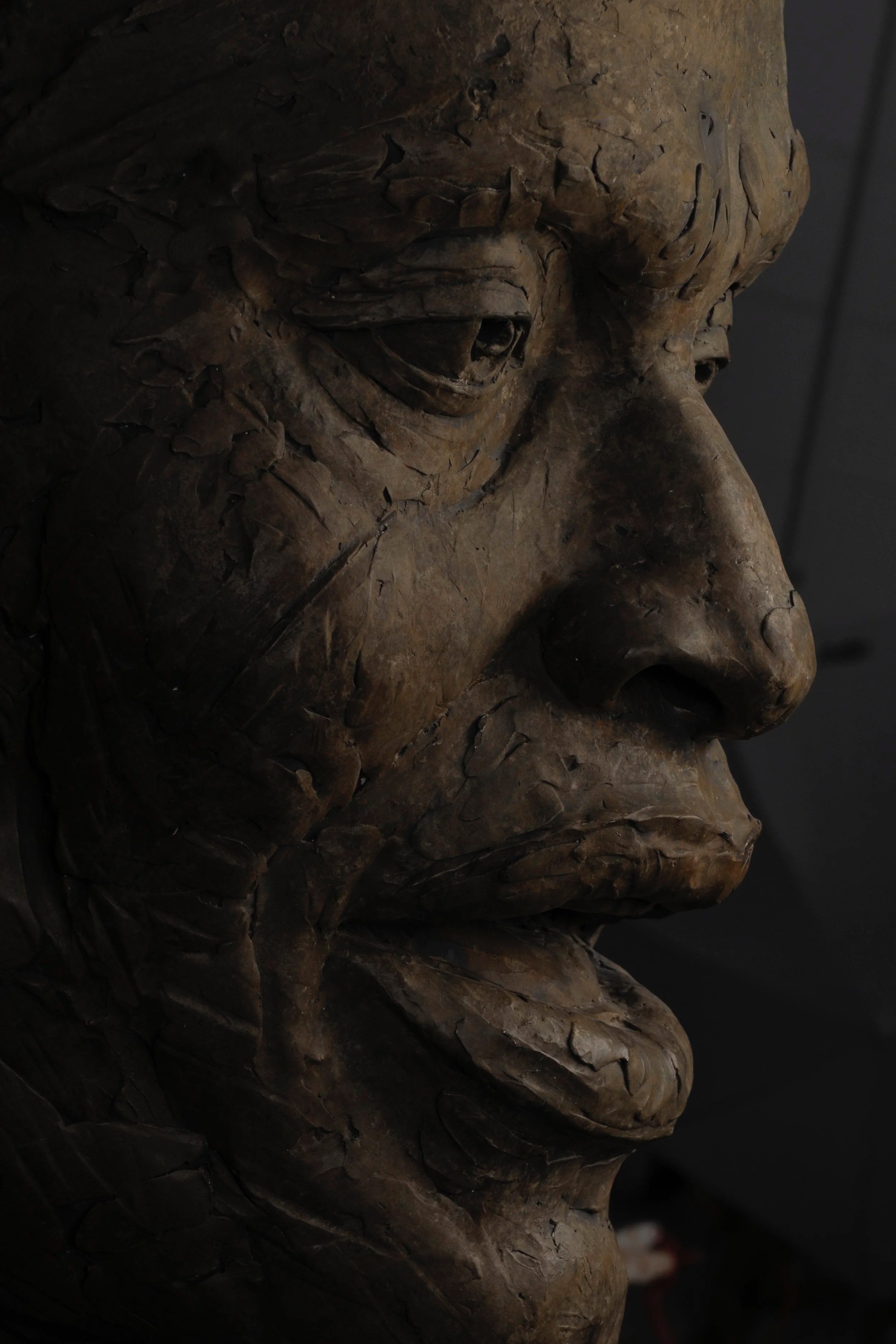
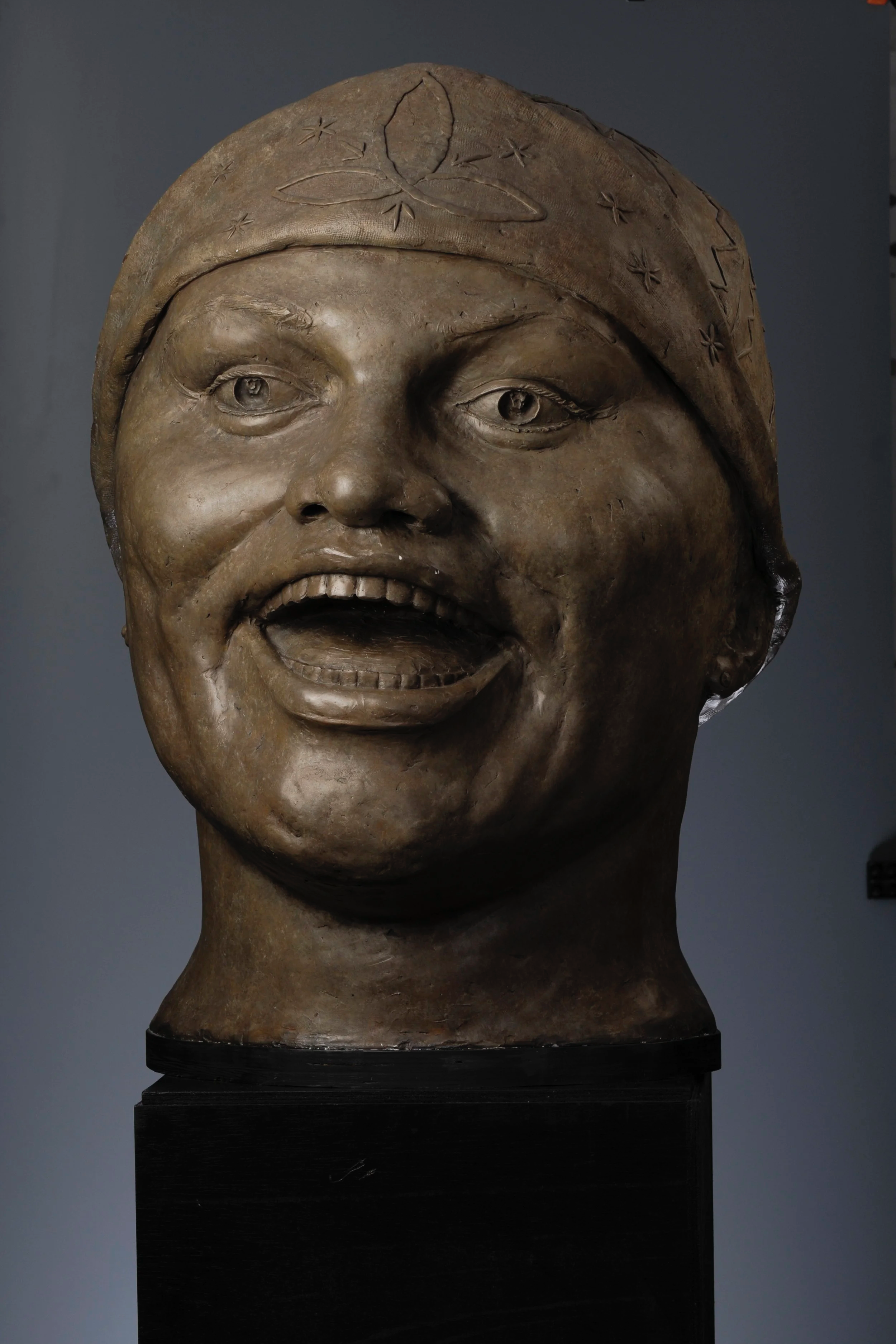
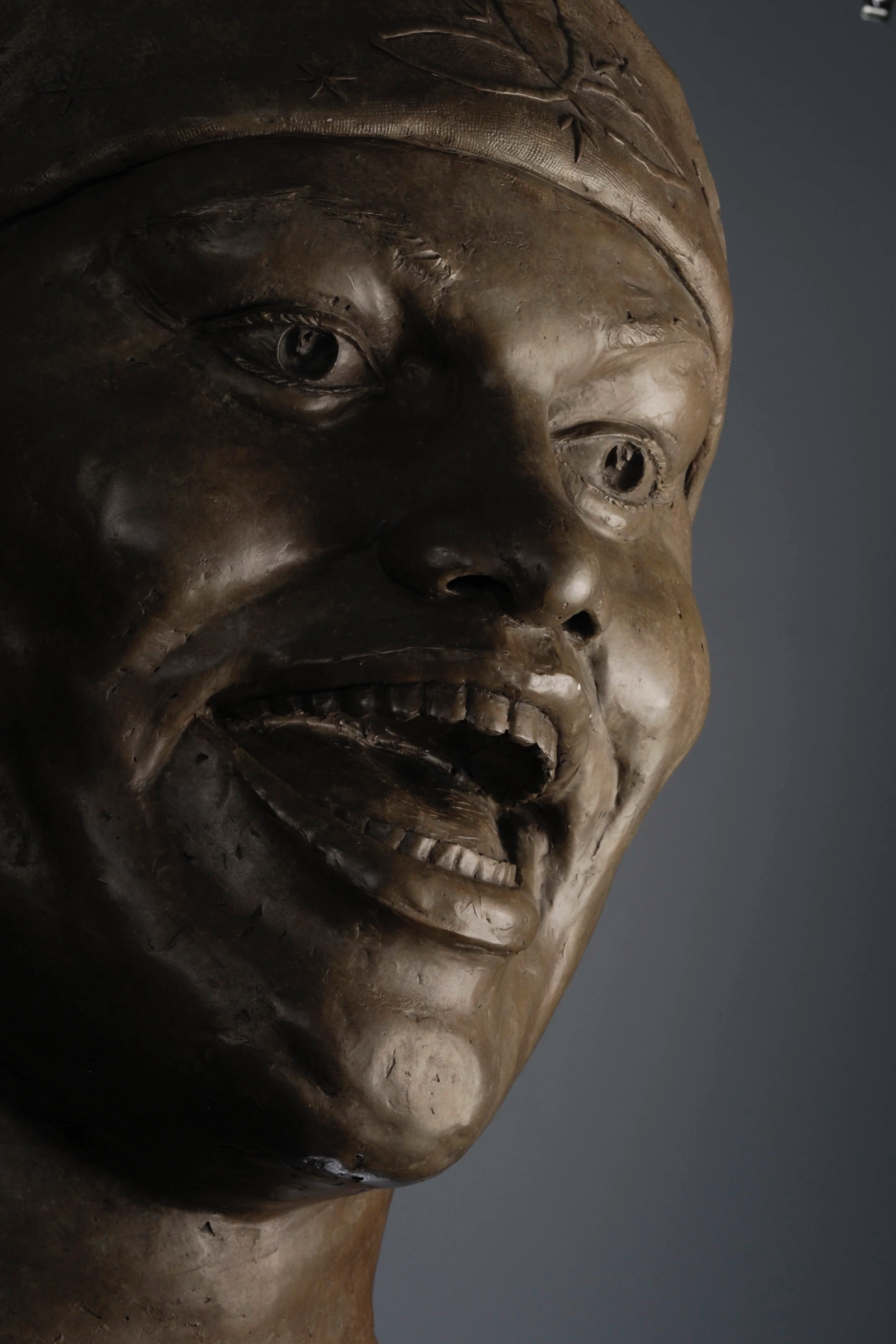
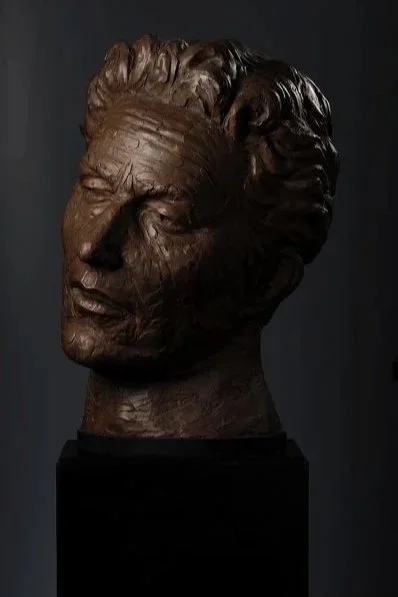
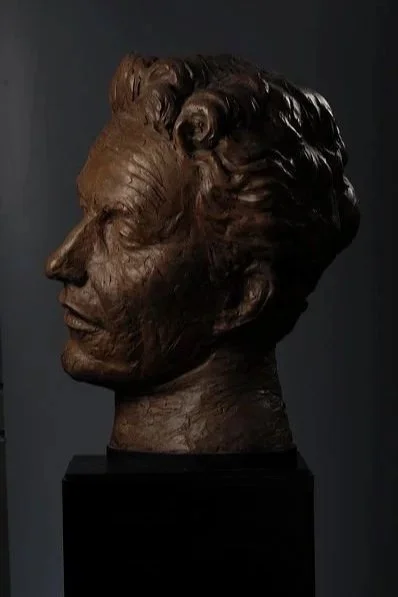
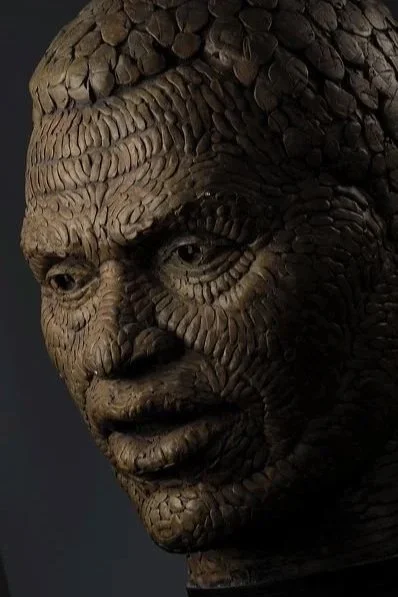
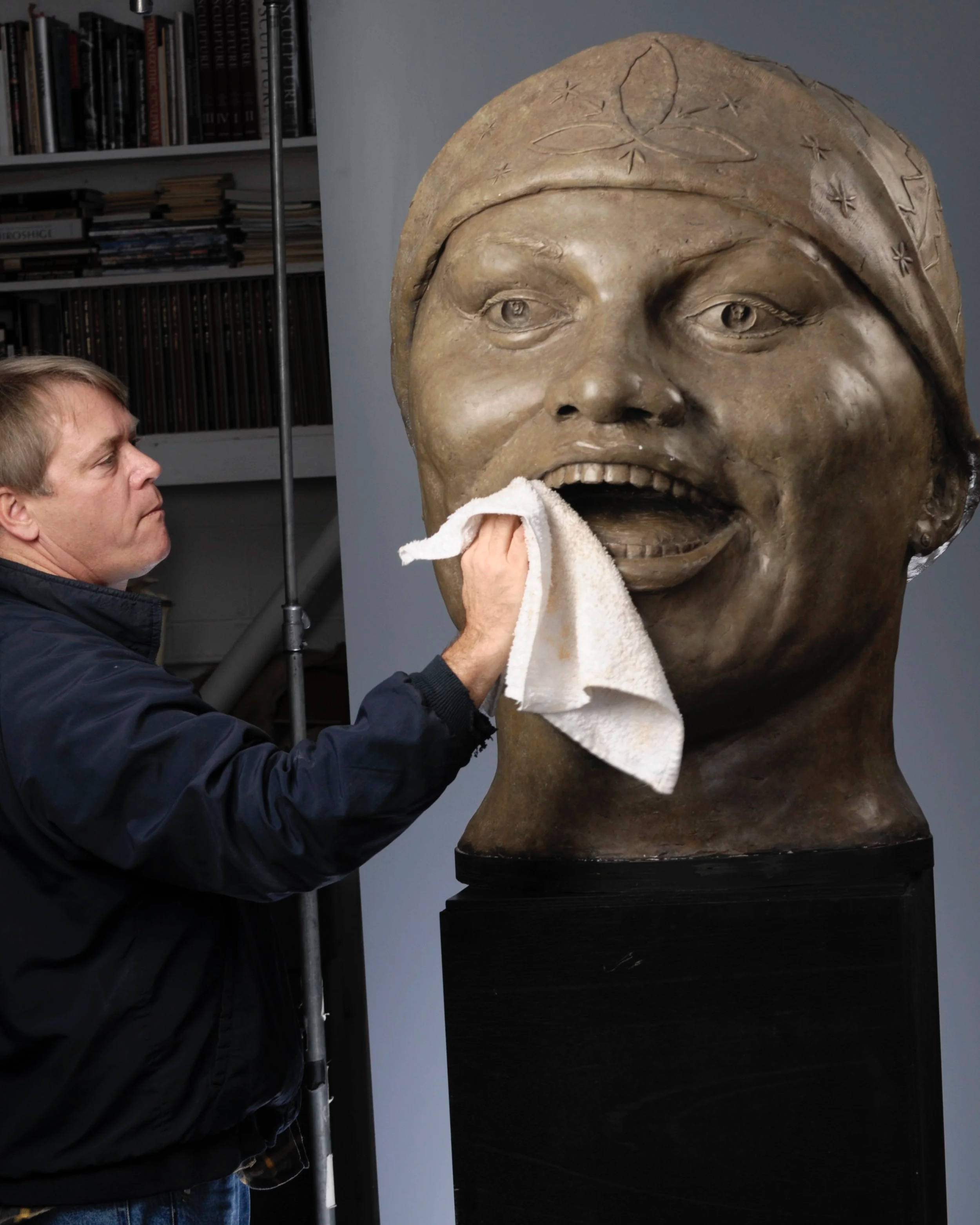
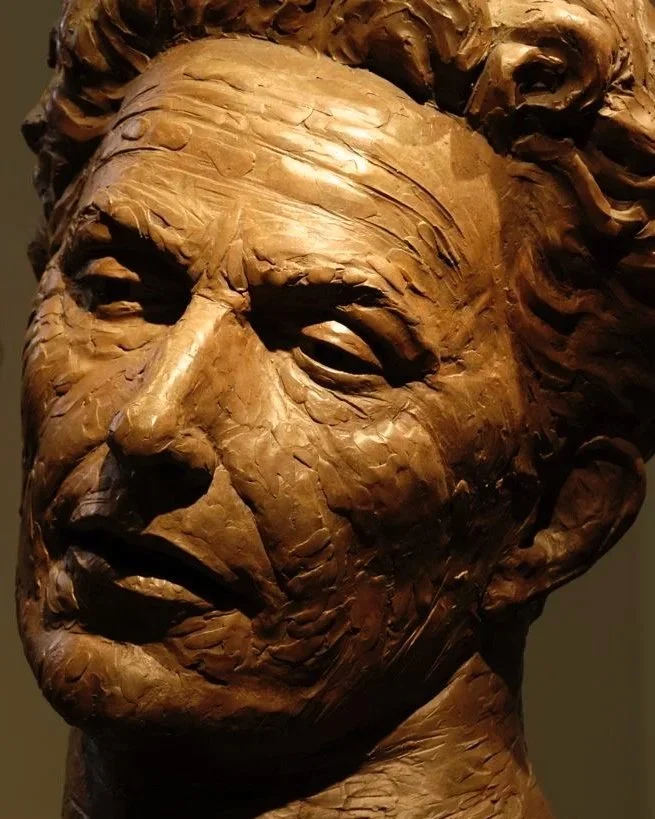
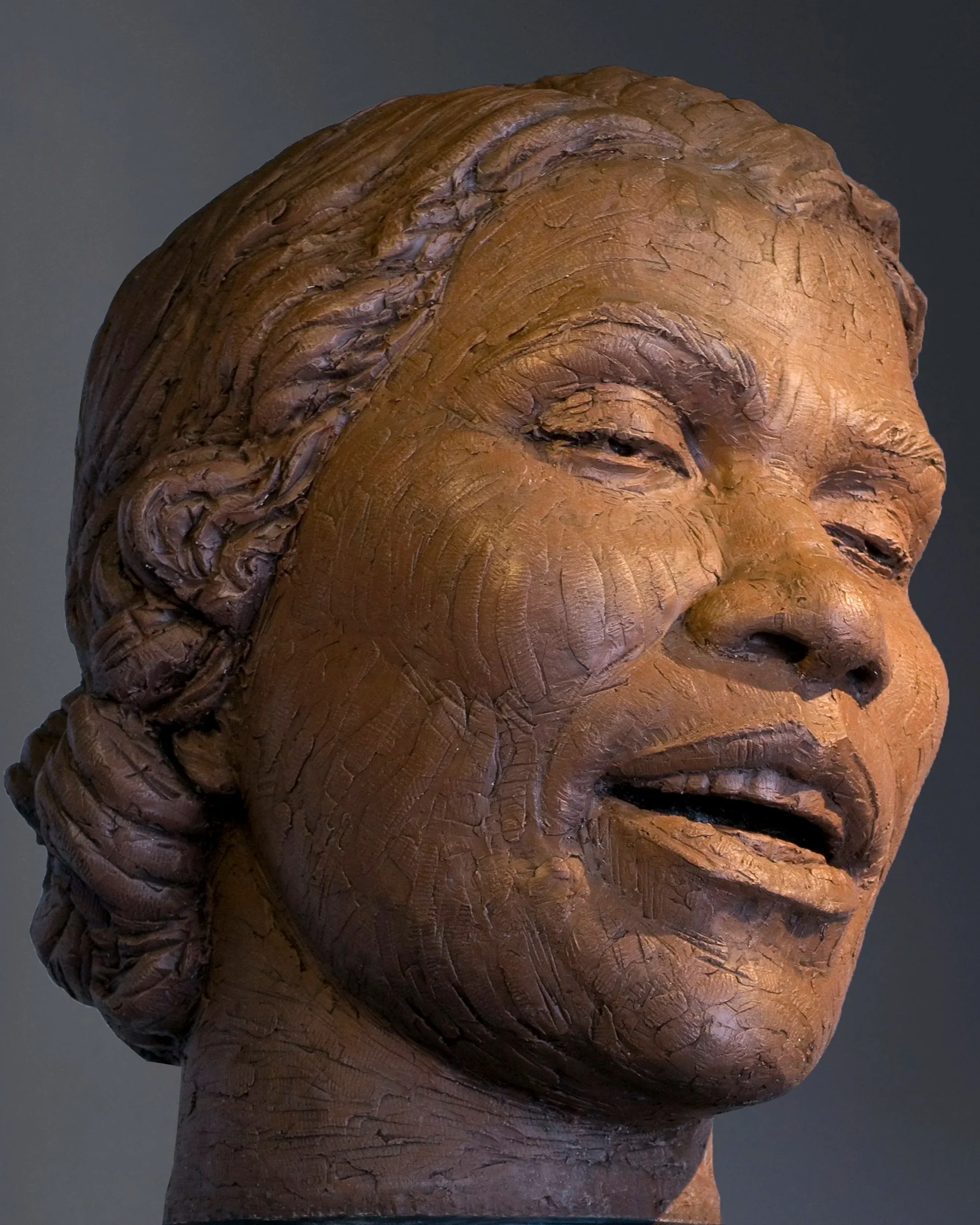
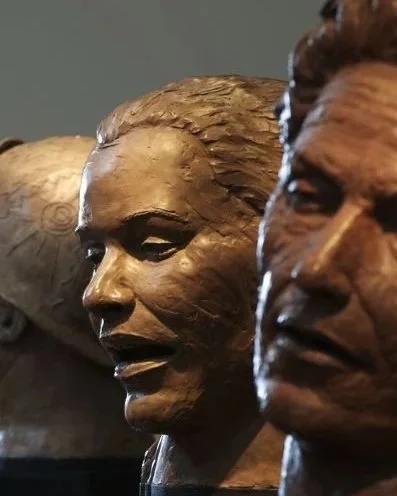
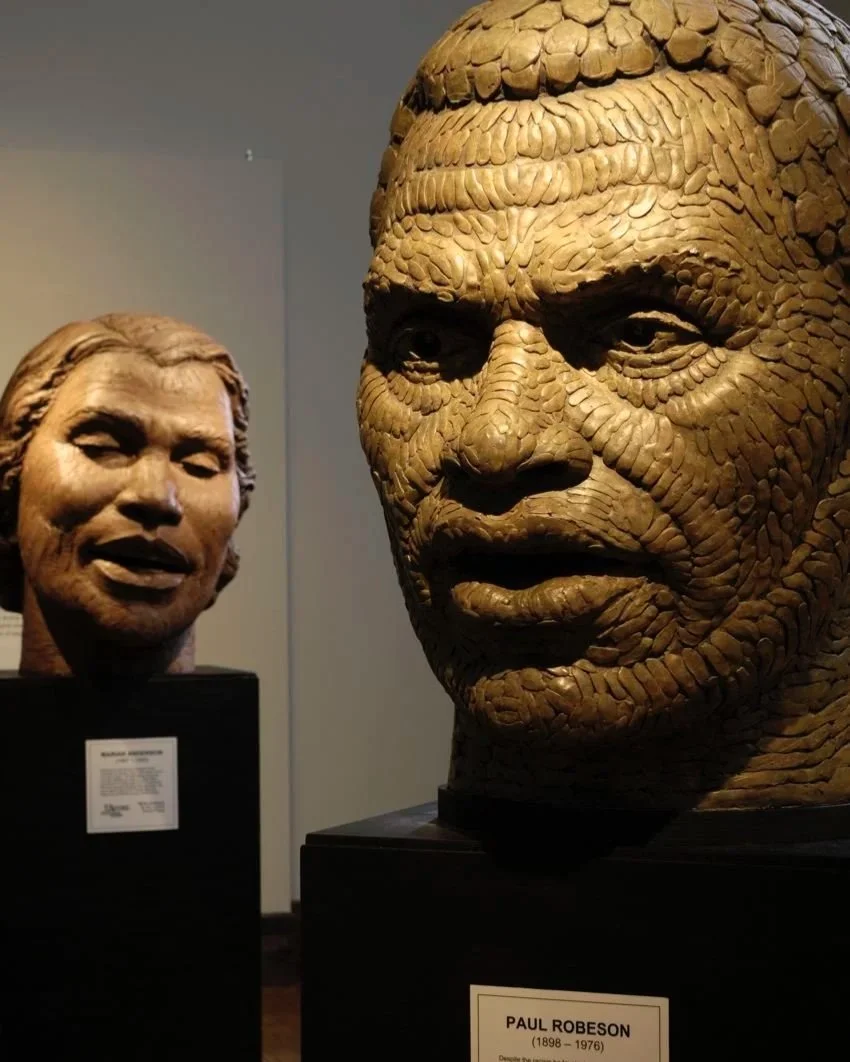
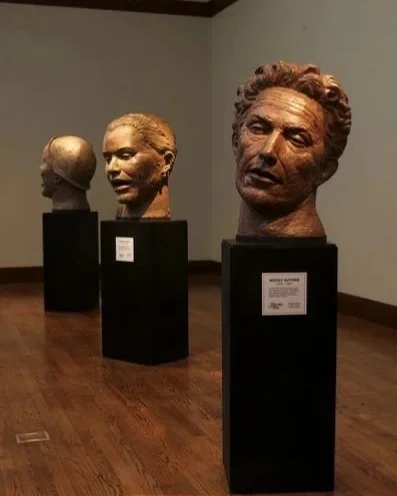
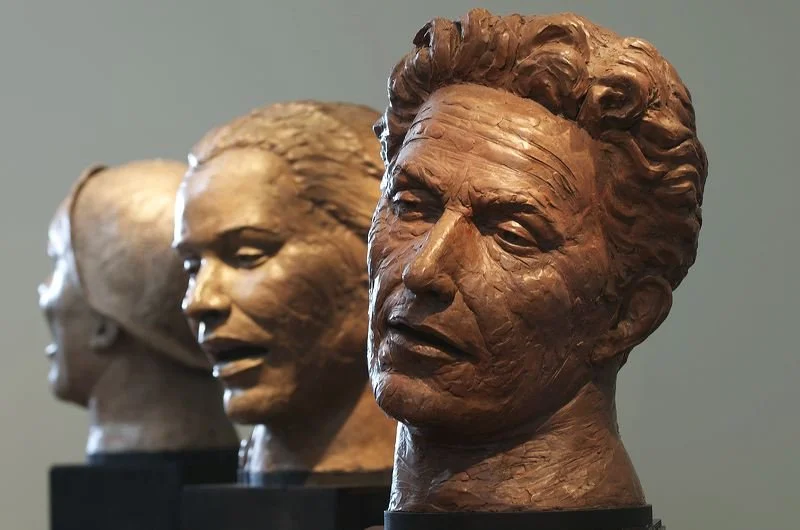
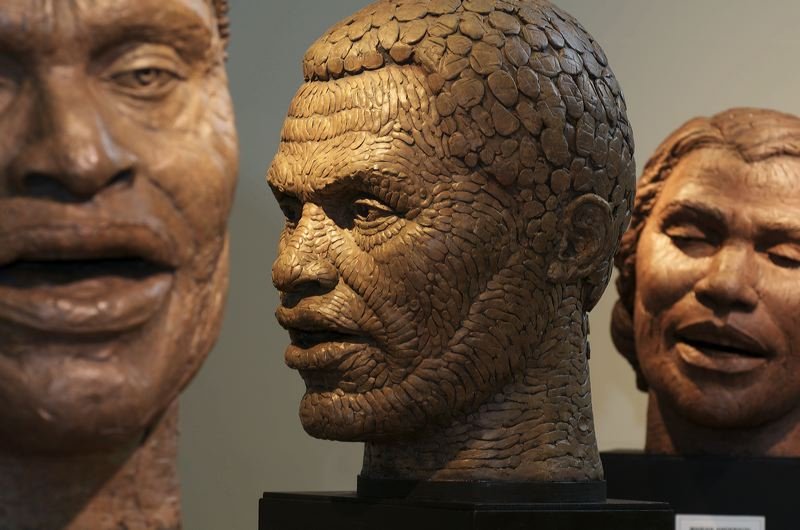
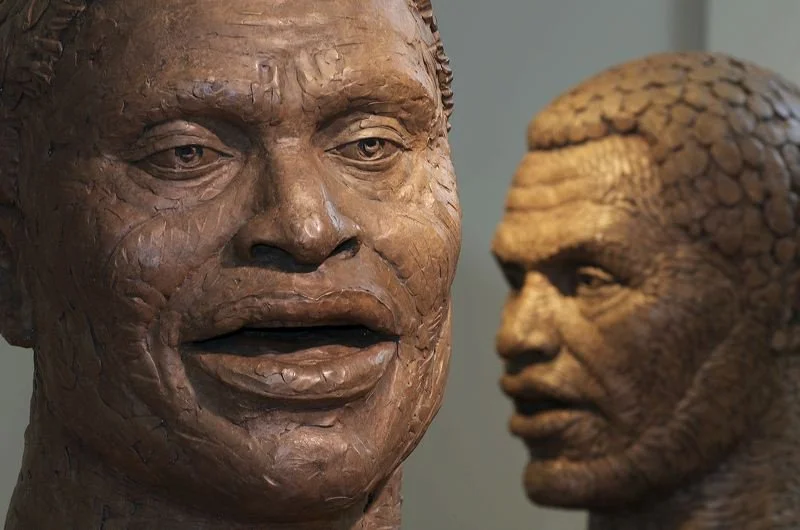
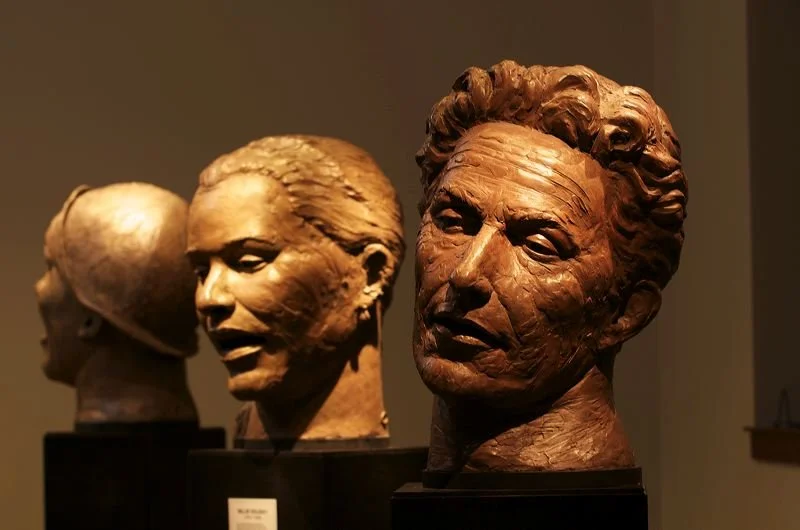
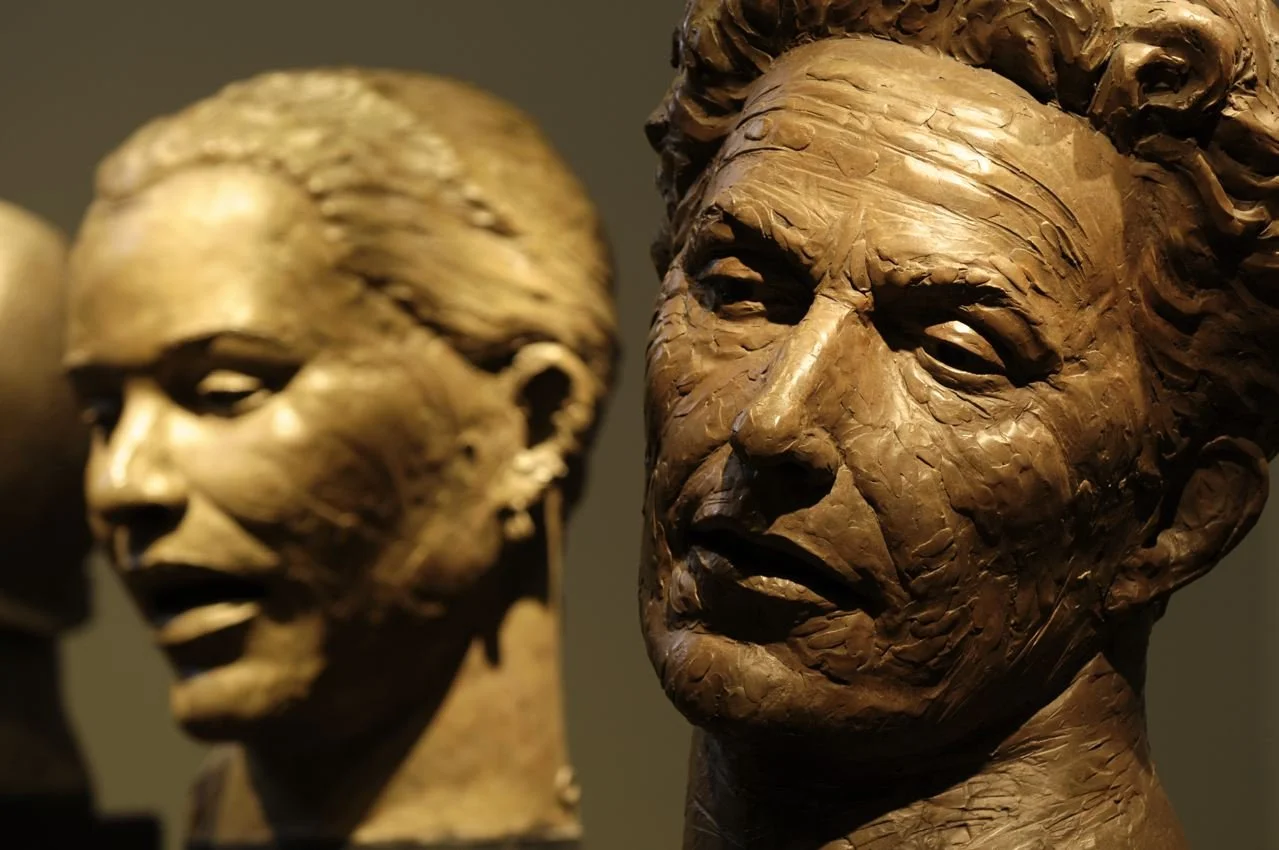
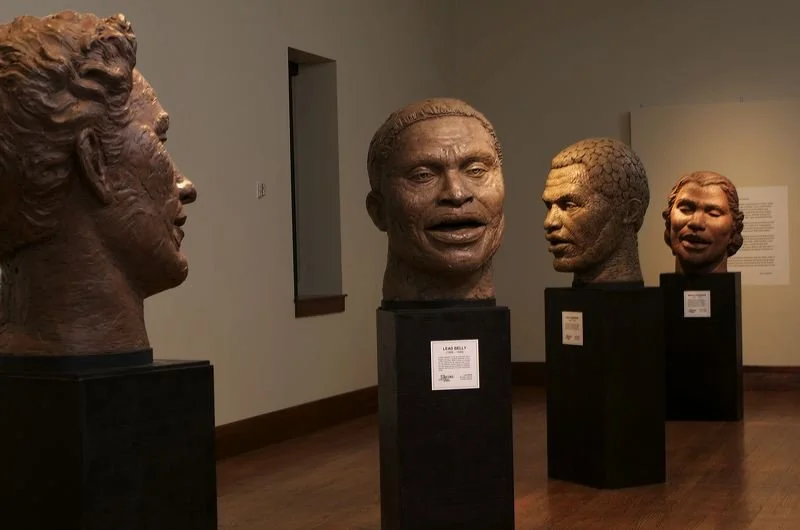
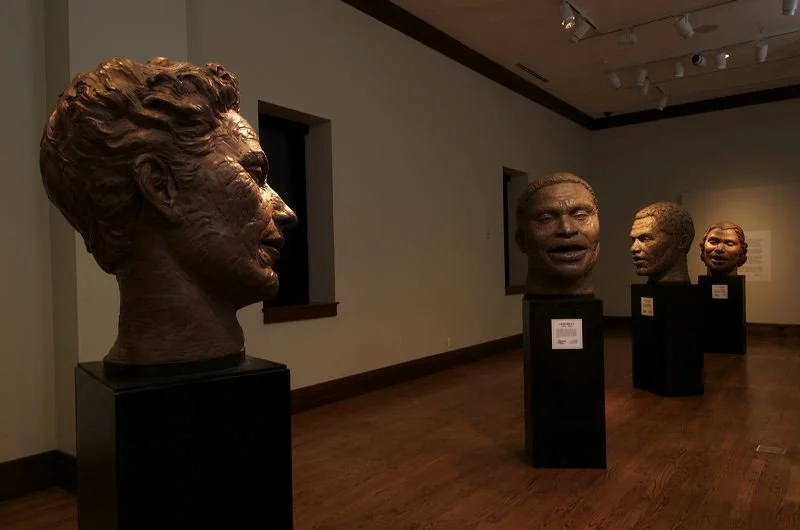
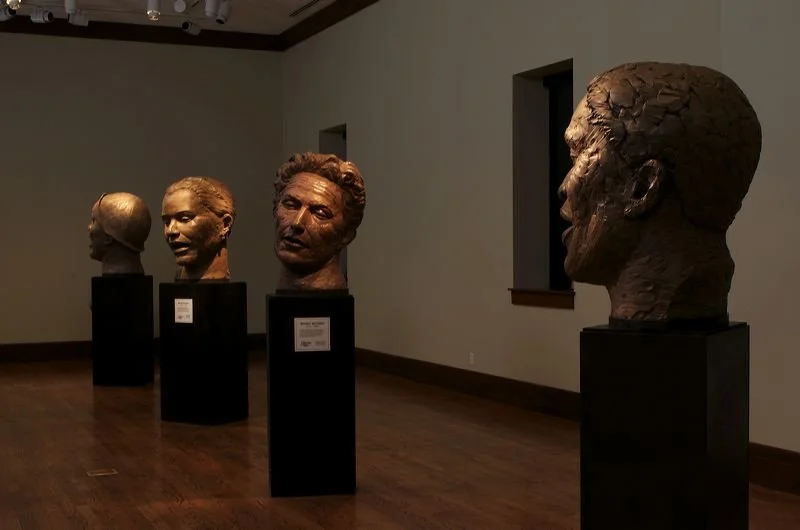
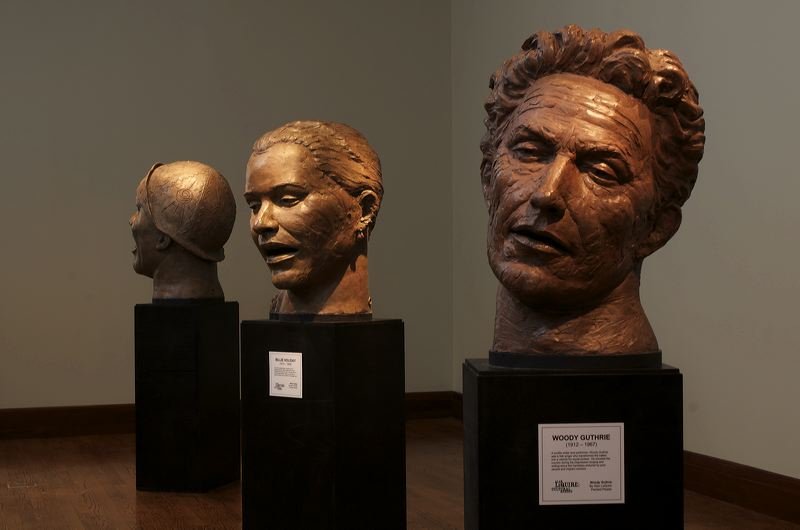
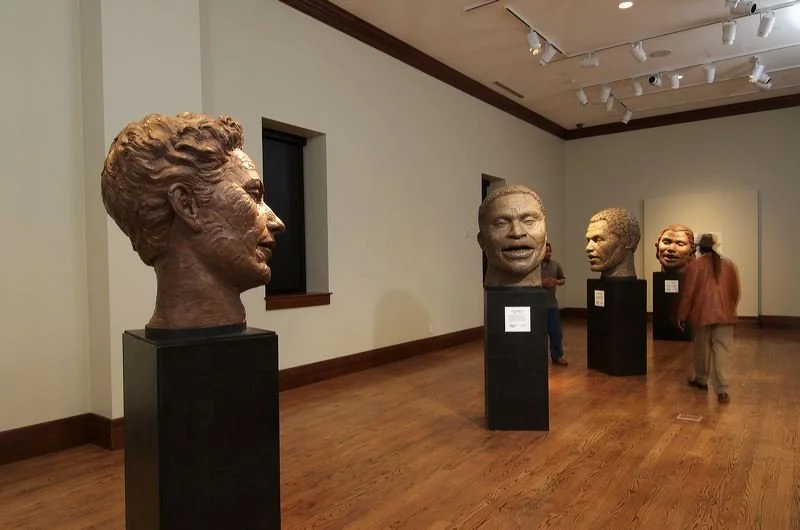
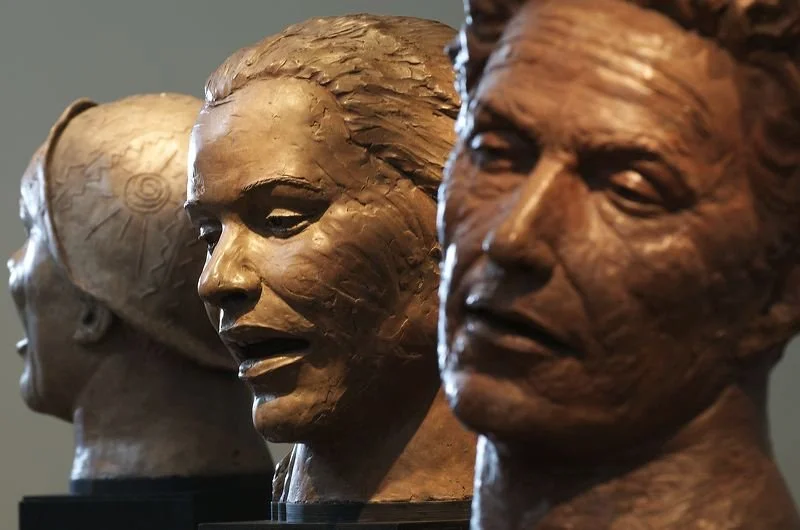
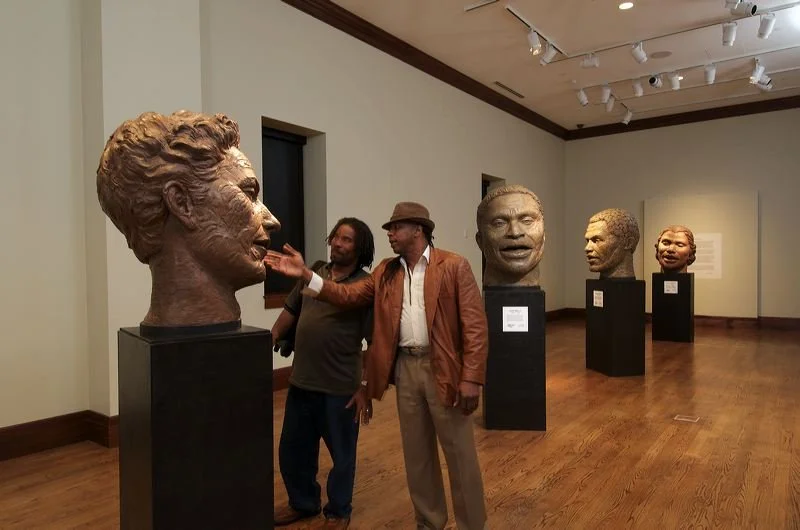
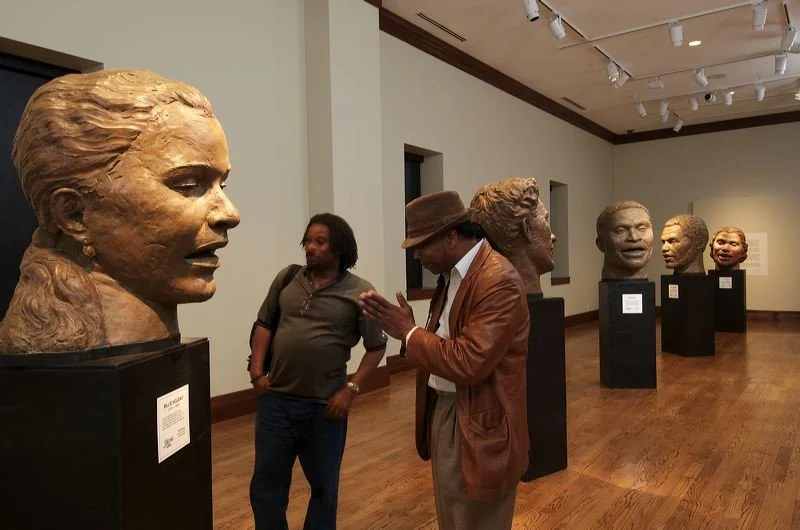
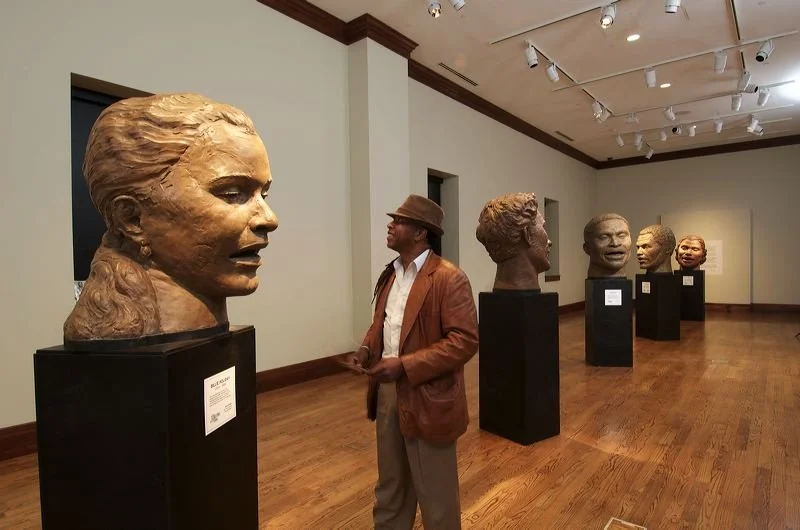
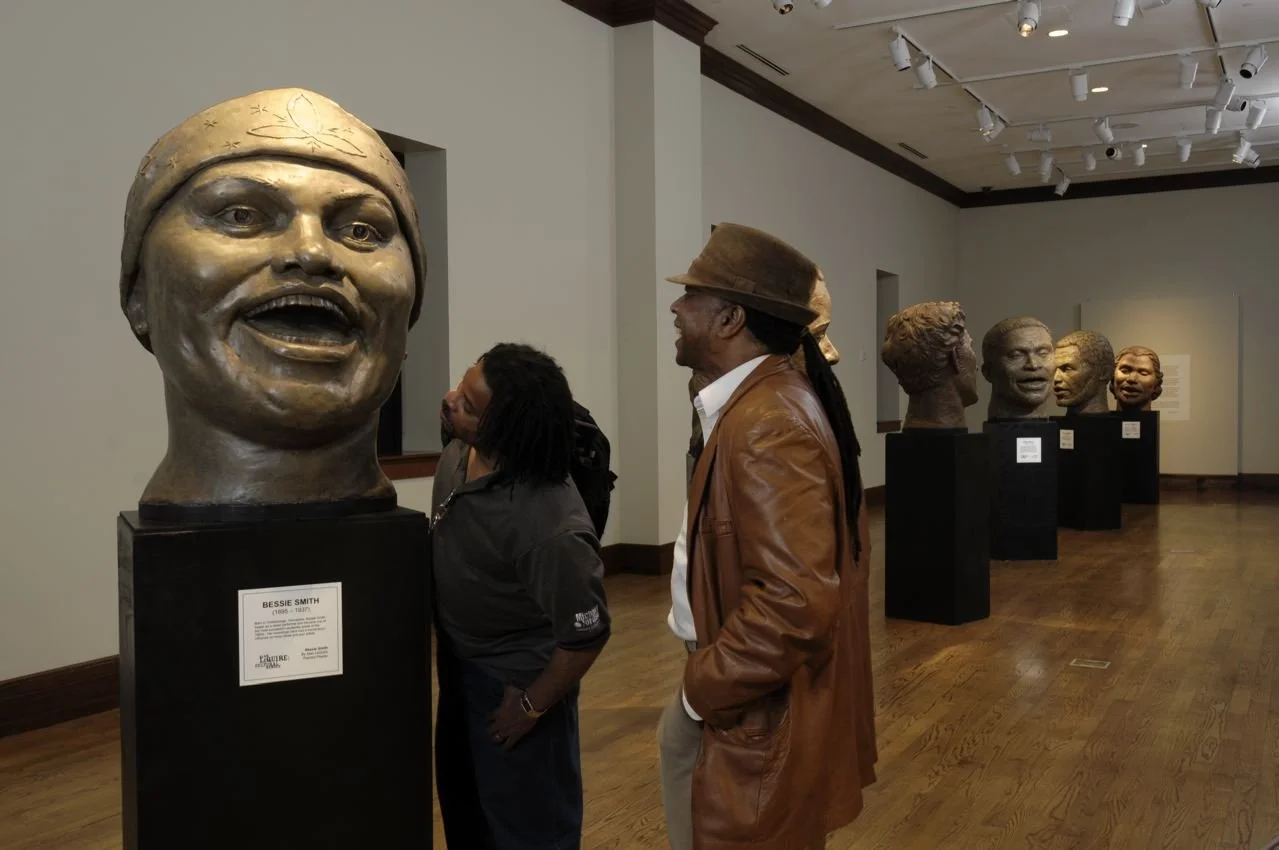
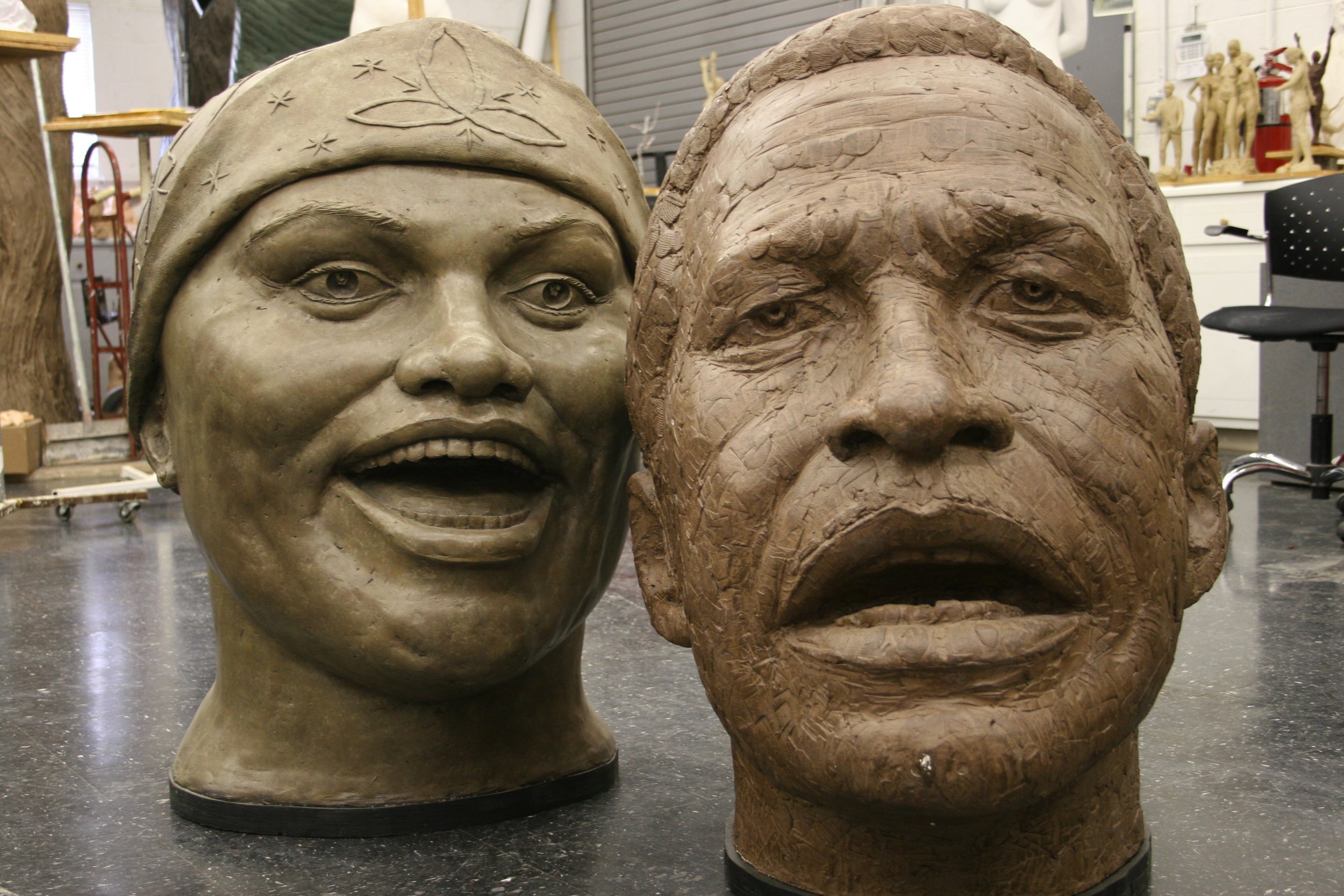
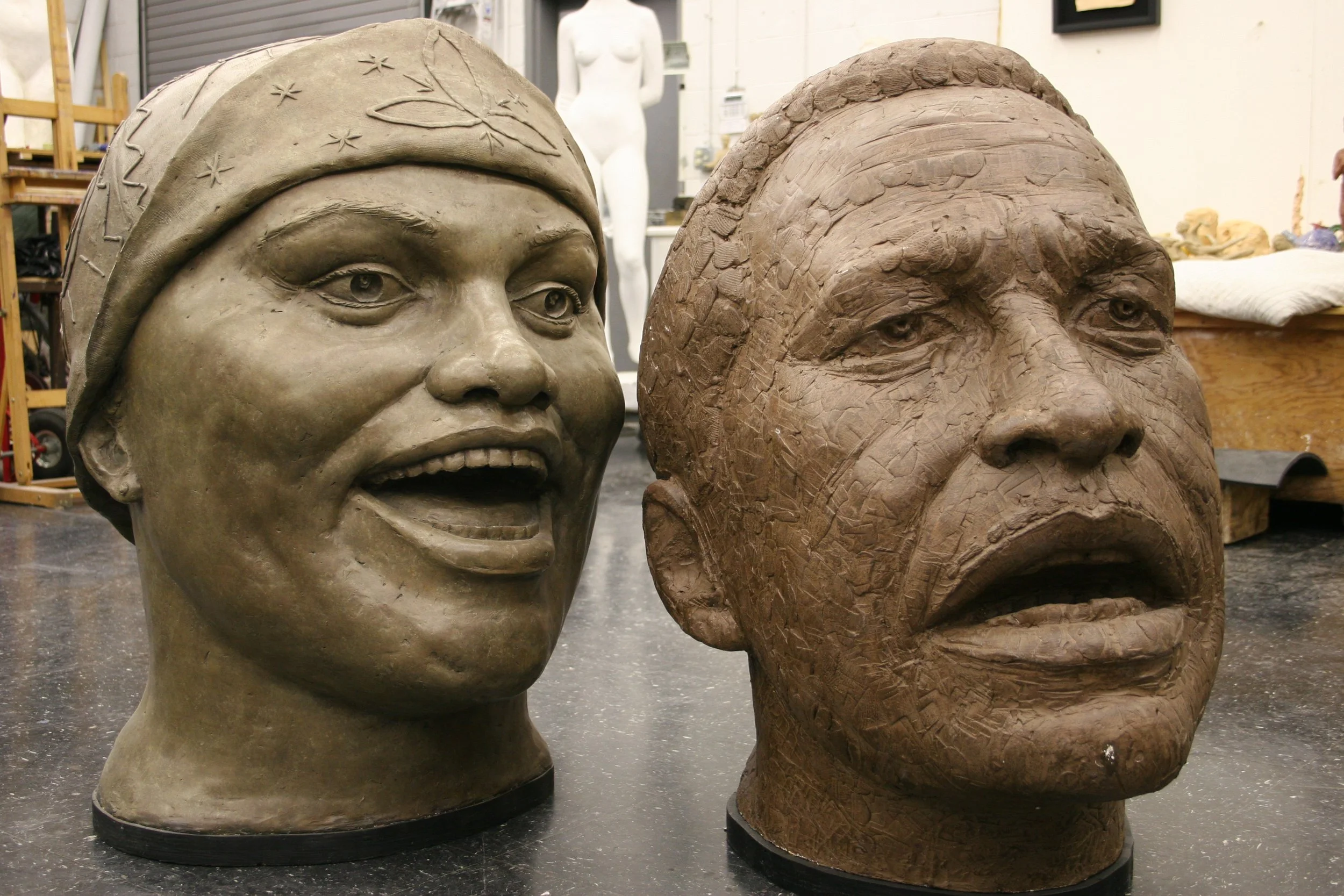
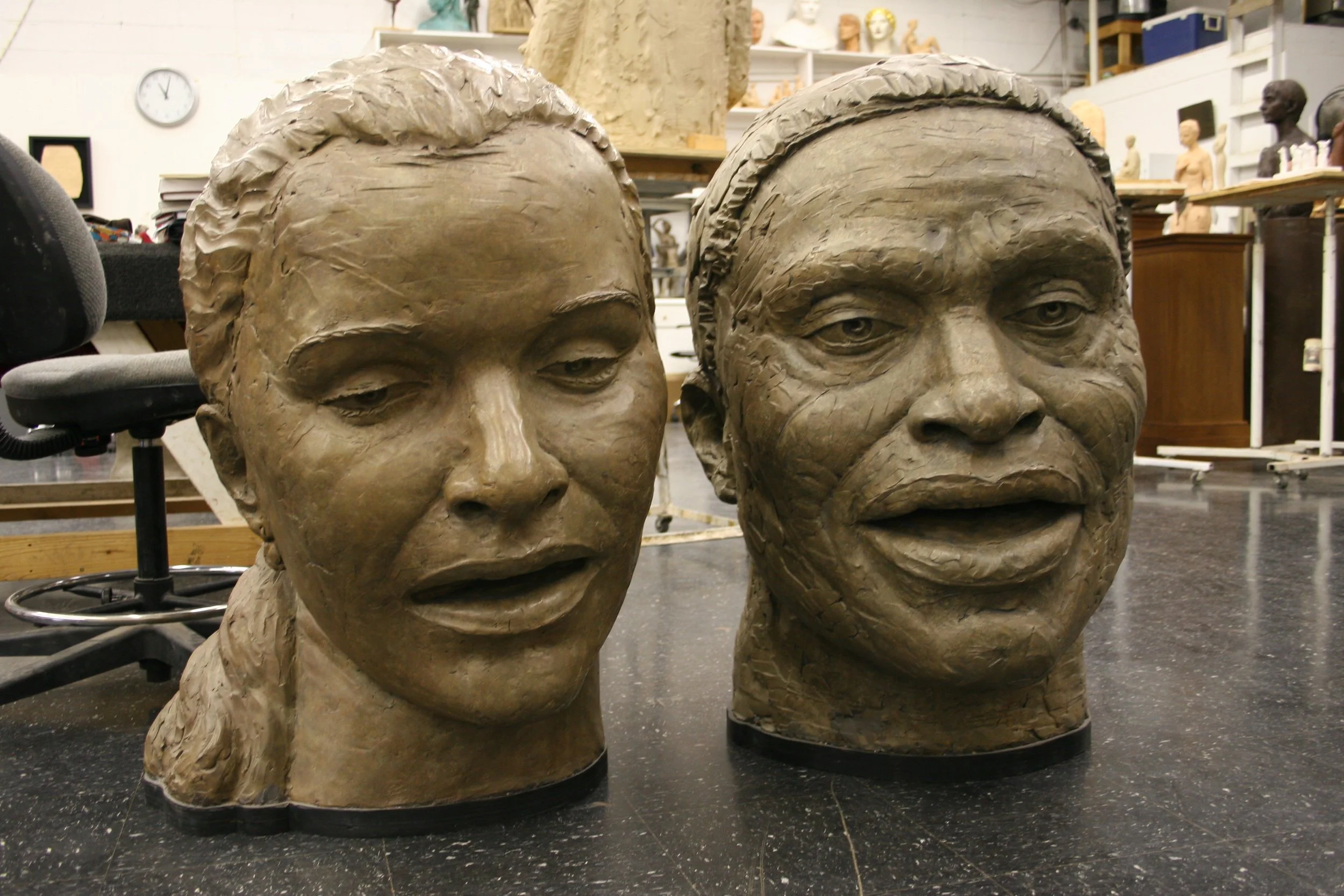
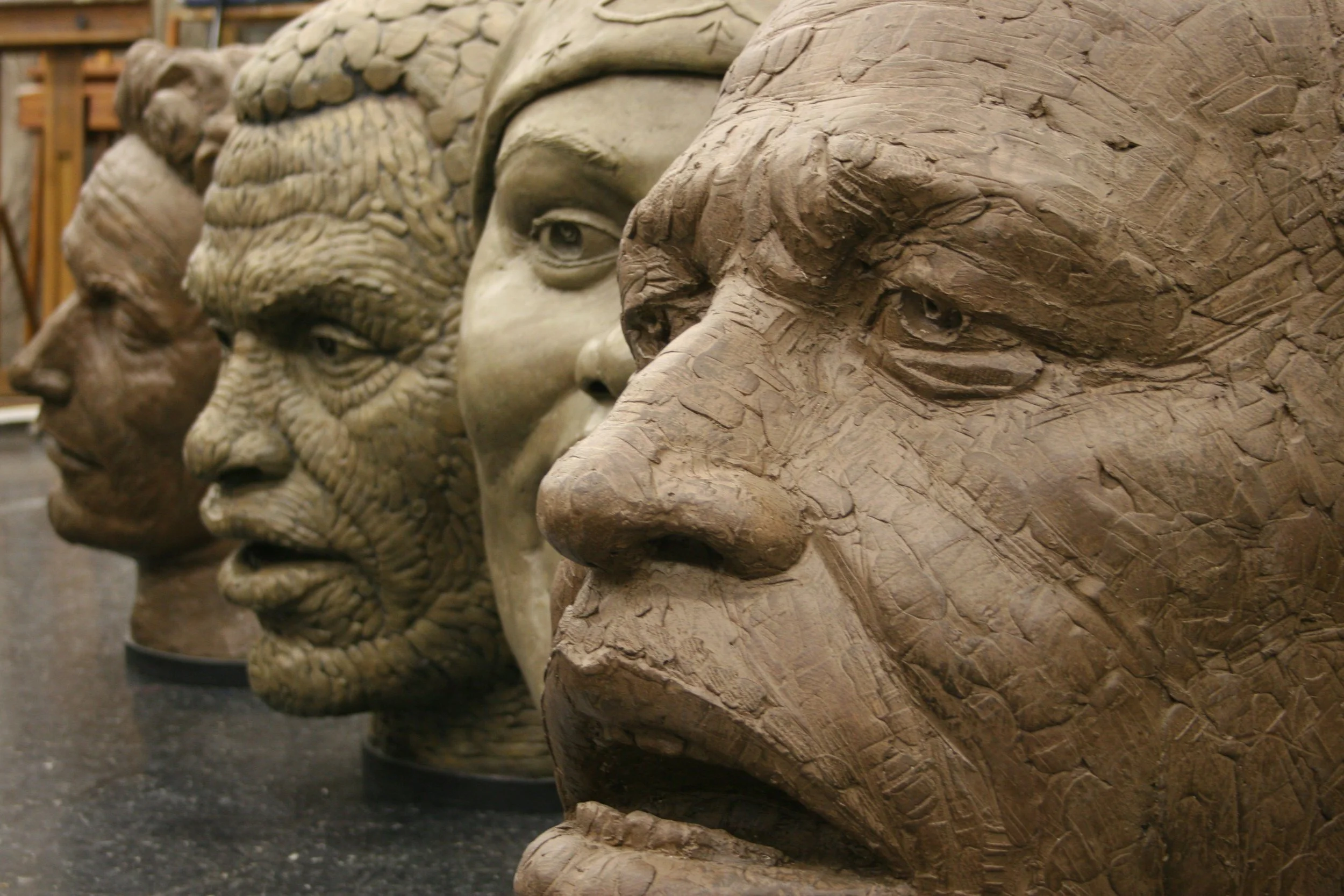
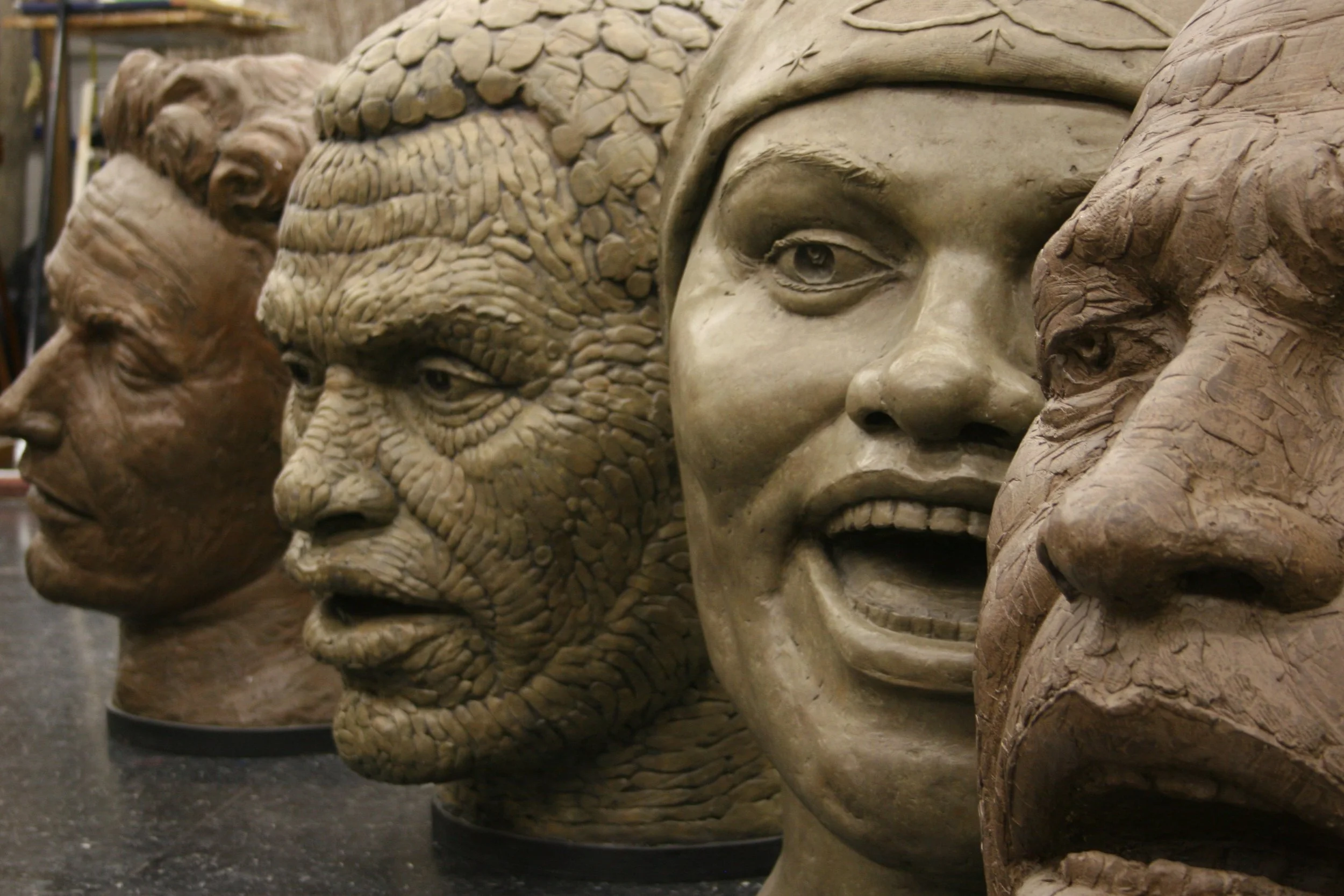
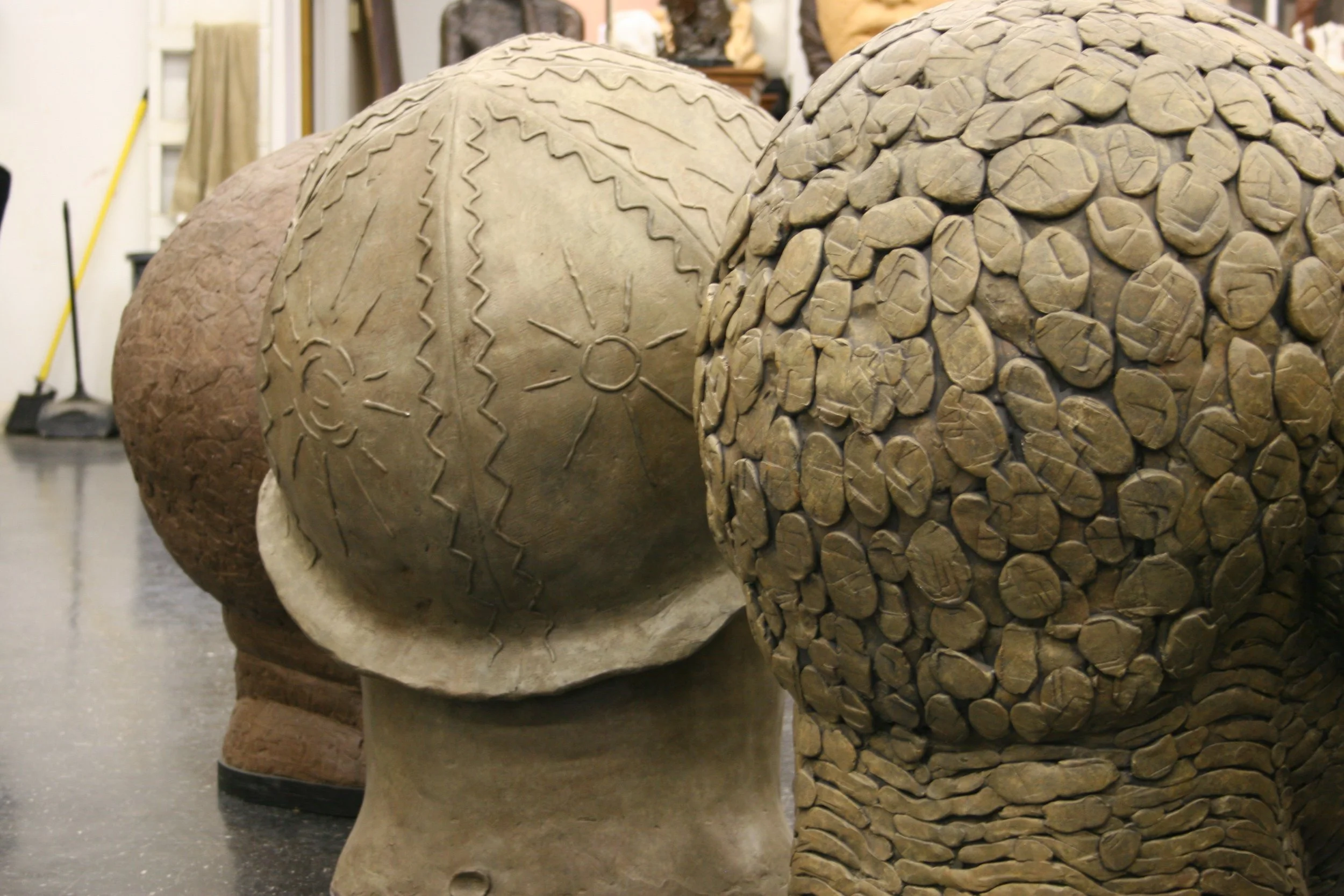
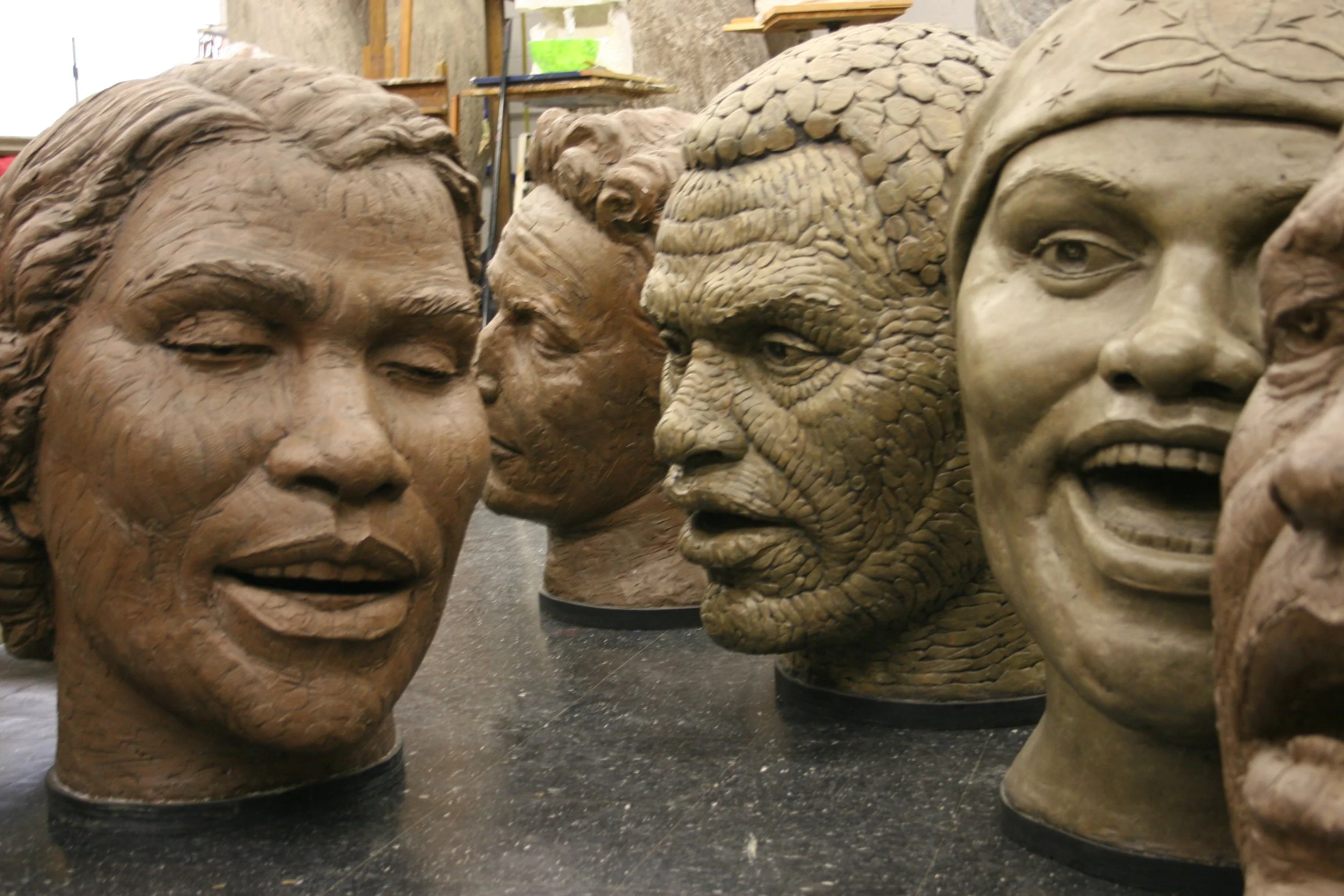
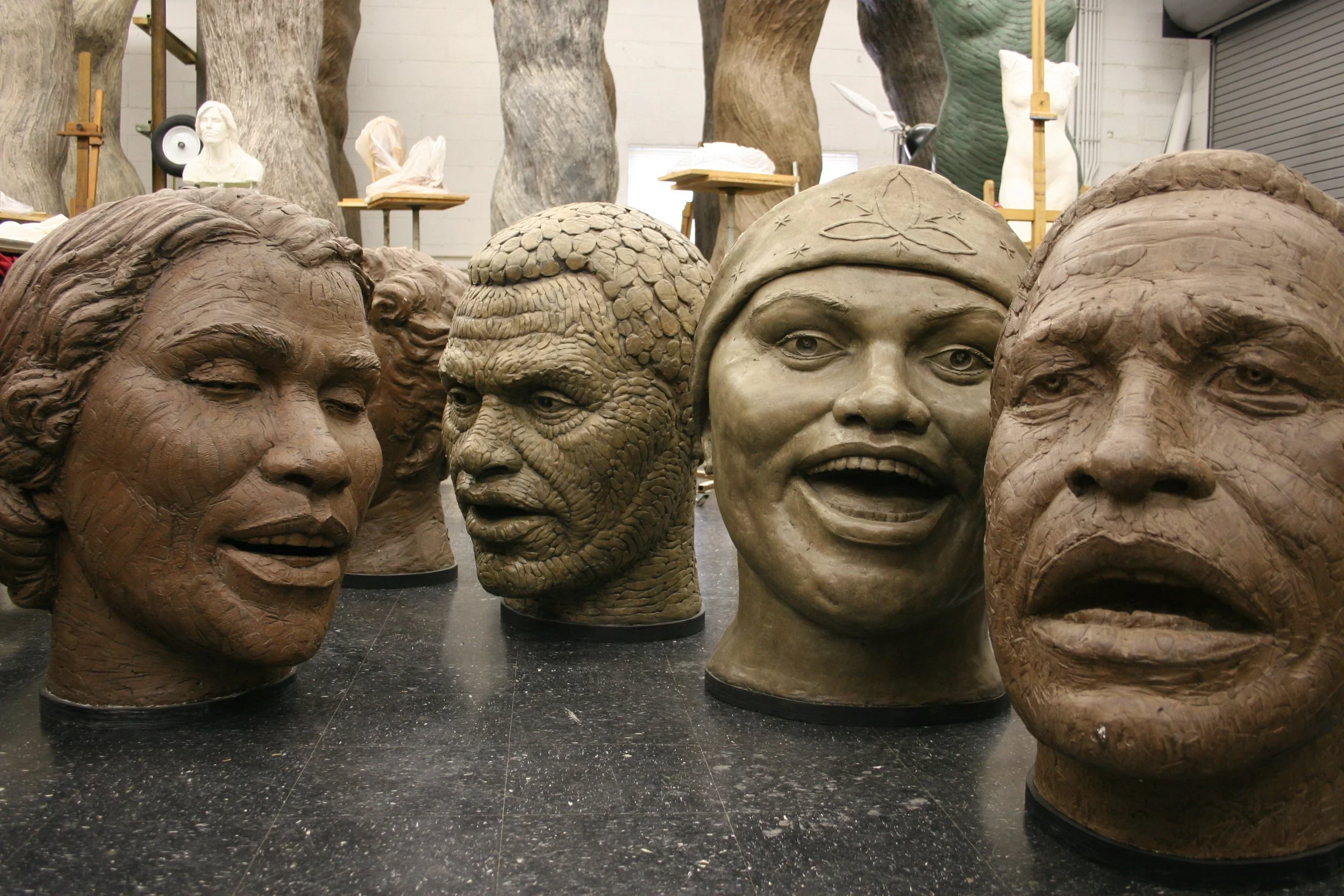
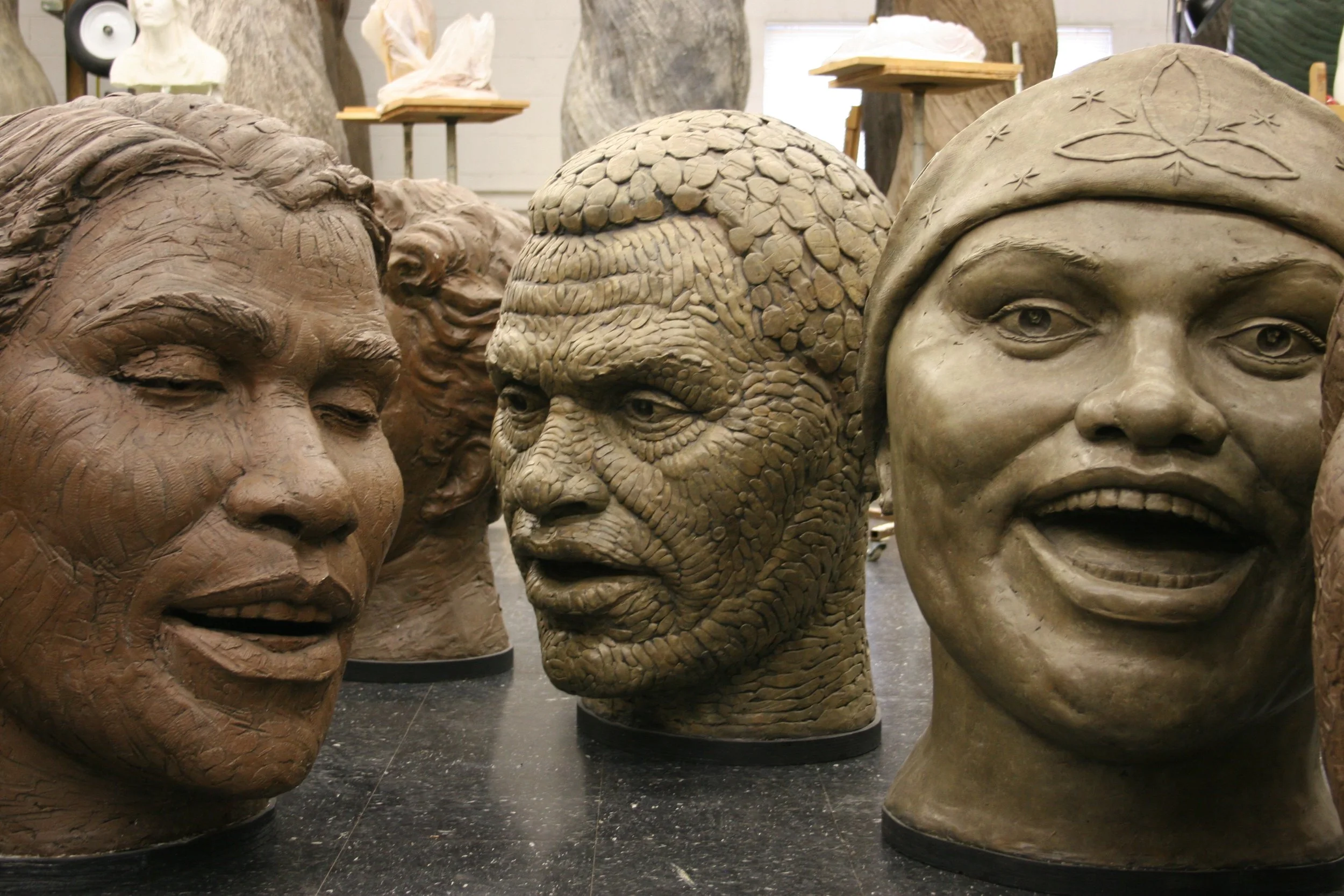
Cultural Heroes features the first seven icons of an ongoing series of artists who were key role players for Civil Rights, putting their careers on the line. Sculpted in a moment of performance, these colossal portrait heads also represent various ways of handling clay, always with the intent to make the material and its treatment at least as important as the subject matter. The artist's seven role models currently represented in the sculptures are Marian Anderson, Woody Guthrie, Billie Holiday, Lead Belly, Paul Robeson, Bessie Smith and Josh White.
Alan LeQuire strives to create a larger-than-life portrait that has the breath of life of the individual. Sculpting his personal heroes, LeQuire understands and communicates their artistic ecstasy. The result is a miraculous object that possesses the living presence of a person and gives it permanence. Insight into a personality can be found through movement sensed through posture and passion projected through expression.
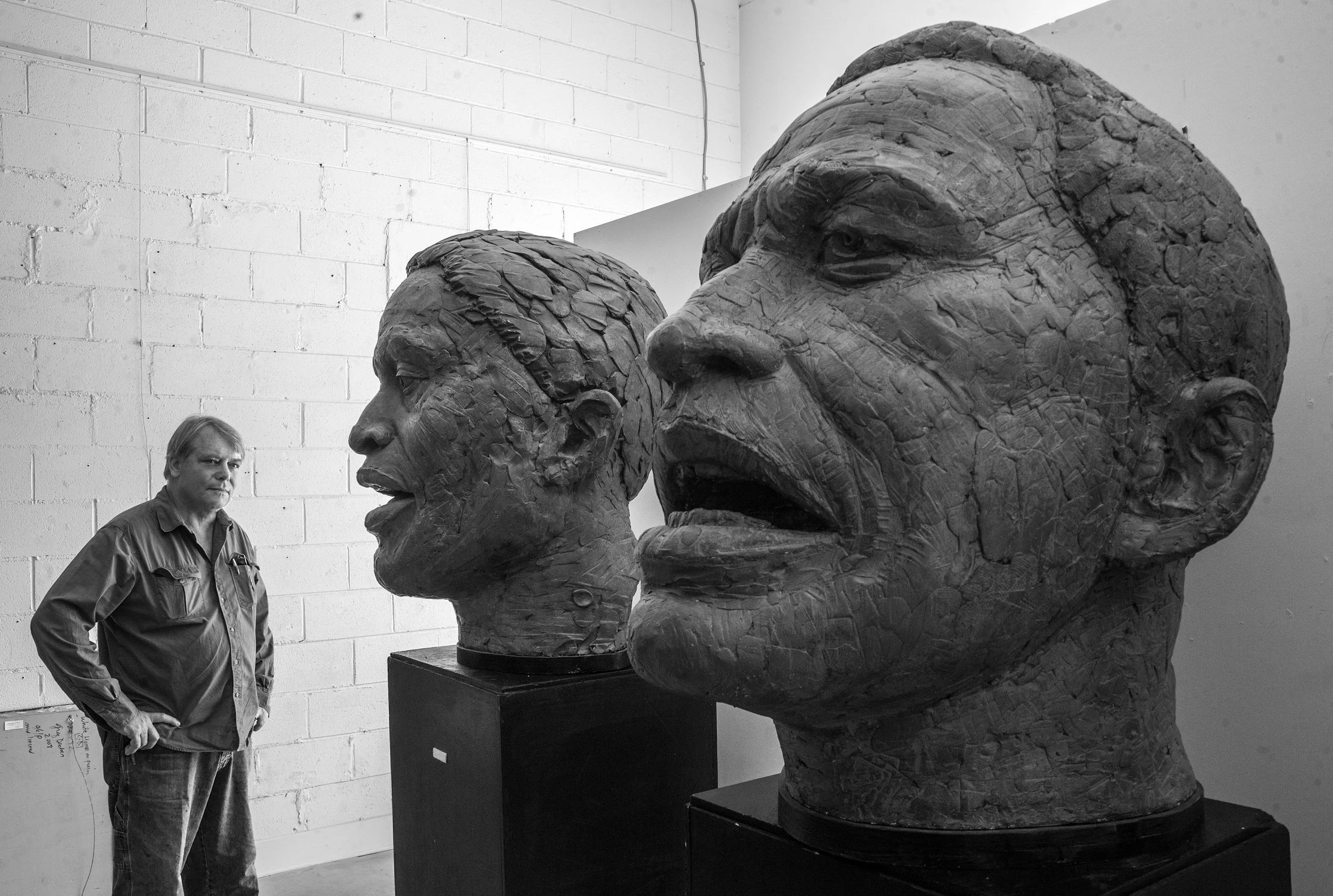
For the sculptor, the manipulation of the clay is his signature. The Cultural Heroes series showcases Alan LeQuire's passion for working with clay and his impulse to infuse the clay with the living presence of a person. "With the Cultural Heroes series, I wanted to create larger-than-life portrait heads that would affect the viewer with their beauty and presence," states Sculptor Alan LeQuire. "I am interested in real people whose art succeeded despite obstacles. This early 20th Century group represents the great contributions of the artists who were the grandparents of the Civil Rights movement."
Photography Credit: Dean Dixon
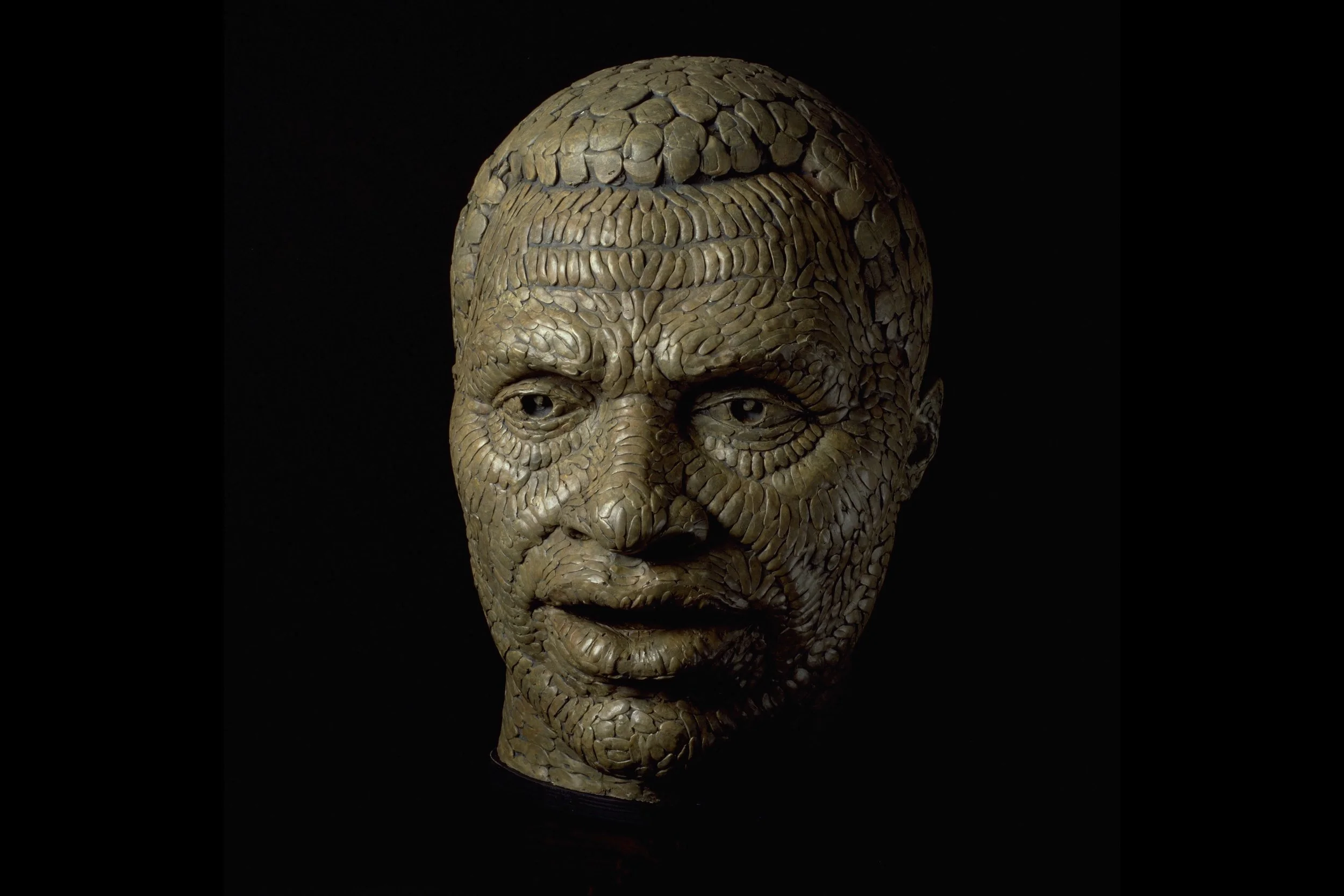
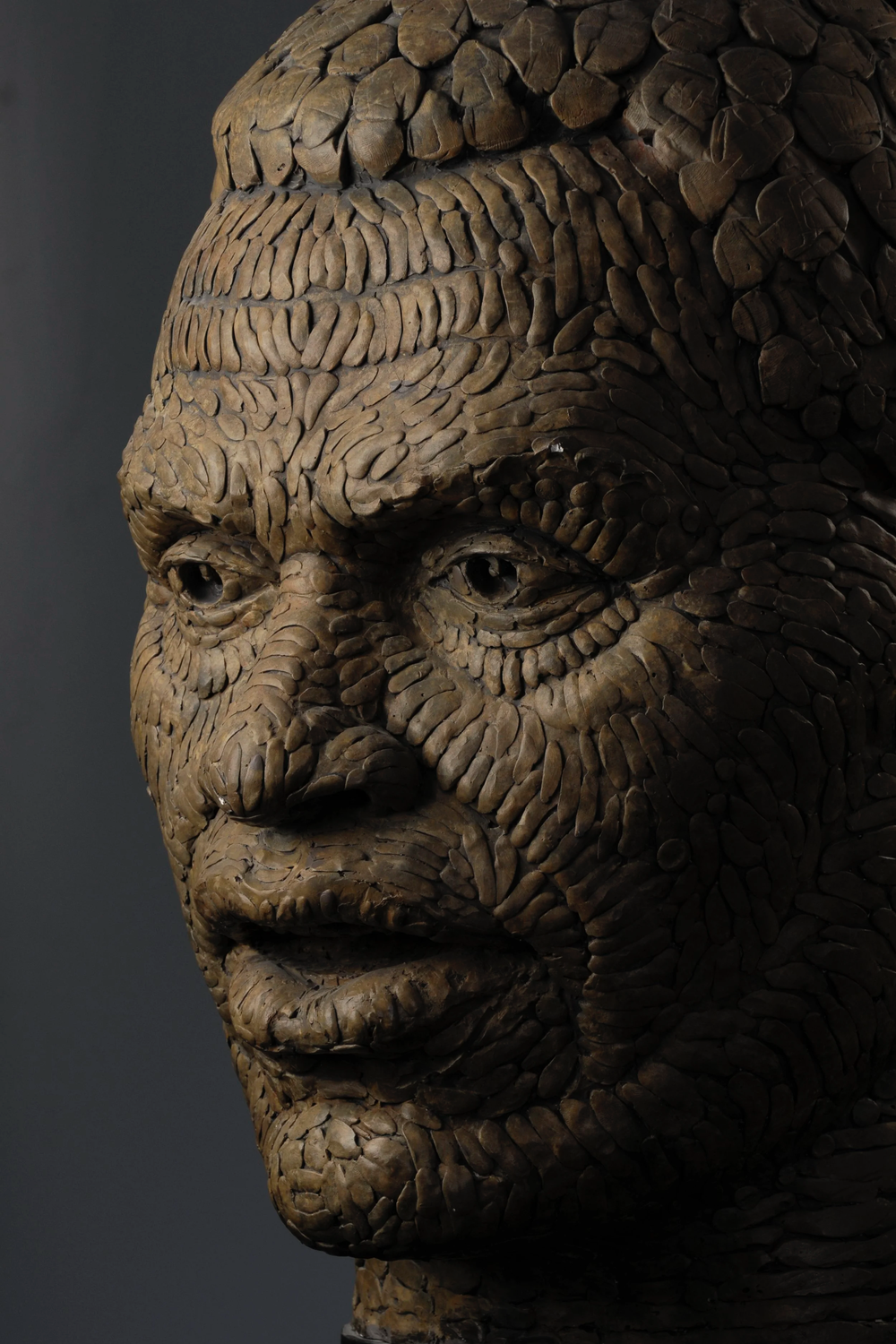
PAUL ROBESON (1898-1976)
Paul Robeson, son of a slave, was Valedictorian, Phi Beta Kappa and Football All-American at Rutgers in 1919; and then earned his law degree from Columbia University. He went on to become a major movie star, the first black man in a century to star in Othello and the highest paid concert artist in the world. In Europe, he emerged as a respected political and social activist, led a movement to free Africa from colonialism and inspired millions in their labor and independence movements. But in America, he was blacklisted as a communist sympathizer. Later in life, he devoted all his energies to political activism and speaking out against injustice. Constricted with vascular disease, the world’s preeminent artist/activist died at 77.
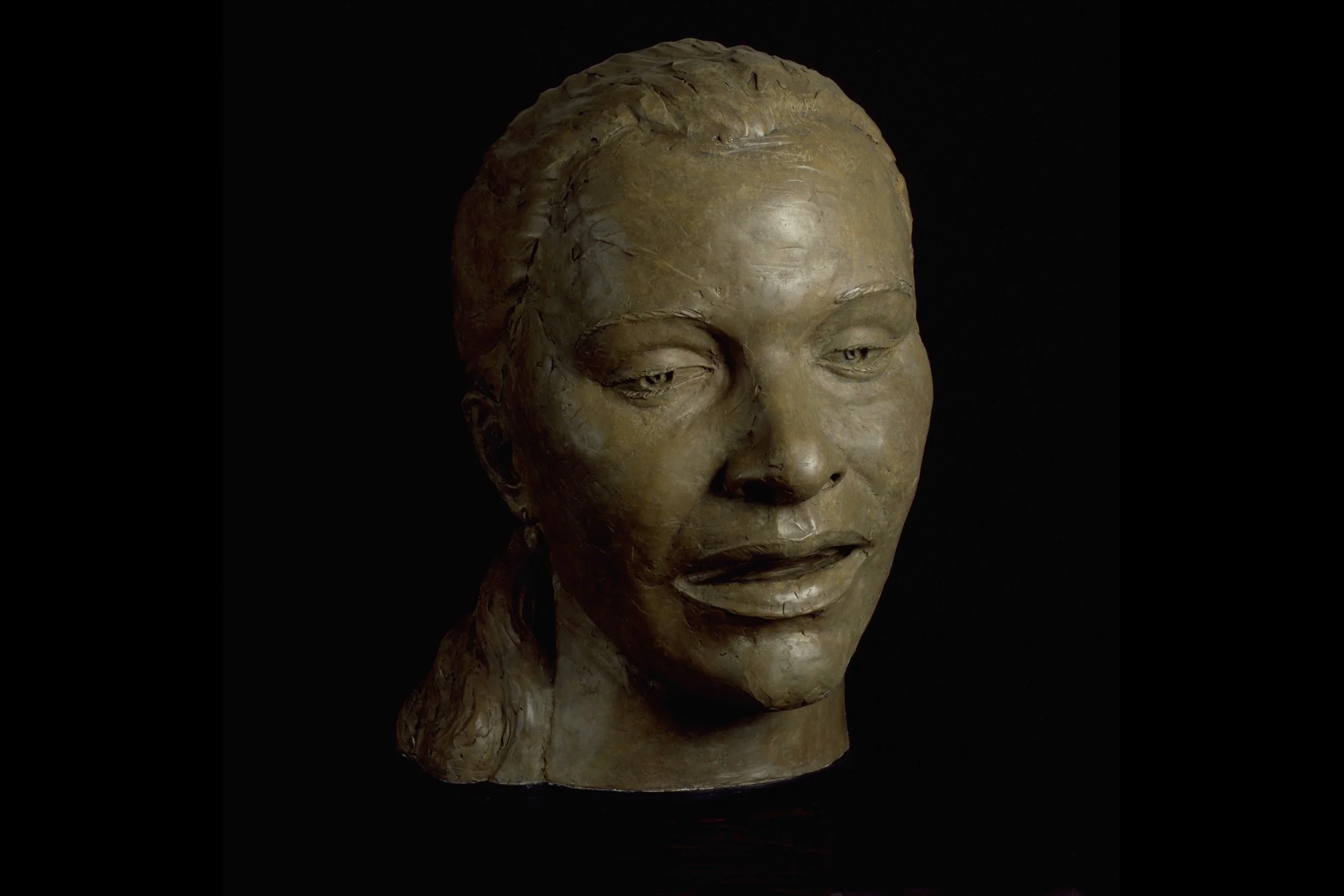
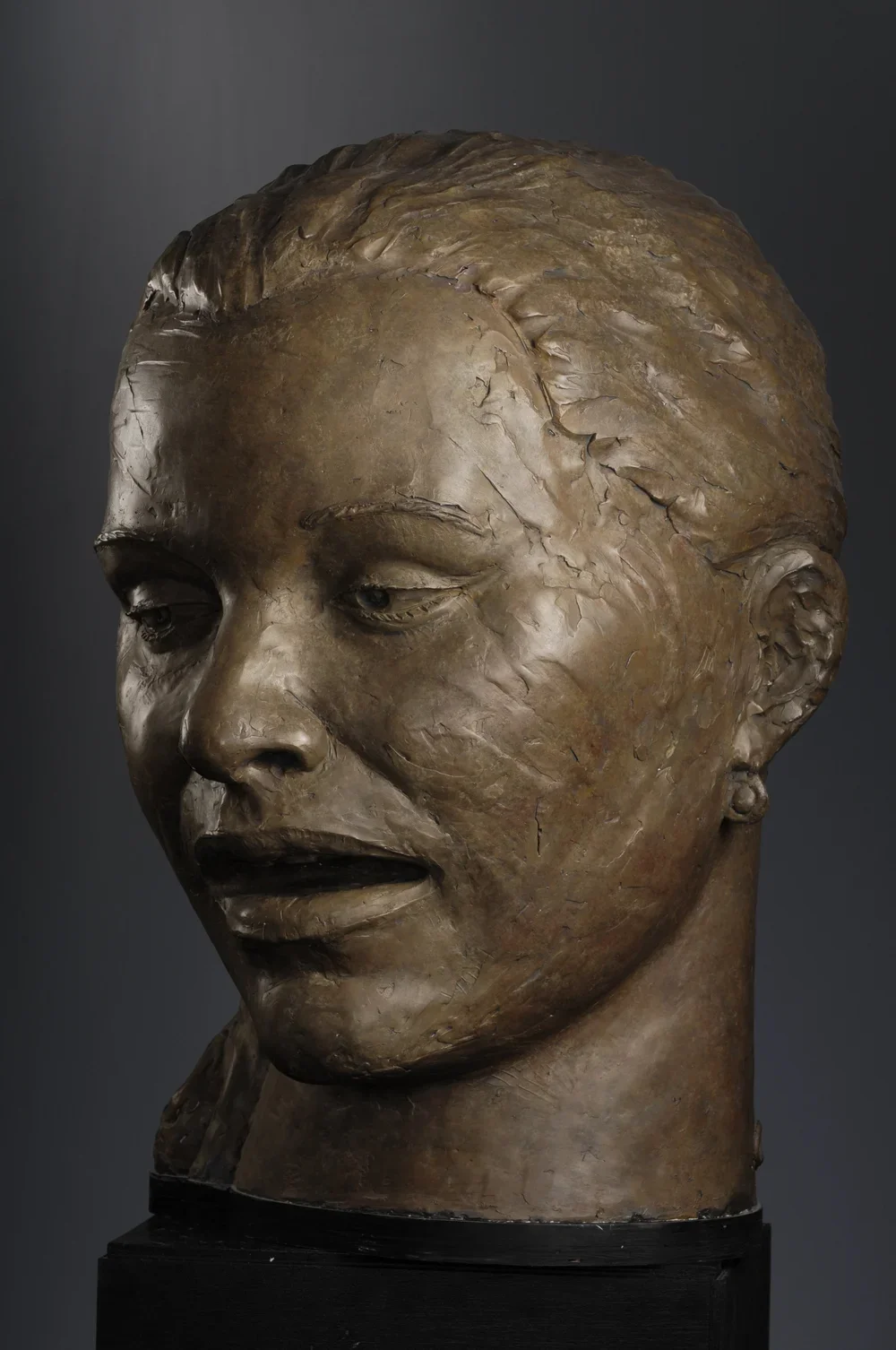
BILLIE HOLIDAY (1915-1959)
Billie Holiday is regarded as the most inventive, if not the greatest, jazz vocalist in history. Her uniquely pained voice was able to reach down and touch the darkest corners of every soul regardless of race, language or nationality. In the process, Holiday became a civil rights trailblazer, who, despite risks to her own career, forged paths and opened doors for all African-Americans. Her 1939 anti-lynching recording Strange Fruit caused a media frenzy and elevated the national racial discussion. Holiday died of heart and liver failure at 44. In 1999, Time Magazine voted Strange Fruit the “Most Important Song of the Century.”
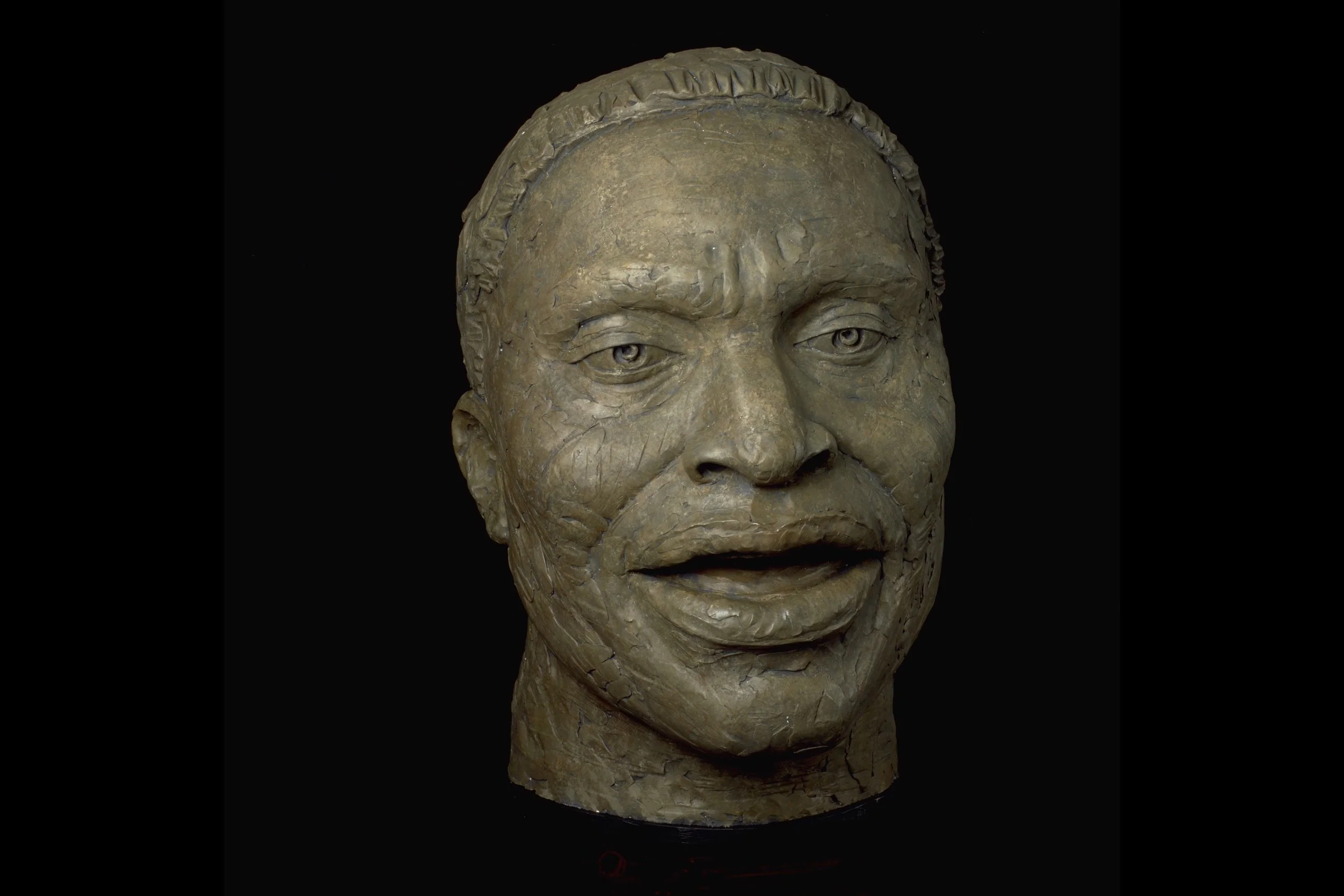
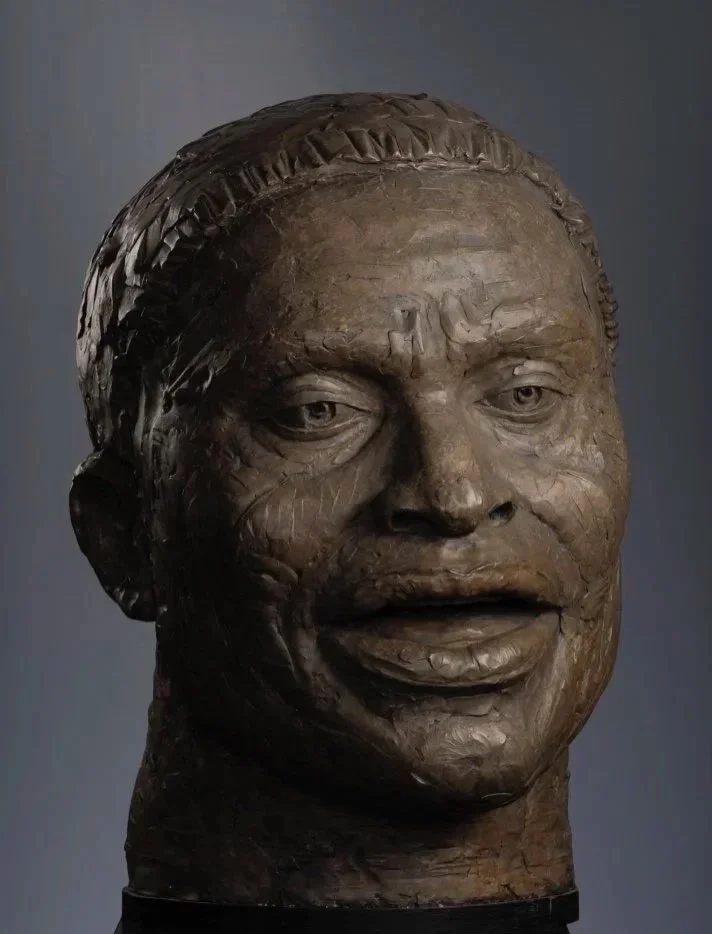
HUDDIE “LEAD BELLY” LEDBETTER (1918-1949)
Lead Belly, the King of the 12-String Guitar, was born on a Louisiana plantation and by the age of 15 was earning a living as a street singer. Life was oppressive for a black man living in Jim Crow South and after 19 years spent on chain gangs and in prisons, John and Alan Lomax helped to gain his parole in 1934 and then recorded him for the Library of Congress. His folk songs have become a vital part of America’s cultural history, while his work songs and songs of social conscience have greatly influenced our national discussion about racism and segregation. Just months after Lead Belly’s death of ALS disease at the age of 60, his song Goodnight Irene became the #1 radio hit in America.
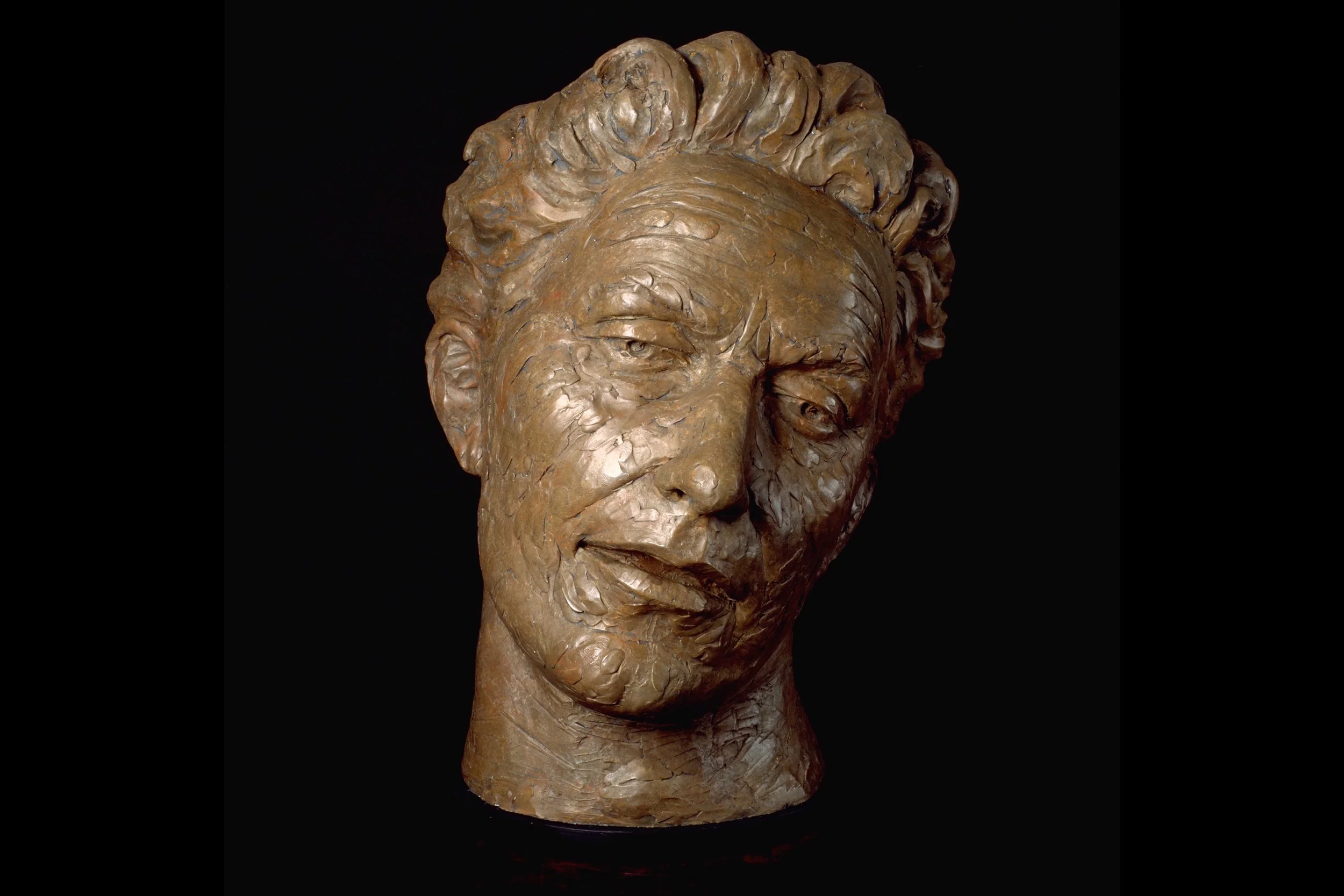
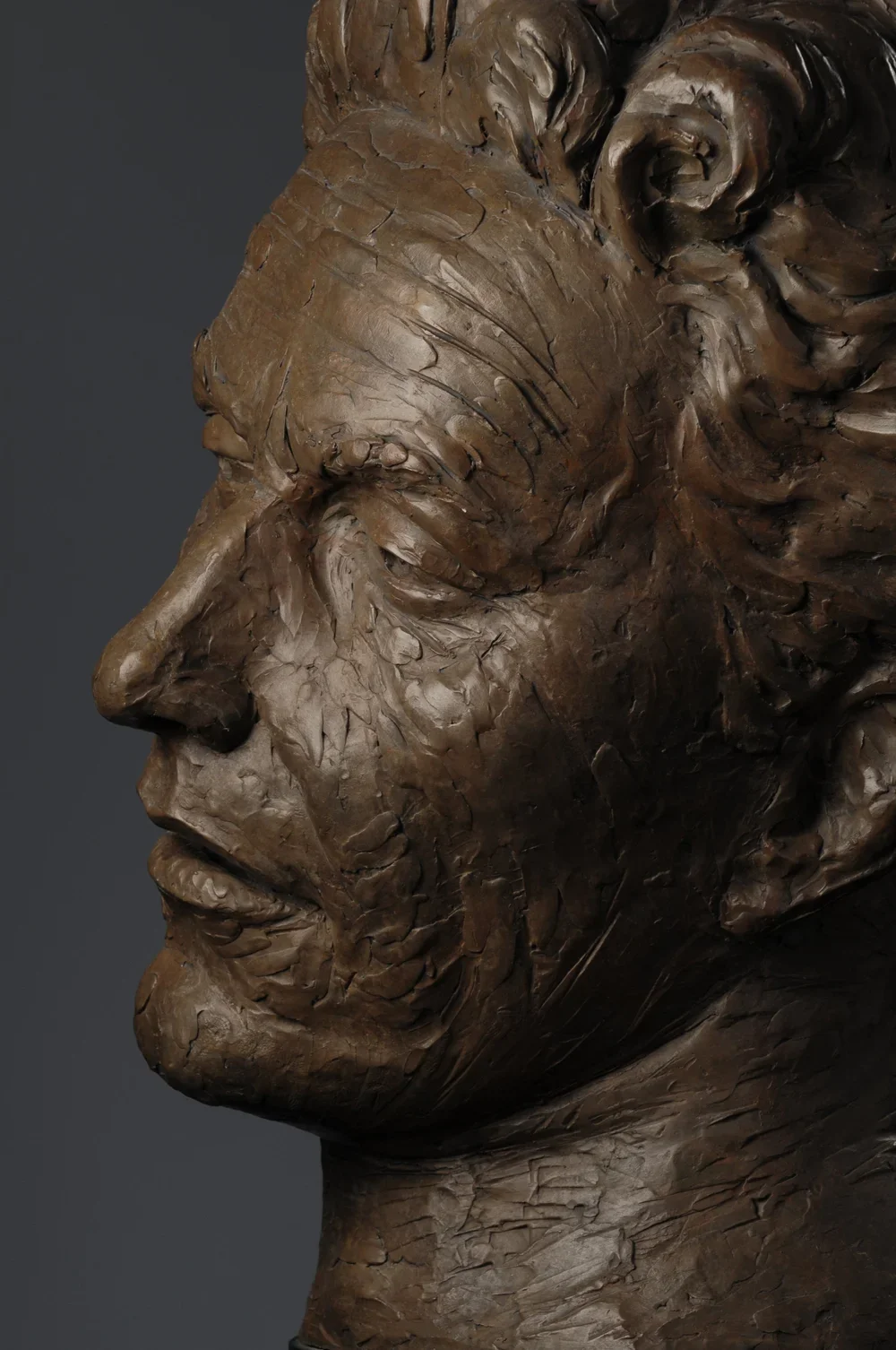
WOODY GUTHRIE (1912-1967)
Woody Guthrie was equal parts social activist, political commentator, hobo and song-smith. A wiry man, tough as a desert lizard with a pen hand mightier than any army, Guthrie became America's conscience, the most influential lyrical force on 20th Century society and one of the most prolific songwriters who ever lived. Among his disciples are Pete Seeger, Odetta, Bob Dylan and Bruce Springsteen; and his most revered song, This Land is Your Land, has become America's alternative national anthem. His life, books and songs have become essential inspirations to the evolution of the socially conscious movements of 20th century America. Woody battled Huntington's disease the last 11 years of his life.
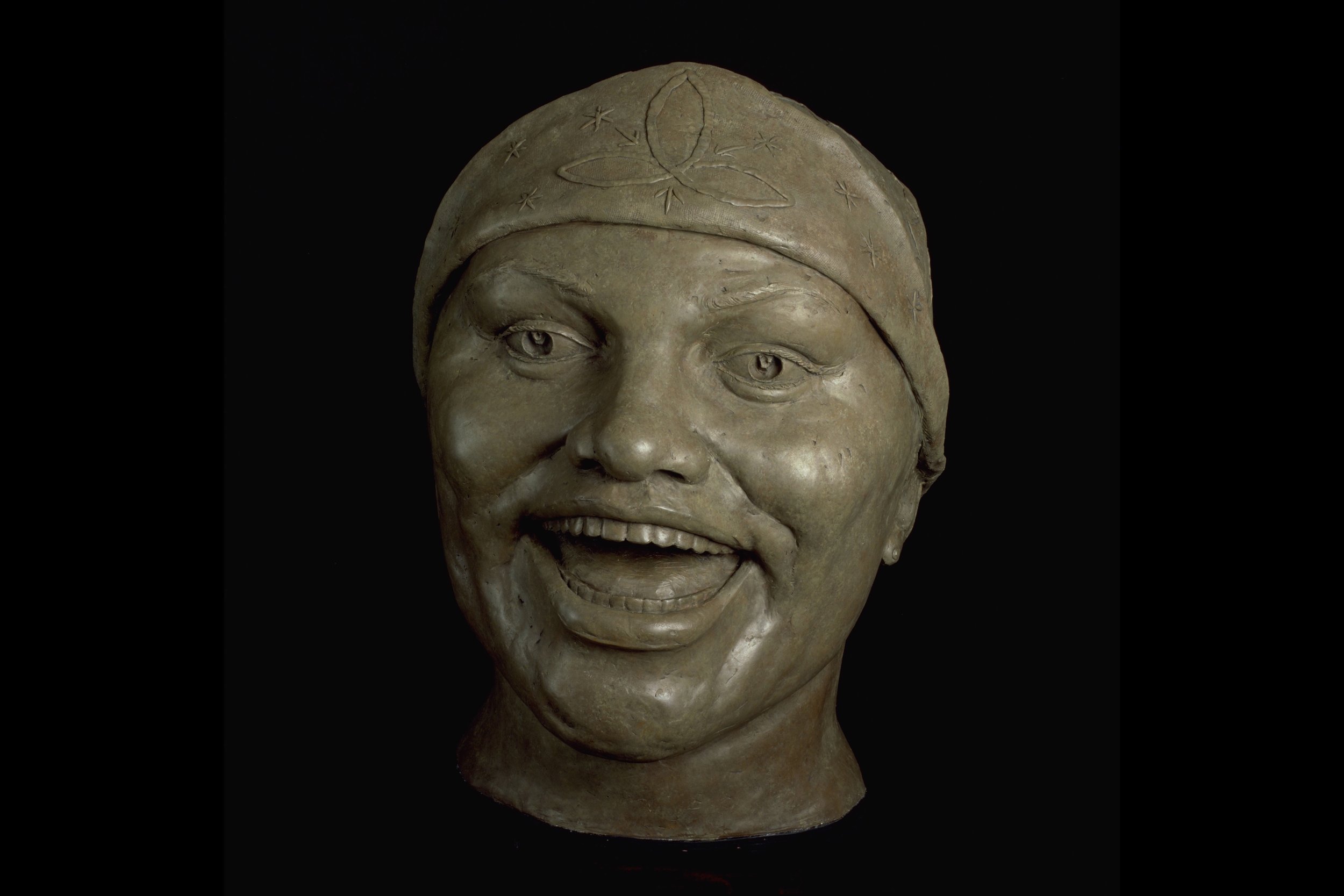
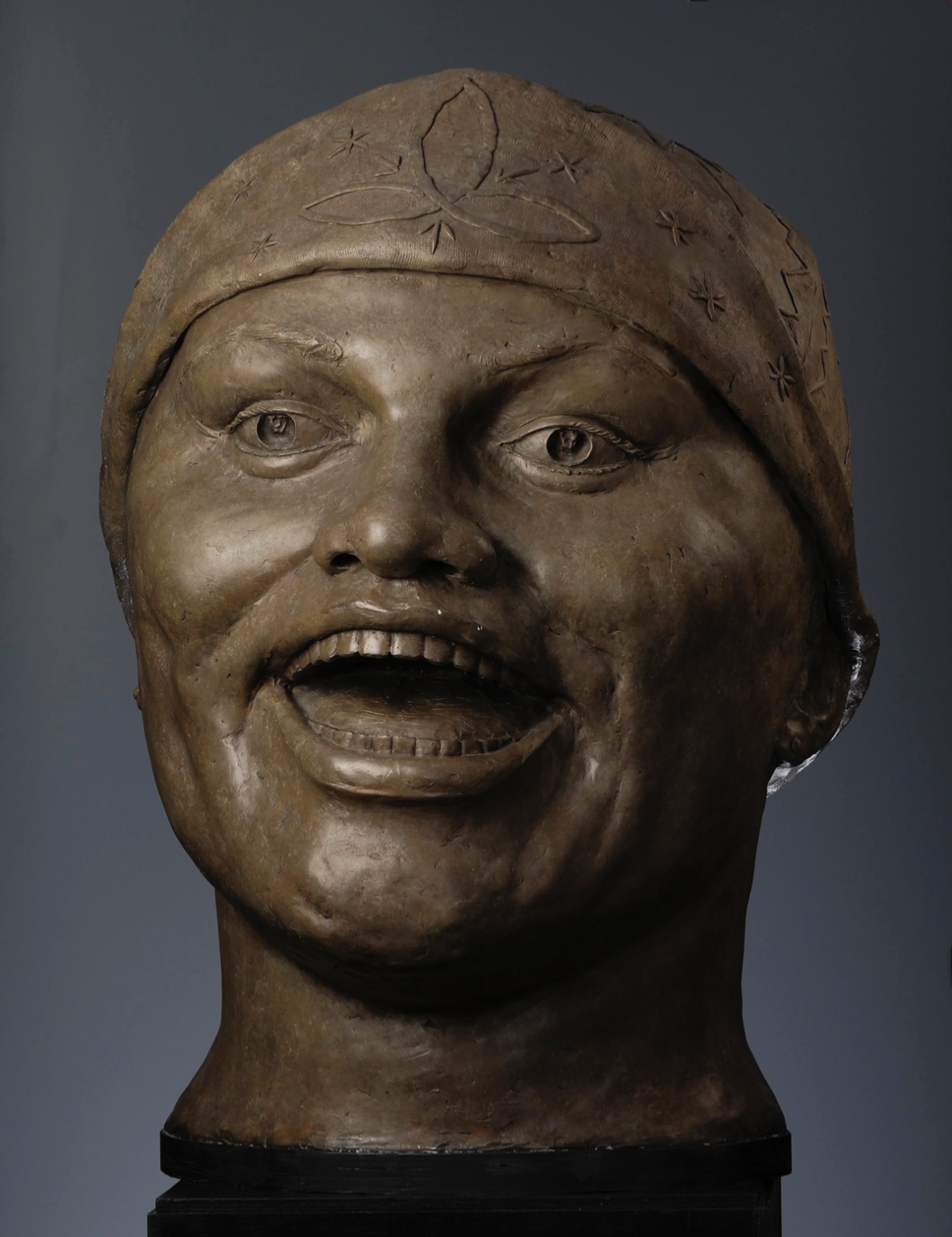
BESSIE SMITH (1894-1937)
Bessie Smith was born into poverty in Chattanooga. At the age of 9, upon her parents’ death, she became the bread-winner in her family. And by the 1920s, she had become the best selling blues recording artist and the highest paid African-American entertainer in the country. Her songs didn’t just address the traditional stories of searching for love and losing it; she also spoke to the misery and pain of the disenfranchised and the oppressed. For the African-American masses, she was their Voice. The Empress of the Blues died tragically in a car accident at 42.
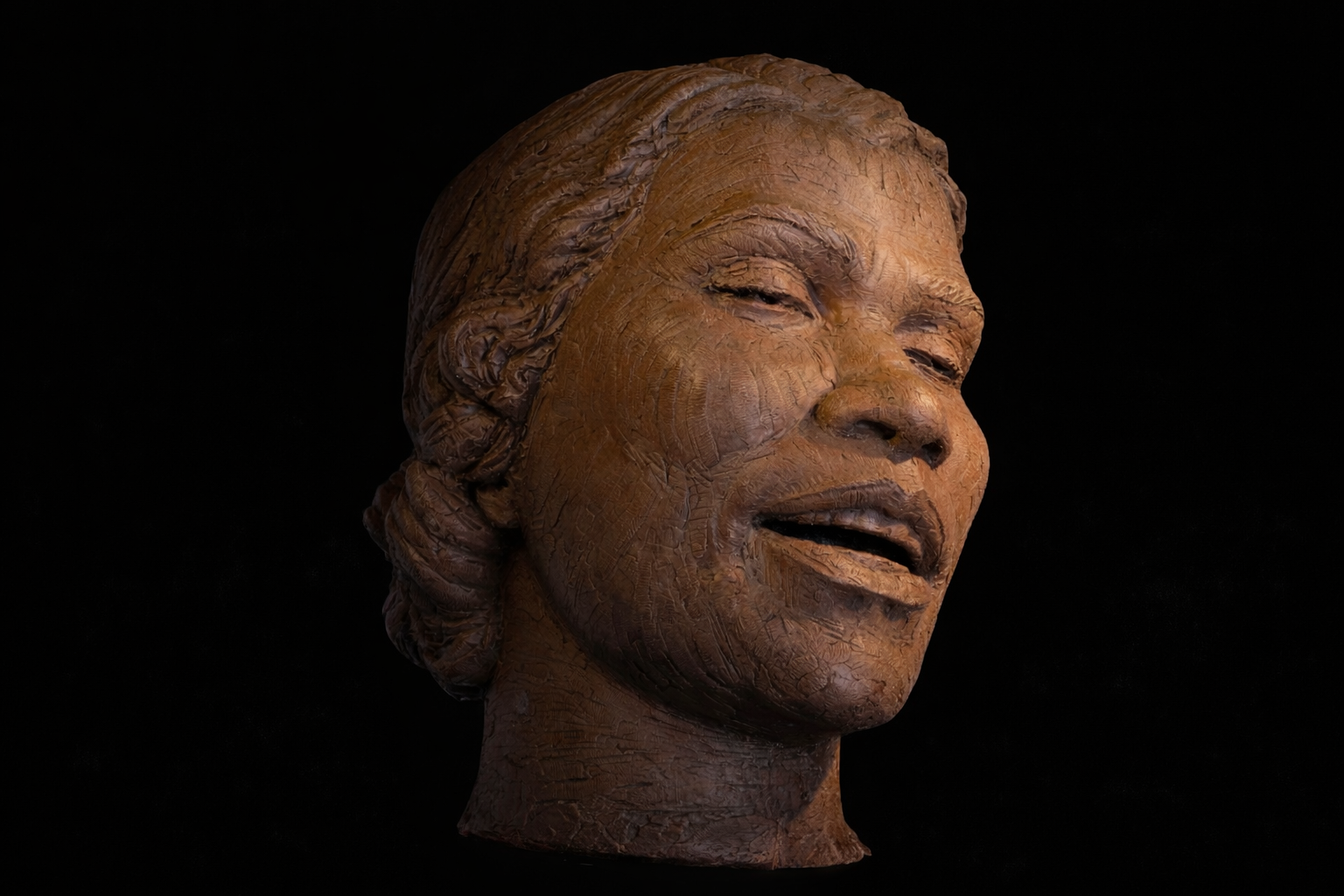
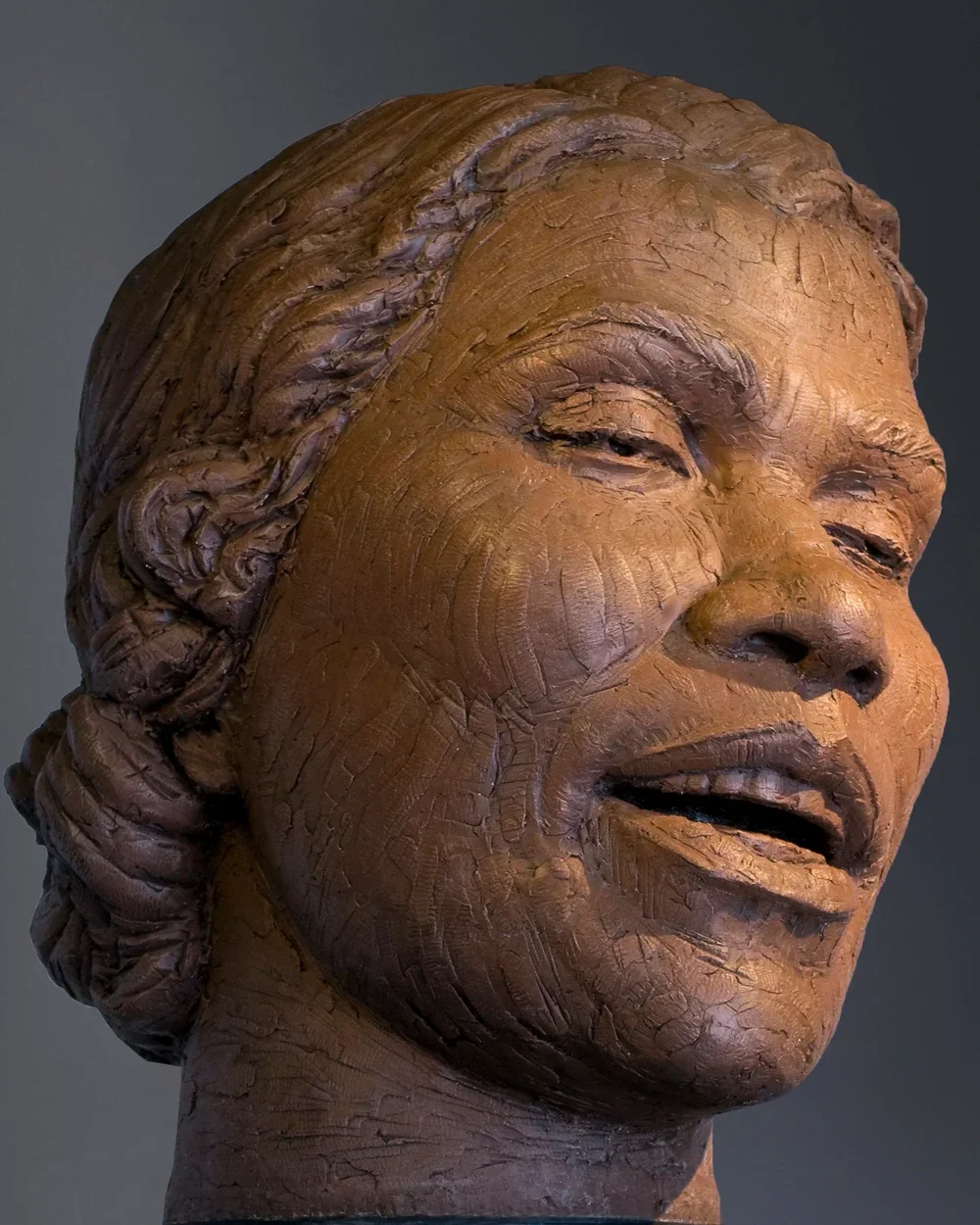
MARIAN ANDERSON (1897-1993)
Marian Anderson made her Carnegie Hall debut in 1928, but with most American concert halls segregated she moved to Europe. Within two years she was regarded as the world's greatest contralto, yet she would be barred from all U.S. opera companies until the age of 58. After being prohibited from performing at Washington's segregated Constitution Hall in 1939, she riveted the country with a historic radio concert before 70,000 people on the National Mall. As a revered figure in America's struggle for equal rights, Anderson was awarded the Presidential Medal of Freedom, the UN Peace Prize, Kennedy Center Honors, the National Medal of the Arts, and the Grammy's Lifetime Achievement Award.
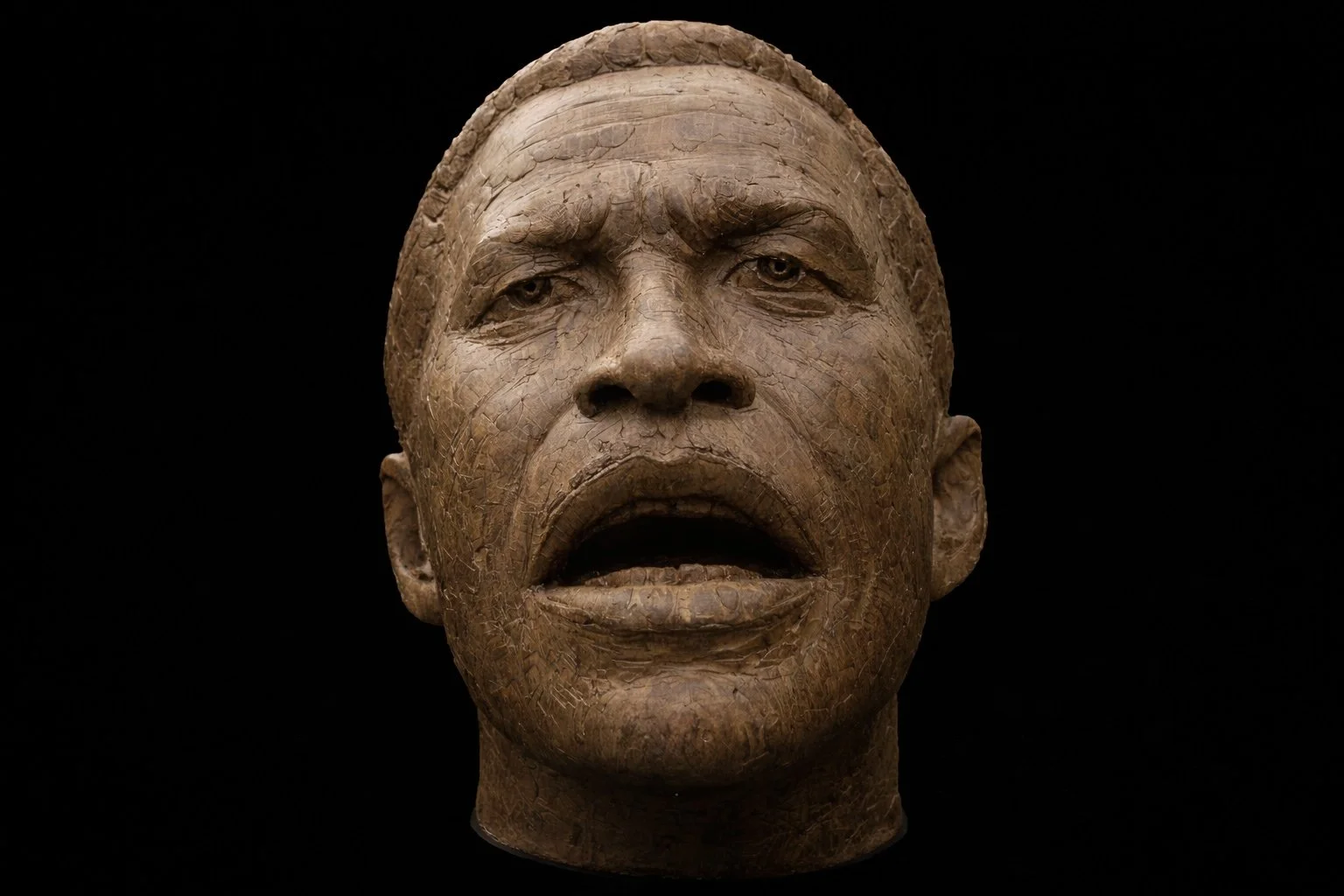
JOSH WHITE (1914-1969)
Josh White introduced African-American folk, blues and work songs to white America and the rest of the world. A star of race recordings since 1928, he crossed over to the masses in 1939 starring on Broadway. White’s Chain Gang album was the first social protest album ever released by an artist. He became the first black man to garner a million selling record and to give a White House Command Performance. In 1950, while making a landmark Goodwill tour of Europe with Eleanor Roosevelt, White was blacklisted back home for his social activism. Though battling heart disease, in 1963, as the blacklist eased, he performed on TV for President Kennedy and again at the historic March on Washington.
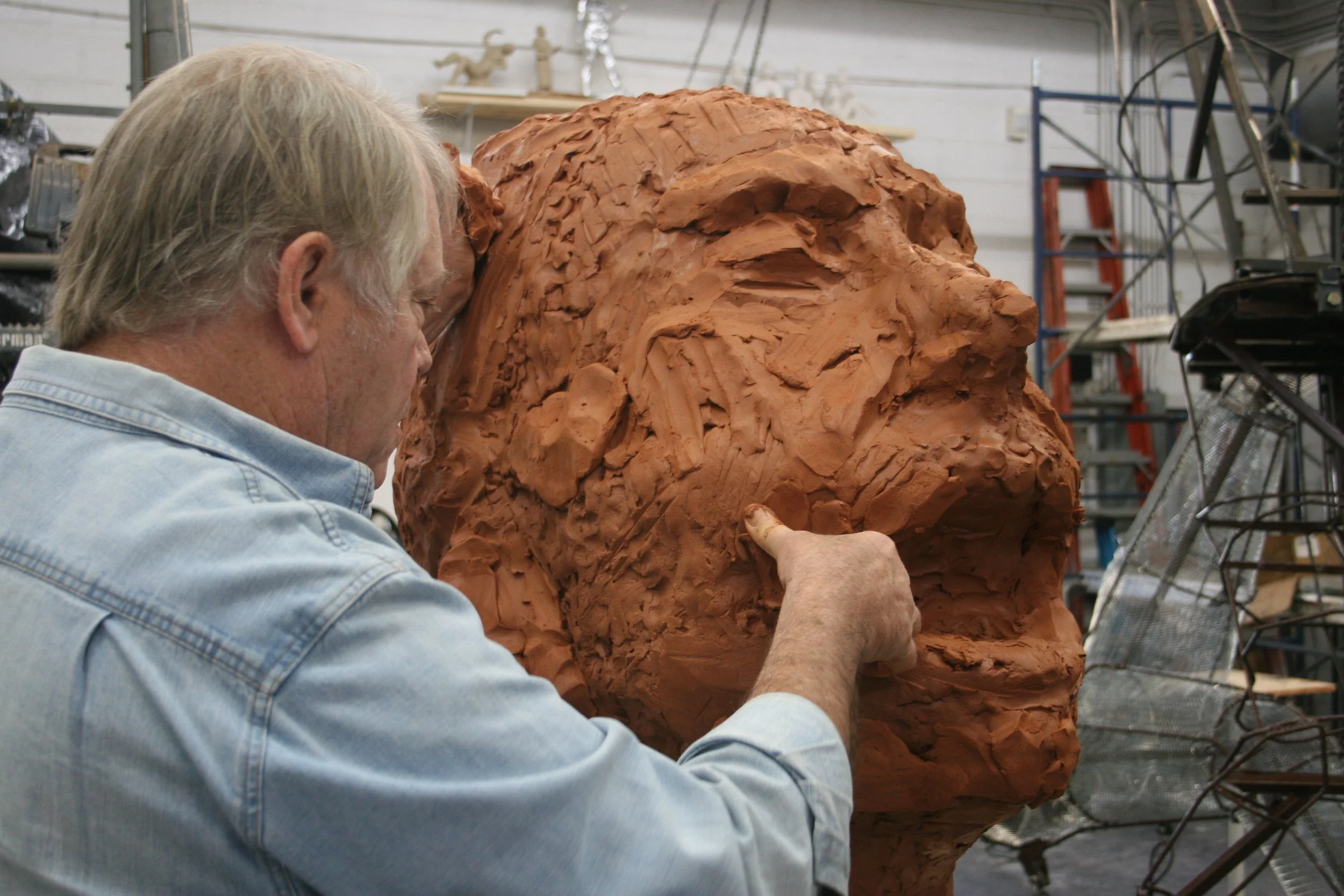
Pete Seeger (1919 - 2014)
Coming Soon
Inside Cultural Heroes: LeQuire on Process, Inspiration, and Legacy
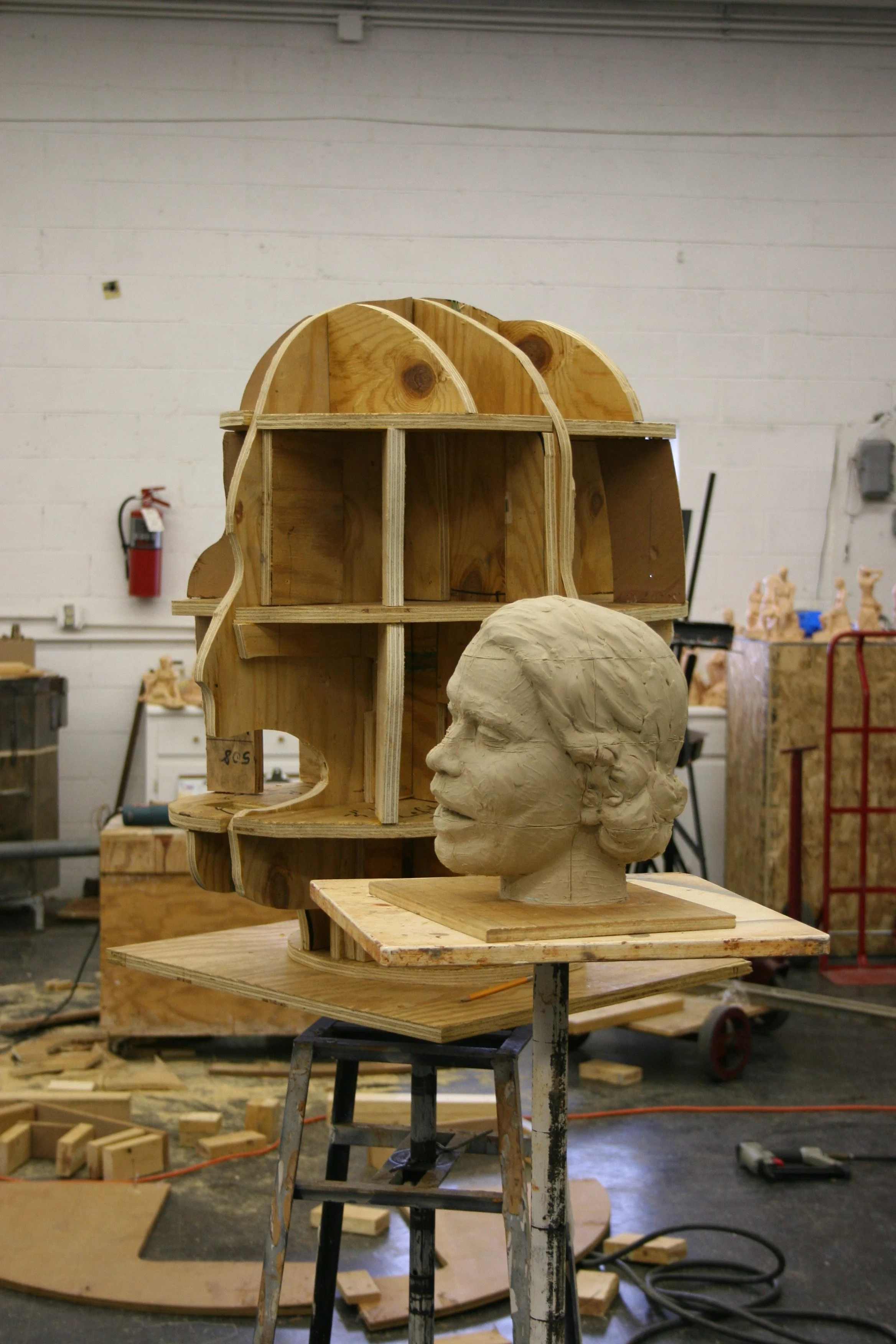
At the unveiling of Cultural Heroes at the Nashville Public Library, Alan LeQuire shares an in-depth look at the figures represented in the series and their impact on both culture and the Civil Rights movement. He reflects on his personal connection to these artists, the meaning behind the work, and the process of bringing the sculptures to life. The video also captures the unveiling itself and the public’s response to the installation.
Creating Presence: The Cultural Heroes Series
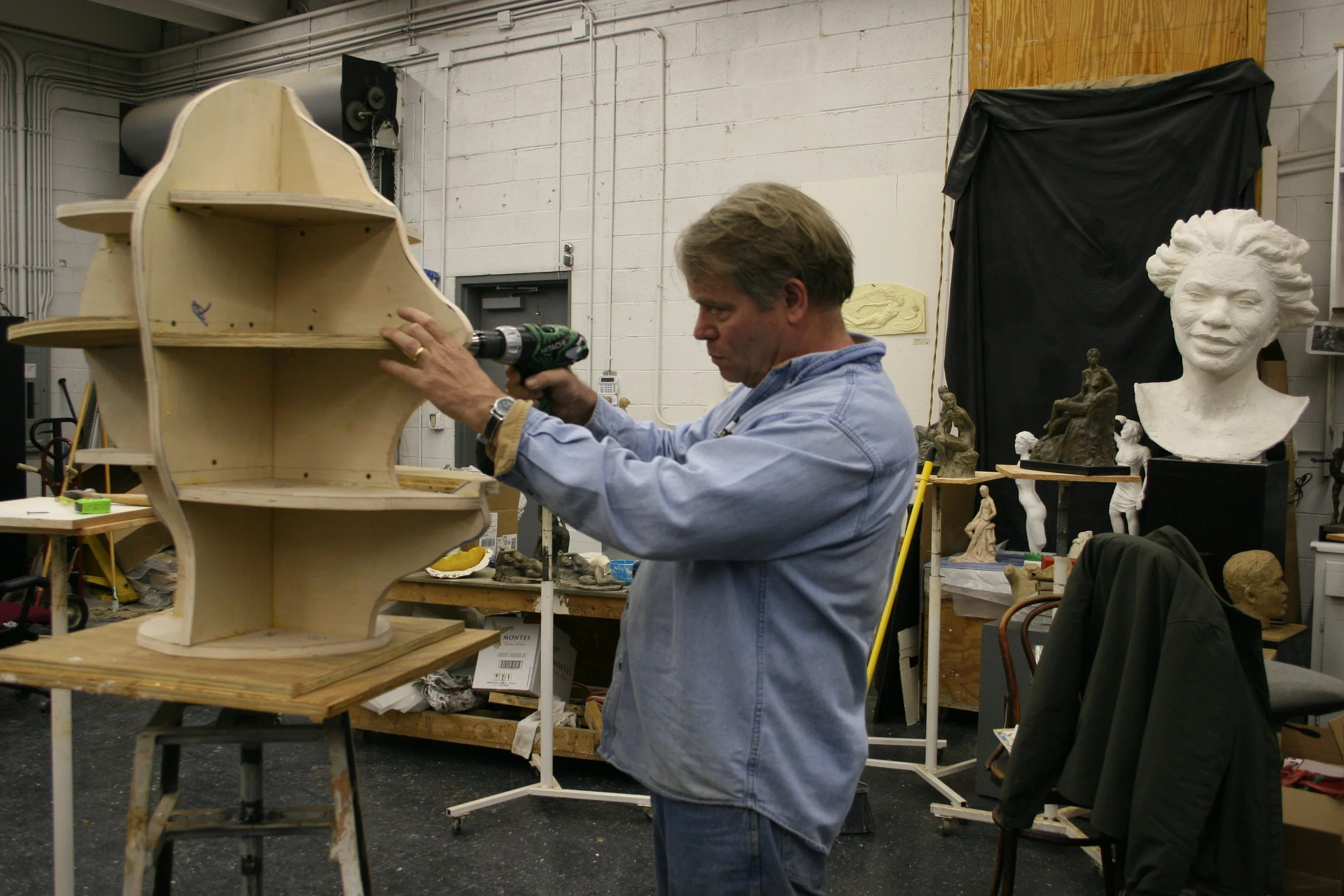
Alan LeQuire discusses his approach to the Cultural Heroes series, focusing on creating a living presence in the material rather than an exact likeness, and reflecting on the emotional energy of performance.
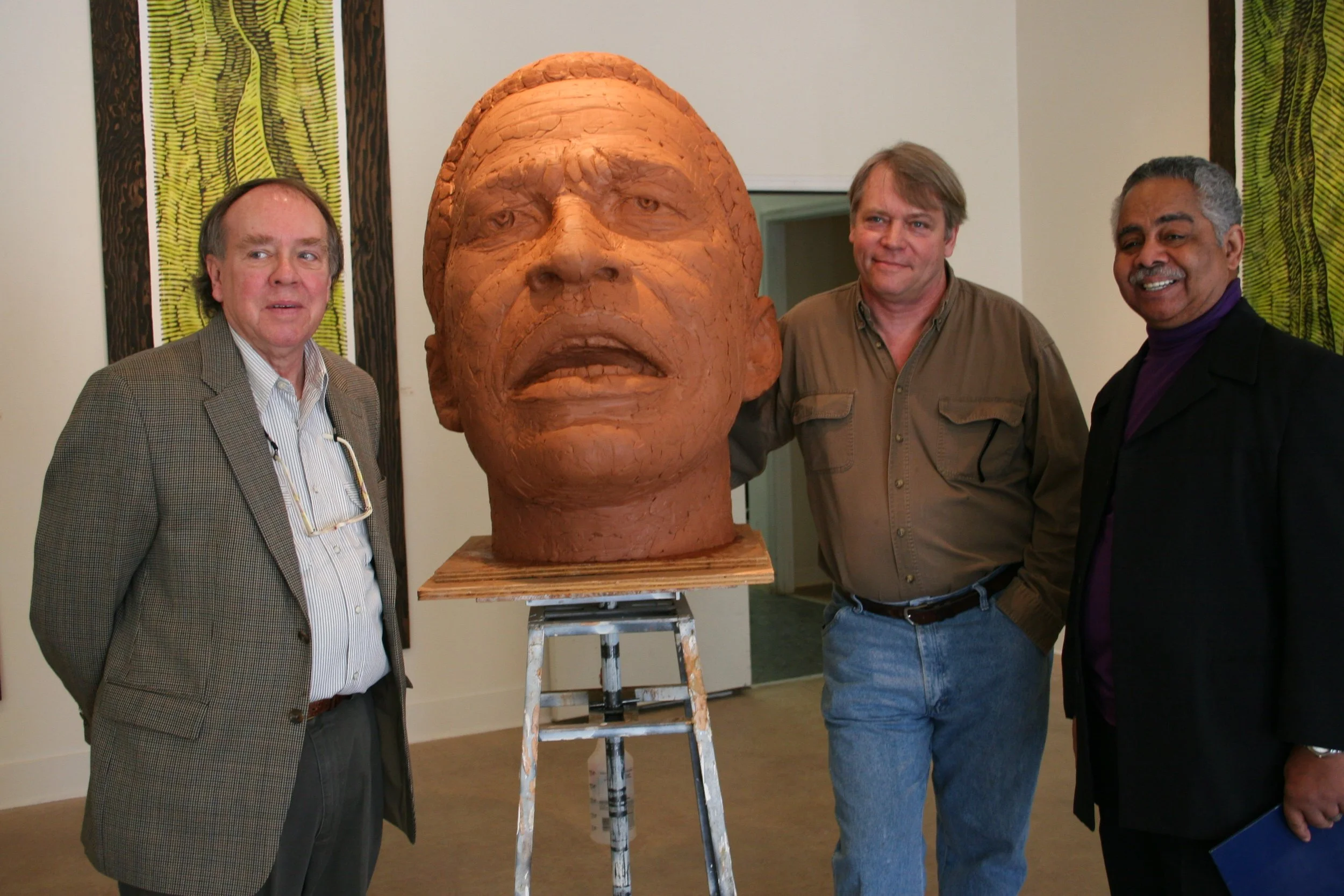
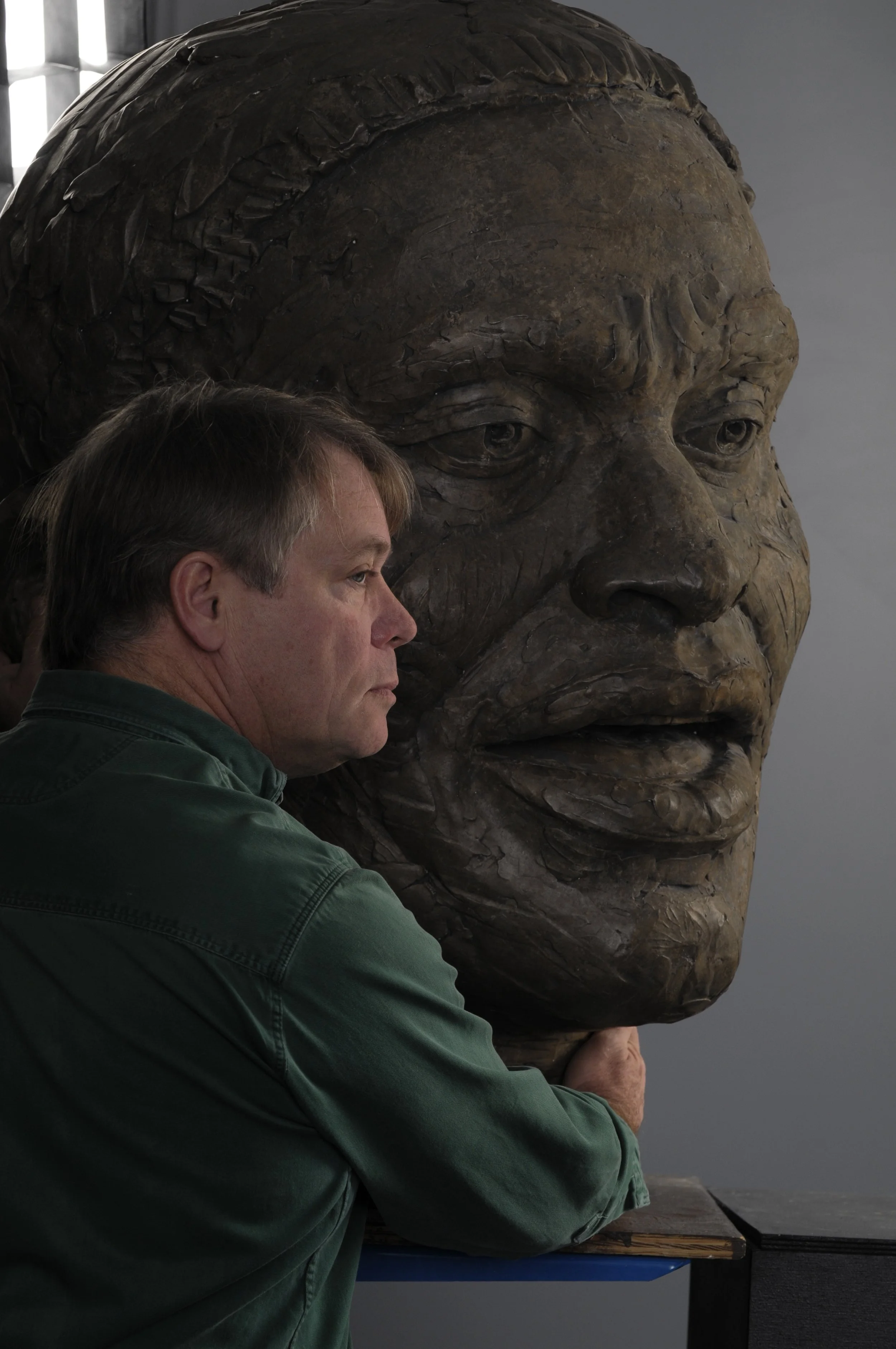
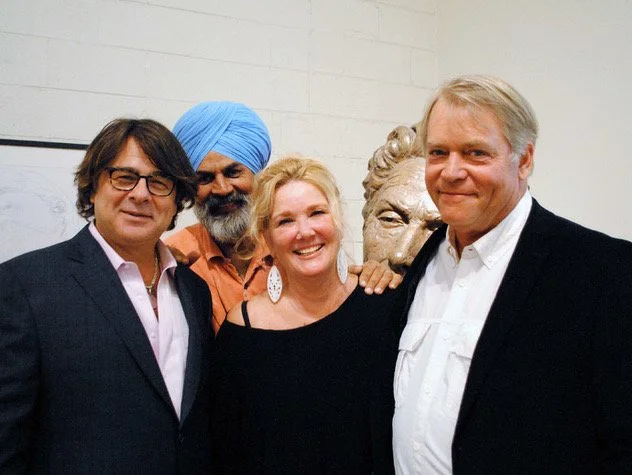
Tamay Ozari, Devinder and Susan Sendhu with Alan LeQuire and Woody Guthrie, LeQuire Gallery
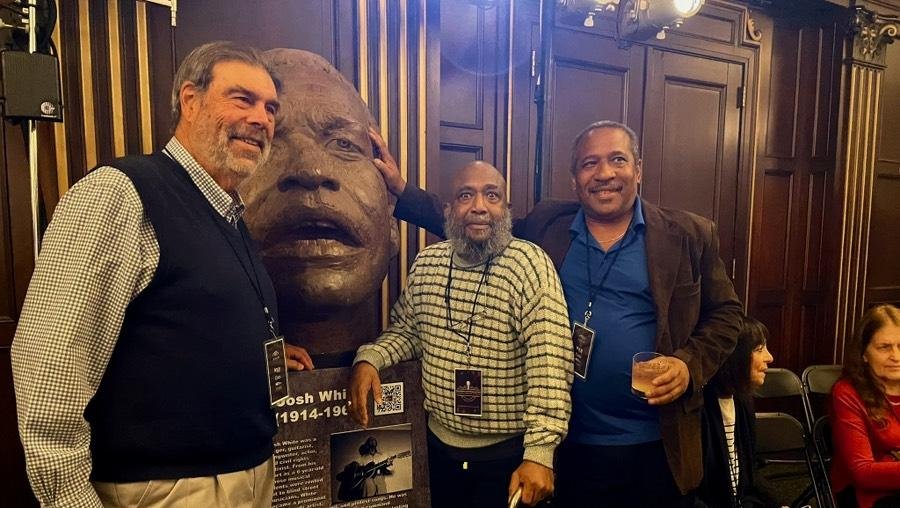
Joe Spaulding, former Director of the Boch Center and Founder of the Folk Americana Roots Hall of Fame (FARHOF); LeQuire’s sculpture of Josh White; Josh White, Jr.; Josh White, III, taken at FARHOF March 2024.